- Company Articles
- Products and Technology
- Product knowledge
- 3030 Aluminum Profile End Cap: Protecting & Finishing Your Frames

3030 Aluminum Profile End Cap: Protecting & Finishing Your Frames
Related Product
3030 Aluminum Profile End Cap
The aluminum profile end cap adds a finishing touch to your project and closes off profile ends to limit dust and debris buildup, also it can avaid some scratch for material and labor during the assemble work.
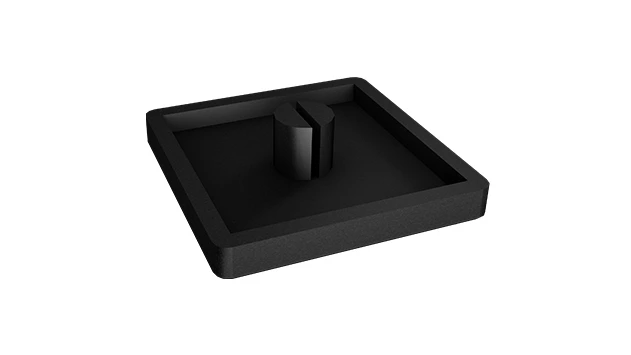
Walk into any modern workshop, manufacturing plant, or even a well-organized garage, and you'll likely spot aluminum profiles holding things together. These sleek, versatile structures form the backbone of workbenches, material racks, conveyor systems, and so much more. They're strong, lightweight, and infinitely customizable—thanks to the magic of aluminum extrusion profile technology. But if you've ever spent time assembling or using these frames, you've probably noticed something small yet crucial: the caps that seal the ends of the profiles. Today, we're shining a spotlight on one of the most widely used variants: the 3030 aluminum profile end cap. It might seem like a tiny detail, but trust me, this little accessory plays a huge role in making your aluminum frames safer, more durable, and even more professional-looking.
What Exactly Is a 3030 Aluminum Profile End Cap?
Let's start with the basics. Aluminum profiles are extruded into specific cross-sections, and the "3030" in 3030 aluminum profile refers to its dimensions: roughly 30mm by 30mm. These square or rectangular tubes are the workhorses of lean manufacturing systems, DIY projects, and industrial setups. Now, when you cut an aluminum extrusion profile to length, you're left with open ends. These ends are often rough, sharp, and prone to collecting dust, debris, or even moisture over time. That's where the end cap comes in.
A 3030 aluminum profile end cap is a small, usually plastic or rubber component designed to fit snugly into the open end of a 30mm x 30mm aluminum profile. Think of it as a "plug" for your profile—simple in design, but packed with functionality. While it's categorized under aluminum profile accessories, don't let the "accessory" label fool you. This tiny part is a must-have for anyone serious about building high-quality, long-lasting aluminum frames.
The Unsung Functions: Why 3030 End Caps Matter
At first glance, you might think, "It's just a cap—how important can it be?" But if you dig deeper, you'll realize the 3030 aluminum profile end cap wears many hats. Let's break down its key roles:
1. Safety First: No More Sharp Edges
Aluminum extrusion profiles are cut with saws, and even with precise cutting, the ends can be surprisingly sharp. I once helped a friend assemble a material rack using 3030 profiles, and before adding the end caps, I accidentally brushed my arm against an open end—it left a small scratch. That's not just a minor annoyance; in a busy workshop, sharp edges can lead to cuts, especially when workers are moving materials or leaning against frames. The end cap softens these edges, turning a potential hazard into a smooth, safe surface. If you've ever worked in a facility with ESD workstations (which often use aluminum profiles), you know safety is non-negotiable—end caps are a simple yet effective way to keep teams protected.
2. Protection Against Wear and Tear
Aluminum profiles are tough, but their open ends are vulnerable. Dust, dirt, and even small tools can fall into the hollow interior, making it hard to clean or causing internal damage over time. Moisture is another enemy—if water seeps into the profile, it can lead to corrosion (especially in humid environments or near washdown areas). A well-fitted end cap acts as a barrier, keeping the inside of the profile clean and dry. This might not seem like a big deal today, but over years of use, it can significantly extend the life of your aluminum frames. I've seen 10-year-old workbenches with end caps still intact, their profiles as sturdy as the day they were built, while similar frames without end caps showed signs of internal rust and degradation.
3. A Polished, Professional Look
Let's talk aesthetics. Imagine two identical workbenches: one with open, rough profile ends, and another with clean, color-matched end caps. Which one looks more put-together? The latter, of course. End caps give your project a finished, intentional appearance—like adding the final brushstroke to a painting. This is especially important if your frames are visible to clients, customers, or visitors. A material rack in a warehouse might not need to be "pretty," but a retail display or a lab workstation? The details matter. Many end caps come in neutral colors like black, white, or gray, but you can also find them in bold hues to match brand colors or add a pop of personality to your setup.
4. Noise Reduction (Yes, Really!)
Here's a bonus function you might not have considered: noise. In busy environments, aluminum frames can rattle or vibrate, especially if they're part of a conveyor system or a mobile trolley. Open profile ends can amplify these sounds, turning a minor hum into an annoying buzz. End caps dampen vibrations by filling the hollow space, reducing noise levels subtly but noticeably. It's a small change, but anyone who works in a loud factory knows that every bit of noise reduction helps with focus and fatigue.

Materials and Types: Choosing the Right 3030 End Cap
Not all end caps are created equal. They come in different materials and designs, each suited to specific needs. Let's break down the options so you can pick the best one for your project.
Materials: Plastic, Rubber, or Metal?
Most 3030 aluminum profile end caps are made of plastic, and for good reason. Plastic is lightweight, affordable, and comes in a variety of colors. The most common plastics are polypropylene (PP) and polyvinyl chloride (PVC), both known for their durability and resistance to chemicals. PP end caps are slightly more flexible, making them easier to snap into place, while PVC is stiffer and offers better impact resistance. If you need something with a softer touch—say, for a frame that might come into contact with delicate products—rubber end caps are a great choice. They're non-slip and absorb shocks, which is useful for mobile trolleys or racks that get moved around often.
Metal end caps exist too, though they're less common for 3030 profiles. Made of aluminum or stainless steel, they're ideal for heavy-duty applications where extra strength is needed, like in industrial machinery frames. However, they're heavier and more expensive, so stick with plastic or rubber unless your project demands metal.
Types: Snap-On, Push-Fit, and Beyond
End caps also vary in how they attach to the profile. The most popular is the snap-on end cap . As the name suggests, it snaps into the profile's end with a satisfying "click." These are easy to install—no tools required—and stay put once in place. They're perfect for most DIY projects and standard industrial setups. I've used snap-on caps on everything from a home garage workbench to a factory material rack, and they've never let me down.
Then there's the push-fit end cap , which requires a bit more pressure to install but creates an even tighter seal. These are great for environments with vibrations, like near conveyor systems, where a snap-on cap might loosen over time. For profiles that need occasional access to the interior (maybe for wiring or cable management), threaded end caps are available. They screw into the profile, allowing you to remove them easily when needed—though they're less common for 3030 profiles since most users don't need frequent access.
Finally, there are decorative end caps , which add a touch of style. These might have textures, logos, or unique shapes, making them perfect for retail displays or customer-facing areas. While they cost a bit more, they're a simple way to elevate the look of your project without sacrificing functionality.

How to Install 3030 Aluminum Profile End Caps: A Step-by-Step Guide
Installing end caps is one of the easiest parts of working with aluminum profiles, but there are a few tips to ensure a perfect fit. Let's walk through the process, whether you're a seasoned pro or a first-time builder.
Step 1: Prepare the Profile End
First, make sure the end of your 3030 aluminum profile is clean and smooth. If you just cut the profile, use a deburring tool or sandpaper to remove any sharp edges or burrs. Even a small burr can prevent the end cap from fitting properly. Wipe the end with a dry cloth to remove dust or debris—you want a clean surface for the cap to grip.
Step 2: Choose the Right End Cap Size
This might sound obvious, but double-check that you have the correct size! 3030 profiles can vary slightly in dimensions depending on the manufacturer (some might be 29.5mm x 29.5mm, others 30.5mm x 30.5mm). Most end caps are designed to fit standard 3030 profiles, but if you're unsure, measure the inner diameter of the profile's end and compare it to the end cap's outer diameter. A good rule of thumb: the end cap should be slightly larger than the profile's inner dimensions so it creates a tight, friction fit.
Step 3: Align and Press Firmly
For snap-on caps: Hold the end cap with the open side facing the profile. Align it so that the tabs or edges of the cap line up with the profile's inner walls. Then, using even pressure, push the cap into the end of the profile. You should hear a "snap" when it's fully seated. If it's hard to push, try wiggling it slightly from side to side as you press—this helps the tabs engage.
For push-fit caps: These require more force. Place the cap on the profile end and use the palm of your hand to push firmly, or tap it gently with a rubber mallet (be careful not to hit too hard—you don't want to damage the cap or profile). The cap should sit flush with the end of the profile when installed correctly.
Step 4: Test for Security
Once installed, give the end cap a gentle tug to make sure it doesn't come loose. If it wiggles or falls off, it might be too small, or the profile end might still have burrs. Remove the cap, check for issues, and try again. A properly installed end cap should feel solid and require significant force to remove.
Pro tip: If you're installing end caps in cold weather, plastic can become brittle. Warm the caps slightly with your hands or a hair dryer (on low heat) to make them more flexible—this makes installation easier and prevents cracking.
Aluminum Profile End Caps: How 3030 Stacks Up Against Other Sizes
3030 isn't the only aluminum profile size out there. Let's compare it to other common sizes to help you understand when to choose 3030 end caps—and when another size might be better. This table breaks down the key differences:
| Profile Size | End Cap Material | Installation Type | Key Features | Best For |
|---|---|---|---|---|
| 2020 (20mm x 20mm) | Plastic (PP/PVC) | Snap-on | Small, lightweight, low-profile | Small shelves, electronics racks, DIY projects |
| 3030 (30mm x 30mm) | Plastic, rubber, metal (rare) | Snap-on, push-fit | Balanced strength and size, versatile | Workbenches, material racks, conveyor frames, ESD workstations |
| 4040 (40mm x 40mm) | Plastic, rubber, metal | Push-fit, threaded | Larger, heavier-duty, higher load capacity | Industrial machinery, heavy-duty shelving, large workbenches |
| 4080 (40mm x 80mm) | Metal, heavy-duty plastic | Threaded, bolt-on | Extra-wide, for large frames and structural support | Production lines, automated systems, structural frames |
As you can see, 3030 hits the sweet spot for most medium-duty applications. It's not too small (like 2020) to handle heavier loads, and not too large (like 4040) to be overkill for everyday use. That's why it's the go-to choice for everything from workshop workbenches to lean manufacturing material racks.
Real-World Applications: Where 3030 End Caps Shine
To truly appreciate the 3030 aluminum profile end cap, let's look at some real-world scenarios where it makes a difference. These examples show just how versatile and essential this little accessory is.
1. Workbenches: The Heart of Any Workshop
Whether it's a simple workbench in a garage or a high-tech ESD workstation in an electronics factory, 3030 profiles are a popular choice for the frame. Workbenches take a lot of abuse—tools get dropped, materials are dragged across the surface, and workers lean on the edges. End caps on the legs and frame rails prevent scratches on floors (if the bench is moved) and protect workers from sharp edges when reaching under the bench. I visited a small electronics shop last year where the owner had built custom workbenches using 3030 profiles. He told me, "The end caps were an afterthought at first, but after a month of use, I noticed the ones without caps had dents and dirt inside the profiles. Now I wouldn't build a bench without them."
2. Material Racks: Keeping Supplies Organized and Safe
Material racks, like the "material rack b (3 row and 3 floor)" often used in warehouses, rely on aluminum profiles for stability. These racks hold heavy boxes, components, and tools, so safety is paramount. End caps on the rack's uprights and crossbars prevent items from catching on sharp edges as they're loaded or unloaded. They also keep dust and pests out of the profiles, which is crucial for storing sensitive materials like electronics or food-grade packaging. A warehouse manager I spoke to mentioned that after switching to capped profiles, they saw a 30% reduction in minor injuries from "snagging" on open profile ends—proof that small changes can have a big impact.
3. Conveyor Systems: Smooth Moves, No Snags
Conveyor systems use aluminum profiles to support roller tracks, guides, and frames. These systems are in constant motion, so anything that causes friction or snags can slow down production. End caps on the profiles that frame the conveyor prevent packages or parts from getting caught on rough edges as they move along the line. In one automotive parts plant I toured, the conveyor frames were made of 3030 profiles with yellow plastic end caps (matching the factory's safety color scheme). The maintenance supervisor explained, "We used to have issues with small parts getting stuck in open profile ends—now, with caps, the line runs smoother, and we spend less time unjamming things."
4. DIY Projects: From Garage Shelves to Custom Furniture
It's not just industrial settings—DIY enthusiasts love 3030 profiles for home projects. I've seen everything from garage storage shelves to standing desks built with 3030 aluminum extrusion profiles. For these projects, end caps add a polished look that makes the finished product feel professional, not "homemade." A friend of mine built a custom TV stand using 3030 profiles and black end caps; guests often comment on how "sleek" it looks. He laughs and says, "The end caps were the cheapest part of the project, but they made the biggest difference in how it turned out."
Avoid These Common Mistakes When Using 3030 End Caps
Even with something as simple as end caps, there are pitfalls to avoid. Here are the most common mistakes I've seen—and how to steer clear of them:
Mistake #1: Using the Wrong Size
This is surprisingly common! People assume all "3030" profiles are identical, but minor variations exist between manufacturers. A cap that fits a 30mm x 30mm profile from one supplier might be too loose or tight for another. Always measure the inner diameter of your profile end before buying end caps, or buy them from the same supplier as your profiles to ensure compatibility.
Mistake #2: Skipping Deburring
Sharp burrs on the profile end can tear or crack plastic end caps during installation. Take an extra minute to deburr the end with a file or sandpaper—your caps will last longer, and installation will be smoother.
Mistake #3: Overlooking Environmental Factors
Not all end caps are suited for all environments. For example, if your frame will be outdoors or in a humid area, choose UV-resistant or waterproof end caps (look for materials like PVC or rubber). In ESD workstations, static-dissipative plastic caps are a must to prevent electrostatic discharge. Using standard plastic caps in a wet environment might lead to mold growth inside the profile—yuck!
Mistake #4: Forgetting to replace Damaged Caps
End caps can wear out over time—plastic can crack, rubber can degrade. If you notice a cap is loose, cracked, or missing, replace it immediately. A damaged cap leaves the profile vulnerable to dust, moisture, and sharp edges. Set a reminder to inspect end caps during regular maintenance checks—this small step can save you from bigger problems later.
The Bottom Line: Don't Underestimate the Power of a Good End Cap
At the end of the day, the 3030 aluminum profile end cap is a small part with a big job. It protects your frames, keeps people safe, and adds a professional touch to any project. Whether you're building a workbench in your garage, setting up a material rack in a warehouse, or designing an ESD workstation for a high-tech lab, don't overlook this unsung hero of aluminum profile accessories.
Next time you're shopping for aluminum extrusion profile and accessories, remember: the right end cap isn't just an afterthought—it's an essential investment in the longevity, safety, and appearance of your project. And if someone asks, "Why bother with end caps?" you can smile and say, "Because the details matter." After all, in a world of big machines and complex systems, it's often the smallest parts that make the biggest difference.