- Company Articles
- Products and Technology
- Product knowledge
- 3030 Aluminum Profile End Caps for 3C Assembly: Precision & Durability

3030 Aluminum Profile End Caps for 3C Assembly: Precision & Durability
Related Product
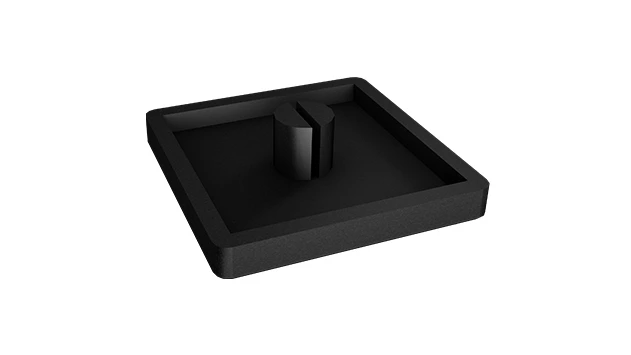
3030 Aluminum Profile End Cap
The aluminum profile end cap adds a finishing touch to your project and closes off profile ends to limit dust and debris buildup, also it can avaid some scratch for material and labor during the assemble work.
The Unsung Heroes of 3C Manufacturing Lines
Walk into any 3C (computers, communication, consumer electronics) assembly plant, and your eyes will likely be drawn to the sleek production lines, robotic arms gliding with precision, and workers in (ESD protective clothing) handling tiny components like smartphone motherboards or laptop hinges. But if you look closer—past the high-tech machinery and busy workstations—you'll notice something smaller, quieter, yet surprisingly critical: the 3030 aluminum profile end caps tucked onto the edges of workbenches, material racks, and conveyor rails. These unassuming plastic or rubber caps might seem like afterthoughts, but in the fast-paced world of 3C manufacturing, where a single misalignment can derail an entire production run, their role in ensuring precision and durability is irreplaceable.
Let's start with the basics: 3C assembly thrives on efficiency. Every second counts when you're producing thousands of smartphones or tablets daily. The workbenches, flow racks, and assembly lines that form the backbone of these operations need to be sturdy, flexible, and above all, reliable. That's where aluminum extrusion profiles come in. Lightweight yet strong, corrosion-resistant, and infinitely customizable, aluminum profiles (like the popular 3030 series, which measures 30mm x 30mm) are the building blocks of modern manufacturing setups. They're used to construct everything from workbenches that hold delicate circuit boards to material racks that store components, and even the frames of conveyor systems that move products from one station to the next.
Why End Caps Matter: More Than Just a "Finishing Touch"
At first glance, an end cap might look like nothing more than a plastic plug. But in reality, it's a meticulously designed component that addresses three key challenges in 3C assembly: safety, precision, and longevity. Let's break it down.
Safety First, Always
Anyone who's ever handled raw aluminum extrusion knows its edges can be sharp—especially the cut ends of profiles. In a 3C plant, where workers are constantly reaching across workbenches or loading/unloading components onto racks, a sharp edge is an accident waiting to happen. A stray arm brush could lead to a cut, which not only halts production but also risks contamination (blood or bandages near sensitive electronics is a strict no-go). 3030 aluminum profile end caps eliminate this risk by covering those sharp edges with a smooth, rounded surface. They're often made from soft yet durable materials like nylon or ABS, which cushion impacts and reduce the chance of injury. For ESD-sensitive areas (like those handling microchips), some end caps even come with conductive additives to prevent static buildup—an extra layer of protection that aligns with the strict requirements of
ESD workstations
.
Precision in Every Fit
3C components are tiny. We're talking about screws smaller than a grain of rice, connectors thinner than a human hair, and PCBs (printed circuit boards) with circuits so fine they're measured in nanometers. To assemble these, the workbenches and material racks themselves must be rock-solid. Even a minuscule wobble or misalignment can throw off a worker's hand-eye coordination or cause a robotic arm to place a component incorrectly. Aluminum profiles are engineered for tight tolerances, but their open ends (where they're cut to length) can accumulate dust, debris, or even small metal shavings over time. These particles might seem harmless, but if they fall into a component bin or onto a PCB, they can short-circuit a device or create quality control issues downstream.
3030 end caps seal off these open ends, acting as a barrier against dust, oil, and metal fragments. But here's where precision really shines: a well-designed end cap doesn't just "plug" the profile—it fits it. Manufacturers like ours design end caps with exacting measurements, ensuring they slide snugly into the 3030 profile's T-slot without being too loose (which would fall off during vibration) or too tight (which would require excessive force to install, risking damage to the profile). This tight fit also prevents the profile itself from deforming under stress. Over time, constant loading and unloading of heavy component trays can cause the ends of aluminum profiles to bow slightly. End caps add structural support, distributing that stress evenly and maintaining the profile's straightness—critical for keeping workbenches level and conveyor rails aligned.

Durability That Keeps Up with 3C's Demands
3C manufacturing lines don't sleep. Many run 24/7, with profiles and workbenches subjected to constant use: workers leaning on workbenches, trays sliding across flow racks, and material carts bumping into rack legs. In this environment, "durable" isn't just a buzzword—it's a requirement. So what makes 3030 aluminum profile end caps up to the task?
Material Science at Work
Not all end caps are created equal. Cheap plastic caps might crack after a few months of temperature fluctuations (assembly plants can get hot from machinery) or chemical exposure (cleaning agents used to sanitize workbenches). Our end caps, however, are made from high-grade nylon or ABS with added UV stabilizers and chemical resistance. Nylon, for example, has excellent impact strength—meaning if a heavy component tray accidentally slams into a profile end, the cap absorbs the shock instead of shattering. ABS, on the other hand, offers superior heat resistance, making it ideal for areas near soldering stations or industrial ovens. Both materials are also resistant to oils and solvents, so even if a worker spills a cleaning solution, the end cap won't degrade or become brittle.
Long-Term Cost Savings
Let's talk ROI. A single 3030 end cap costs just a few dollars, but replacing a damaged aluminum profile? That's hundreds of dollars, not to mention the downtime while the profile is removed, cut, and reinstalled. End caps protect the profile's ends from dents, scratches, and corrosion (especially in humid environments), extending the profile's lifespan by years. They also reduce wear on
aluminum profile accessories
like connectors and brackets. Without end caps, the sharp edges of profiles can rub against brackets, wearing down their coatings and causing them to loosen over time. Tight, intact end caps keep everything aligned, so brackets stay secure and require less frequent tightening or replacement.

Beyond the Basics: Customization for 3C's Unique Needs
3C manufacturing isn't one-size-fits-all. A workstation assembling smartwatches has different needs than one building server motherboards. That's why 3030 aluminum profile end caps come in a variety of designs to match these unique requirements. For example:
- ESD-Safe Options: As mentioned earlier, conductive end caps are a must for ESD workstations. These are infused with carbon or metal particles to dissipate static electricity, preventing electrostatic discharge that could fry sensitive ICs (integrated circuits).
- Color-Coded Caps: In plants with multiple production lines (e.g., one for iPhones, one for iPads), color-coded end caps (red, blue, yellow) help workers quickly identify which racks or workbenches belong to which line, reducing errors and speeding up material handling.
- Low-Profile Designs: For conveyor rails or tight spaces where clearance is limited, low-profile end caps sit flush with the profile's surface, avoiding interference with moving parts like roller tracks or caster wheels.
- Label-Friendly Surfaces: Some end caps feature a smooth, flat top where workers can affix labels (e.g., "Component A – Station 3") using industrial-grade stickers. This helps with organization, especially in high-mix production environments where component types change frequently.
Comparing End Caps to Other Aluminum Profile Accessories
To truly appreciate the value of 3030 aluminum profile end caps, it helps to see how they stack up against other common aluminum profile accessories used in 3C assembly. Here's a quick breakdown:
| Accessory Type | Primary Function | Key Benefit for 3C Assembly | How It Complements End Caps |
|---|---|---|---|
| 3030 Aluminum Profile End Cap | Seals profile ends, prevents injury, blocks debris | Enhances safety, maintains precision, extends profile life | Works with all other accessories by protecting the profile's structural integrity |
| Aluminum Guide Rail A | Guides components along conveyor tracks | Ensures smooth, straight movement of products | End caps protect rail ends from damage, keeping guides aligned |
| Roller Track Connector | Joins sections of roller track | Creates continuous, seamless conveyor paths | End caps on adjacent profiles reduce vibration, preventing connector loosening |
| Workbench E (Single Deck – Without Caster) | Provides stable surface for assembly tasks | Supports heavy equipment and delicate component handling | End caps on bench legs prevent sharp edges and reduce noise when moving (if casters are added later) |
Choosing the Right End Cap: What to Look For
Not all end caps are created equal. When sourcing 3030 aluminum profile end caps for your 3C facility, keep these factors in mind:
Material Quality: Avoid cheap, brittle plastics that crack under pressure. Look for end caps made from industrial-grade nylon (PA6 or PA66) or ABS, which offer the best balance of flexibility and strength.
Tolerance Fit: The end cap should slide into the 3030 profile with minimal resistance but stay in place without glue or screws. Ask suppliers for dimensional specs (e.g., inner diameter, length) to ensure compatibility with your specific aluminum extrusion profile.
ESD Compliance: If you're using the caps on ESD workstations, verify that they meet industry standards like ANSI/ESD S20.20. Reputable suppliers will provide test reports confirming static dissipation values.
Supplier Reliability: In 3C manufacturing, downtime is costly. Choose a lean pipe and accessories supplier with a proven track record of on-time delivery and consistent quality. A supplier who understands the urgency of your production schedule can help you avoid stockouts and keep your lines running smoothly.
Final Thoughts: Small Part, Big Impact
In the grand scheme of 3C manufacturing, 3030 aluminum profile end caps might not get the same attention as the latest robotic assembly arm or AI-powered quality control system. But as we've explored, their contribution to safety, precision, and durability is undeniable. They're the quiet guardians of your production line—ensuring workbenches stay level, components stay clean, and workers stay safe. And in an industry where margins are tight and competition is fierce, every small improvement in efficiency and reliability counts.
So the next time you walk through a 3C plant, take a moment to appreciate those little caps on the aluminum profiles. They're not just "finishing touches"—they're a testament to the thoughtfulness and precision that goes into building the devices we use every day. And if you're looking to upgrade your own manufacturing setup, don't overlook them. Investing in high-quality 3030 aluminum profile end caps is one of the simplest, most cost-effective ways to take your production line from "good" to "great."