- Company Articles
- Products and Technology
- Product knowledge
- 3030 Aluminum Profile End Caps for Flow Racks: Ensuring Smooth Operation

3030 Aluminum Profile End Caps for Flow Racks: Ensuring Smooth Operation
Related Product
3030 Aluminum Profile End Cap
The aluminum profile end cap adds a finishing touch to your project and closes off profile ends to limit dust and debris buildup, also it can avaid some scratch for material and labor during the assemble work.
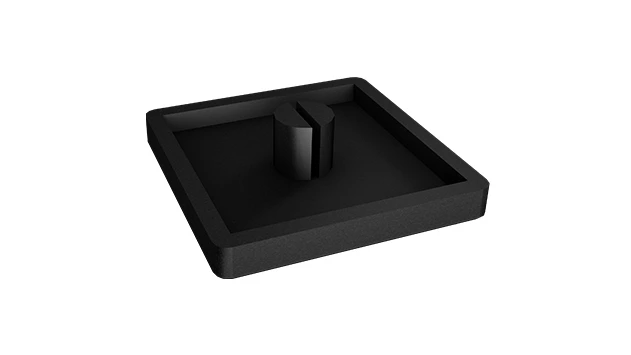
In the hum of a busy warehouse or the precision-driven floor of a manufacturing plant, there's a silent workhorse that keeps operations moving: the flow rack. These unassuming structures—with their sloped shelves and rolling tracks—are the backbone of lean systems, ensuring materials glide from storage to assembly lines with minimal fuss. But like any well-oiled machine, their performance hinges on the smallest details. Today, we're shining a light on one such detail: the 3030 aluminum profile end cap. It might seem trivial, but this tiny accessory is the unsung hero that protects workers, preserves equipment, and keeps your flow racks running like clockwork.
Flow Racks 101: The Backbone of Lean Material Handling
Before diving into end caps, let's take a step back and appreciate the star of the show: flow racks. If you've ever walked through a distribution center or a factory, you've likely seen them—rows of inclined shelves lined with roller tracks, where bins or products slide forward as items are picked from the front. They're designed on the "first in, first out" (FIFO) principle, which minimizes waste, reduces manual lifting, and cuts down on search time for workers. In short, they're the embodiment of lean system thinking: doing more with less effort.
Take, for example, a material rack b (3 row and 3 floor) —a common configuration in electronics or automotive plants. With three rows and three levels, it maximizes vertical space while keeping materials organized. Workers don't have to bend, stretch, or hunt for parts; instead, components roll gently toward them, right when they need them. But here's the thing: none of this works if the rack itself is rickety, the tracks are misaligned, or the edges are sharp enough to snag gloves (or worse, skin).
That's where the structure of the rack matters. Most modern flow racks are built using aluminum profiles—lightweight, strong, and infinitely customizable. And among these profiles, the 3030 aluminum profile is a crowd favorite. Why? Let's break it down.
3030 Aluminum Profiles: The Gold Standard for Flow Racks
Aluminum profiles have revolutionized industrial shelving and workstations, and for good reason. Unlike heavy steel or flimsy plastic, aluminum strikes the perfect balance: it's lightweight enough to assemble without heavy machinery, yet sturdy enough to support hundreds of pounds of materials. It resists rust, won't warp in humidity, and can be cut, drilled, or connected with ease using aluminum profile accessories like brackets, hinges, and connectors.
The "3030" in 3030 aluminum profile refers to its dimensions: 30mm by 30mm. This size is a sweet spot for flow racks. It's narrow enough to fit into tight warehouse layouts but wide enough to support roller track systems and multi-level shelving. Whether you're building a small parts rack for a workshop or a large-scale distribution system, 3030 profiles provide the structural integrity needed to keep everything stable—even when fully loaded with boxes, bins, or components.
But here's a little-known fact: the raw edges of aluminum profiles are sharp. When you cut an aluminum extrusion to length, the end is often rough, with burrs or jagged edges. Left unprotected, these edges can tear through gloves, scratch products, or even cause minor injuries to workers who brush against them. That's where 3030 aluminum profile end caps come in. They're not just "caps"—they're the finishing touch that turns a functional rack into a safe, efficient, and professional-grade system.

What Do 3030 Aluminum Profile End Caps Actually Do?
At first glance, an end cap might look like a simple piece of plastic or rubber that snaps onto the end of an aluminum profile. But don't let its simplicity fool you. These small accessories wear many hats, each critical to the flow rack's performance.
1. Safety First: Protecting Workers and Products
Imagine a warehouse associate rushing to grab a bin from a flow rack. Their arm brushes against the end of an exposed aluminum profile. If that edge is sharp, they could walk away with a cut or a torn sleeve. Over time, those small injuries add up—leading to downtime, frustration, and even workers' compensation claims. End caps smooth out those rough edges, turning potential hazards into harmless, rounded surfaces. They also protect the products themselves: delicate electronics, polished metal parts, or fragile packaging won't get scratched or dented when sliding past the rack's ends.
2. Structural Longevity: Preventing Debris and Damage
Aluminum profiles have hollow centers (a design that reduces weight without sacrificing strength). Without an end cap, dust, dirt, and small debris can sneak into these hollow spaces. Over months or years, that debris builds up, attracting moisture and potentially causing internal corrosion. End caps seal off the profile's ends, keeping contaminants out and extending the rack's lifespan. They also prevent accidental impacts—like a forklift bumping the rack—from deforming the profile's edges, which could throw the entire structure out of alignment.
3. Smooth Material Flow: Aiding Roller Track Performance
Most flow racks rely on roller track systems to move materials forward. These tracks consist of small wheels or rollers mounted along the shelf, allowing bins to glide with gravity. For the track to work smoothly, the underlying aluminum profile must be perfectly straight and stable. End caps play a subtle but vital role here: by securing the profile's end, they prevent flexing or warping that could cause the roller track to misalign. A warped profile might make bins get stuck halfway down the shelf—throwing off the FIFO system and slowing down production. End caps keep the profile rigid, ensuring the roller track stays level and materials flow as they should.

Choosing the Right End Cap: Materials and Designs
Not all end caps are created equal. They come in different materials, each suited to specific environments and needs. Let's break down the most common options:
| Material | Best For | Pros | Cons |
|---|---|---|---|
| Plastic (Nylon/PP) | General-purpose flow racks, dry environments | Lightweight, affordable, comes in colors (e.g., yellow for visibility) | Less durable in high-impact areas |
| Rubber | Noise-sensitive areas (e.g., offices near warehouses) | Absorbs shocks, reduces noise from sliding bins | Can degrade in extreme temperatures |
| Metal (Aluminum/Stainless Steel) | Heavy-duty racks, outdoor or wet environments | Ultra-durable, corrosion-resistant | Heavier, more expensive, may still need padding for safety |
For most indoor flow racks—like the material rack b (3 row and 3 floor) we mentioned earlier—plastic end caps are the go-to choice. They're cost-effective, easy to install, and come in standard sizes that fit 3030 profiles perfectly. Look for end caps with a snug, friction-fit design: they should snap into place without needing glue or screws, making replacement quick and hassle-free.
Rubber end caps are ideal if noise is a concern. Imagine a busy warehouse where bins slide down roller tracks all day—the clatter can add up. Rubber end caps muffle the sound of bins hitting the rack's end stops, creating a quieter workspace. Metal end caps, on the other hand, are reserved for heavy-duty setups: think outdoor storage racks, or racks holding industrial machinery parts that might scratch plastic caps.
Installing 3030 Aluminum Profile End Caps: A Step-by-Step Guide
Installing end caps is one of the easiest parts of building a flow rack—but that doesn't mean you should rush through it. A poorly installed end cap might fall off, leaving the profile exposed. Follow these steps for a secure, long-lasting fit:
1. Prepare the Profile End
First, inspect the end of the 3030 aluminum profile. If it's newly cut, it might have burrs or sharp edges. Use a deburring tool or fine-grit sandpaper to smooth these out—this ensures the end cap fits snugly and won't get damaged during installation. Wipe the end with a dry cloth to remove dust or debris.
2. Choose the Right Size
End caps are designed to fit specific profile sizes. For 3030 profiles, look for end caps labeled "30x30" or "3030." Double-check the measurements: some manufacturers make slightly larger or smaller caps, which might be too loose or too tight. A good rule of thumb: the end cap should require a gentle push to snap into place—not so loose it falls off, not so tight it cracks when installing.
3. Snap It Into Place
Hold the end cap with both hands, aligning it with the profile's end. Make sure the cap's opening is centered over the profile. Apply even pressure—pressing firmly but not forcing—until you hear a "click." This click means the cap's internal tabs have locked into the profile's grooves (if using a T-slot profile) or created a tight friction fit (if using a smooth profile). Give it a gentle tug to test: it shouldn't budge.
4. For Tighter Fits, Use a Rubber Mallet
If the end cap is stubborn, don't use a metal hammer (you might dent the aluminum). Instead, place a soft cloth over the end cap and tap it gently with a rubber mallet. The cloth protects the cap from scratches, and the mallet provides just enough force to seat it properly.
5. Inspect and Maintain
Once installed, check the end cap regularly—especially in high-traffic areas. Over time, repeated impacts (like bins sliding into the end) might loosen it. If it starts to wobble, remove it, clean the profile end, and re-install. For heavily used racks, consider replacing end caps every 1–2 years to ensure they stay effective.
Working in Harmony: End Caps and Other Aluminum Profile Accessories
Flow racks aren't just standalone structures—they're part of a larger ecosystem of industrial equipment, all built using aluminum profiles and accessories. 3030 aluminum profile end caps don't just protect the profile itself; they also play nice with other components, ensuring the entire system works seamlessly.
End Caps and Roller Track Systems
As we mentioned earlier, roller track is the beating heart of a flow rack. These tracks are mounted directly onto the aluminum profiles, using brackets or T-slot connectors. End caps sit at the end of the profile, just below the roller track. Their low-profile design ensures they don't interfere with the track's movement—bins glide right over them without catching. Some end caps even have a slight lip that acts as a gentle stop, preventing bins from sliding off the end of the rack entirely.
End Caps and Material Racks
Take the material rack b (3 row and 3 floor) —a multi-level rack with three rows of shelves. Each shelf is supported by 3030 aluminum profiles, and each profile end needs an end cap. Without them, the rack's vertical supports would have sharp edges at every level, posing a risk to workers loading or unloading materials. End caps turn those edges into safe, smooth surfaces, making the rack not just functional, but worker-friendly.
End Caps and Custom Configurations
One of the best things about aluminum profiles is their customizability. Maybe you need to add a side shelf to your flow rack, or mount a tool holder on the end. End caps won't get in the way—they're designed to sit flush with the profile, leaving the T-slots (if your profile has them) open for mounting other accessories. This means you can expand or modify your rack later without having to remove or replace the end caps.
Real-World Impact: How End Caps Improve Daily Operations
To truly appreciate end caps, let's look at a hypothetical but realistic scenario: a mid-sized electronics manufacturer using a material rack b (3 row and 3 floor) to store circuit boards and small components. Before installing end caps, workers reported frequent minor cuts on their hands from brushing against the rack's sharp profile ends. Bins sliding down the roller track would sometimes get caught on burrs, causing jams that took minutes to fix. Over a month, these delays added up to hours of lost productivity.
After switching to 3030 aluminum profile end caps, the changes were immediate. Cuts and scrapes dropped by 90%, and workers reported feeling more confident moving around the rack. The roller track jams stopped entirely, as the smooth end caps prevented bins from snagging. The plant manager even noted that the rack looked more professional—no more unsightly rough edges—and new employees found the workspace less intimidating.
Another example: a warehouse using flow racks to store fragile glassware. Without end caps, the glass boxes would sometimes brush against the profile ends, leaving small scratches on the packaging. Customers noticed, and returns increased. After installing soft rubber end caps, the scratches stopped, and customer complaints dropped. The end caps cost just a few dollars each, but they saved the warehouse thousands in returned merchandise and lost goodwill.
The Small Component That Makes a Big Difference
When we think about industrial equipment, we tend to focus on the big stuff: the heavy-duty racks, the high-tech conveyor systems, the automated picking robots. But as we've explored, it's often the smallest components that keep everything running smoothly. 3030 aluminum profile end caps might not grab headlines, but they're essential to the safety, efficiency, and longevity of flow racks.
Whether you're building a new rack from scratch or upgrading an existing system, don't overlook these humble accessories. They protect your workers, preserve your equipment, and ensure your materials flow as they should—all for a fraction of the cost of larger components. After all, in lean systems, every detail counts. And when it comes to flow racks, the end cap is one detail you can't afford to skip.
So the next time you walk past a flow rack, take a closer look at the ends of the aluminum profiles. If you see smooth, snug end caps, you'll know that someone cared enough to get the small things right—and that's the mark of a well-run operation.