- Company Articles
- Products and Technology
- Product knowledge
- 3030 Aluminum Profile End Caps for Warehouse Shelving: Load-Bearing Considerations

3030 Aluminum Profile End Caps for Warehouse Shelving: Load-Bearing Considerations
Related Product
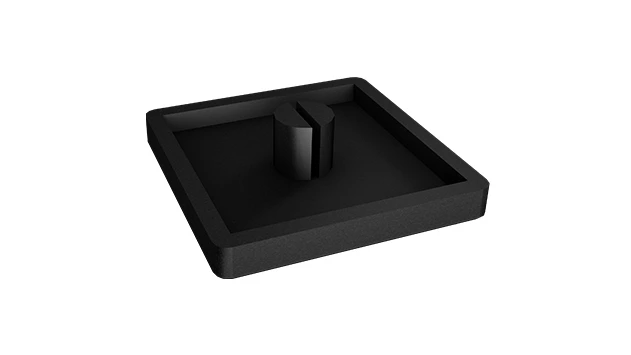
3030 Aluminum Profile End Cap
The aluminum profile end cap adds a finishing touch to your project and closes off profile ends to limit dust and debris buildup, also it can avaid some scratch for material and labor during the assemble work.
Walk into any busy warehouse, and your eyes are drawn to the towering shelves stacked with goods, the hum of forklifts, and the organized chaos of logistics in motion. What often goes unnoticed, though, are the quiet workhorses holding it all together: the aluminum profiles that form the backbone of modern shelving systems. These sleek, durable structures rely on precision engineering to handle heavy loads day in and day out—but even the strongest aluminum extrusion profile is only as reliable as its smallest components. Enter the 3030 aluminum profile end cap: a tiny accessory that plays a massive role in ensuring your warehouse shelving can bear the weight of your operations, safely and efficiently.
If you've ever wondered why some shelves sag under pressure while others stand firm, or why a seemingly minor component could make or break your storage system's load capacity, you're in the right place. In this article, we'll dive deep into the world of 3030 aluminum profile end caps, exploring how these unassuming parts impact load-bearing performance, what features to look for when choosing them, and how to install and maintain them to keep your warehouse shelving at its strongest. Whether you're a warehouse manager, a facility planner, or someone tasked with optimizing storage systems, understanding the critical link between end caps and load-bearing is key to avoiding costly downtime, product damage, or worse—safety hazards.
What Are 3030 Aluminum Profile End Caps, Anyway?
Let's start with the basics. Aluminum profiles are the building blocks of countless industrial structures, from workbenches to conveyor systems, and yes—warehouse shelving. The "3030" in 3030 aluminum profile refers to its dimensions: 30mm by 30mm, a popular size for medium-duty applications that balance strength and versatility. These profiles are typically hollow, with T-slots running along their length to accommodate accessories like brackets, connectors, and panels. But what about the ends? That's where end caps come in.
A 3030 aluminum profile end cap is a small, often plastic or metal cover designed to fit snugly over the open ends of a 3030 aluminum extrusion profile. At first glance, they might seem like little more than cosmetic add-ons—after all, they hide sharp edges and give the profile a finished look. But their purpose goes far beyond aesthetics. Think of them as the protective guardians of your profile's structural integrity. Without end caps, the exposed ends of aluminum profiles are vulnerable to damage from impacts, moisture, and debris. A dinged or bent end can weaken the profile, reducing its ability to bear weight. Worse, moisture seeping into the hollow core can cause internal corrosion, especially in humid warehouse environments, slowly eating away at the metal from the inside out.
But here's the kicker: end caps don't just protect the profile—they actively contribute to its load-bearing capacity. By reinforcing the open end of the profile, they help distribute weight more evenly along the length of the shelving. Imagine a straw: if you crush one end, it's harder to sip through because the structure is compromised. Similarly, an aluminum profile with a damaged or missing end cap can't support the same load as one with a secure, intact cap. That's why choosing the right end cap isn't just about picking something that "fits"—it's about selecting a component engineered to work with your 3030 aluminum profile to maximize strength.
The Critical Link: End Caps and Load-Bearing in Warehouse Shelving
Load-bearing is the backbone of any warehouse shelving system. Every shelf has a maximum weight it can safely hold, and exceeding that limit is a recipe for disaster—collapsed shelves, damaged inventory, and potential injuries. While most people focus on the thickness of the aluminum profile or the strength of the brackets when evaluating load capacity, the role of end caps is often underestimated. Let's break down exactly how these small components influence how much weight your shelving can handle.
1. Protecting the Profile's Structural Integrity
Aluminum extrusion profiles derive their strength from their shape. The hollow design with internal ribs (in some models) allows them to resist bending and twisting under load. But the ends of these profiles are stress points. When a shelf is loaded, weight is transferred through the profile to the supports (like uprights or legs). If the end of the profile is damaged—say, from a forklift bump or a dropped pallet—the structural integrity of the entire length is compromised. A dented end can create a weak spot where the profile is more likely to bend or crack under pressure. End caps act as a buffer, absorbing impacts and preventing damage to the profile's critical edges. By keeping the ends intact, they ensure the profile can distribute weight as intended, maintaining its rated load capacity.
2. Preventing Moisture and Debris-Related Weakness
Warehouses are dusty, damp places. Even climate-controlled facilities see their share of humidity, spills, and debris. Without end caps, the hollow interior of an aluminum profile becomes a magnet for dust, dirt, and water. Over time, dust can accumulate, adding unnecessary weight and trapping moisture. Moisture, in turn, can lead to corrosion, especially if the profile's surface finish is scratched. Corrosion weakens the metal, making it more prone to failure under load. End caps seal off the profile's ends, keeping out contaminants and preserving the metal's strength. In environments where hygiene is critical—like food storage or pharmaceutical warehouses—end caps also prevent debris from collecting inside profiles, making cleaning easier and maintaining compliance with safety standards.
3. Enhancing Connection Stability with Accessories
Warehouse shelving isn't just a collection of standalone profiles; it's a system of interconnected parts. 3030 aluminum profiles are often joined using brackets, corner codes, or gussets—all part of the broader category of aluminum profile accessories. These connections rely on the profile's T-slots for stability, but the ends of the profile can also play a role in how accessories attach. For example, some shelving designs use end-mounted brackets that fasten to the end of the profile. In these cases, a secure end cap provides a stable surface for the bracket to attach to, ensuring the connection doesn't slip or loosen under load. Even when brackets are mounted along the T-slots, a properly fitted end cap prevents the profile from flexing at the ends, which can strain connections further down the shelf.

Materials Matter: How End Cap Composition Affects Load Capacity
Not all end caps are created equal. The material they're made from has a direct impact on their durability, impact resistance, and ability to support load-bearing. Let's compare the most common materials used for 3030 aluminum profile end caps and how they stack up in real-world warehouse conditions.
| End Cap Material | Typical Load Support* | Impact Resistance | Moisture Resistance | Cost | Best For |
|---|---|---|---|---|---|
| Standard Plastic (PVC/PP) | Low to Medium (up to 50kg per profile end) | Moderate (can crack on hard impacts) | High (resists moisture, no rust) | Low | Light-duty shelving, dry environments, budget projects |
| Reinforced Nylon | Medium to High (up to 150kg per profile end) | High (flexible, resists cracking) | High (chemical-resistant) | Medium | Medium-duty shelving, humid/damp warehouses, general industrial use |
| Aluminum | High (200kg+ per profile end) | Very High (dent-resistant, no cracking) | High (corrosion-resistant with proper finish) | High | Heavy-duty shelving, high-impact areas (e.g., near loading docks), outdoor use |
*Note: Load support estimates are based on typical 3030 aluminum profiles (1.5mm wall thickness) in horizontal shelving applications. Actual capacity may vary by profile design and installation.
Standard plastic end caps (made from PVC or polypropylene) are the most affordable option. They're lightweight, easy to install, and work well in dry, low-impact environments. However, they're not ideal for heavy loads or areas where impacts are common. A stray pallet or a dropped box could crack a plastic end cap, leaving the profile end exposed. Reinforced nylon end caps are a step up. Nylon is more flexible than rigid plastic, so it can absorb impacts without cracking. It's also resistant to chemicals and moisture, making it a solid choice for most warehouse settings. For heavy-duty applications—like shelving that holds metal parts, machinery, or large quantities of inventory—aluminum end caps are the gold standard. They match the strength of the aluminum profile itself, resist dents, and can handle extreme loads without deforming.
But material alone isn't the only factor. The design of the end cap—like the presence of internal ribs, a snug fit, or a lip that locks into the profile's T-slot—also plays a role. For example, a nylon end cap with reinforced ribs might outperform a basic aluminum end cap that doesn't fit tightly. That's why it's important to look for end caps specifically engineered for 3030 aluminum profiles, not generic "one-size-fits-most" options. A proper fit ensures the end cap stays in place under load, transferring stress to the profile rather than failing itself.

Design Features That Boost Load-Bearing Performance
Now that we've covered materials, let's dive into design. Even the strongest material can underperform if the end cap's design is flawed. Here are the key features to look for when evaluating 3030 aluminum profile end caps for load-bearing:
Snug, Tight Fit
The best end caps fit like a glove. A loose end cap will rattle, shift, or even fall off under vibration (common in busy warehouses with forklift traffic). When an end cap is loose, it can't protect the profile end or distribute weight effectively. Look for end caps with a slight interference fit—meaning they're just a hair larger than the profile's inner dimensions, so they require a gentle push (or light tapping with a rubber mallet) to install. This ensures they stay in place even when the shelf is loaded or jostled. Some end caps also have small tabs or protrusions that lock into the profile's T-slots, adding an extra layer of security.
Internal Reinforcement Ribs
Flip an end cap over, and you might notice thin, raised lines on the inside—these are reinforcement ribs. Ribs add structural strength to the end cap, allowing it to resist bending when pressure is applied (like when a heavy load pushes down on the shelf). Without ribs, the end cap could flex, transferring stress to the profile end and increasing the risk of damage. More ribs generally mean better load distribution, but they shouldn't be so thick that they prevent the end cap from fitting into the profile. A well-designed rib pattern balances strength and fit.
Flared or Beveled Edges
Sharp edges on end caps are a double whammy: they're a safety hazard (think cuts from accidental contact) and they can dig into the profile end, causing stress concentrations. Look for end caps with flared or beveled edges. These smooth, rounded edges reduce the risk of injury and distribute contact pressure evenly across the profile end, avoiding localized stress that could weaken the metal over time.
Compatibility with Profile Design
Not all 3030 aluminum profiles are identical. Some have internal ribs, others are smooth-walled; some have T-slots on all four sides, others on two. End caps should be designed to match the specific profile you're using. For example, if your profile has internal ribs, the end cap should have corresponding cutouts to fit around them, ensuring full contact and maximum support. Using an end cap designed for a smooth-walled profile on a ribbed one will leave gaps, reducing its effectiveness.
Installation Do's and Don'ts for Maximum Load Support
Even the best end cap won't perform well if it's installed incorrectly. Here's how to ensure your 3030 aluminum profile end caps are set up to support maximum load-bearing:
Do: Clean the Profile End First
Before installing an end cap, wipe the inside and outside of the profile end with a clean cloth to remove dust, debris, or oil. Even a small particle can prevent the end cap from seating properly, creating a gap that weakens the connection. For extra adhesion (in non-heavy-duty applications), you can apply a tiny amount of industrial-grade adhesive to the end cap's edges—but be cautious: overdoing it can make future replacement (if needed) difficult, and some adhesives may degrade in humid environments.
Don't: Hammer End Caps with Metal Tools
If the end cap is tight (which it should be), you might need to tap it into place. But skip the steel hammer—this can crack plastic or nylon end caps or dent aluminum ones. Instead, use a rubber mallet or a block of wood (place the wood on the end cap and tap the wood gently). This distributes the force evenly, protecting the end cap from damage.
Do: Check Alignment
After installing the end cap, ensure it's flush with the profile end. A crooked end cap can create uneven pressure points, leading to premature wear. If the end cap is misaligned, gently twist or tap it into place before the shelf is loaded—once weight is applied, realigning it will be much harder.
Don't: Overlook Regular Inspections
End caps aren't "set it and forget it" components. Over time, vibration, temperature changes, and impacts can loosen them. Make end cap checks part of your regular warehouse maintenance routine—say, monthly or quarterly, depending on how busy your facility is. Look for signs of cracks, looseness, or discoloration (which could indicate chemical exposure or UV damage). replace any damaged end caps immediately—waiting until the profile end is compromised could lead to costly repairs or safety issues.
Choosing the Right End Cap for Your Warehouse's Needs
With so many options on the market, how do you pick the perfect 3030 aluminum profile end cap for your shelving? Start by answering these questions:
What's the Maximum Load Per Shelf?
Check your shelving system's load rating (provided by the manufacturer) and work backwards. If each shelf is rated to hold 500kg, and it's supported by four 3030 profiles, each profile end might need to support around 125kg. In that case, a reinforced nylon end cap (rated for up to 150kg) would be a safe bet. For heavier loads (1000kg+ per shelf), opt for aluminum end caps.
What's the Environment Like?
Is your warehouse humid? Prone to spills? Exposed to chemicals? Nylon end caps are resistant to most chemicals and moisture, making them ideal for food, beverage, or pharmaceutical warehouses. Aluminum end caps are better for outdoor use or areas with extreme temperatures (they won't warp like plastic in heat). For dry, clean environments with light loads, standard plastic end caps may suffice.
Are Impact Risks High?
If your shelving is near loading docks, in high-traffic aisles, or used to store heavy, bulky items (like automotive parts), impact resistance is key. Aluminum or reinforced nylon end caps will stand up better to bumps and drops than standard plastic.
Do You Need Compatibility with Other Aluminum Profile Accessories?
Remember, end caps are part of a larger system. If your shelving uses specialized aluminum profile accessories—like end-mounted brackets or custom connectors—ensure the end cap won't interfere with their installation. Some end caps are designed to sit slightly recessed, leaving room for accessories to attach to the profile end. Check with your aluminum profile supplier to confirm compatibility, or look for end caps from the same manufacturer as your profiles (they're often engineered to work together seamlessly).
The Bottom Line: Don't Overlook the Small Stuff
Warehouse shelving is a big investment, and its performance depends on every component—from the largest upright to the smallest end cap. 3030 aluminum profile end caps may be tiny, but they play a critical role in protecting your profiles, maintaining structural integrity, and ensuring your shelving can handle the loads you throw at it. By choosing the right material, prioritizing key design features, and installing and maintaining them properly, you can extend the life of your shelving, reduce downtime, and keep your warehouse running safely and efficiently.
So the next time you're evaluating your storage system, take a moment to look at the ends of your aluminum profiles. Are the end caps secure? Intact? Made from a material that matches your load and environment needs? If not, it might be time for an upgrade. After all, in the world of warehouse shelving, the smallest components often make the biggest difference.