- Company Articles
- Products and Technology
- Product knowledge
- 3030 Aluminum Profile End Caps in 3C Assembly Lines: Critical Uses

3030 Aluminum Profile End Caps in 3C Assembly Lines: Critical Uses
Related Product
3030 Aluminum Profile End Cap
The aluminum profile end cap adds a finishing touch to your project and closes off profile ends to limit dust and debris buildup, also it can avaid some scratch for material and labor during the assemble work.
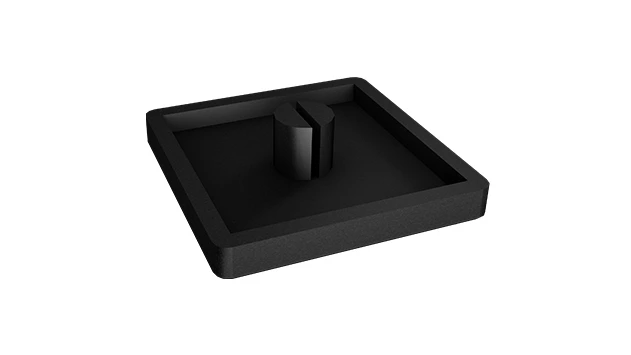
In the fast-paced world of 3C manufacturing—where "3C" stands for computers, communications, and consumer electronics—every component on the assembly line plays a role in keeping production running like a well-oiled machine. From the tiniest smartphone motherboard to the largest conveyor belt, precision, speed, and safety are non-negotiable. Yet, amid the buzz of high-tech robots and advanced machinery, some of the most critical components are the ones we barely notice. Enter the 3030 aluminum profile end cap : a small, unassuming part that quietly ensures the backbone of your assembly line—aluminum profiles—functions at its best. In this article, we'll dive into why these little caps are far more than just "add-ons," and how they keep 3C assembly lines efficient, safe, and ready to meet the demands of modern manufacturing.
The Backbone of 3C Assembly Lines: 3030 Aluminum Profiles
Before we can appreciate the end caps, we need to understand the star of the show: aluminum profiles . Specifically, 3030 aluminum profiles—named for their 30mm x 30mm cross-section—are the unsung workhorses of 3C assembly lines. Why? Let's break it down.
3C manufacturing thrives on customization. Every product, whether it's a new laptop model or a wireless earbud, requires unique workstations, material racks, and conveyor systems. Aluminum profiles, with their T-slot design, are the ultimate building blocks for this flexibility. Imagine a grown-up version of building blocks, but instead of plastic, you're working with lightweight yet durable aluminum. These profiles can be cut to length, connected with joints, and outfitted with accessories like shelves, bins, or conveyor tracks—all without welding. For 3C plants churning out hundreds of products daily, this adaptability is gold.
But 3030 profiles aren't just about flexibility. They're also about strength. In 3C assembly, workbenches hold delicate circuit boards, flow racks support heavy component bins, and conveyors move products through tight spaces. A 30mm x 30mm profile strikes the perfect balance: strong enough to handle the weight of tools and materials, yet lightweight enough to keep workstations mobile and easy to reconfigure. Plus, aluminum's resistance to corrosion means these profiles stand up to the constant cleaning and humidity common in electronics manufacturing environments.
Fun Fact: The "T-slot" in aluminum profiles isn't just a design quirk—it's a game-changer. Those slots let you slide in bolts, brackets, or accessories anywhere along the profile, turning a simple beam into a fully functional workstation in minutes. No drilling, no welding, just quick, tool-free adjustments. That's why 3030 profiles are the go-to for lean manufacturing systems.
Meet the Unsung Hero: 3030 Aluminum Profile End Caps
Now, let's zoom in on the star of our story: the 3030 aluminum profile end cap. If aluminum profiles are the bones of your assembly line, end caps are the protective caps on those bones—small, but vital for keeping everything in place and safe.
At first glance, an end cap might look like little more than a plastic or aluminum plug. And in simplest terms, that's what it is: a cover that fits snugly over the open ends of aluminum profiles. But don't let its simplicity fool you. These caps are engineered with purpose, designed to solve specific problems in 3C assembly lines that, if ignored, could grind production to a halt.
Most end caps are made from high-quality plastic (like ABS or nylon) or aluminum. Plastic end caps are lightweight, cost-effective, and often come in colors that can help with zone management (think red for "no-go" areas, blue for tool storage). Aluminum end caps, on the other hand, are tougher—ideal for high-traffic areas where the profile ends might get bumped or scraped. Both types are designed to fit 3030 profiles perfectly, with some snapping into place (no tools needed!) and others secured with small screws for extra hold.

5 Critical Functions of 3030 End Caps in 3C Assembly Lines
So, what exactly do these caps do? Let's break down their most important roles in keeping 3C manufacturing on track.
| Function | Why It Matters in 3C | Real-World Impact |
|---|---|---|
| Safety First: Eliminating Sharp Edges | Aluminum profiles are cut to length during installation, leaving raw, sharp edges. In 3C lines, technicians work inches from these profiles daily—assembling tiny components, reaching for tools, or moving products. | A single unprotected edge could snag a glove, scratch a hand, or even damage a delicate PCB. End caps smooth these edges, reducing workplace injuries and product defects. |
| Contamination Control: Sealing Out Debris | 3C manufacturing demands clean environments. Dust, metal shavings, or even small screws can ruin a circuit board or jam moving parts. | Open profile ends act like mini vacuum cleaners, collecting debris over time. End caps seal these openings, keeping T-slots and internal channels clean and debris-free. |
| Structural Integrity: Reinforcing Profile Ends | Profiles are often cut to custom lengths, weakening the end structure. In high-stress areas (like conveyor supports), this can lead to bending or warping. | End caps add rigidity to the cut ends, distributing weight evenly and preventing the profile from deforming under load—critical for maintaining alignment in precision tasks. |
| Aesthetics and Branding: A Polished Look | Modern 3C plants aren't just factories—they're often visited by clients or audited for quality. A messy, unfinished line can signal poor attention to detail. | End caps give profiles a clean, professional finish. Some manufacturers even customize caps with logos or colors, aligning with brand standards. |
| Longevity: Protecting Against Wear and Tear | Profile ends are prone to dents, scratches, or corrosion from frequent handling (e.g., moving a workbench or adjusting a flow rack). | End caps act as a barrier, absorbing impacts and shielding the aluminum from moisture or chemicals—extending the life of your profiles and reducing replacement costs. |
A Day in the Life: How End Caps Keep the Line Moving
Let's put this into context with a scenario you might see in any 3C plant. Picture a smartphone assembly line. At Station A, a technician sits at a workbench assembling camera modules. The workbench is built from 3030 aluminum profiles, with a (anti-static) mat on top to protect sensitive components. Under the bench, a flow rack holds bins of screws, lenses, and adhesives—also made from 3030 profiles. Nearby, a conveyor belt (you guessed it, supported by aluminum profiles) moves partially assembled phones to the next station.
Now, imagine if the end caps were missing from the workbench legs. Every time the technician stretches to grab a tool, their arm brushes against a sharp profile edge—ouch! Over time, that edge might even fray their anti-static sleeve, reducing its effectiveness. On the flow rack, open profile ends collect dust, which eventually falls into the component bins. A speck of dust on a camera lens? That's a defective product. And on the conveyor supports, without end caps, the cut profile ends start to bend under the weight of the belt, misaligning the track and causing phones to jam. Suddenly, that "small" missing cap is costing time, money, and quality.
With end caps in place, though? The workbench edges are smooth, the flow rack stays clean, and the conveyor runs like clockwork. It's not glamorous, but it's essential.

Types of 3030 Aluminum Profile End Caps: One Size Doesn't Fit All
Not all end caps are created equal. Just as 3C assembly lines have diverse needs, end caps come in different styles to match. Let's explore the most common types and when to use them.
Snap-On End Caps: Quick and Easy
Snap-on caps are the "no-fuss" option. Made from flexible plastic (like polypropylene), they're designed to pop into place with a simple press. No screws, no tools—just align and push. These are perfect for low-stress applications, like material rack B (3 row and 3 floor) or lightweight workbenches. They're also great for lines that need frequent reconfiguration, as they can be removed and reused in seconds.
Screw-Fixed End Caps: For Heavy-Duty Use
When you need extra security—think conveyor supports or workbenches holding heavy equipment—screw-fixed end caps are the way to go. These caps have pre-drilled holes that align with the profile's T-slots, allowing you to secure them with small screws. They're more time-consuming to install, but they won't pop off under vibration or heavy load. In 3C lines with high-speed conveyors, this reliability is non-negotiable.
ESD-Safe End Caps: Protecting Sensitive Electronics
Electrostatic discharge (ESD) is the enemy of 3C manufacturing. A single static spark can fry a microchip, rendering an entire product useless. ESD-safe end caps are made from conductive materials that dissipate static, ensuring the aluminum profile (which can conduct electricity) doesn't become a source of ESD damage. These are a must for workstations handling PCBs, semiconductors, or any component sensitive to static.
Colored End Caps: Zone Management and Branding
In large 3C plants, keeping track of work zones (e.g., "inspection," "assembly," "packaging") can be chaotic. Colored end caps solve this by visually coding profiles. For example, yellow caps might mark assembly zones, while red caps indicate restricted areas. Some suppliers even offer custom colors to match company branding—small touches that make a big difference in organization.
Installation Tips: Getting the Most Out of Your End Caps
Even the best end caps won't perform if they're installed incorrectly. Here are some pro tips to ensure your caps do their job:
- Measure Twice, Cut Once (and Deburr!): Before installing caps, make sure profile ends are clean and smooth. Use a deburring tool to remove sharp edges—this ensures the cap fits snugly and reduces wear on the cap itself.
- Choose the Right Fit: Not all 3030 profiles are identical. Some have slightly different slot designs or wall thicknesses. Check with your aluminum profile supplier to ensure caps are compatible with your specific profiles.
- Don't Over-Tighten Screw-Fixed Caps: Snug is good; stripping the T-slot is bad. Use a torque driver to avoid damaging the profile or cap.
- Inspect Regularly: End caps can loosen over time, especially in high-vibration areas like near conveyor motors. Add a quick check to your line maintenance routine—tighten or replace caps as needed.
- Stock Spares: A missing cap is a safety hazard. Keep a small inventory of caps on hand for quick replacements. Trust us, you'll thank yourself during a production crunch.
Case Study: How End Caps Solved a 3C Plant's Big Problem
Let's put theory into practice with a real-world example (names changed for privacy). A mid-sized 3C manufacturer in Guangdong was struggling with frequent jams on their roller track conveyor system. The line was supposed to move PCB assemblies from soldering to inspection, but 2-3 times a day, a board would get stuck, halting production for 10-15 minutes each time. The maintenance team checked the rollers, adjusted the track alignment, and even replaced the conveyor belt—nothing worked.
Finally, a sharp-eyed technician noticed something: the aluminum profiles supporting the roller track had raw, uneven ends. Over time, these ends had bent slightly under the conveyor's weight, causing the track to tilt ever so slightly. When a PCB hit that tilt, it caught on the roller, jamming the line. The solution? Installing screw-fixed 3030 end caps on all support profiles. The caps reinforced the ends, straightening the track and eliminating the tilt. Result? Zero jams in the next month, saving the plant over 40 hours of downtime.
Moral of the story: Sometimes, the smallest component is the key to solving the biggest problem.
Looking Ahead: The Future of End Caps in 3C Manufacturing
As 3C manufacturing evolves—with trends like automation, IoT integration, and "lights-out" factories—end caps are evolving too. Here's what we might see next:
Smart End Caps: Imagine caps with built-in sensors that monitor temperature, vibration, or even profile stress. These could send alerts to maintenance teams before a profile fails, preventing downtime.
Eco-Friendly Materials: With sustainability becoming a priority, suppliers are experimenting with recycled plastics or biodegradable materials for end caps—without sacrificing durability.
Integrated Design: Future caps might combine functions, like built-in cable management or ESD monitoring, reducing the need for extra accessories.
Conclusion: Small Part, Big Impact
In the high-stakes world of 3C manufacturing, every detail counts. The 3030 aluminum profile end cap may not grab headlines, but it's a critical player in keeping assembly lines safe, efficient, and ready to adapt. From preventing injuries to protecting delicate electronics, these small caps prove that "big things come in small packages." So the next time you walk through your plant, take a second look at those aluminum profiles—and give a little nod to the end caps holding it all together.
After all, in manufacturing, the difference between good and great often lies in the details. And when it comes to details, 3030 aluminum profile end caps are where it's at.