- Company Articles
- Products and Technology
- Product knowledge
- 3030 Aluminum Profile End Caps in Automotive Manufacturing Workstations

3030 Aluminum Profile End Caps in Automotive Manufacturing Workstations
Related Product
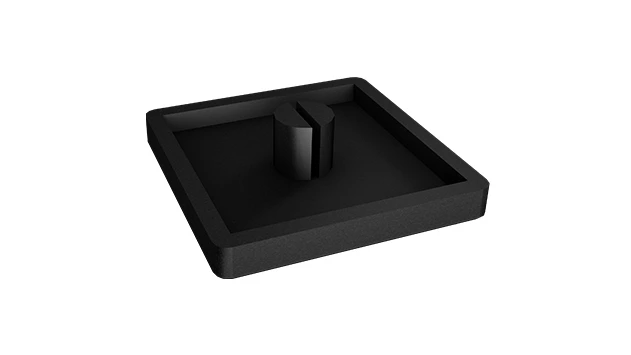
3030 Aluminum Profile End Cap
The aluminum profile end cap adds a finishing touch to your project and closes off profile ends to limit dust and debris buildup, also it can avaid some scratch for material and labor during the assemble work.
Walk into any modern automotive manufacturing plant, and you'll be struck by the rhythm of precision: robots whirring, conveyor belts humming, and workers moving with focused intent. But amid all this motion, there's a silent backbone holding everything together: the workstations. These aren't just tables or shelves—they're the command centers where parts are sorted, tools are organized, and the final touches are put on components that will eventually roll off the assembly line. And if you look closely, you'll notice something small but mighty making these workstations safer, more efficient, and more durable: 3030 aluminum profile end caps. Let's dive into why these unassuming accessories matter, and how they're shaping the future of automotive manufacturing.
Workstations: Where the Rubber Meets the Road in Automotive Production
Think about an automotive assembly line. Every second counts, and every mistake can be costly. Workers spend hours at their workstations, reaching for wrenches, placing screws, or inspecting delicate parts. If the workstation isn't up to par—if it's wobbly, cluttered, or uncomfortable—productivity dips, errors rise, and even safety risks increase. That's why today's manufacturers don't just "set up a table" and call it a day. They invest in lean systems: flexible, ergonomic workstations designed to minimize waste, maximize efficiency, and adapt to changing production needs.
At the heart of these lean systems? Aluminum profiles. Lightweight yet surprisingly strong, aluminum profiles (think of them as modular metal rails with T-shaped slots) have revolutionized workstation design. They're easy to assemble, reconfigure, and customize—no welding required. Need to add a shelf? Screw on a bracket. Want to adjust the height? Swap out a section. This flexibility is a game-changer in automotive manufacturing, where production lines often shift to accommodate new models or updated components.
Why 3030 Aluminum Profiles? The Goldilocks of Workstation Design
Aluminum profiles come in all shapes and sizes, from slim 2020 profiles (20mm x 20mm) for light-duty tasks to beefy 4080 profiles (40mm x 80mm) for heavy loads. But the 3030 aluminum profile has emerged as the "Goldilocks" of the bunch: not too small, not too large, but just right for most automotive workstation needs. At 30mm x 30mm, it strikes the perfect balance between strength and versatility. It can support tools, bins of parts, and even small assembly jigs without flexing, yet it's lightweight enough to reconfigure when production needs change. Whether it's a workbench for assembling dashboard components or a material rack for storing screws and bolts, 3030 profiles are the go-to choice for manufacturers aiming to build lean, adaptable workspaces.
But here's the thing: even the best aluminum profile is only as good as the accessories that complete it. And that's where 3030 aluminum profile end caps step in.

The Unsung Hero: What Are 3030 Aluminum Profile End Caps?
Let's keep it simple: 3030 aluminum profile end caps are small, often plastic or aluminum covers that snap or screw onto the exposed ends of 3030 aluminum profiles. At first glance, they might seem like an afterthought—a "nice-to-have" rather than a "need-to-have." But ask anyone who works at a workstation without them, and you'll get an earful. Without end caps, the raw ends of aluminum profiles are sharp, prone to collecting dust and debris, and even a little unsightly. Over time, those sharp edges can snag gloves, scratch arms, or damage delicate parts placed nearby. In a high-speed environment, those small annoyances add up: a worker pauses to brush dust out of a profile slot, a part gets nicked by an exposed edge, or someone winces after grazing a sharp corner. Suddenly, that "afterthought" becomes a critical detail.
Take Maria, for example. She's a line worker at a mid-sized automotive plant, responsible for installing wiring harnesses into door panels. Her workstation, built with 3030 aluminum profiles, holds her tools, a bin of connectors, and a small light. A few months ago, the end caps on her workstation's side rails came loose and fell off. At first, she didn't think much of it—until she reached across for a connector and scraped her forearm on the exposed profile end. It wasn't a serious cut, but it stung, and for the rest of the day, she found herself being extra cautious around that edge. "It's like walking around a room with a loose nail in the wall," she told me. "You don't notice it until you bump into it, and then it's all you can think about." Once the maintenance team replaced the end caps, she said, "It was like a weight lifted. I could focus on my work again, not on avoiding sharp edges."

Beyond Safety: The Hidden Benefits of End Caps
Safety is the most obvious benefit of 3030 aluminum profile end caps, but it's far from the only one. Let's break down how these tiny accessories make a big difference:
- Debris Defense: Aluminum profiles have T-slots—those handy grooves that let you attach brackets, shelves, or accessories. But without end caps, dust, metal shavings, and even small screws can fall into the open ends of the profiles. Over time, this gunk builds up, making it harder to slide accessories into the T-slots or adjust existing components. End caps seal off those ends, keeping the slots clean and functional.
- Durability Boost: Exposed profile ends are vulnerable to dents and dings, especially in busy work areas where carts or tools might bump into them. A solid end cap acts as a buffer, absorbing minor impacts and protecting the profile's structural integrity. This might not seem like a big deal day-to-day, but over the years, it extends the life of the workstation—saving manufacturers from costly replacements.
- Aesthetic Appeal: Let's be honest: a workstation with ragged, exposed profile ends looks unfinished. In a industry that prides itself on precision and quality, appearance matters. End caps give workstations a polished, professional look, which might seem trivial, but it sends a message to workers and visitors alike: "We care about the details."
- Noise Reduction: Ever heard the sound of a metal bracket sliding into an aluminum profile with a dusty, debris-filled slot? It's a (cì'ěr—sharp, grating) noise that can disrupt concentration. End caps keep slots clean, so adjustments are smoother and quieter—another small win for workplace harmony.
Choosing the Right 3030 End Cap: Material, Design, and More
Not all end caps are created equal. When selecting 3030 aluminum profile end caps, manufacturers and facility managers need to consider a few key factors. Let's break them down:
Material Matters: Plastic vs. Aluminum
Most 3030 end caps are made of either plastic (usually nylon or polypropylene) or aluminum. Plastic end caps are lightweight, affordable, and come in a range of colors (think black, gray, or even custom hues to match a company's branding). They're also non-conductive, which is a plus in workstations near electrical components. Aluminum end caps, on the other hand, are more durable and blend seamlessly with the profile itself, giving the workstation a sleek, uniform look. They're a better choice for heavy-duty environments where the end caps might take frequent impacts, like workstations near conveyor belts or robotic arms.
Design: Snap-On, Press-Fit, or Screw-On?
Installation style is another consideration. Snap-on end caps are the easiest: they simply click into place, requiring no tools. They're great for workstations that need frequent reconfiguration, as they can be removed and reattached in seconds. Press-fit end caps are similar but require a bit more force to install, creating a tighter seal—ideal for workstations in dusty or high-moisture areas. Screw-on end caps, as the name suggests, use small screws to secure them to the profile. They're the most secure option, making them perfect for heavy-load workstations where vibration might loosen snap-on caps.
Specialty End Caps for Unique Needs
Some workstations have unique requirements, and end caps have evolved to meet them. For example, ESD (Electrostatic Discharge) workstations—used for assembling sensitive electronics like airbag sensors—need end caps that dissipate static electricity. These are often made of conductive plastic or aluminum. There are also end caps with built-in cable management holes, allowing wires to pass through the profile without being pinched, and domed end caps (instead of flat) for extra protection against snags.
3030 End Caps vs. Other Sizes: How Do They Compare?
To truly appreciate 3030 aluminum profile end caps, it helps to see how they stack up against end caps for other common profile sizes. Let's take a look at a quick comparison:
| Profile Size | End Cap Dimensions (mm) | Typical Material | Common Applications | Key Advantage |
|---|---|---|---|---|
| 2020 Aluminum Profile | 20x20 | Nylon plastic | Light-duty shelves, small tool holders | Ultra-lightweight, ideal for tight spaces |
| 3030 Aluminum Profile | 30x30 | Nylon plastic or aluminum | Workbenches, material racks, assembly stations | Balanced strength and flexibility for most tasks |
| 4040 Aluminum Profile | 40x40 | Aluminum or reinforced plastic | Heavy-duty workstations, conveyor supports | High load capacity (up to 500kg per meter) |
As you can see, 3030 end caps hit that sweet spot: versatile enough for most automotive workstation needs without being overkill. They're the "everyday hero" of the end cap world.
The Impact of End Caps on Lean Manufacturing
Lean manufacturing is all about eliminating waste—whether it's time, materials, or effort. At first glance, end caps might seem too small to contribute to lean goals, but that couldn't be further from the truth. Here's how they fit in:
First, they reduce downtime. A workstation with clean, functional T-slots (thanks to end caps) means workers spend less time fighting stuck brackets or cleaning out debris. Second, they extend the life of workstations, reducing the need for frequent replacements—a win for cost control. Third, they enhance safety, which in turn reduces absenteeism and workers' compensation claims. And finally, they support flexibility: when a workstation needs to be reconfigured (a core lean principle), end caps make it easier to disassemble and reassemble components without damaging the profiles. In short, 3030 aluminum profile end caps are a tiny investment that delivers big returns in lean efficiency.
Real-World Results: A Case Study
Let's look at a real example of how 3030 end caps made a difference. A mid-sized automotive parts manufacturer in Michigan was struggling with high turnover on its assembly line. Exit interviews revealed that workers found the workstations "uncomfortable" and "frustrating to use." A quick audit showed that many workstations, built with 3030 aluminum profiles, were missing end caps—leading to sharp edges, dusty slots, and frequent tool jams. The plant manager decided to invest in snap-on nylon end caps for all 3030 profiles, along with a few other ergonomic upgrades.
Six months later, the results were clear: worker complaints about workstation issues dropped by 75%, and assembly line efficiency (measured by parts per hour) increased by 12%. One worker summed it up: "It's the little things, you know? Not worrying about scraping my arm or fighting with a stuck tool—now I can just focus on getting the job done." That's the power of paying attention to details like end caps.
Choosing a Supplier: What to Look For
When sourcing 3030 aluminum profile end caps, partnering with the right supplier is key. Look for a supplier that specializes in aluminum profile accessories—they'll have the expertise to recommend the best end caps for your specific needs. Ask about material quality (e.g., "Is the nylon UV-resistant for workstations near windows?"), customization options (e.g., "Can we get end caps in our company color?"), and lead times (critical for keeping production lines running). A good supplier will also offer samples, so you can test the end caps in your facility before placing a large order.
The Bottom Line: Small Parts, Big Impact
In the grand scheme of automotive manufacturing, 3030 aluminum profile end caps might seem (wēibùzúdào—insignificant). But as we've explored, they play a vital role in keeping workstations safe, efficient, and durable. They're a testament to the idea that great manufacturing isn't just about big machines and high-tech robots—it's about the small details that make a worker's day smoother, safer, and more productive. So the next time you walk through an automotive plant, take a second to notice those little caps on the ends of the aluminum profiles. They might not be glamorous, but they're quietly helping build the cars of tomorrow—one precise, pain-free workstation at a time.