- Company Articles
- Products and Technology
- Product knowledge
- 3030 Aluminum Profile End Caps in Cleanrooms: Antimicrobial Properties

3030 Aluminum Profile End Caps in Cleanrooms: Antimicrobial Properties
Related Product
3030 Aluminum Profile End Cap
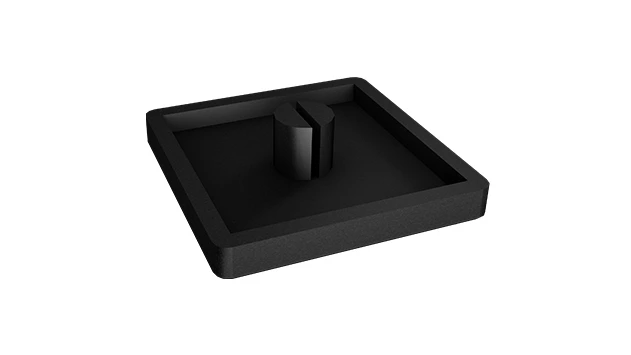
The aluminum profile end cap adds a finishing touch to your project and closes off profile ends to limit dust and debris buildup, also it can avaid some scratch for material and labor during the assemble work.
Walk into any modern cleanroom—whether it's a pharmaceutical manufacturing plant, a semiconductor fabrication lab, or a medical device assembly facility—and you'll notice something subtle but critical: the infrastructure. From workbenches to material racks, every surface, joint, and component is designed with one goal in mind: to keep contamination at bay. In these environments, even a single dust particle or microbe can compromise product quality, delay production, or worse, endanger patient lives. That's why choosing the right materials isn't just a matter of cost or durability—it's a matter of safety. Today, we're diving deep into one unsung hero of cleanroom design: the 3030 aluminum profile end cap. Specifically, we'll explore how its antimicrobial properties are transforming contamination control, and why it's becoming a non-negotiable for industries where precision and purity are everything.
1. The Invisible Battle: Why Cleanrooms Can't Afford to Overlook Microbial Contamination
Cleanrooms are classified by the number of particles allowed per cubic meter of air. For example, an ISO 5 cleanroom (once called Class 100) permits no more than 3,520 particles of 0.5μm or larger—compare that to the average office, which can have millions of particles per cubic meter. But particles are just part of the story. Microbes—bacteria, fungi, viruses—pose an even greater threat. A single Staphylococcus aureus bacterium, left unchecked, can multiply to over a million in just 24 hours. In pharmaceuticals, this could lead to contaminated drugs; in electronics, it could cause microchip failures; in medical devices, it could result in life-threatening infections.
The challenge? Microbes love to hide. They thrive in tiny crevices, on rough surfaces, and in areas that are hard to clean. Traditional building materials—like wood or untreated steel—are porous, creating ideal breeding grounds. Even some plastics, if not properly treated, can develop biofilms (sticky layers of microbes) that resist standard cleaning protocols. This is where aluminum has long been a favorite: its non-porous surface and resistance to corrosion make it easier to sanitize. But aluminum alone isn't enough. Enter the 3030 aluminum profile end cap—a small component with a big job.
2. Aluminum Extrusion Profiles: The Backbone of Cleanroom Design
Before we talk about end caps, let's take a step back and understand the role of aluminum extrusion profiles in cleanrooms. Aluminum extrusion is a process where heated aluminum is pushed through a die to create custom cross-sectional shapes—think of it like squeezing toothpaste through a tube, but with industrial precision. The result? Lightweight, high-strength profiles that can be tailored to almost any design need. In cleanrooms, these profiles form the skeleton of workstations, shelving, partition walls, and material handling systems.
Why aluminum? For starters, it's naturally resistant to rust and corrosion, which means it won't degrade when exposed to harsh cleaning agents like hydrogen peroxide or isopropyl alcohol—common in cleanroom sanitization. It's also non-magnetic, making it safe for electronics manufacturing, and its smooth, non-porous surface leaves nowhere for microbes to hide. Unlike steel, which is heavy and prone to scratching, aluminum is easy to install and reconfigure, a boon for facilities that need to adapt to changing production lines.
Among the most popular profiles in cleanrooms is the 3030 aluminum extrusion profile. Named for its 30mm x 30mm cross-section, it's versatile enough to build everything from lightweight workbenches to sturdy material racks. But here's the thing: aluminum profiles, by design, have open ends. These open ends can trap dust, moisture, and microbes—exactly what cleanrooms are trying to eliminate. That's where end caps come in.

3. What Is a 3030 Aluminum Profile End Cap, and Why Does It Matter?
If aluminum extrusion profiles are the bones of cleanroom infrastructure, then aluminum profile accessories are the connective tissue. These include brackets, connectors, hinges, and yes—end caps. A 3030 aluminum profile end cap is a small, often plastic or rubber component designed to seal the open ends of 30mm x 30mm aluminum profiles. At first glance, it might seem like a trivial add-on, but its role is anything but minor.
Let's break down its functions: First, it seals the profile. Without an end cap, the hollow interior of the aluminum profile becomes a collecting ground for dust, lint, and even spilled liquids. Over time, these contaminants can be dislodged, floating into the air and landing on sensitive products. Second, it protects workers. Raw aluminum ends can be sharp, posing a cut risk during installation or maintenance. End caps soften these edges, making the workspace safer. Third, it improves aesthetics. Cleanrooms are often designed to be visually sterile—no exposed edges, no clutter—and end caps give profiles a finished, professional look.
But standard end caps, made from basic plastic or rubber, have a limitation: they don't actively fight microbes. They might be easy to clean, but they don't prevent microbes from attaching to their surface in the first place. In high-stakes environments, this passivity isn't enough. That's why antimicrobial 3030 aluminum profile end caps are gaining traction.

4. Antimicrobial Properties: How End Caps Go From Passive to Protective
Antimicrobial technology isn't new, but its application in aluminum profile accessories is a game-changer. So, what makes an end cap "antimicrobial"? It all comes down to additives in the material. Most antimicrobial end caps are made from plastic (like polypropylene or ABS) infused with agents such as silver ions, copper compounds, or zinc pyrithione. These agents work by disrupting microbial cell membranes, inhibiting enzyme activity, or interfering with DNA replication—effectively killing microbes or preventing them from multiplying.
Silver ions, in particular, are a popular choice. Silver has been used for centuries to fight infection (think ancient Greek soldiers using silver vessels to store water). Modern technology has refined this: microscopic silver particles are embedded into the end cap's material during manufacturing, creating a "slow-release" effect. As microbes come into contact with the surface, the silver ions target their cell walls, causing them to leak and die. Unlike chemical disinfectants, which wear off after cleaning, these ions remain active for the end cap's lifespan—providing 24/7 protection.
But how effective is this technology? Let's look at the data. Independent lab tests, conducted according to standards like ISO 22196 (which measures antimicrobial activity on plastic surfaces), have shown that antimicrobial 3030 aluminum profile end caps can reduce bacterial growth by over 99.9% within 24 hours compared to standard end caps. For example, Escherichia coli (a common gut bacterium that can cause contamination in food and pharmaceuticals) is reduced from 10^6 colony-forming units (CFUs) to fewer than 10 CFUs on an antimicrobial surface. Staphylococcus aureus, a leading cause of hospital-acquired infections, fares even worse, with reductions of 99.99% reported in some studies.
Real-World Impact: A Case Study in Pharmaceutical Manufacturing
To understand why this matters, let's consider a real scenario. A mid-sized pharmaceutical company was struggling with recurring microbial contamination in their ISO 7 cleanroom, where they manufactured oral antibiotics. Despite rigorous cleaning schedules—daily wipe-downs with quaternary ammonium compounds and weekly fogging with hydrogen peroxide—they kept finding low levels of Pseudomonas aeruginosa in environmental swabs. The source? After months of investigation, their team traced it to the open ends of aluminum profiles used in their material storage racks. The standard plastic end caps they were using had developed tiny cracks, allowing moisture and microbes to accumulate. Worse, the smooth plastic surface made it easy for biofilms to form, which even strong disinfectants couldn't penetrate.
The solution? Switching to antimicrobial 3030 aluminum profile end caps. Within three months, environmental swabs showed a 98% reduction in Pseudomonas counts. The plant manager noted, "We'd tried everything—changing cleaning agents, increasing sanitization frequency, even replacing entire racks. The end caps were the missing piece. They're low-cost, easy to install, and they keep working even between cleanings." This isn't an isolated case. From semiconductor fabs in Taiwan to medical device plants in Germany, antimicrobial end caps are becoming a staple in cleanroom upgrades.
5. Beyond Antimicrobial: What to Look for in a High-Quality 3030 Aluminum Profile End Cap
Antimicrobial properties are a key feature, but they're not the only thing to consider when choosing a 3030 aluminum profile end cap. Cleanrooms have unique demands, and the best end caps are designed to meet them all. Let's break down the must-have qualities:
- Material Compatibility: The end cap should be made from a material that can withstand cleanroom cleaning agents. Look for options labeled "chemical resistant" to ensure they won't degrade when exposed to alcohols, peroxides, or bleach.
- Snug Fit: A loose end cap is worse than no end cap—it can fall off during cleaning or vibration, leaving the profile open. High-quality end caps are precision-molded to fit 3030 profiles exactly, with a slight interference fit that holds them in place without glue (which can outgas harmful chemicals).
- Non-Outgassing: In sensitive environments like semiconductor manufacturing, even trace amounts of volatile organic compounds (VOCs) can damage products. Choose end caps made from low-outgassing materials, certified to standards like NASA SP-R-0022A.
- Color Options: While not a functional feature, color can aid in cleanroom organization. For example, yellow end caps might mark "clean" zones, while blue marks "contaminated" zones, reducing human error during material handling.
To help visualize the difference between standard and antimicrobial end caps, let's compare them side by side:
| Feature | Standard 3030 Aluminum Profile End Cap | Antimicrobial 3030 Aluminum Profile End Cap |
|---|---|---|
| Material | Basic polypropylene or rubber | Polypropylene with silver ion infusion |
| Antimicrobial Efficacy (ISO 22196) | No active protection; microbes can grow on surface | ≥99.9% reduction in E. coli and S. aureus within 24 hours |
| Resistance to Cleaning Agents | Limited; may degrade with frequent exposure to strong chemicals | High; designed to withstand daily sanitization with peroxides, alcohols, etc. |
| Biofilm Prevention | Poor; smooth surface allows biofilm formation | Excellent; antimicrobial agents disrupt biofilm development |
| Lifespan in Cleanrooms | 6–12 months (prone to cracking from cleaning) | 2–3 years (durable material + resistance to chemical wear) |
| Cost (Per Unit) | $0.50–$1.00 | $1.20–$2.00 (higher upfront, but lower long-term due to longer lifespan and reduced contamination risks) |
6. Installation and Maintenance: Keeping Antimicrobial End Caps Working Their Best
Even the best antimicrobial end caps won't perform if they're installed or maintained improperly. Here's a step-by-step guide to getting the most out of your investment:
Installation: Simple, But Precise
Installing a 3030 aluminum profile end cap is straightforward, but attention to detail matters:
- Prep the Profile: Before installing, clean the open end of the aluminum profile with isopropyl alcohol to remove dust, oil, or debris. This ensures a tight fit and prevents contaminants from being trapped inside.
- Align and Press: Hold the end cap perpendicular to the profile, ensuring the tabs (if present) align with the profile's T-slots. Gently press the end cap into place using even pressure—you should feel a slight "pop" when it seats correctly. Avoid using tools like hammers, which can crack the end cap or damage the profile.
- Test for Fit: After installation, tug lightly on the end cap to ensure it doesn't come loose. If it wiggles, remove it, check for debris, and re-install.
Maintenance: Extending Lifespan and Efficacy
Antimicrobial end caps are low-maintenance, but a few simple steps will keep them working for years:
- Regular Inspection: During weekly cleanroom checks, visually inspect end caps for cracks, discoloration, or looseness. replace any that show signs of wear—even small cracks can compromise antimicrobial protection.
- Avoid Abrasive Cleaners: While antimicrobial end caps are chemical-resistant, abrasive pads or brushes can scratch the surface, reducing antimicrobial efficacy. Stick to soft microfiber cloths for cleaning.
- replace Proactively: Even with proper care, end caps will eventually wear out. Plan to replace them every 2–3 years, or sooner if your cleanroom has high traffic or frequent reconfigurations.
7. Choosing the Right Supplier: Why Not All Aluminum Profile Accessories Are Created Equal
With the demand for antimicrobial 3030 aluminum profile end caps growing, it's no surprise that dozens of suppliers now offer "antimicrobial" options. But not all are created equal. Some cut corners by using low-quality additives or skipping third-party testing, resulting in end caps that claim to be antimicrobial but fail to deliver. So, how do you separate the reputable suppliers from the rest?
First, look for suppliers that provide third-party certification. A valid ISO 22196 test report, conducted by an accredited lab, should show concrete data on microbial reduction. Avoid suppliers that only provide "in-house" test results—these are often biased or incomplete. Second, ask about their manufacturing process. Reputable suppliers will be transparent about how they infuse antimicrobial agents (e.g., during extrusion vs. post-production coating) and can explain why their method ensures long-term efficacy. Finally, consider their experience in cleanroom applications. A supplier that specializes in aluminum profile accessories for automotive manufacturing might not understand the unique needs of ISO 5 cleanrooms.
8. The Future of Cleanroom Materials: What's Next for Antimicrobial Technology?
As cleanroom standards become stricter (ISO 1 cleanrooms, for example, allow just 10 particles of 0.1μm per cubic meter), the demand for advanced materials will only grow. So, what's on the horizon for antimicrobial 3030 aluminum profile end caps? Researchers are exploring nanotechnology-based additives, where carbon nanotubes or graphene are combined with silver ions to create surfaces that not only kill microbes but also repel them (a "self-cleaning" effect). Others are experimenting with photodynamic therapy: end caps infused with light-activated compounds that, when exposed to UV-C light (common in cleanroom disinfection), produce reactive oxygen species to destroy biofilms.
Sustainability is also a trend. Many manufacturers are now offering end caps made from recycled plastics, infused with antimicrobial agents derived from natural sources (like chitosan, a compound found in crustacean shells). These "green" options reduce environmental impact without sacrificing performance.
Conclusion: Small Component, Big Impact
In the grand scheme of cleanroom design, the 3030 aluminum profile end cap might seem insignificant. But as we've explored, its role in preventing microbial contamination is anything but small. By combining the inherent benefits of aluminum extrusion profiles with advanced antimicrobial technology, these little caps are helping industries around the world produce safer, more reliable products. Whether you're building a new cleanroom or upgrading an existing one, don't overlook the details. After all, in the fight against contamination, sometimes the smallest components make the biggest difference.
So, the next time you walk through a cleanroom, take a moment to look at those aluminum profiles. The end caps might be out of sight, but their impact is everywhere—keeping products pure, patients safe, and industries moving forward. And that's a story worth telling.