- Company Articles
- Products and Technology
- Product knowledge
- 3030 Aluminum Profile End Caps in Flexible Production Lines: Adaptability Features

3030 Aluminum Profile End Caps in Flexible Production Lines: Adaptability Features
Related Product
3030 Aluminum Profile End Cap
The aluminum profile end cap adds a finishing touch to your project and closes off profile ends to limit dust and debris buildup, also it can avaid some scratch for material and labor during the assemble work.
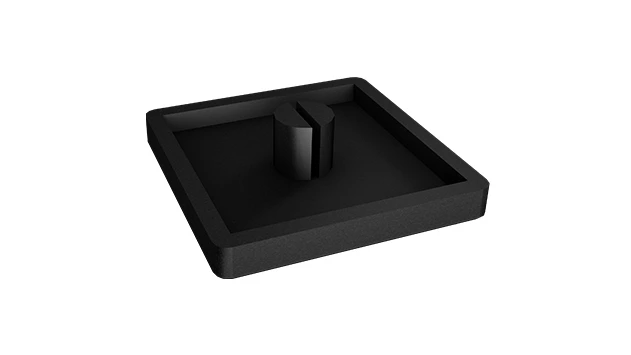
Walk into any modern manufacturing facility today, and you'll notice a common theme: workspaces that adapt as quickly as production needs change. From electronics assembly lines that switch between smartphone models overnight to automotive plants reconfiguring workbenches for new vehicle parts, flexibility has become the name of the game. At the heart of this flexibility lies a network of modular components, and among the unsung heroes of this ecosystem are aluminum extrusion profiles. But even the sturdiest profiles need protection, and that's where aluminum profile end caps—specifically the 3030 aluminum profile end cap—step in. These small, unassuming parts play a critical role in keeping production lines running smoothly, safely, and efficiently. In this article, we'll explore how 3030 aluminum profile end caps enhance adaptability in flexible production lines, diving into their key features, real-world applications, and why they've become a staple for manufacturers worldwide.
The Rise of Flexible Production: Why Modularity Matters
Manufacturing isn't what it used to be. Gone are the days of rigid, one-size-fits-all assembly lines designed to churn out the same product for years. Today's consumers demand customization, and competitors race to deliver new features faster than ever. This shift has pushed factories to embrace "flexible production"—systems that can be reconfigured, expanded, or repurposed with minimal downtime. At the core of this flexibility are modular components: parts that can be easily connected, disconnected, and rearranged without specialized tools or extensive training.
Aluminum extrusion profiles are the backbone of these modular systems. Lightweight yet surprisingly strong, these profiles (think of them as pre-shaped aluminum beams with grooves, or "t-slots") can be cut to length, joined with brackets, and outfitted with accessories like shelves, conveyor tracks, or work surfaces. They're used to build everything from workbenches and material racks to conveyor systems and machine guards. But as versatile as these profiles are, their exposed ends—often sharp or prone to damage—pose a problem. That's where end caps come in: simple covers that snap or slide onto the ends of aluminum profiles, solving a host of practical challenges.
Aluminum Extrusion Profiles: More Than Just Metal Beams
Before we dive into end caps, let's take a closer look at the profiles themselves. Aluminum extrusion profiles are created by forcing heated aluminum through a die, giving them consistent cross-sectional shapes. The most common designs feature t-slots—longitudinal grooves that allow accessories like bolts, brackets, and panels to be attached without drilling or welding. This "build-as-you-go" approach is what makes them ideal for flexible production.
Profiles come in various sizes, named for their cross-sectional dimensions. For example, a 2020 profile measures 20mm x 20mm, while a 4040 is 40mm x 40mm. The 3030 aluminum extrusion profile, at 30mm x 30mm, strikes a balance between strength and versatility, making it a popular choice for mid-weight applications like workbenches, small material racks, and light-duty conveyor systems. But regardless of size, all these profiles share a common vulnerability: their open ends. Without protection, these ends can become dented, bent, or contaminated with dust and debris. Worse, sharp edges pose a safety risk to workers handling or working near the profiles.

Aluminum Profile End Caps: The Small Part with a Big Job
Aluminum profile end caps are exactly what they sound like: covers designed to fit snugly over the exposed ends of aluminum extrusion profiles. But their role goes far beyond aesthetics. Think of them as the "guardians" of the profile system, performing four critical functions:
- Protection: Shielding the profile's internal structure from damage, dust, and moisture that could weaken it over time.
- Safety: Smoothing sharp edges to prevent cuts or scrapes for workers assembling or using the equipment.
- Aesthetics: Giving finished structures a clean, professional look—important for customer-facing facilities or brand consistency.
- Functionality: Sealing the profile to prevent small parts, liquids, or debris from entering t-slots and jamming accessories like sliding brackets or conveyor rollers.
Not all end caps are created equal, though. The 3030 aluminum profile end cap, in particular, has earned a reputation for adaptability, thanks to features that make it compatible with a wide range of production environments and profile types. Let's break down what sets it apart.

Key Adaptability Features of 3030 Aluminum Profile End Caps
What makes the 3030 aluminum profile end cap so well-suited for flexible production lines? It all comes down to design choices that prioritize versatility, durability, and ease of use. Below are the standout features that make these end caps a go-to for manufacturers.
1. Universal Fit Across 30mm Profiles
One of the biggest headaches in modular manufacturing is compatibility. With so many profile brands and slight variations in t-slot design, finding accessories that work across different systems can be a hassle. 3030 end caps, however, are engineered for a universal fit. Most are made from flexible plastic (like polypropylene) or rubber, which allows them to stretch slightly to accommodate minor differences in profile dimensions. Whether you're using a 3030 profile from Brand A or Brand B, the end cap will snap into place securely, eliminating the need to stock multiple part numbers for different suppliers.
This universality is a game-changer for facilities that source profiles from multiple vendors or inherit older systems. Instead of hunting for brand-specific end caps, teams can rely on 3030 caps to work across the board, reducing inventory costs and simplifying maintenance.
2. Material Versatility for Diverse Environments
Not all production environments are the same. A food packaging plant, for example, needs components that resist moisture and bacteria, while an electronics facility might require anti-static (ESD) protection to prevent damage to sensitive components. 3030 aluminum profile end caps rise to these challenges by offering material options tailored to specific needs:
- Standard Plastic: The most common option, made from durable polypropylene. Ideal for general manufacturing environments, it's resistant to oils, chemicals, and moderate temperatures.
- Rubber: Softer and more flexible, rubber end caps provide extra shock absorption—perfect for profiles on mobile equipment like turnover trolleys, where bumps and vibrations are common.
- ESD-Compliant: For electronics or semiconductor plants, ESD end caps are infused with conductive materials to dissipate static electricity, protecting sensitive parts from electrostatic discharge.
- Stainless Steel: In heavy-duty or high-temperature settings (like automotive welding areas), stainless steel end caps offer unmatched durability and heat resistance.
This material flexibility ensures that 3030 end caps aren't limited to a single industry. They adapt to the environment, not the other way around.
3. Safety-First Design: Rounded Edges and Secure Grip
Worker safety is non-negotiable in any production line. Exposed aluminum profile ends can have sharp, jagged edges—especially if the profile was cut on-site with a saw. 3030 end caps address this by featuring rounded, smooth exteriors that eliminate sharpness. When a worker bumps against a profile or handles it during reconfiguration, the end cap acts as a buffer, reducing the risk of cuts or scrapes.
Equally important is the end cap's grip. A loose cap can fall off during use, leaving the profile end exposed again. 3030 caps solve this with a "snap-fit" design: small, flexible tabs on the interior of the cap that catch onto the profile's inner edges, holding it in place even during vibrations or movement. Some models even include a ribbed interior for extra friction, ensuring the cap stays put until intentionally removed.
4. Customization for Branding and Function
Flexible production lines don't just need to adapt functionally—they sometimes need to reflect a company's brand or meet unique operational needs. 3030 aluminum profile end caps offer customization options that go beyond basic protection:
- Colors: End caps are available in standard hues like black, gray, and white, but many suppliers offer custom colors to match company branding or color-code work zones (e.g., red for high-traffic areas, green for quality control stations).
- Logos and Labels: For facilities that prioritize branding or need quick identification, end caps can be embossed with company logos, part numbers, or safety warnings (e.g., "Caution: Hot Surface").
- Ventilation Holes: In enclosed profiles used for cable management, end caps with small ventilation holes prevent heat buildup, protecting wires from overheating.
These custom touches might seem minor, but they add up to a more organized, professional, and efficient workspace.
5. Durability That Withstands Daily Wear
Flexible production lines are busy places. Profiles are moved, adjusted, and reconfigured regularly, and end caps take a lot of abuse in the process. A flimsy end cap would crack or fall off after a few uses, but 3030 caps are built to last. Made from high-quality plastics or metals, they resist impact, UV radiation (for outdoor use), and chemical exposure. Even after repeated installation and removal, the flexible tabs retain their elasticity, ensuring a snug fit every time.
This durability translates to lower replacement costs and less downtime. Instead of stopping production to replace broken end caps, teams can focus on more critical tasks—like meeting tight production deadlines.
Comparing Aluminum Profile End Caps: A Quick Reference
To better understand how 3030 end caps stack up against other sizes, let's compare them to two common alternatives: 2020 and 4040 end caps. This table highlights key differences in size, material, and ideal applications.
| End Cap Type | Profile Size | Common Materials | Best For | Key Advantage |
|---|---|---|---|---|
| 2020 Aluminum Profile End Cap | 20mm x 20mm | Plastic, Rubber | Light-duty shelves, small workbenches, electronics racks | Compact design for tight spaces |
| 3030 Aluminum Profile End Cap | 30mm x 30mm | Plastic, Rubber, ESD-Compliant, Stainless Steel | Mid-weight workbenches, material racks, conveyor systems | Balanced size for versatility; universal fit |
| 4040 Aluminum Profile End Cap | 40mm x 40mm | Plastic, Rubber, Stainless Steel | Heavy-duty workbenches, industrial machinery frames | Extra durability for high-load applications |
Real-World Applications: How 3030 End Caps Improve Production Lines
To see the adaptability of 3030 aluminum profile end caps in action, let's look at three common scenarios where they make a tangible difference.
1. Workbenches: Safety and Longevity in Daily Use
Workbenches are the heartbeat of any production line, and many modern workbenches are built with 3030 aluminum profiles for their mix of strength and adjustability. Imagine a team of assemblers using a 3030-based workbench to build circuit boards. Without end caps, the exposed profile ends under the bench could catch on workers' clothing or scratch their arms as they reach for tools. Over time, dust and metal shavings could accumulate in the profile ends, making it harder to adjust shelves or add accessories like tool hooks.
With 3030 end caps, the bench becomes safer and more durable. The caps smooth out sharp edges, preventing snags and cuts. They also seal the profile ends, keeping debris out and ensuring that t-slots remain clean and functional for future reconfigurations. When the team needs to add a new shelf or rearrange the bench for a new product, the end caps pop off easily and snap back on, making adjustments quick and frustration-free.
2. Material Racks: Protecting Profiles in High-Traffic Areas
Material racks built with 3030 profiles are a staple in warehouses and distribution centers, holding everything from raw materials to finished goods. These racks are often moved with forklifts or pallet jacks, and accidental bumps are inevitable. Without end caps, a minor collision could bend the exposed ends of the profiles, warping the rack and making it unstable. worse, sharp, bent ends could tear through packaging, damaging products.
3030 end caps act as a buffer, absorbing impact and protecting the profile ends from dents. Made from tough plastic or rubber, they can take a hit without cracking, keeping the rack structurally sound. For food or pharmaceutical facilities using stainless steel 3030 profiles, stainless steel end caps add an extra layer of corrosion resistance, ensuring the rack stays clean and compliant with hygiene standards.
3. Conveyor Systems: Smooth Operation in Dynamic Lines
Conveyor systems rely on aluminum profiles for their lightweight, rigid frames. In a electronics plant, for example, a 3030-based conveyor might transport circuit boards between assembly stations. The conveyor's profiles are often exposed to dust, oils, and occasional spills. Without end caps, these contaminants could enter the profile ends and clog the t-slots used to mount guides or sensors, leading to jams or equipment failure.
3030 end caps seal the profiles, keeping debris out and maintaining smooth operation. ESD-compliant end caps are especially valuable here, as they prevent static buildup that could damage sensitive electronics. And when the conveyor needs to be reconfigured for a new product (e.g., adding a 90-degree turn or extending the length), the end caps are easy to remove and reuse, cutting down on setup time.
Why Manufacturers Can't Afford to Overlook 3030 End Caps
At first glance, aluminum profile end caps might seem like an afterthought—a "nice-to-have" rather than a "need-to-have." But any manufacturer who's dealt with damaged profiles, worker injuries, or costly downtime knows better. 3030 aluminum profile end caps offer a simple, affordable solution to common problems, delivering ROI in three key ways:
- Reduced Maintenance Costs: By protecting profile ends from damage, end caps extend the life of aluminum profiles, reducing the need for replacements.
- Improved Safety: Smoothing sharp edges lowers the risk of workplace injuries, which translates to fewer workers' compensation claims and higher team morale.
- Faster Reconfigurations: Universal fit and easy installation mean teams can adjust production lines quickly, keeping up with changing demand.
Conclusion: Small Parts, Big Impact on Flexibility
In the world of flexible production, success lies in the details. While aluminum extrusion profiles get most of the attention for their modular versatility, it's the small components like 3030 aluminum profile end caps that make these systems truly adaptable. By offering universal fit, material versatility, safety, and durability, these end caps ensure that production lines can pivot quickly, stay safe, and remain cost-effective—no matter what the market throws their way.
So the next time you walk through a manufacturing facility, take a closer look at those workbenches, racks, and conveyors. Chances are, you'll spot 3030 aluminum profile end caps quietly doing their job: protecting, adapting, and keeping the wheels of flexibility turning.