- Company Articles
- Products and Technology
- Product knowledge
- 3030 Aluminum Profile End Caps in Warehousing: Enhancing Racks & Shelves

3030 Aluminum Profile End Caps in Warehousing: Enhancing Racks & Shelves
Related Product
3030 Aluminum Profile End Cap
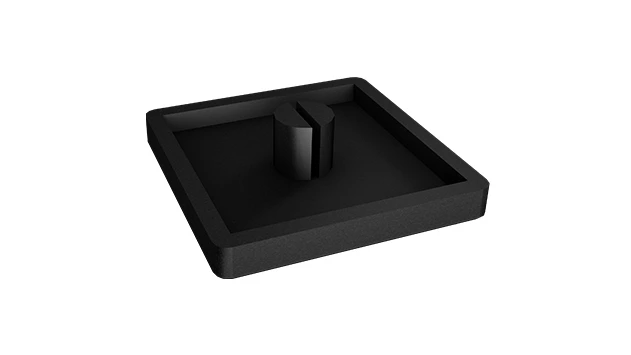
The aluminum profile end cap adds a finishing touch to your project and closes off profile ends to limit dust and debris buildup, also it can avaid some scratch for material and labor during the assemble work.
Walk into any modern warehouse, and you'll likely be struck by the rhythm of activity: forklifts gliding between stacks, workers retrieving goods from shelves, and conveyor belts humming as packages move toward shipping. But behind this seamless flow lies a hidden network of components that keep everything running—components so integral, yet so easy to overlook. Today, we're shining a spotlight on one such unsung hero: the 3030 aluminum profile end cap. It's a small part, sure, but in the world of warehousing racks and shelves, its impact is anything but minor. Let's dive into why this humble accessory deserves a place in every warehouse manager's toolkit, and how it transforms ordinary storage systems into,, operations hubs.
The Backbone of Modern Warehousing: Aluminum Extrusion Profiles
Before we zoom in on end caps, let's take a step back to understand the foundation they're built on: aluminum extrusion profiles. If you've ever assembled a shelf, workbench, or material rack, you've probably encountered these versatile building blocks. Aluminum extrusion profiles are long, hollow structures made by forcing heated aluminum through a die to create specific cross-sectional shapes—think T-slots, grooves, and channels that make them easy to connect with bolts, brackets, or other accessories. Their popularity in warehousing isn't by accident.
Aluminum brings a winning combination of strength and lightness. Unlike steel, it won't rust, making it ideal for humid or temperature-fluctuating environments (hello, food storage warehouses or facilities near the coast). It's also infinitely customizable: you can cut it to length, drill holes, or attach accessories without breaking a sweat. And let's not forget cost-effectiveness—while aluminum might have a higher upfront price than some plastics, its durability means you won't be replacing racks every few years. No wonder it's the go-to material for everything from heavy-duty storage shelves to lightweight workbenches.
Among the many aluminum profile sizes, the 3030 stands out for its balance of versatility and strength. Measuring 30mm by 30mm, it's compact enough to fit in tight spaces (like narrow aisles) but sturdy enough to support hundreds of pounds of inventory. You'll find it in everything from pick-and-pack stations to assembly line workbenches, and yes—those towering racks that hold pallets of goods. But here's the thing: even the best aluminum profiles need a little help to reach their full potential. That's where accessories like end caps come in.
What Are 3030 Aluminum Profile End Caps, Anyway?
Let's keep it simple: a 3030 aluminum profile end cap is a small, usually plastic or rubber cover designed to fit snugly over the exposed ends of 30mm x 30mm aluminum extrusion profiles. Picture this: when you cut an aluminum profile to length, the raw edge can be sharp, jagged, or prone to collecting dust and debris. An end cap slides over that edge, smoothing it out and sealing it off. It's like putting a cap on a pen—functional, protective, and a little bit of a finishing touch.
But don't let their size fool you. End caps are part of a broader category of aluminum profile accessories, which includes connectors, brackets, casters, and hinges. Together, these accessories turn plain aluminum bars into fully functional systems. Think of it this way: if aluminum profiles are the "bones" of a rack, accessories like end caps are the "skin" that protects and completes the structure. And while connectors might get more attention for holding everything together, end caps play a quiet but critical role in making the system safe, durable, and user-friendly.

The Multifaceted Role of 3030 End Caps in Warehousing
So, why bother with end caps? Let's break down their benefits, one by one. You'll quickly see they're not just "nice to have"—they're "need to have."
Safety First: Protecting Workers and Assets
Walk through a warehouse without end caps, and you're in for a hazard. Raw aluminum profile ends are sharp—sharp enough to slice through gloves, scratch forearms, or even tear clothing. Imagine a new employee rushing to meet a shipping deadline, reaching for a box on a high shelf, and catching their arm on an exposed edge. A minor cut might seem trivial, but in a busy warehouse, even small injuries can lead to downtime, workers' compensation claims, or worse. End caps eliminate that risk by softening the edges. Most are made of flexible plastic or rubber, which absorb impact and create a smooth, rounded surface. It's a small change, but it adds up to a much safer work environment.
And it's not just workers who benefit. Think about the goods being stored. A sharp aluminum edge could scratch delicate items like electronics, furniture, or medical supplies. An end cap acts as a buffer, ensuring that when a box is slid onto a shelf or a tool is placed on a workbench, it doesn't pick up unsightly (and costly) blemishes.
Durability Boost: Extending the Life of Your Racks
Aluminum might be rust-resistant, but its exposed ends are still vulnerable to damage. Over time, dust, dirt, and moisture can seep into the hollow interior of a profile, leading to internal corrosion or buildup that weakens the structure. End caps seal off those ends, creating a barrier against the elements. They also protect against physical damage: if a forklift accidentally bumps a rack, or a heavy pallet is dropped nearby, the end cap takes the hit instead of the aluminum itself. This might not seem like a big deal on day one, but after years of use, those small impacts add up. Warehouses that use end caps report racks lasting 20-30% longer than those without—now that's a return on investment.
Aesthetics and Brand Image: The "Little Things" That Matter
Warehouses aren't just functional—they're reflections of a company's values. A cluttered, poorly maintained space can signal disorganization to clients, while a clean, well-kept facility inspires confidence. End caps play a subtle but important role here. Exposed aluminum ends look unfinished, like a puzzle with missing pieces. End caps, on the other hand, give racks and shelves a polished, professional look. They come in a range of colors—black, white, gray, even custom hues—to match your brand or warehouse decor. Imagine walking a client through your facility and pointing out the sleek, uniform shelves—details like that stick in people's minds.
Compatibility with Lean Systems: Streamlining Workflows
In today's fast-paced warehousing world, efficiency is king—and lean systems are the crown jewels. Lean principles focus on eliminating waste, optimizing workflows, and creating systems that adapt to change. Aluminum extrusion profiles are a natural fit for lean systems because they're modular: you can reconfigure a workbench or rack in minutes to accommodate new products or processes. But for a lean system to truly work, every component must play its part—and end caps are no exception.
A lean warehouse thrives on predictability. You don't want unexpected delays because a worker got hurt on a sharp edge, or a shelf needs repair because debris clogged the T-slots. End caps reduce these variables by keeping the system running smoothly. They also make cleaning easier: without exposed ends, there are fewer nooks for dust and grime to hide, so your team can sanitize shelves faster (critical for industries like food and pharmaceuticals). When every second counts, those small time-savers add up to big gains in productivity.

Installation 101: How to Properly Fit 3030 Aluminum Profile End Caps
Now that you're sold on end caps, let's talk about how to install them. Spoiler: it's easier than assembling IKEA furniture (no tiny Allen wrenches required). Here's a step-by-step guide to get you started.
Tools You'll Need
Chances are, you already have everything you need: a clean, dry cloth (to wipe down the profile ends), a rubber mallet (optional, for tight fits), and the end caps themselves. Make sure you're using 3030-specific end caps—sizes vary (2020, 4040, etc.), and a 2020 cap won't fit a 3030 profile. Most suppliers label their end caps by profile size, so double-check the packaging before you start.
Step-by-Step Installation
1. Prepare the Profile Ends: Start by cleaning the exposed ends of the aluminum profiles. Dust, grease, or moisture can prevent the end cap from fitting snugly. Wipe them down with a dry cloth—if there's stubborn grime, use a mild soap and water solution, then dry thoroughly.
2. Align the End Cap: Hold the end cap with the open side facing the profile. Most end caps have a lip or ridge that matches the profile's T-slot or edge, so it should only fit one way. If it feels forced, stop and check the orientation—you don't want to damage the cap or the profile.
3. Press or Tap into Place: For most end caps, a firm push with your hand is enough to seat them. If it's a tight fit, gently tap the end cap with a rubber mallet (never a metal hammer—you'll crack the plastic). You'll feel it "click" into place when it's secure. Avoid over-tightening; the goal is a snug seal, not to the cap.
4. Inspect and Adjust: After installation, give the end cap a light tug to make sure it doesn't come loose. If it wiggles, remove it, check for debris, and try again. Repeat for all exposed ends—don't skip any, even if they're "out of the way." Remember: safety and durability are team sports.
Common Pitfalls to Avoid
Even simple tasks have their quirks. Here are a few mistakes to watch for: using the wrong size (we can't stress this enough—measure your profiles first!), installing on dirty or wet ends (the cap might fall off later), or forcing a misaligned cap (this can crack the plastic or damage the profile's edge). Take your time, and you'll have a secure, long-lasting fit.
Real-World Applications: 3030 End Caps in Action
Still not convinced? Let's look at two real-world scenarios where 3030 aluminum profile end caps made a measurable difference.
Case Study 1: The Electronics Warehouse Workbench
A mid-sized electronics manufacturer was struggling with high turnover on their assembly line. New hires often complained about "rough edges" on the workbenches, which were built from 3030 aluminum profiles. Upon inspection, the warehouse manager realized the profiles' ends were left exposed—no end caps. Workers were getting small cuts on their hands while handling circuit boards, leading to frustration and lost productivity.
The solution? Installing 3030 plastic end caps on all workbench edges. Within a month, reported injuries dropped by 80%. Workers noted the workbenches felt "more professional" and "easier to clean," and turnover rates improved. The cost? Less than $200 for end caps for 20 workbenches. A small investment for a big boost in morale and efficiency.
Case Study 2: The Food Distribution Center's Material Racks
A food distribution center was dealing with frequent shelf replacements. Their 3030 aluminum profile racks, used to store canned goods, kept developing internal corrosion—even though aluminum is supposed to resist rust. The culprit? Exposed ends allowed moisture from refrigerated trucks to seep into the profiles, leading to rust inside the hollow tubes. Replacing a single rack cost $500, and they were replacing 5-6 racks a year.
After installing rubber 3030 end caps (which provide an extra moisture barrier), the corrosion stopped. Over three years, they replaced only one rack—saving over $7,000. Plus, the end caps made the racks easier to sanitize, helping them pass a surprise health inspection with flying colors.
3030 End Caps vs. Other Profile Accessories: How Do They Compare?
End caps are just one of many aluminum profile accessories—so how do they stack up against others like connectors, casters, or T-slot nuts? Let's break it down in a quick comparison:
| Accessory | Primary Function | Key Benefit | When to Use |
|---|---|---|---|
| 3030 End Caps | Seal and protect profile ends | Safety, durability, aesthetics | Every exposed profile end |
| Connectors | Join profiles at angles (90°, 45°, etc.) | Structural stability | Building frames, shelves, or workbenches |
| Casters | Add mobility to racks or workbenches | Flexibility to move systems | Mobile trolleys or temporary workstations |
| T-Slot Nuts | Secure accessories to T-slots | Customization (add shelves, hooks, etc.) | Attaching bins, tools, or signage |
The takeaway? Each accessory has a unique job, but end caps are the only ones focused on protection and safety. You wouldn't build a house without a roof—so don't build a rack without end caps.
The Future of Warehousing: Why Small Components Like End Caps Matter
Warehousing is evolving. Automation, AI-driven inventory management, and sustainability are no longer buzzwords—they're realities. As warehouses become smarter, the demand for flexible, durable infrastructure will only grow. Aluminum extrusion profiles are already at the forefront of this shift, thanks to their modularity and eco-friendliness (aluminum is 100% recyclable). And as profiles become more advanced, so too will the accessories that support them.
We're already seeing innovations in end cap design: antimicrobial coatings for healthcare warehouses, UV-resistant materials for outdoor storage, and even "smart" end caps with built-in sensors to monitor temperature or weight. These might sound futuristic, but they're not far off. The point is, the humble end cap isn't staying static—it's evolving to meet the needs of tomorrow's warehouses.
But even with all these advancements, the core purpose of the end cap remains the same: to protect, to enhance, and to make warehousing safer and more efficient. In a world of high-tech gadgets, sometimes the most impactful solutions are the simplest ones.
Conclusion: Small Part, Big Impact
So, there you have it. The 3030 aluminum profile end cap might be small, but its role in warehousing is enormous. It's the difference between a rack that lasts 5 years and one that lasts 15. Between a safe workspace and a hazardous one. Between a disorganized warehouse and a lean, efficient operation.
If you're building new racks, upgrading old ones, or simply looking to improve your warehouse's safety and durability, don't overlook the end caps. They're affordable, easy to install, and their benefits compound over time. After all, in warehousing, success is in the details—and the 3030 aluminum profile end cap is one detail that delivers.
So go ahead—grab a pack of end caps, head to your warehouse, and start upgrading. Your workers, your bottom line, and your future self will thank you.