- Company Articles
- Products and Technology
- Product knowledge
- 3030 Aluminum Profile End Caps in Workbench E: Essential Components

3030 Aluminum Profile End Caps in Workbench E: Essential Components
Related Product
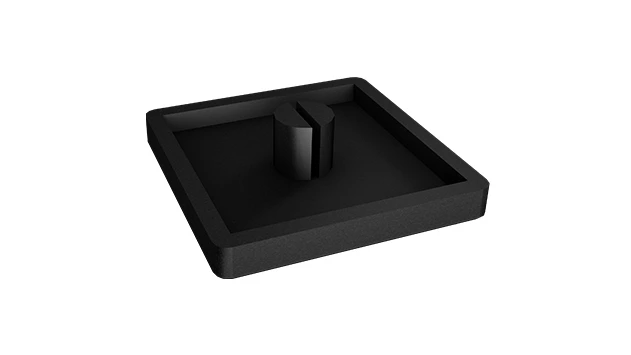
3030 Aluminum Profile End Cap
The aluminum profile end cap adds a finishing touch to your project and closes off profile ends to limit dust and debris buildup, also it can avaid some scratch for material and labor during the assemble work.
Why the smallest parts often make the biggest difference in your workspace
Introduction: The Unsung Heroes of Your Workbench
Walk into any workshop, factory floor, or DIY garage, and you'll probably notice the big-ticket items first: the sturdy workbench, the sleek aluminum frames, the rolling casters that make everything mobile. But if you take a closer look—really close—you'll spot something easy to overlook: the tiny caps at the ends of those aluminum profiles. They're quiet, unassuming, and often forgotten, but ask any seasoned technician or production manager, and they'll tell you: those little end caps? They're the unsung heroes keeping your workspace safe, efficient, and looking sharp.
Today, we're shining a spotlight on one specific star of this underrated category: the 3030 aluminum profile end cap. And we're not just talking about any end cap—we're diving into how it fits into Workbench E, that reliable single-deck, caster-free workhorse you've probably seen in lean production lines or busy workshops. By the end, you'll understand why these small accessories matter, how they work, and why skimping on them could cost you more than you think.
What Are 3030 Aluminum Profile End Caps, Anyway?
Let's start with the basics. If you've ever worked with aluminum extrusion profiles—and if you're using a lean pipe workbench, you almost certainly have—you know they're those versatile, groove-filled bars that form the skeleton of workbenches, racks, and frames. The "3030" in 3030 aluminum profile refers to their dimensions: 30mm by 30mm, a common size for medium-duty applications. Now, imagine cutting one of these profiles to length for your Workbench E. What's left at the cut end? A raw, open edge with sharp corners and exposed grooves. That's where end caps come in.
3030 aluminum profile end caps are precisely molded or machined covers designed to snap, press, or screw onto the ends of 3030 aluminum extrusion profiles. Think of them as the protective caps on the end of a marker—simple, but essential for keeping the inside clean and the outside safe. But they're more than just covers. Made from durable materials like hard plastic or lightweight aluminum, these end caps are engineered to fit snugly into the profile's grooves, creating a smooth, finished look while solving a handful of practical problems.

Workbench E: A Closer Look at the Single-Deck Workhorse
Before we dive deeper into end caps, let's get to know Workbench E better. If you're in the market for a lean pipe workbench—or already using one—you've probably encountered this model. Workbench E is described as a "single deck-without caster" unit, which tells you two key things: it's a one-level workspace (no extra shelves or tiers), and it's stationary (no wheels, so it stays put once you set it up). That makes it perfect for areas where stability is key—think assembly lines, quality control stations, or labs where you don't want tools and parts rolling around.
What makes Workbench E tick? Its frame is typically built from aluminum extrusion profiles—you guessed it, often 3030 or similar sizes—connected by sturdy joints. The single deck is usually a flat, durable surface, maybe made of plywood, steel, or anti-static material if it's an ESD workstation. But here's the thing: every aluminum profile on that frame has exposed ends. Without end caps, those ends would be sharp, prone to collecting dust and debris, and just plain unfinished. That's where our 3030 end caps step in, turning a functional but rough frame into a polished, professional workspace.

The Role of End Caps in Workbench E: More Than Just "Finishing Touches"
So, what exactly do these end caps do for Workbench E? Let's break it down into three big jobs they handle every day:
Safety First: Picture this: you're rushing to meet a production deadline, reaching across Workbench E to grab a tool, and your arm brushes against the end of an aluminum profile. If there's no end cap, that raw edge could scrape your arm, snag your sleeve, or even cut you. Sharp metal edges are no joke in a busy workspace—they lead to nicks, cuts, and even more serious injuries. End caps smooth those edges, turning a hazard into a harmless, rounded surface. For Workbench E, which is often used in high-traffic areas, this safety upgrade is non-negotiable.
Debris Defense: Aluminum extrusion profiles have those handy T-slots running along their length—great for attaching accessories, but terrible at collecting dust, dirt, and small (that's "parts" for non-Chinese speakers, but you get the idea). Without an end cap, the open end of the profile acts like a vacuum, sucking in all kinds of gunk. Over time, that debris can clog the slots, making it hard to attach new accessories or adjust existing ones. End caps seal off those ends, keeping the inside of the profiles clean and functional. For Workbench E, which might see daily use with tools, screws, and small components, this means less time cleaning and more time working.
Aesthetic Appeal: Let's be honest—looks matter. A workbench with exposed, raw aluminum ends looks unfinished, almost unprofessional. It's like wearing a nice shirt but forgetting to button the top button. End caps give Workbench E a clean, cohesive look, tying together the aluminum extrusion profile frame and making the entire unit feel intentional and well-crafted. In lean production environments, where organization and visual order are part of the philosophy, this attention to detail sends a message: this workspace is cared for, and so are the people working in it.
Materials & Durability: Why Not Just Use Any Old Cap?
You might be thinking, "Can't I just use a rubber stopper or a piece of tape instead?" Sure, you could—but you'd be missing out on the durability and precision that make 3030 aluminum profile end caps worth every penny. These end caps are typically made from one of two materials: high-quality plastic (like polypropylene or ABS) or lightweight aluminum. Let's compare them:
| Material | Pros | Cons | Best For |
|---|---|---|---|
| Plastic (ABS/Polypropylene) | Lightweight, affordable, shock-absorbent, available in colors | Less heat-resistant than aluminum | General-purpose workbenches, indoor use, budget-friendly setups |
| Aluminum | Highly durable, heat-resistant, matches aluminum profiles aesthetically | Slightly heavier, more expensive | Heavy-duty workbenches, industrial environments, high-temperature areas |
Most Workbench E models use plastic end caps for a simple reason: they balance cost, weight, and performance perfectly. Unless you're working in extreme conditions (like a foundry with high heat), plastic end caps will hold up for years, resisting cracks, scratches, and the general wear and tear of daily use. And because they're designed specifically for 3030 profiles, they fit like a glove—no wiggling, no slipping, no need for glue or extra fasteners.
Installation: Snapping, Pressing, or Screwing? It's Easier Than You Think
One of the best things about 3030 aluminum profile end caps is how easy they are to install. You don't need special tools, advanced DIY skills, or a degree in engineering. Here's a quick step-by-step for most standard end caps:
- Clean the profile end: Wipe away any dust, grease, or debris from the open end of the 3030 profile. A clean surface ensures a tight fit.
- Align the end cap: Look for the small tabs or ridges on the inside of the end cap—these should line up with the T-slots or grooves on the profile.
- Press firmly: Using your thumb or the palm of your hand, push the end cap straight onto the profile. You'll hear a satisfying "snap" when it's in place. For tighter fits, a gentle tap with a rubber mallet (not a hammer!) can help, but go easy—you don't want to crack the cap.
- Check for stability: Give the end cap a light tug. It should stay firmly in place with no wobbling. If it comes off easily, double-check alignment and try again.
Some end caps use screws instead of a snap-fit design, which is great for high-vibration environments (like near heavy machinery). In that case, you'll pre-drill a small hole in the profile end, align the cap, and secure it with a tiny screw. Either way, installation takes less than a minute per cap—so there's no excuse for leaving those profile ends exposed!
Beyond Workbench E: Where Else Do These End Caps Shine?
While we're focusing on Workbench E, 3030 aluminum profile end caps are versatile little accessories that pop up in all kinds of places. Think about aluminum profile accessories like material racks, shelving units, or even custom-built desks. Anywhere there's a 3030 extrusion profile, there's a need for an end cap. For example, a material rack B (3 row and 3 floor) might use the same 3030 end caps to keep its vertical supports safe and clean. Or a lean pipe workbench with multiple aluminum extrusion profile frames—each end needs a cap to maintain that polished look and functional design.
They're also a favorite in DIY communities. Homebrew enthusiasts building their own CNC machine frames, makers creating custom storage solutions, or hobbyists putting together workbenches in their garages—all rely on these end caps to finish their projects like pros. It's the kind of small detail that elevates a homemade setup from "good enough" to "professional grade."
Maintenance Tips: Keeping Your End Caps (and Workbench) in Top Shape
Like any part of your workspace, 3030 end caps need a little love to last. Here are a few quick tips to keep them (and your Workbench E) looking and working great:
- Wipe them down: Every few weeks, give the end caps a quick wipe with a damp cloth to remove dust and grime. This keeps them looking new and prevents buildup that could loosen the fit.
- Check for cracks: Plastic end caps can crack if they're hit hard or exposed to extreme cold. A quick visual inspection every month will catch cracks early, before they lead to sharp edges or debris getting inside the profile.
- replace when needed: If a cap is cracked, missing, or won't stay in place, replace it ASAP. They're affordable (usually just a few dollars each), so there's no reason to delay.
- Match the color: If you care about aesthetics, try to replace lost caps with the same color. Most suppliers offer black, white, or gray options to match common profile finishes.
Conclusion: Small Parts, Big Impact
At the end of the day, 3030 aluminum profile end caps might not be the most exciting part of your Workbench E or lean pipe workbench. They won't make your production line faster or your tools sharper. But they will keep your workspace safer, cleaner, and more professional. They'll save you from nicks and cuts, prevent debris from gumming up your aluminum extrusion profiles, and make sure your setup looks like you care about the details—because you do.
So the next time you're setting up a new workbench, upgrading an old one, or just doing a quick workspace audit, take a second to check those profile ends. If you see exposed aluminum, grab a pack of 3030 end caps. Your hands (and your sanity) will thank you. After all, in the world of lean manufacturing and efficient workspaces, it's the small things that add up to big success. And these end caps? They're proof that great things really do come in small packages.