- Company Articles
- Products and Technology
- Product knowledge
- 3030 Aluminum Profile End Caps on Material Handling Carts: Stability & Safety

3030 Aluminum Profile End Caps on Material Handling Carts: Stability & Safety
Related Product
3030 Aluminum Profile End Cap
The aluminum profile end cap adds a finishing touch to your project and closes off profile ends to limit dust and debris buildup, also it can avaid some scratch for material and labor during the assemble work.
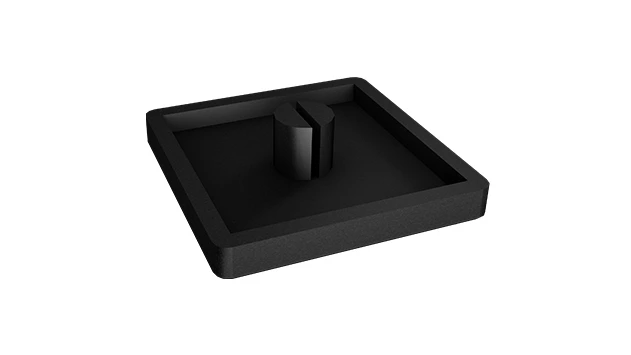
In the bustling world of warehouses, factories, and distribution centers, material handling carts are the unsung workhorses that keep operations moving. From transporting raw materials to moving finished products, these carts are the backbone of daily logistics. But behind their seemingly simple design lies a complex interplay of components that determine their reliability, safety, and longevity. One such component, often overlooked yet critically important, is the 3030 aluminum profile end cap . These small, unassuming parts play a huge role in ensuring that material handling carts remain stable, safe, and efficient—even in the most demanding environments.
In this article, we'll dive deep into why 3030 aluminum profile end caps matter, how they enhance both stability and safety, and why they're an indispensable part of modern material handling equipment. We'll also explore the unique properties of 3030 aluminum profiles, the challenges they solve, and real-world scenarios where these end caps make all the difference.
Understanding 3030 Aluminum Profiles: The Backbone of Modern Carts
Before we can appreciate the role of end caps, it's essential to understand the foundation they protect: the aluminum profile itself. 3030 aluminum profiles are a staple in industrial design, known for their versatility, strength, and lightweight nature. The "3030" designation refers to their dimensions—30mm in width and 30mm in height—making them ideal for building structures that need to balance load capacity with maneuverability.
Unlike traditional steel frames, 3030 aluminum profiles offer several key advantages. They're resistant to corrosion, which is crucial in environments where moisture or chemicals are present. They're also modular: with T-slots running along their length, they can be easily assembled, disassembled, or reconfigured using aluminum profile accessories like brackets, connectors, and, of course, end caps. This modularity makes them perfect for material handling carts, which often need to be customized to carry specific loads or fit through tight spaces.
But even the strongest aluminum profile has a vulnerability: its open ends. Without proper protection, these ends can become points of weakness, safety hazards, or entry points for debris—all of which can compromise the cart's performance over time. That's where 3030 aluminum profile end caps come in.
The Critical Role of End Caps: Beyond Just a "Cover"
At first glance, 3030 aluminum profile end caps might seem like little more than plastic or rubber plugs. But their purpose goes far beyond aesthetics. Let's break down their key functions:
1. Safety: Preventing Injuries and Snags
Exposed aluminum profile ends are sharp. In a busy warehouse, where workers are constantly loading, unloading, or maneuvering carts, a single misstep could result in a cut or scrape from an unprotected end. Even more concerning is the risk of clothing, gloves, or hair getting snagged on rough edges, which could lead to falls or pulled muscles. 3030 end caps, typically made from soft yet durable materials like PVC or rubber, create a smooth, rounded finish that eliminates these hazards. They turn a potential liability into a safe, user-friendly surface.
2. Stability: Reinforcing Structural Integrity
Stability is non-negotiable for material handling carts, especially when carrying heavy or fragile loads. An unprotected aluminum profile end is more than just a safety risk—it's a weak point. Over time, repeated impacts (like bumping into walls or other carts) can dent or bend the exposed end, compromising the profile's structural integrity. This, in turn, affects the cart's balance, making it prone to tipping. End caps act as a buffer, absorbing shock and distributing impact forces across the profile's surface. They also prevent debris, dirt, or moisture from entering the profile's hollow interior, which can cause rust (in steel profiles) or weaken internal supports over time.
3. Durability: Extending Cart Lifespan
Material handling carts take a beating. They're rolled over uneven floors, loaded beyond their rated capacity (even when they shouldn't be), and exposed to dust, oil, and chemicals. Without end caps, the open ends of 3030 profiles act like sponges, trapping dirt and grime that can corrode the metal or jam T-slot accessories. End caps seal off these ends, keeping the interior clean and dry. This simple step can significantly extend the life of the cart, reducing the need for costly repairs or replacements.

How End Caps Compare to Other "Solutions"
Some might argue: "Why not just use tape, or weld the ends shut?" While these quick fixes might work temporarily, they're no match for purpose-built end caps. Let's compare the options:
| Solution | Safety | Stability | Durability | Ease of Installation |
|---|---|---|---|---|
| 3030 Aluminum Profile End Caps | High (smooth, snag-free finish) | High (shock absorption, debris protection) | High (resistant to wear, chemicals) | Easy (snaps into place, no tools needed) |
| Electrical Tape | Low (tends to peel, leaves sticky residue) | Low (no impact resistance, moisture seeps through) | Very Low (breaks down in heat/cold, lasts weeks) | Easy, but temporary |
| Welded Ends (Steel Profiles) | Medium (can still have sharp edges if not ground down) | Medium (adds weight, reduces modularity) | High, but permanent (can't reconfigure cart later) | Difficult (requires tools, expertise) |
| Leaving Ends Exposed | Very Low (sharp edges, snag risks) | Very Low (debris buildup, impact damage) | Very Low (profile weakens over time) | "Easy," but risky |
As the table shows, 3030 aluminum profile end caps outperform other solutions across the board. They're cost-effective, easy to install, and designed specifically to address the unique challenges of aluminum profile carts.

Real-World Impact: End Caps in Action
To truly understand the value of 3030 aluminum profile end caps, let's look at a real-world example. Consider a mid-sized electronics warehouse that recently switched from steel carts to 3030 aluminum profile carts. Initially, they skipped end caps to save costs, assuming the profiles were "strong enough on their own." Within six months, they noticed several issues:
- Two workers reported minor cuts from exposed profile ends.
- Carts began to wobble after repeated impacts with loading docks, as the unprotected ends had dented and bent.
- Dust and small debris had accumulated inside the profiles, making it harder to adjust T-slot accessories when reconfiguring carts.
After installing 3030 end caps, the warehouse saw immediate improvements. Worker injuries dropped to zero, cart stability improved (no more wobbling), and debris buildup was eliminated. The maintenance team also reported that cleaning and reconfiguring carts became faster, as the end caps kept the profiles' interiors clean and accessible. In short, the small investment in end caps paid off in reduced downtime, lower injury rates, and longer cart lifespans.
Choosing the Right End Cap: Key Considerations
Not all end caps are created equal. When selecting 3030 aluminum profile end caps for material handling carts, keep these factors in mind:
Material: Look for end caps made from durable, impact-resistant materials like reinforced PVC or thermoplastic rubber. These materials stand up to repeated impacts and resist chemicals, oils, and UV light.
Fit: A snug fit is essential. Loose end caps will fall off, leaving the profile exposed. Choose end caps specifically designed for 3030 profiles—generic "one-size-fits-all" caps often don't provide a tight seal.
Environment: Consider the conditions your carts will operate in. For cold storage facilities, opt for end caps rated for low temperatures to prevent cracking. For cleanrooms, choose non-shedding materials that won't introduce contaminants.
Color: While not critical for performance, color-coding end caps can help with organization. For example, using red end caps on carts designated for heavy loads or green for sanitized carts in food processing facilities.
Conclusion: Small Part, Big Difference
Material handling carts are the lifeline of countless industries, and their reliability depends on every component—no matter how small. 3030 aluminum profile end caps may not grab headlines, but they're a testament to the idea that "the details matter." By enhancing safety, improving stability, and extending cart lifespans, these tiny accessories play a huge role in keeping operations running smoothly.
So the next time you see a material handling cart gliding through a warehouse, take a closer look at its corners. Chances are, there's a 3030 aluminum profile end cap hard at work—quietly ensuring that the cart, its load, and the people around it stay safe and stable. In the world of material handling, sometimes the smallest parts make the biggest impact.