- Company Articles
- Products and Technology
- Product knowledge
- 3030 Aluminum Profile End Caps with RoHS Certification: Eco-Friendly Choice

3030 Aluminum Profile End Caps with RoHS Certification: Eco-Friendly Choice
Related Product
3030 Aluminum Profile End Cap
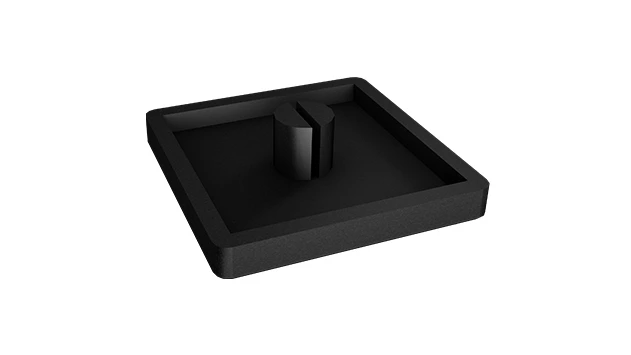
The aluminum profile end cap adds a finishing touch to your project and closes off profile ends to limit dust and debris buildup, also it can avaid some scratch for material and labor during the assemble work.
When we talk about building something solid—whether it's a workbench in a garage, a shelving unit in a warehouse, or a production line in a factory—we often focus on the big parts: the beams, the frames, the heavy-duty materials that catch the eye. But if you've ever stopped to notice the little details, you'll realize they're the ones that make the whole system work seamlessly. Today, we're zooming in on one of those unsung heroes: the 3030 aluminum profile end cap. It might seem small, but this tiny accessory plays a huge role in keeping aluminum extrusion profiles safe, durable, and ready for action. And when it's backed by RoHS certification? That's when it becomes more than just a part—it becomes a choice that's good for your projects, your team, and the planet.
What Are 3030 Aluminum Profile End Caps, Anyway?
Let's start with the basics. If you've worked with aluminum extrusion profiles, you've probably heard terms like "3030," "4040," or "2020." These numbers refer to the profile's cross-section dimensions—in the case of 3030, that's 30mm by 30mm. These profiles are like the building blocks of modern manufacturing and DIY projects: lightweight, strong, and endlessly customizable. They're used to build everything from workbenches and material racks to machine guards and display stands. But here's the thing: aluminum extrusion profiles are hollow, with open ends. That's where 3030 aluminum profile end caps come in.
Think of an end cap as the "cap" for your profile's "bottle." It's a small, usually plastic or rubber component designed to fit snugly over the open end of a 3030 aluminum extrusion profile. At first glance, it might seem like a purely cosmetic addition—and while it does give the profile a clean, finished look, its job goes way beyond aesthetics. End caps protect the inside of the profile from dust, dirt, and moisture that could corrode the aluminum over time. They also smooth out sharp edges, turning a potentially scratchy or pokey end into something safe to touch. Ever brushed up against an aluminum shelf and gotten a little nick? Chances are, it was missing an end cap.
The Materials Behind the Magic: What Makes a Great End Cap?
Not all end caps are created equal. The best ones are made from high-quality, durable materials that can stand up to daily wear and tear. For 3030 aluminum profile end caps, the most common materials are polypropylene (PP) or nylon. These plastics are chosen for their flexibility (so they can snap onto the profile securely), resistance to impact, and ability to withstand temperature changes—important if your profiles are used in factories, garages, or outdoor settings.
But here's where it gets crucial: the materials used in these end caps directly affect their safety and eco-friendliness. Some cheaper end caps might cut corners by using plastics mixed with harmful additives—substances like lead, cadmium, or phthalates. These chemicals can leach out over time, especially when the end cap is exposed to heat or friction. That's not just bad for the environment; it's bad for anyone who handles the profiles regularly, too. So when you're shopping for 3030 aluminum profile end caps, the material isn't just about durability—it's about making sure you're not bringing unnecessary toxins into your workspace.

RoHS Certification: More Than a Label—A Promise
You've probably seen the term "RoHS certified" on products before, but what does it actually mean? RoHS stands for "Restriction of Hazardous Substances," and it's a European union directive that limits the use of certain dangerous materials in electrical and electronic equipment. Over time, it's become a global standard for anyone who cares about producing safe, sustainable products. So when a 3030 aluminum profile end cap is RoHS certified, it means it's been tested and proven to be free from six key hazardous substances: lead (Pb), mercury (Hg), cadmium (Cd), hexavalent chromium (Cr6+), polybrominated biphenyls (PBBs), and polybrominated diphenyl ethers (PBDEs).
Why does this matter? Let's break it down. Lead, for example, is a neurotoxin that can cause developmental issues in children and kidney damage in adults. Cadmium is a carcinogen linked to lung and prostate cancer. When non-RoHS end caps break down or are disposed of, these chemicals can seep into soil and water, harming ecosystems and wildlife. For businesses, using non-compliant parts could even lead to fines or blocked shipments in regions that enforce RoHS standards. But beyond compliance, RoHS certification is a signal that a manufacturer prioritizes health and sustainability—a value that matters more than ever to consumers, employees, and partners.

Eco-Friendly Benefits: Why RoHS-Compliant End Caps Make a Difference
Let's get real: "eco-friendly" can feel like a buzzword these days. But when it comes to 3030 aluminum profile end caps with RoHS certification, the environmental benefits are tangible. Here's how these small accessories contribute to a greener world:
1. Reducing Harmful Waste
When you choose RoHS-compliant end caps, you're choosing materials that won't release toxic chemicals when they're disposed of. Traditional end caps with hazardous additives can leach heavy metals into landfills, contaminating groundwater and soil. RoHS-certified end caps, on the other hand, break down more safely, minimizing their impact on the planet. It's a small choice, but multiplied across thousands of end caps in a factory or warehouse, it adds up to a big reduction in harmful waste.
2. Supporting Circular Economy
Aluminum extrusion profiles are already highly recyclable—they can be melted down and reused without losing quality. But if your end caps are made with non-RoHS materials, they can contaminate the recycling process. RoHS-compliant end caps, made from pure, non-toxic plastics, can be separated from the aluminum and recycled properly, keeping both materials in the loop and reducing the need for new raw materials. It's a win-win for sustainability.
3. Protecting Indoor Air Quality
You might not think about it, but the air in your workspace matters. Non-RoHS end caps can release volatile organic compounds (VOCs) over time, especially when exposed to heat or sunlight. These VOCs can irritate the eyes, nose, and throat, and long-term exposure has been linked to more serious health issues. RoHS-certified end caps are free from these harmful additives, so they don't off-gas toxins—making your workspace safer and more comfortable for everyone.
Beyond Eco-Friendliness: The Practical Perks of RoHS End Caps
Eco-friendliness is a big selling point, but RoHS-certified 3030 aluminum profile end caps offer plenty of practical benefits, too. Let's talk about why these end caps are worth investing in, even if sustainability wasn't a concern (though let's be real—why wouldn't it be?):
| Feature | RoHS-Compliant 3030 End Caps | Non-RoHS End Caps |
|---|---|---|
| Material Quality | Made from high-grade, pure plastics (PP/nylon) for better flexibility and durability. | Often use cheaper, mixed plastics with additives that can weaken the material over time. |
| Safety | No sharp edges, non-toxic, and won't leach harmful substances. | May have rough edges; risk of chemical leaching, especially in high-heat environments. |
| Compliance | Meets global RoHS standards, ideal for businesses exporting products or operating in regulated industries. | May fail compliance checks, risking fines or shipment delays. |
| Longevity | Resistant to cracking, fading, and wear—lasts as long as your aluminum extrusion profiles. | Prone to brittleness over time, especially with exposure to sunlight or temperature changes. |
Durability That Lasts
RoHS-certified end caps are made from higher-quality plastics, which means they're more resistant to cracking, warping, and fading. Think about it: if you're using your aluminum profiles in a busy factory, the end caps are going to take a beating—from being bumped by carts, exposed to cleaning chemicals, or just daily use. Cheap, non-RoHS end caps might start to crack or fall off after a few months, leaving your profiles unprotected. RoHS end caps, though? They're built to stick around, so you won't be constantly replacing them.
A Polished Look for Professional Projects
First impressions matter, whether you're building a workbench for your team or a display rack for customers. RoHS-certified end caps fit snugly and evenly, giving your aluminum extrusion profiles a clean, finished look. Non-RoHS end caps, on the other hand, might be poorly molded, with rough edges or inconsistent sizing—making your project look cheap or unprofessional. When you're proud of what you build, the details (like end caps) make all the difference.
Fitting Into the Bigger Picture: 3030 End Caps and Aluminum Profile Accessories
Your 3030 aluminum extrusion profile isn't a standalone piece—it's part of a system. To build something functional, you'll pair it with brackets, connectors, hinges, and other aluminum profile accessories. The end cap is the final piece of that puzzle, and it's just as important as the bigger components. Let's say you're building a material rack using 3030 profiles (maybe something like "material rack b (3 row and 3 floor)" if you're following specific designs). The rack needs to be sturdy, safe, and easy to use. Without end caps, the open ends of the profiles could catch on boxes or injure someone loading/unloading materials. Add RoHS-certified end caps, and suddenly that rack is safer, cleaner, and more durable—all while fitting seamlessly with the other aluminum profile accessories you're using.
And here's the best part: 3030 aluminum profile end caps are designed to be compatible with most standard 3030 aluminum extrusion profiles. Whether your profile has a smooth surface, T-slots, or special grooves, there's an end cap that will fit perfectly. This compatibility means you don't have to hunt for custom parts—you can grab a pack of RoHS-certified end caps and know they'll work with the profiles and accessories you already have.
Choosing the Right Supplier: Why It Matters
Not all RoHS certifications are created equal, and not all suppliers prioritize quality. When you're shopping for 3030 aluminum profile end caps, it's important to choose a supplier who's transparent about their materials and testing. Look for suppliers who can provide RoHS certification documents (not just a sticker on the package) and who have a reputation for producing high-quality aluminum profile accessories. A good supplier will also offer consistent sizing and fit, so you don't end up with end caps that are too loose or too tight for your profiles.
Think of it this way: your supplier is a partner in your project's success. If they cut corners on end caps, it could affect the safety, durability, and appearance of everything you build. But a supplier who invests in RoHS certification and quality materials is showing they care about your needs—and that's worth its weight in aluminum.
Final Thoughts: Small Parts, Big Impact
At the end of the day, 3030 aluminum profile end caps might seem like small fry in the world of manufacturing and DIY projects. But as we've explored, they play a huge role in safety, durability, and sustainability. When you choose RoHS-certified end caps, you're not just buying a part—you're making a statement: that you care about the environment, your team's health, and the quality of your work. You're choosing to build something that lasts, without leaving a trail of harmful waste behind.
So the next time you're putting together an aluminum extrusion profile system—whether it's a workbench, a shelf, or a production line—don't overlook the end caps. Choose 3030 aluminum profile end caps with RoHS certification. Your projects will be stronger, your workspace safer, and the planet? Well, it'll thank you too.