- Company Articles
- Products and Technology
- Product knowledge
- 3030a EU Standard Aluminum Profile for Communication Equipment Frames

3030a EU Standard Aluminum Profile for Communication Equipment Frames
Related Product
3030A EU Standard Aluminum Profile
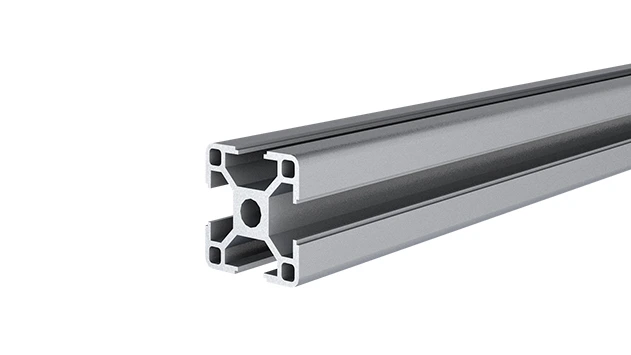
3030 is a 3.00 x 3.00CM fractional 30 series square extrusion T-slot profile with four open T-slots, each side with 3.00cm face. The profile has align-a-grooves to assist in aligning connecting profiles.
The Backbone of Modern Communication: Why Frames Matter
In today's hyper-connected world, communication equipment—from routers and servers to data storage units—forms the invisible nervous system of businesses, cities, and even entire nations. These devices don't just sit idle; they need sturdy, reliable frames to house them, protect them from environmental stress, and keep them organized for easy maintenance. A poorly designed frame can lead to overheating, tangled cables, or even equipment failure, disrupting everything from daily operations to critical infrastructure. That's where the right materials and components come into play—and when it comes to building these essential frames, one material stands out for its blend of strength, flexibility, and practicality: aluminum. Specifically, the 3030a EU standard aluminum profile has emerged as a go-to choice for engineers and manufacturers crafting communication equipment frames that need to keep up with the demands of modern technology.
Why Aluminum? The Case for Extruded Profiles in Equipment Design
When it comes to building frames for sensitive equipment, material selection is more than just a technical detail—it's a decision that impacts performance, cost, and longevity. Traditional materials like steel are strong but heavy, making them difficult to transport and reconfigure. Plastic, on the other hand, lacks the structural integrity needed to support heavy equipment over time. Aluminum, however, strikes a rare balance: it's lightweight yet surprisingly durable, resistant to corrosion, and infinitely customizable. This is why aluminum extrusion profile has become the material of choice for everything from industrial workbenches to aerospace components—and communication equipment frames are no exception.
Aluminum extrusion works by forcing heated aluminum through a die, creating uniform, complex shapes with consistent strength. This process allows for profiles with precise dimensions, integrated channels (like T-slots for easy accessory attachment), and smooth finishes—all critical features for communication frames. Unlike welded steel structures, extruded aluminum profiles are modular, meaning they can be assembled, disassembled, and reconfigured with minimal effort. For communication equipment, which often needs updates or expansions, this modularity isn't just convenient; it's essential.

Meet the 3030a EU Standard Aluminum Profile: A Closer Look
Among the many aluminum profiles available, the 3030a EU standard stands out for its versatility and reliability—especially in communication equipment frames. Let's break down what makes this profile unique. First, the "3030" refers to its cross-sectional dimensions: 30mm in width and 30mm in height, forming a square tube. The "a" denotes a specific design variant within the EU standard, typically featuring T-slots along all four sides. These T-slots are the profile's secret weapon: they allow for easy attachment of aluminum profile accessories like connectors, brackets, end caps, and even shelves, without the need for drilling or welding.
But the 3030a isn't just about dimensions. It's crafted from high-grade aluminum alloy (often 6063-T5), known for its excellent strength-to-weight ratio and resistance to rust. This alloy ensures the profile can support heavy equipment—think servers, power supplies, or networking gear—without bending or warping over time. The surface finish is another key feature: most 3030a profiles come anodized, which adds a protective layer that resists scratches, corrosion, and even minor chemical exposure. This is crucial in communication rooms or data centers, where humidity and dust can take a toll on unprotected materials.
Why 3030a Stands Out for Communication Frames: Key Benefits
So, what makes the 3030a EU standard aluminum profile the ideal choice for communication equipment frames? Let's start with its lightweight nature. A 3-meter length of 3030a weighs roughly 1.2kg, making it easy to transport, lift, and assemble—even for a single technician. This is a huge advantage over steel, which would weigh 3-4 times as much for the same length, increasing installation time and labor costs.
Durability is another major plus. The 6063-T5 alloy and anodized finish mean the 3030a can withstand the rigors of daily use. In data centers, where frames might hold equipment 24/7 for years, this longevity translates to fewer replacements and lower maintenance costs. Unlike plastic profiles, which can crack under stress or degrade in high temperatures, aluminum holds its shape and strength even in warm, enclosed spaces.
Modularity is perhaps the 3030a's most valuable trait. Communication technology evolves fast—what fits in a frame today might need to be replaced or reconfigured tomorrow. With 3030a, adding a new shelf, relocating a bracket, or expanding the frame's height is as simple as sliding a new accessory into the T-slot and tightening a screw. No welding, no drilling, no downtime. This flexibility is a game-changer for IT teams who need to adapt quickly to new hardware or changing network needs.
Finally, aesthetics matter more than you might think. Communication equipment frames are often visible in server rooms, offices, or even retail spaces. The clean, sleek look of anodized aluminum—available in silver, black, or custom colors—blends seamlessly with modern tech environments, avoiding the industrial, clunky feel of steel frames. This visual appeal can even boost team morale; a tidy, professional-looking workspace is always more pleasant to work in than a chaotic one.
Building with 3030a: Essential Aluminum Profile Accessories
A profile is only as good as the accessories that bring it to life. For the 3030a EU standard aluminum profile, the right aluminum profile accessories turn a simple tube into a fully functional communication frame. Let's explore the most common ones:
- Connectors: These are the "glue" of modular frames. 90° connectors join profiles at right angles (perfect for corners), while 45° connectors add angled supports. There are also T-connectors for branching off a main frame and 180° connectors for extending lengths. Most connectors use set screws or bolts that tighten into the T-slots, ensuring a secure fit without damaging the profile.
- End Caps: These small, often plastic or aluminum pieces snap or screw into the ends of the profile, covering sharp edges and preventing dust, debris, or even small tools from falling into the tube. They're a small detail, but they add a polished look and improve safety.
- Brackets and Shelves: From simple L-brackets to full metal shelves, these accessories turn the frame into a functional storage solution. For communication equipment, adjustable shelves are a must—they let you customize spacing for different device sizes, from thin routers to bulky servers.
- Casters: While not always necessary, casters can turn a stationary frame into a mobile cart, making it easy to move equipment for maintenance or cleaning. Look for casters with brakes to keep the frame stable when in use.
These accessories are designed to work specifically with EU standard profiles, ensuring a perfect fit every time. This compatibility is key—using off-brand or ill-fitting accessories can compromise the frame's stability, which is never acceptable when housing expensive communication gear.
Comparing 3030a with Other EU Standard Profiles
| Profile Type | Dimensions (WxH) | Weight (per 3m) | Max Weight Capacity | Common Uses |
|---|---|---|---|---|
| 2020 EU Standard | 20mm x 20mm | 0.6kg | Light (up to 20kg/shelf) | Small enclosures, lightweight displays |
| 3030a EU Standard | 30mm x 30mm | 1.2kg | Medium (up to 50kg/shelf) | Communication frames, workbenches, server racks |
| 4040 EU Standard | 40mm x 40mm | 2.0kg | Heavy (up to 100kg/shelf) | Industrial machinery, large equipment frames |
From Frame to Workbench: 3030a in Action
While communication equipment frames are a primary use case, the 3030a profile's versatility extends to other critical tools in tech environments—like workbenches . Many IT and telecom teams use custom workbenches for assembling, testing, or repairing equipment, and 3030a is perfect for building these workstations. A typical setup might include a 3030a frame with a wooden or aluminum top, shelves for tools, and cable management hooks (all attached via T-slot accessories). The result is a sturdy, adjustable workbench that can grow with the team's needs—add a monitor arm, a power strip holder, or extra storage, all without rebuilding the entire bench.
In one real-world example, a mid-sized telecom company recently upgraded their repair workshop with 3030a-based workbenches. Previously, they used fixed wooden benches that couldn't be adjusted for different technicians' heights or changing tool needs. With the new aluminum workbenches, they could lower or raise the height, add modular shelves, and even attach anti-static mats (via specialized brackets) to protect sensitive components. The team reported a 20% increase in productivity, simply because the workspace adapted to their workflow instead of the other way around.
Choosing a Reliable Lean System Supplier: Why It Matters
Building a high-quality communication frame with 3030a starts with sourcing high-quality materials. This is where partnering with a trusted lean system supplier becomes critical. A reputable supplier will not only provide genuine 3030a EU standard profiles (avoiding cheap knockoffs that may have inconsistent dimensions or weak alloys) but also offer a full range of compatible accessories. They'll understand the unique needs of communication equipment—like the importance of anti-corrosion finishes or precise T-slot tolerances—and can even provide technical support, helping you design the perfect frame for your specific equipment.
What should you look for in a supplier? First, certifications: ensure they comply with EU standards (like CE marking) and use certified aluminum alloys. Second, inventory depth: a good supplier will have 3030a profiles and accessories in stock, reducing lead times. Third, customer service: can they help with design questions? Do they offer samples before bulk orders? These small details can make a big difference in the success of your project.
Maintaining Your 3030a Frame: Tips for Longevity
Even the most durable materials need a little care to last. Maintaining a 3030a communication frame is simple, but a few habits can extend its life significantly. First, keep the T-slots clean. Dust and debris can build up over time, making it harder to insert accessories. A quick wipe with a dry cloth or a blast of compressed air every few months is usually enough. Second, check connectors regularly. The set screws in connectors can loosen with vibration (common in server rooms with running equipment), so tightening them annually prevents wobbly shelves or frames.
If your frame is in a humid environment, consider applying a thin coat of silicone spray to the T-slots (avoiding the anodized surface) to repel moisture. And if you need to move the frame, lift from the base—never drag it, as this can scratch the finish or damage casters. With these simple steps, a 3030a frame can easily last 10+ years, outliving multiple generations of communication equipment.
Conclusion: 3030a—More Than Just a Profile, a Foundation for Innovation
In the fast-paced world of communication technology, the tools we use to house and protect our equipment matter as much as the equipment itself. The 3030a EU standard aluminum profile isn't just a piece of metal; it's a foundation for innovation. Its lightweight strength, modular design, and compatibility with endless accessories make it the ideal choice for building frames that can keep up with changing tech, reduce costs, and stand the test of time. Whether you're assembling a small router rack for an office or a large server frame for a data center, 3030a delivers the reliability and flexibility modern communication systems demand.
And when paired with the right aluminum profile accessories, a sturdy workbench, and a trusted lean system supplier, it becomes more than just a frame—it's a solution that empowers IT teams to work smarter, adapt faster, and focus on what really matters: keeping the world connected.