- Company Articles
- Products and Technology
- Product knowledge
- 3030a EU Standard Aluminum Profile for Flow Racks: Efficiency Boost

3030a EU Standard Aluminum Profile for Flow Racks: Efficiency Boost
Related Product
3030A EU Standard Aluminum Profile
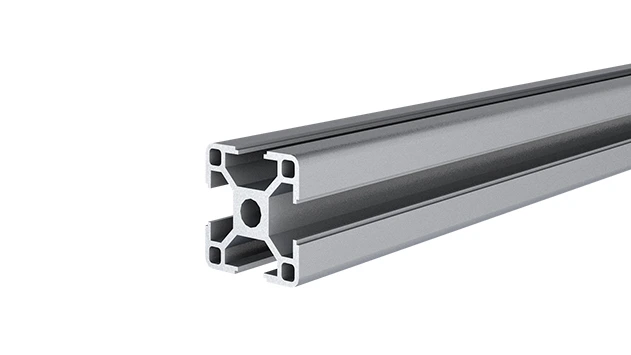
3030 is a 3.00 x 3.00CM fractional 30 series square extrusion T-slot profile with four open T-slots, each side with 3.00cm face. The profile has align-a-grooves to assist in aligning connecting profiles.
Walk into any high-performing manufacturing facility today, and you'll notice a quiet revolution happening on the factory floor. It's not just about faster machines or bigger budgets—it's about how materials move, how workers interact with their tools, and how every square inch of space is optimized to keep production flowing like a well-choreographed dance. At the heart of this revolution lies a humble yet powerful tool: the flow rack. And if flow racks are the arteries of a lean manufacturing system, then the 3030a EU Standard Aluminum Profile is the sturdy, flexible backbone that keeps those arteries strong and adaptable.
In this article, we're diving deep into why the 3030a aluminum profile has become the unsung hero of modern flow racks. We'll explore how its unique design, durability, and versatility are transforming material handling, reducing waste, and empowering teams to build systems that grow with their needs. Whether you're a plant manager looking to cut down on downtime, a lean coordinator aiming to streamline workflows, or simply curious about the tools that make efficient manufacturing possible, this is the story of how a simple piece of extruded aluminum is making big waves in the world of production.
The Role of Flow Racks in Lean Systems: More Than Just Storage
Before we zoom in on the 3030a profile, let's take a step back and understand why flow racks matter. In the world of lean manufacturing, the goal is simple: eliminate waste. That means cutting down on unnecessary movement, reducing inventory buildup, minimizing waiting times, and ensuring that every action adds value to the final product. Flow racks—also known as gravity flow racks—are designed to do exactly that.
Unlike static shelving, flow racks use gravity to move materials from the loading end to the picking end. Think of them as a slide for parts: when a worker takes a component from the front, the next one slides forward automatically. This "first-in, first-out" (FIFO) system ensures older inventory gets used first, reducing the risk of obsolescence. It also cuts down on the time workers spend walking back and forth to retrieve parts—instead of trekking to a distant shelf, everything they need is right at their fingertips, at the right height, and in the right order.
But here's the catch: not all flow racks are created equal. A flimsy rack might wobble under heavy loads, a rigid design might limit how you rearrange your workspace, and low-quality materials could corrode or wear out after just a few years. That's where the choice of frame material becomes critical. And in today's fast-paced factories, aluminum—specifically the 3030a EU Standard Aluminum Profile—has emerged as the top choice for building flow racks that are both robust and responsive.
Meet the 3030a EU Standard Aluminum Profile: The Basics
At first glance, the 3030a aluminum profile might look like just another metal bar. But look closer, and you'll see why it's a game-changer. Let's start with the specs: the "3030a" refers to its dimensions—30mm in width and 30mm in height—with "a" denoting a specific extrusion design that meets strict EU standards for quality and consistency. This isn't just a random piece of metal; it's a precision-engineered component born from the aluminum extrusion process, where molten aluminum is forced through a die to create a uniform, hollow structure with built-in features like T-slots.
Why aluminum? For starters, it's lightweight. A 3030a profile weighs roughly a third of a steel profile of the same size, making it easier to handle during installation and reconfiguration. But don't let the weight fool you—aluminum is surprisingly strong. Thanks to its alloy composition (typically including magnesium and silicon), the 3030a profile can support heavy loads without bending or warping, even in high-traffic industrial environments. And unlike steel, it's naturally resistant to corrosion, so you won't have to worry about rust eating away at your racks, even in humid or dusty settings.
But what really sets the 3030a apart is its adherence to EU standards. These standards ensure that no matter where you source your profiles—whether from a local supplier or an international manufacturer—they'll fit together seamlessly. That means you can mix and match accessories, add extensions, or replace parts without worrying about compatibility issues. In a world where downtime costs money, that kind of reliability is priceless.

Why 3030a Stands Out: Comparing Materials for Flow Racks
You might be wondering: Why not use steel? Or plastic? Both have their place, but when it comes to flow racks, the 3030a aluminum profile offers a unique balance of benefits that's hard to beat. Let's break it down with a quick comparison:
| Material | Strength-to-Weight Ratio | Corrosion Resistance | Customization & Modularity | Long-Term Cost |
|---|---|---|---|---|
| Steel | High strength, but heavy (hard to reconfigure) | Low (prone to rust without coating) | Limited (welding required for modifications) | High (shipping, installation, and maintenance costs add up) |
| Plastic | Low strength (not ideal for heavy loads) | High, but prone to warping in heat | Moderate (limited accessory compatibility) | Low upfront, but short lifespan (needs frequent replacement) |
| 3030a Aluminum Profile | Excellent (strong yet lightweight for easy adjustments) | High (naturally resistant; anodized finishes boost durability) | Exceptional (T-slots allow quick attachment of accessories) | Moderate upfront, but low long-term (minimal maintenance, reusable) |
The key takeaway? Steel is strong but rigid—great for fixed, heavy-duty applications, but a headache if you need to rearrange your layout next quarter. Plastic is cheap and light, but it won't stand up to the daily wear and tear of a busy factory. The 3030a aluminum profile, on the other hand, hits the sweet spot: it's strong enough to support bins of parts, light enough to move when your needs change, and durable enough to last for years with minimal upkeep.
Key Features of 3030a Aluminum Profile: Built for Flow
What makes the 3030a profile so well-suited for flow racks? Let's dive into its standout features:
- Precision Extrusion: The EU standard extrusion process ensures that every 3030a profile has consistent dimensions and smooth surfaces. This precision is crucial for flow racks, where even a tiny misalignment can cause jams in roller tracks or uneven material flow.
- T-Slots for Easy Accessorizing: Run your finger along the length of a 3030a profile, and you'll notice the T-shaped grooves (T-slots) on its sides. These slots are like built-in mounting points for accessories—roller tracks, connectors, shelves, labels, you name it. No drilling, no welding, no hassle: just slide a bolt or bracket into the slot, tighten, and you're done. This makes it easy to add a new shelf, adjust the height of a roller track, or even attach a tool holder in minutes.
- Durable Finishes: Most 3030a profiles come with anodized or powder-coated finishes. Anodizing creates a hard, protective layer that resists scratches and corrosion, while powder coating adds color (think safety yellow or industrial gray) and an extra layer of durability. Both options ensure the profile looks good and performs well, even in messy environments.
- Compatibility with Roller Tracks: Flow racks rely on roller tracks to guide materials from loading to picking. The 3030a profile's T-slots and standardized dimensions make it a perfect match for roller track systems. Whether you're using plastic roller track guide rails (yellow for visibility, gray for a sleek look) or aluminum guide rails, the profile provides a stable base that keeps tracks aligned and rolling smoothly.
- Lightweight for Flexible Layouts: Unlike steel, which often requires heavy machinery to move, 3030a profiles can be carried and adjusted by a small team. That means if your production line needs to shift next month, you won't have to shut down for days to rearrange your flow racks—just loosen a few brackets, move the profiles, and you're back in business.
Real-World Impact: How 3030a Flow Racks Transform Workflows
Numbers and specs tell part of the story, but the real magic of the 3030a profile shines through in how it improves daily life on the factory floor. Let's look at a hypothetical (but realistic) example: a small electronics assembly plant that was struggling with material delays. Their old static shelving meant workers spent 15-20 minutes per hour walking to retrieve parts, and inventory often got stuck in the back of shelves, leading to waste.
After switching to flow racks built with 3030a aluminum profiles, everything changed. The gravity-fed system meant parts slid right to the picking front, cutting walking time by 70%. The T-slots allowed them to add custom dividers and labels, so workers could find parts at a glance. And when they expanded their product line six months later, they simply added more 3030a sections to their existing racks—no need to buy a whole new system. The result? A 25% increase in assembly line throughput and a noticeable drop in worker fatigue.
Another example comes from a food packaging facility. They needed flow racks that could withstand frequent cleaning (to meet hygiene standards) and resist corrosion from moisture. Steel racks had rusted within a year, but 3030a aluminum profiles with anodized finishes held up perfectly. Plus, the lightweight design made it easy to move racks for deep cleaning sessions, reducing downtime during maintenance.
These stories highlight a common theme: the 3030a profile isn't just a material—it's a tool that empowers teams to adapt, grow, and focus on what matters most: making great products.
Beyond Flow Racks: The Versatility of 3030a Aluminum Profiles
While we've focused on flow racks, it's worth noting that the 3030a profile's utility extends far beyond material storage. Thanks to its modular design, it's used to build everything from workbenches and turnover trolleys to machine guards and custom shelving. In fact, many manufacturers start with flow racks and quickly realize they can use the same profiles to create a cohesive, standardized system throughout their facility. That means consistent tooling, easier training for workers, and a more organized, professional-looking workspace.
For example, a lean pipe workbench built with 3030a profiles can be customized with drawers, LED lights, and ESD (electrostatic discharge) surfaces—all attached via T-slots. A turnover trolley made with the same profiles can match the height of the flow racks, ensuring seamless material transfer between stations. It's this versatility that makes the 3030a profile a cornerstone of lean systems, where every component is designed to work together harmoniously.
Choosing the Right Supplier: Why Quality Matters
Of course, not all 3030a profiles are created equal. To get the full benefits, it's crucial to source from a reputable supplier who adheres strictly to EU standards. Look for suppliers who can provide certificates of compliance, offer a range of accessories (like roller track placon mounts, casters, and end caps), and have a track record of delivering consistent quality. A good supplier will also offer technical support—helping you design your flow rack system, choose the right accessories, and troubleshoot any issues that arise.
Remember: A cheap, low-quality profile might save you money upfront, but it could lead to bent tracks, frequent replacements, and costly downtime later. Investing in high-quality 3030a profiles from a trusted supplier is an investment in your facility's long-term efficiency.
Conclusion: The 3030a Profile—Small Component, Big Results
In the end, the 3030a EU Standard Aluminum Profile is more than just a piece of metal. It's a symbol of how smart design and attention to detail can transform the way we work. By combining strength, flexibility, and compatibility, it's enabling manufacturers to build flow racks that aren't just storage solutions—they're strategic assets that reduce waste, boost productivity, and empower teams to do their best work.
Whether you're building a new facility or upgrading an existing one, don't overlook the impact of your flow rack's backbone. Choose the 3030a profile, and you're not just buying aluminum—you're investing in a system that grows with you, adapts to your needs, and keeps your production line flowing smoothly, one part at a time.
So the next time you walk through a factory and see those sleek, efficient flow racks in action, take a moment to appreciate the quiet hero holding it all together: the 3030a EU Standard Aluminum Profile. It may not have the flash of a new robot or the buzz of a cutting-edge software system, but in the world of lean manufacturing, sometimes the most powerful tools are the ones that simply work—day in, day out—making efficiency look easy.