- Company Articles
- Products and Technology
- Product knowledge
- 3030a EU Standard Aluminum Profile for Home Appliance Repair Stations

3030a EU Standard Aluminum Profile for Home Appliance Repair Stations
Related Product
3030A EU Standard Aluminum Profile
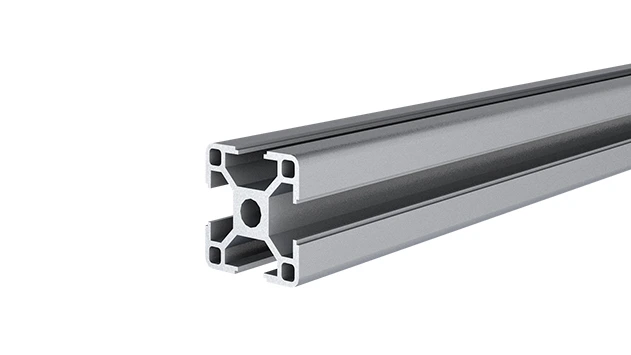
3030 is a 3.00 x 3.00CM fractional 30 series square extrusion T-slot profile with four open T-slots, each side with 3.00cm face. The profile has align-a-grooves to assist in aligning connecting profiles.
The Problem with "Good Enough" Workspaces
Let's set the scene: It's a Tuesday morning at your home appliance repair shop. The phone's been ringing off the hook—Mrs. Henderson's fridge is leaking, Mr. Patel's washing machine won't spin, and a stack of microwaves awaits diagnosis in the corner. You roll up your sleeves, grab your toolkit, and head to the workbench… only to pause. The surface is cluttered with last week's screws, a half-empty soda can, and a bent metal shelf that's been wobbling since you tried to prop up a 50-pound dryer motor on it. You sigh, spend five minutes clearing space, and by the time you're ready to start, Mrs. Henderson is on the line again, asking where her repair stands. Sound familiar?
For too long, home appliance repair shops have made do with "good enough" workspaces—rickety wooden tables, heavy steel benches that never move, or generic shelves that don't quite fit the odd-shaped parts of fridges and ovens. But here's the thing: your workspace shouldn't be an afterthought. It's the foundation of your productivity, the place where you diagnose problems, fix intricate components, and keep track of hundreds of tiny screws, wires, and widgets. A disorganized, flimsy, or ill-fitting workbench doesn't just waste time—it drains your energy, increases errors, and makes even simple repairs feel like a chore.
That's where the
3030a EU Standard Aluminum Profile
comes in. You might be thinking, "Aluminum? Isn't that just for windows or DIY projects?" But trust me—this isn't your average aluminum. It's a modular, durable, and surprisingly versatile building block that's quietly revolutionizing how repair technicians set up their workstations. In this article, we'll dive into why this specific profile is a game-changer for home appliance repair, how it pairs with
aluminum profile accessories
to create custom workbenches, and why it's the secret to building a leaner, more efficient shop—no more wobbly shelves, no more wasted time, and no more "making do."
What Even Is 3030a EU Standard Aluminum Profile?
Let's start with the basics. The "3030a" in the name isn't just a random code—it tells you exactly what you're getting. The first two numbers ("30") refer to the width: 30mm. The next two ("30") refer to the height: also 30mm. So, it's a square profile, 30mm by 30mm, with a cross-section that looks like a tiny, industrial-grade Lego brick. The "a" denotes a specific groove design (the T-slots—more on those later) that's standardized across EU manufacturers, meaning parts from different suppliers will fit together seamlessly. No more guessing if a bracket from Brand X will work with a profile from Brand Y—EU standards ensure compatibility.
Now, the material: aluminum alloy, typically 6063 T5. If you're not a metal expert, that translates to: lightweight but surprisingly strong, corrosion-resistant, and easy to work with. Unlike steel, it won't rust when it gets splashed with soapy water (inevitable when fixing leaky dishwashers). Unlike wood, it won't warp if your shop gets humid in summer or dry in winter. And at just 1.4kg per meter, it's light enough that you can lift a 2-meter section with one hand—critical when you're building or reconfiguring your
workbench
solo.
But the real magic is in the T-slots. Run your finger along the length of the profile, and you'll feel two or four longitudinal grooves (depending on the design) that look like tiny T's. These slots are where the
aluminum profile accessories
come into play: T-slot nuts, bolts, brackets, and connectors slide into these grooves, letting you attach shelves, tool holders, lights, or just about anything else without drilling a single hole. Want to add a shelf 10cm higher next month? Just loosen the bolts, slide the brackets up, and retighten. It's modularity at its finest—and for repair shops, where needs change faster than a microwave's fuse, that flexibility is gold.

Why 3030a Aluminum Profiles Beat Traditional Workbench Materials
Let's be real: when most people think "workbench," they picture a thick wooden slab on four legs, or a heavy steel frame with a metal top. Both have their merits—wood is cheap, steel is tough—but neither is built for the unique demands of home appliance repair. Let's break down the differences with a quick comparison:
| Feature | Wooden Workbench | Steel Workbench | 3030a Aluminum Profile Workbench |
|---|---|---|---|
| Weight (per meter of frame) | 8-12kg (solid oak) | 15-20kg (mild steel) | 1.4kg (aluminum alloy) |
| Max Load Capacity (per shelf) | 50-100kg (depends on wood thickness) | 200-300kg (sturdy, but heavy) | 150-200kg (lightweight but strong—enough for a dryer motor!) |
| Corrosion Resistance | Poor (swells with moisture, rots over time) | Fair (rusts without paint; chips easily) | Excellent (anodized finish resists water, chemicals, and scratches) |
| Customization | Limited (drill holes, glue, or nail—permanent changes) | Difficult (welding required for modifications; heavy to reposition) | Unlimited (T-slots let you add/remove parts in minutes; no tools needed for small tweaks) |
| Ergonomics | Fixed height (hope you like bending or stooping!) | Fixed height (and heavy—forget moving it closer to the appliance) | Adjustable height (telescopic profiles) + caster wheels (lockable for mobility) |
The standout here? Aluminum's combination of strength, lightness, and adaptability. Let's say you need to repair a bulky fridge compressor that weighs 40kg. A wooden shelf might sag over time; a steel bench would handle the weight but require two people to move. With 3030a profiles, you can build a lower shelf rated for 150kg, bolt it to the frame, and if you need to wheel the whole setup closer to the fridge? Just add lockable
caster wheels
to the base—no heavy lifting required. When you're done, lock the casters, and the bench stays steady as a rock.
And let's talk about clutter. Wooden and steel benches force you to work around fixed shelves or hooks. With aluminum profiles, you can mount a tool rail above the work surface using angle brackets, hang magnetic tool holders for screwdrivers, and add a pegboard with bins for screws—all positioned exactly where your hands fall naturally. No more reaching across the bench or bending down to grab a wrench. It's like having a workspace that's custom-tailored to your body and your workflow.
Building Your Dream Repair Workbench: 3030a + Accessories = Perfection
Okay, so you're sold on the profile itself—but how do you turn a pile of aluminum sticks into a functional
workbench
? That's where the
aluminum profile accessories
come in. Think of the 3030a profiles as the bones of your workspace; the accessories are the muscles, tendons, and organs that make it move, adapt, and work for you. Let's walk through the essential accessories and how they transform your bench from "basic" to "best-in-class."
T-Slot Nuts & Bolts:
These tiny heroes are the reason you don't need a drill. T-slot nuts slide into the profile's grooves and twist to lock in place, while bolts thread through brackets or shelves and into the nuts. Want to add a shelf? Slide two T-slot nuts into the vertical profiles, attach angle brackets, lay the shelf on top, and tighten the bolts. Done. Need to move the shelf up? Loosen the bolts, slide the nuts, and retighten. It's so simple, even if you're not "handy," you can do it in 5 minutes.
Angle Brackets & Corner Connectors:
When you're building the frame of your workbench, you'll need to join horizontal and vertical profiles at 90-degree angles. Angle brackets (L-shaped) and corner connectors (which fit inside the profiles) add rigidity—no wobbling, even when you're leaning on the bench to yank a stubborn bolt loose. Pro tip: Look for brackets with rubber gaskets; they prevent metal-on-metal squeaking when you move the bench.
End Caps:
Safety first! The raw ends of aluminum profiles can be sharp, especially if you cut them to length. End caps snap onto the ends, covering the sharp edges and giving your bench a clean, professional look. They come in colors like black, silver, or blue—match your shop's vibe, or keep it neutral.
Caster Wheels:
We've mentioned these before, but they're worth repeating. Lockable
caster wheels
(rated for at least 50kg each) turn your stationary bench into a mobile workstation. Need to repair a washing machine in the corner? Wheel the bench over, lock the casters, and you're ready. Finished? Unlock and roll it back to its spot. No more carrying heavy tools across the shop—bring the tools to the job.
Cable Management Channels:
Let's face it—repair work means cords: soldering irons, multimeters, heat guns, and maybe a small fan for those hot summer days. Dragging cords across the bench is messy and dangerous (tripping hazard!). Cable management channels (which clip into T-slots) let you route cords along the back or sides of the bench, keeping them out of the way but still within reach. Some even have built-in USB ports for charging your phone or tablet—handy for looking up repair manuals on the fly.
LED Light Strips:
Ever tried diagnosing a loose wire in the shadow of a fridge? Not fun. Mount LED light strips under the upper shelf using aluminum brackets, and suddenly every nook and cranny of the workbench is illuminated. Most strips plug into a USB port, so you can power them via the cable management channel—no messy extension cords.
Lean System Principles: Less Waste, More Repairs
You've probably heard of "lean manufacturing"—the philosophy of minimizing waste and maximizing efficiency. But lean isn't just for factories; it's a game-changer for repair shops, too. And 3030a aluminum profiles are the perfect tools to implement lean principles in your workspace. Let's break down the 5S framework (Sort, Set in Order, Shine, Standardize, Sustain) and how aluminum profiles make each step easier.
Sort (Seiri):
Separate what you need from what you don't. A cluttered bench is full of "junk" (old parts, broken tools, that soda can from last week). With aluminum shelves and bins, you can designate spaces for "keep" (frequently used tools), "store" (spare parts), and "toss" (trash). For example, use small plastic bins (attached via T-slot brackets) for screws sorted by size, and label them clearly. No more digging through a mixed bag of hardware—grab the "M4 screws" bin and go.
Set in Order (Seiton):
"A place for everything, and everything in its place." This is where the T-slots shine. Mount your most-used tools (pliers, wire cutters, voltage testers) on a magnetic strip attached to the upper shelf. Hang your soldering iron on a hook bolted to the side of the bench. Even tiny items like fuses or capacitors get their own labeled bins. The goal? You should be able to close your eyes, reach for a tool, and grab it without looking. With aluminum's customizable setup, that's not just a dream—it's doable.
Shine (Seiso):
Keep the workspace clean. Aluminum's smooth, anodized surface wipes clean with a damp cloth—no scrubbing to remove grease or rust. Spill some soapy water while cleaning a dishwasher part? Wipe it up, and the profile won't warp or discolor. Even the
aluminum profile accessories
(like brackets or end caps) are easy to clean—no crevices for dirt to hide in. A clean workspace isn't just nicer to work in; it reduces the risk of losing small parts in the grime.
Standardize (Seiketsu):
Make the new, organized way the norm. Once you've built your perfect workbench, take photos of the setup—where each tool goes, how the bins are labeled, how the cords are routed. New technicians? Show them the photos, and they'll know exactly where everything belongs. Need to reconfigure? No problem—since the setup is modular, you can standardize across multiple benches in your shop, so everyone works the same way. Consistency = less confusion, more speed.
Sustain (Shitsuke):
Maintain the system over time. The best part of aluminum profiles? They're built to last. Unlike wood, which fades or cracks, or steel, which rusts, your 3030a frame will look and function like new for years. And if an accessory wears out (say, a caster wheel gets a flat), you can replace just that part—no need to buy a whole new bench. Sustaining lean habits becomes easy when your workspace is designed to stay organized.
The result? Less time wasted searching for tools, fewer errors (like using the wrong screw), and more time spent actually repairing appliances. One shop we worked with reported a 25% increase in daily repairs after switching to aluminum profile workbenches—all because they cut down on "non-value-added" activities (read: clutter and chaos).
Real-World Repairs: How 3030a Profiles Solve Common Headaches
Let's get specific. How does this setup actually help when you're elbow-deep in a broken appliance? Let's walk through three common repair scenarios and see how a 3030a workbench makes life easier.
Scenario 1: Washing Machine Motor Replacement
Washing machine motors are heavy (15-20kg) and awkwardly shaped. With a traditional bench, you'd have to lift the motor onto the table, risking back strain, and then balance it while disconnecting wires. With a 3030a bench:
- Add a lower shelf at knee height (using telescopic profiles) to set the motor on, reducing bending.
- Mount a small LED light under the upper shelf to illuminate the wiring connections (no more squinting in shadow).
- Attach a magnetic parts tray (via T-slot bolts) to the side of the bench to hold screws and washers—no more losing them on the floor.
Result: What used to take 45 minutes (including 10 minutes of "where did that screw go?") now takes 30 minutes, and your back doesn't ache afterward.
Scenario 2: Refrigerator Evaporator Coil Repair
Evaporator coils are delicate and covered in sharp fins. You need a clean, flat surface to lay them out, plus space for refrigerant tools. With a 3030a bench:
- Use a 12mm thick aluminum honeycomb panel (attached via brackets) as the tabletop—it's lightweight but rigid, so the coils won't bend.
- Add a side rail with hooks for your refrigerant gauges and vacuum pump, keeping hoses off the floor.
- Lock the
caster wheels
to keep the bench steady while you're working, then unlock to roll it out of the way when you're done.
Result: No more accidentally bending fins on a wobbly table, and tools are always within arm's reach.
Scenario 3: Microwave Control Board Troubleshooting
Microwaves have tiny, sensitive circuit boards with hundreds of components. You need magnification, good lighting, and a way to secure the board. With a 3030a bench:
- Mount a swing-arm magnifying lamp (via T-slot bracket) above the work area.
- Use a small vice (bolted to the bench via T-slot nuts) to hold the circuit board steady while you test connections.
- Add a cable management channel to route the lamp's power cord, so it doesn't dangle into your workspace.
Result: You spot the blown capacitor in 5 minutes instead of 20, and the vice keeps the board from slipping while you solder.
Durability & Longevity: This Bench Will Outlive Your Shop (Maybe)
Let's talk about the elephant in the room: cost. Aluminum profiles aren't the cheapest option upfront—you'll pay more than for a basic wooden bench. But here's the thing: this isn't a "buy cheap, buy twice" situation. A 3030a workbench is an investment that will pay for itself in time saved, fewer repairs to the bench itself, and adaptability as your shop grows.
Aluminum alloy 6063 T5 has a tensile strength of 180 MPa—translation: it can handle 18kg of force per square millimeter before bending. For context, your average repair tools and appliance parts exert a fraction of that force. The anodized finish (a layer of aluminum oxide) is 3x harder than raw aluminum, so it resists scratches from tools or dropped parts. Even if you chip the finish, aluminum doesn't rust—unlike steel, which will start corroding the second the paint chips.
And when your needs change? No problem. Expand the bench by adding more profiles and brackets. Convert it into a mobile cart by swapping fixed feet for
caster wheels
. Even if you move to a new shop, you can disassemble the bench into flat-packed profiles and reassemble it in the new space—no need to buy a new one. We've heard of repair shops using the same 3030a frames for 15+ years, with only minor accessory replacements (like worn casters or end caps). That's a lifespan that wooden or steel benches can't touch.
Final Thoughts: Your Workspace Deserves to Work as Hard as You Do
At the end of the day, your workbench isn't just a table—it's your partner in fixing things. It should make your job easier, not harder. It should adapt to your needs, not the other way around. And it should last long enough to see you through hundreds of repairs, from fridges to microwaves to the next big appliance trend.
The
3030a EU Standard Aluminum Profile
isn't just a material—it's a solution. Paired with
aluminum profile accessories
,
caster wheels
, and a little creativity, it lets you build a
workbench
that's custom, efficient, and built to last. It's lean, it's mean, and it's ready to help you fix more appliances, faster, with less stress.
So, the next time you're staring at that wobbly, cluttered workbench, remember: you don't have to "make do." With 3030a aluminum profiles, you can build a workspace that works as hard as you do. And when Mrs. Henderson calls asking about her fridge? You'll be ready—because your bench is set up to win.