- Company Articles
- Products and Technology
- Installation And Maintenance
- 3030a EU Standard Aluminum Profile Maintenance Tips for Extended Lifespan

3030a EU Standard Aluminum Profile Maintenance Tips for Extended Lifespan
Related Product
3030A EU Standard Aluminum Profile
3030 is a 3.00 x 3.00CM fractional 30 series square extrusion T-slot profile with four open T-slots, each side with 3.00cm face. The profile has align-a-grooves to assist in aligning connecting profiles.
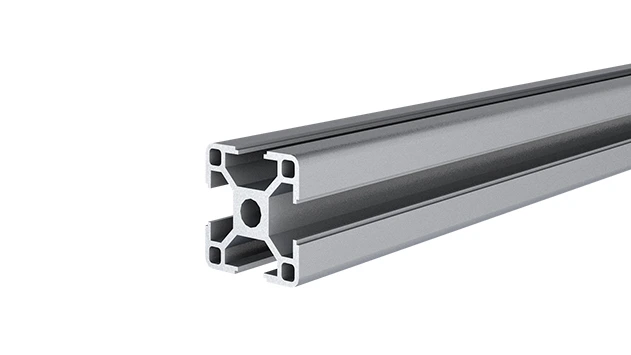
If you've ever walked through a busy workshop, a bustling manufacturing plant, or even a well-organized garage, you've probably seen them—sleek, sturdy structures holding up shelves, supporting workbenches, or forming the backbone of material racks. Chances are, many of those structures are built with aluminum extrusion profiles, and among the most reliable is the 3030a EU Standard Aluminum Profile. Lightweight yet surprisingly strong, this profile has become a go-to for businesses and hobbyists alike, thanks to its versatility and compatibility with a wide range of aluminum profile accessories. But like any hardworking tool or component, it needs a little TLC to keep performing at its best. In this guide, we'll dive into practical, everyday maintenance tips that will help your 3030a profiles last longer, save you time and money on replacements, and keep your workspace running smoothly. Because let's face it—when your tools and structures work, you work better.
Why Maintenance Matters: More Than Just "Looking Good"
Before we jump into the "how," let's talk about the "why." You might be thinking, "It's just a metal profile—how much maintenance can it need?" But here's the thing: the 3030a EU Standard Aluminum Profile isn't just a static piece of material. It's part of a system. Whether it's holding up a workbench where you assemble electronics, supporting a flow rack in a warehouse, or forming the frame of a mobile trolley, it's under constant stress—from weight, vibration, and even the occasional bump or scrape. Over time, small issues like a loose connector, a buildup of grime, or a tiny scratch can snowball into bigger problems. A wobbly workbench might slow down production. A corroded section could weaken the entire structure. And replacing a bent or damaged profile mid-project? That's a frustration no one needs. Proper maintenance isn't about being overly meticulous—it's about preventing those headaches before they start. It's about respecting the tools that help you get the job done.
1. Regular Cleaning: Keep the Grime at Bay
Let's start with the basics: cleaning. Aluminum profiles, even the durable 3030a, are magnets for dust, grease, and debris—especially in busy environments. Over time, that buildup doesn't just look messy; it can trap moisture, hide signs of wear, and even corrode the surface. The good news? Cleaning your profiles is simple, and you probably already have most of the supplies you need.
What You'll Need
- A soft microfiber cloth or a sponge (avoid abrasive scouring pads—they'll scratch the surface)
- Mild dish soap or a specialized aluminum cleaner (stay away from harsh chemicals like bleach or ammonia)
- Warm water (not hot—extreme temperatures can damage the profile's finish)
- A small brush with soft bristles (an old toothbrush works great for tight spots, like the T-slots where aluminum profile accessories attach)
- A dry towel or air compressor (to dry thoroughly after cleaning)
Step-by-Step Cleaning Routine
How often you clean depends on your environment. If your workspace is dusty (think woodworking or metal fabrication), aim for once a week. In cleaner settings, like an electronics assembly area, every two weeks should suffice. Here's how to do it:
- Dust first: Use the dry microfiber cloth to wipe away loose dust and debris. This prevents scratching when you add water later.
- Mix a gentle solution: In a bucket, mix a few drops of mild dish soap with warm water. You don't need much—too much soap can leave a residue.
- Wipe the surfaces: Dip the sponge or cloth into the soapy water, wring it out well (you want it damp, not soaking), and wipe down the profile's surfaces. Pay extra attention to corners and T-slots, where dust loves to hide.
- Scrub gently for tough spots: For grease or sticky residue (like adhesive from labels), use the soft brush dipped in soapy water to gently scrub the area. Let the soapy water sit for 30 seconds if needed, but don't let it dry on the profile.
- Rinse and dry: Wipe the profile again with a clean, damp cloth (no soap this time) to remove any leftover cleaner. Then dry immediately with a towel or blast with air from a compressor—moisture left on aluminum can lead to spots or, over time, corrosion.
Pro tip: If your profiles are outdoors or in a particularly humid area, add a final wipe with a cloth dampened in a 50/50 mix of water and white vinegar. The vinegar helps prevent mildew and adds a slight protective layer—just make sure to rinse and dry afterward to avoid any lingering smell.

2. Inspect and Tighten: The "Check-In" Your Profile Needs
Imagine driving a car without ever checking the oil or tire pressure—sooner or later, something's going to give. The same logic applies to your 3030a aluminum profiles. They're built to handle stress, but the aluminum profile accessories that hold them together—things like connectors, end caps, hinges, and brackets—can loosen over time, especially if the structure is moved, vibrated, or loaded with heavy items. A quick monthly inspection can catch these issues before they turn into bigger problems.
What to Look For
Grab a flashlight and a small wrench or screwdriver, and walk around each structure built with 3030a profiles. Here's what to keep an eye out for:
- Loose connections: Gently shake the structure (if safe to do so) to feel for wobbles. Check where profiles meet—are the connectors or bolts loose? Tighten them with a wrench or screwdriver, but be careful not to overtighten (aluminum threads can strip if forced).
- Damaged end caps: The 3030a profile's ends are often capped with plastic or rubber end caps to prevent dust, moisture, or sharp edges. If an end cap is cracked, missing, or loose, replace it ASAP—exposed ends can collect debris and even become a safety hazard.
- Bent or deformed sections: Aluminum is strong, but it's not indestructible. Look for dents, bends, or warping, especially in areas that might have been bumped or dropped. A small bend might not seem like a big deal, but it can throw off the alignment of shelves or workbenches, leading to uneven weight distribution.
- Worn or cracked accessories: Check aluminum profile accessories like hinges or brackets for signs of wear—cracks, rust (if they're metal), or brittleness (if plastic). For example, a cracked hinge on a fold-down shelf might cause the shelf to sag or even collapse under weight.
- Corrosion or discoloration: Aluminum naturally forms a thin oxide layer that protects it from corrosion, but if that layer is damaged (by scratches, harsh chemicals, or salt), rust-like spots (called "white rust") can form. We'll cover how to treat this later, but catching it early is key.
Make this a team effort! If you work in a shop with colleagues, assign someone to do a quick "profile check" each week. It takes 10 minutes, and it's a great way to keep everyone invested in the workspace's upkeep.
3. Protect Against Corrosion: Keep the "White Rust" Away
Aluminum is known for being corrosion-resistant, but that doesn't make it invincible. The 3030a EU Standard Aluminum Profile typically comes with a protective anodized finish, which gives it that matte, silver-gray look and adds an extra layer of defense against the elements. But even with that finish, exposure to certain conditions—like high humidity, saltwater (if used outdoors near the coast), or contact with chemicals like battery acid or oil—can lead to corrosion. The most common type is "white rust," a powdery, white substance that forms on the surface. It's not as destructive as iron rust, but if left untreated, it can eat away at the finish and weaken the profile over time.
How to Prevent Corrosion
The best defense is a good offense. Here are simple steps to keep corrosion at bay:
- Keep it dry: If your profiles are in a humid area (like a garage with poor ventilation), use a dehumidifier or fans to reduce moisture. Wipe up spills immediately, especially if they're acidic (like battery fluid) or oily.
- Avoid harsh chemicals: When cleaning, stick to mild soap and water. Steer clear of bleach, ammonia, or industrial solvents—they can strip the anodized finish, leaving the aluminum vulnerable.
- Apply a protective coating (if needed): For profiles used outdoors or in extra-harsh environments, consider applying a thin layer of clear, aluminum-safe wax or sealant. This adds an extra barrier against moisture and salt.
Treating Minor Corrosion
If you spot white rust, don't panic—it's often fixable. Here's how to treat it:
- Clean the area with warm, soapy water and a soft cloth to remove any loose debris.
- Dampen a cloth with white vinegar (it's mild enough not to damage the finish) and gently rub the corroded spot. Let it sit for 5–10 minutes, then wipe clean.
- Rinse with water and dry thoroughly. If the spot is still visible, repeat the process. For stubborn areas, use a very fine-grit sandpaper (400 grit or higher) to gently buff the surface, then clean and dry again.
- Apply a thin coat of clear wax to protect the treated area.
3. Handle with Care: How to Avoid Unnecessary Damage
Even the toughest materials can be damaged by rough handling. Whether you're assembling a new structure, moving an existing one, or just storing extra profiles, a little care goes a long way in preserving your 3030a aluminum profiles.
Moving Structures Safely
If you need to move a workbench, shelf, or trolley built with 3030a profiles, avoid dragging or dropping it. Aluminum is lightweight, but sudden impacts can bend or dent the profiles, and dragging can scratch the finish. Instead:
- Empty the structure first—removing weight makes it easier to move and reduces stress on the profiles.
- Use a dolly or have a friend help lift it (always lift with your legs, not your back!).
- Place a soft blanket or cardboard under the structure if sliding is necessary to protect the floor and the profile's finish.
Storing Extra Profiles
Got extra 3030a profiles lying around? Don't just toss them in a corner—proper storage keeps them straight, clean, and ready to use. Here's how:
- Keep them dry: Store profiles in a cool, dry area away from direct sunlight (which can fade the finish) and moisture (which can lead to corrosion).
- Support them evenly: Lay profiles flat on a rack or shelf, or lean them vertically against a wall, making sure they're supported along their entire length to prevent bending. Avoid stacking heavy items on top of them.
- Cover them up: If storing for a long time, wrap profiles in a breathable cloth (not plastic, which can trap moisture) to keep dust off.
4. Troubleshooting Common Issues: Quick Fixes for Everyday Problems
Even with the best maintenance, issues can pop up. Here's a handy guide to common problems with 3030a aluminum profiles and how to fix them:
| Problem | Common Cause | Solution |
|---|---|---|
| Wobbly workbench or shelf | Loose connectors or bolts; uneven weight distribution | Tighten all connectors with a wrench. Rearrange items to distribute weight evenly. Add cross-braces if needed for extra stability. |
| Scratched or dull finish | Rough handling, contact with abrasive materials | For minor scratches: Buff with a soft cloth and aluminum polish. For deeper scratches: Use fine-grit sandpaper (400+ grit) to smooth the area, then polish. |
| Profile won't fit into a connector | Dirt or debris in the T-slot; bent profile end | Clean the T-slot with a small brush or compressed air. If the end is bent, gently straighten it with pliers (be careful not to over-bend). |
| End cap keeps falling off | Damaged end cap; debris in the profile end | Remove any debris from the profile end. If the end cap is cracked, replace it with a new 3030a compatible end cap. |
5. Long-Term Care: Investing in Your Profile's Future
Think of your 3030a aluminum profiles as a long-term investment. With proper care, they can last for decades, but a little extra attention every few years can extend their lifespan even further. Here are some long-term care tips:
Refinish When Needed
Over time, the anodized finish on aluminum profiles can fade or wear thin, especially in high-traffic areas. If your profiles start to look dull or show signs of consistent wear, consider refinishing them. You can buy anodizing kits online for small projects, or hire a professional for larger structures. A fresh finish not only looks better but also adds a new layer of protection against corrosion.
Upgrade Accessories
Aluminum profile accessories evolve, and newer, more durable options may become available. For example, if your current connectors are plastic and keep cracking, consider upgrading to metal ones. Or swap out old, brittle end caps for newer, more flexible ones. Upgrading accessories can breathe new life into an older structure and improve its performance.
Integrate with Lean Systems
Many businesses use lean systems to streamline operations, and maintenance is a key part of that. Take a page from lean principles and incorporate profile maintenance into your regular workflow. For example, assign a team member to inspect profiles during weekly cleanup, or set calendar reminders for monthly tightening checks. By making maintenance a routine, you'll ensure it never gets overlooked.
Final Thoughts: Your Profile, Your Workspace, Your Success
At the end of the day, maintaining your 3030a EU Standard Aluminum Profile isn't just about keeping metal shiny or structures stable—it's about respecting the tools and systems that help you do what you do. Whether you're running a small workshop or managing a large manufacturing facility, a well-maintained workspace is a productive workspace. By taking 10–15 minutes each month to clean, inspect, and care for your profiles and aluminum profile accessories, you'll save yourself the hassle of unexpected breakdowns, reduce costs, and keep your projects moving forward. And isn't that what it's all about? Keeping the momentum, staying efficient, and knowing that the structures you rely on will be there, strong and steady, for years to come.
So grab that microfiber cloth, tighten those connectors, and give your 3030a profiles the care they deserve. Your future self (and your workspace) will thank you.