- Company Articles
- Products and Technology
- Application Cases
- 3030b EU Standard Aluminum Profile in Mechanical Manufacturing: Tool Stand Applications

3030b EU Standard Aluminum Profile in Mechanical Manufacturing: Tool Stand Applications
Related Product
3030B EU Standard Aluminum Profile
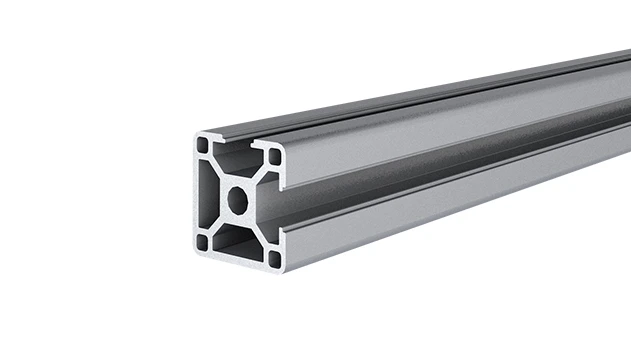
3030 is a 3.00 x 3.00CM fractional 30 series square extrusion T-slot profile with two side open T-slots, each side with 3.00cm face, 2 side with open slot, 2 side with closed face. The profile has align-a-grooves to assist in aligning connecting profiles.
Walk into any mechanical manufacturing facility, and you'll quickly notice a silent workhorse keeping operations running smoothly: the tool stand. These unassuming structures hold everything from precision drills and torque wrenches to measuring tools and spare parts, acting as the backbone of organized, efficient workflows. But not all tool stands are created equal. Many facilities still rely on heavy, one-size-fits-all steel stands or rickety wooden shelves that warp over time—leading to wasted time, disorganized tools, and even safety risks. Enter the 3030b EU Standard Aluminum Profile: a lightweight, versatile, and durable solution that's redefining how manufacturers design and use tool stands. In this article, we'll explore why this specific aluminum profile has become a go-to choice, how it's assembled, and the real-world impact it brings to manufacturing floors.
The Unsung Hero of Manufacturing: Why Tool Stands Matter More Than You Think
Tool stands might not grab headlines, but their role in manufacturing efficiency is undeniable. A well-designed tool stand reduces the time workers spend searching for tools (studies show this can save up to 20% of a shift), minimizes the risk of tool damage from being dropped or misplaced, and promotes ergonomic workspaces by keeping tools at the optimal height. For example, in an automotive assembly line, a misplaced torque wrench can delay production by minutes—costing thousands in lost output. In aerospace manufacturing, where precision is critical, disorganized tools increase the risk of human error. Traditional tool stands, however, often fall short: steel stands are heavy and hard to reposition, wooden ones lack durability, and plastic options can't support heavy tools. This is where modular, adaptable solutions like the 3030b aluminum profile step in—offering a balance of strength, flexibility, and cost-effectiveness that traditional materials can't match.
What Is the 3030b EU Standard Aluminum Profile, Exactly?
At its core, the 3030b is a type of aluminum extrusion profile defined by its dimensions (30mm x 30mm cross-section) and compliance with EU manufacturing standards. But it's more than just a metal bar—it's a precision-engineered component designed for modularity and functionality. Made from high-grade aluminum alloy (typically 6063-T5, known for its excellent strength-to-weight ratio), the 3030b profile features a T-slot design along its length. These slots are the secret to its versatility: they allow for easy attachment of accessories like brackets, shelves, and casters without welding or drilling. EU standard compliance ensures consistent quality, dimensional accuracy, and safety—important factors for manufacturers operating in regulated industries like medical device production or automotive, where component reliability is non-negotiable.
The "b" in 3030b refers to specific design variations, such as wall thickness or slot configuration, which may vary slightly by manufacturer but always adhere to EU norms. For tool stand applications, this consistency is key: it means parts from different suppliers (like aluminum profile accessories or connectors) will fit together seamlessly, reducing assembly headaches and ensuring interchangeability.

5 Features of 3030b Aluminum Profile That Make It Perfect for Tool Stands
1. Lightweight Yet Surprisingly Strong
Aluminum is about one-third the weight of steel, making 3030b profiles easy to handle during assembly and repositioning. A 1-meter length of 3030b weighs roughly 0.8kg, compared to 2.3kg for a similar steel profile. This lightness doesn't compromise strength, though: the 6063-T5 alloy can support up to 150kg per linear meter when properly braced—more than enough for holding power tools, toolboxes, and spare parts. For workers who need to move tool stands around the shop floor, this weight difference is a game-changer, reducing fatigue and injury risk.
2. Corrosion Resistance for Longevity
Mechanical shops are often harsh environments, with exposure to oils, coolants, and humidity—all of which can corrode steel over time. Aluminum, however, naturally forms a protective oxide layer that resists rust and corrosion. Many 3030b profiles also come with an anodized finish, which thickens this layer and adds scratch resistance. This means a 3030b tool stand will maintain its structural integrity and appearance for years, even in busy workshops, reducing the need for frequent replacements.
3. T-Slot Design: The Ultimate in Customization
The T-slots running along the 3030b's length are its most defining feature. These slots allow for quick attachment of aluminum profile accessories like 90° connectors, shelf brackets, or caster wheel mounts using T-nuts and bolts. Need to add a second shelf halfway up the tool stand? Simply slide a bracket into the slot, tighten the bolt, and you're done—no drilling or welding required. This flexibility lets manufacturers tailor tool stands to their exact needs, whether that's adding a roller track for sliding tool bins or mounting a power strip for corded tools.
4. Modularity: Grow and Adapt With Your Needs
Manufacturing needs change over time: a new tool might require more shelf space, or a production line reconfiguration might demand taller stands. 3030b profiles excel here because they're inherently modular. You can extend a tool stand by adding more profiles, swap out accessories, or even disassemble and rebuild it into a completely different structure (like a turnover trolley or material rack) if needed. This adaptability reduces waste and ensures your initial investment in 3030b profiles continues to deliver value as your operations evolve.
5. Cost-Effective Over the Long Haul
While 3030b aluminum profiles may have a higher upfront cost than basic steel or wood, their longevity and low maintenance make them more economical over time. Steel stands need painting to prevent rust; wooden ones warp and rot; plastic ones crack under heavy loads. 3030b stands, by contrast, require minimal upkeep—just occasional cleaning with a damp cloth. Their modularity also means you won't need to replace the entire stand when needs change, only add or swap components. For lean system suppliers and manufacturers focused on reducing waste, this long-term cost savings is a significant advantage.
Building Your First 3030b Tool Stand: A Step-by-Step Guide
Assembling a tool stand with 3030b profiles is surprisingly straightforward, even for those with limited DIY experience. Here's a simplified breakdown of the process and key components:
Step 1: Plan Your Design
Start by defining your tool stand's purpose: Will it hold heavy power tools, or lightweight hand tools? Do you need it to be mobile (with caster wheels) or stationary? Measure the height, width, and depth based on your workspace and tools. Sketching a quick diagram helps—include features like shelves, a workbench top, or a roller track for sliding bins.
Step 2: Gather Materials
You'll need: 3030b aluminum profiles (cut to your desired lengths), aluminum profile accessories (connectors, brackets, end caps), a workbench surface (plywood, metal, or anti-static material for ESD environments), caster wheels (lockable for stability), and fasteners (T-nuts, bolts, washers). Most lean system suppliers offer pre-cut profiles and accessory kits, simplifying sourcing.
Step 3: Assemble the Frame
Begin with the vertical legs: cut four 3030b profiles to your desired height (typically 80-100cm for ergonomic access). Connect them with horizontal profiles at the top, bottom, and middle using 90° connectors—these slide into the T-slots and secure with bolts. Adding diagonal braces (using 45° connectors) increases stability, especially for taller stands or heavy loads.
Step 4: Add Shelves and Workbench Surface
Mount shelf brackets at your desired heights using T-nuts, then attach the workbench top or shelves. For added functionality, install a roller track along one shelf to slide tool trays in and out easily. Roller tracks are simple to attach: their brackets fit into the T-slots, and the rollers allow smooth movement of parts or tools—ideal for assembly line work where quick access is key.
Step 5: Add Mobility (Optional)
Attach caster wheels to the bottom of the vertical legs using mounting plates. Opt for lockable caster wheels to keep the stand stationary when in use and mobile when needed. Make sure the casters are rated for the total weight of the stand plus tools—most standard casters support up to 50kg each, so four casters can handle 200kg easily.
Real-World Impact: How 3030b Tool Stands Transform Manufacturing Floors
To understand the difference 3030b tool stands make, consider a fictional (but realistic) scenario: a mid-sized electronics manufacturer producing circuit boards. Previously, the company used heavy steel tool stands that were bolted to the floor. When they introduced a new product line requiring different tools, reconfiguring the stands meant hiring a welder and shutting down the line for a day—costing $5,000 in downtime. After switching to 3030b aluminum stands, the team can now rearrange shelves, add roller tracks, or adjust heights in under an hour using basic hand tools. The stands are also mobile, so they can be moved to where they're needed most during peak production. Over six months, the company estimates saving $20,000 in downtime and labor costs, not to mention fewer workplace injuries from lifting heavy tools.
Another example is a furniture manufacturer that uses 3030b stands with custom workbench tops. By adding aluminum profile accessories like tool hooks and adjustable shelves, each stand is tailored to the specific tasks of the worker using it—reducing tool search time by 30% and increasing daily output by 15%. The stands' corrosion resistance also means they hold up well in the workshop's humid environment, unlike the wooden stands they replaced, which needed replacing every 2-3 years.
Comparison Table: 3030b vs. Traditional Tool Stand Materials
| Feature | 3030b Aluminum Profile | Steel | Wood | Plastic |
|---|---|---|---|---|
| Weight (per meter) | ~0.8kg | ~2.3kg | ~1.2kg (pine) | ~0.6kg (PVC) |
| Customization Ease | High (T-slots, modular accessories) | Low (requires welding/drilling) | Medium (screws/nails, limited reusability) | Low (fixed shape, weak joints) |
| Corrosion Resistance | Excellent (oxide layer + anodizing) | Poor (rusts without paint/coating) | Poor (warps with moisture) | Good (but prone to cracking) |
| Long-Term Cost | Low (durable, reusable, low maintenance) | High (maintenance, replacement costs) | Medium (needs replacement every 2-3 years) | High (breaks easily, short lifespan) |
Maintaining Your 3030b Tool Stand: Tips for Longevity
3030b aluminum tool stands are low-maintenance, but a little care goes a long way. Here's how to keep yours in top shape:
- Clean Regularly: Wipe down profiles and accessories with a damp cloth to remove dust, oil, or coolant. Avoid abrasive cleaners that scratch the anodized finish.
- Check Connections: Tighten bolts and T-nuts periodically—vibration from tools can loosen them over time.
- replace Worn Parts: Caster wheels and roller track bearings may wear out with heavy use. Most aluminum profile accessories are inexpensive to replace individually, so you won't need a new stand.
- Protect During Transport: If moving the stand, lock the caster wheels and secure tools to prevent tipping. Use end caps to protect T-slots from debris.
Choosing the Right Supplier: What to Look For
Not all 3030b suppliers are the same. When sourcing profiles and accessories, prioritize lean system suppliers with a track record of EU standard compliance. Look for suppliers that offer:
- Material Certifications: Ensure profiles are made from 6063-T5 aluminum alloy and meet EU RoHS or REACH standards if applicable.
- Custom Cutting: Suppliers that cut profiles to your exact length save time and reduce waste.
- Accessory Compatibility: A wide range of aluminum profile accessories (connectors, casters, roller tracks) ensures you can customize your stand fully.
- Technical Support: Helpful customer service to assist with design questions or troubleshooting assembly issues.
Conclusion: 3030b Aluminum Profile—More Than a Tool Stand, a Foundation for Efficiency
In mechanical manufacturing, where every second and every square foot of space counts, the right tool stand isn't just a piece of equipment—it's a productivity multiplier. The 3030b EU Standard Aluminum Profile stands out as the ideal material for these stands, offering unmatched flexibility, durability, and cost-effectiveness. Its lightweight design, T-slot customization, and compatibility with aluminum profile accessories like caster wheels and roller tracks make it easy to build tool stands that adapt to your changing needs. Whether you're a small workshop or a large production facility, investing in 3030b tool stands isn't just about organizing tools—it's about building a more efficient, agile, and safe manufacturing environment. As lean manufacturing principles continue to shape the industry, modular solutions like 3030b will only grow in importance, proving that sometimes the most impactful innovations are the ones that quietly hold everything together.