- Company Articles
- Products and Technology
- Installation And Maintenance
- 3030b EU Standard Aluminum Profile Maintenance Tips: Extending Lifespan

3030b EU Standard Aluminum Profile Maintenance Tips: Extending Lifespan
Related Product
3030B EU Standard Aluminum Profile
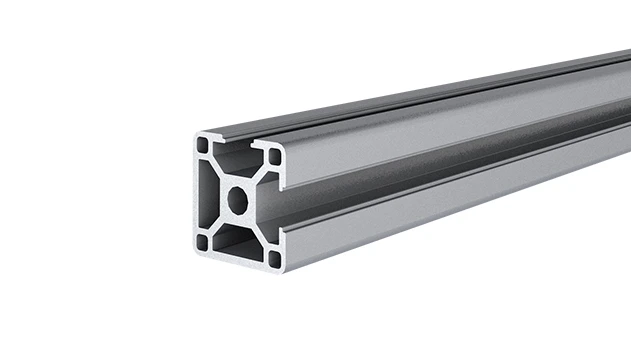
3030 is a 3.00 x 3.00CM fractional 30 series square extrusion T-slot profile with two side open T-slots, each side with 3.00cm face, 2 side with open slot, 2 side with closed face. The profile has align-a-grooves to assist in aligning connecting profiles.
Introduction: Why Your Aluminum Profile Deserves Care
If you've ever walked through a busy manufacturing floor, a sleek warehouse, or even a well-organized workshop, chances are you've seen the unsung hero of industrial efficiency: the aluminum profile. Specifically, the 3030b EU Standard Aluminum Profile—with its precise dimensions, robust build, and compatibility with a wide range of aluminum profile accessories—has become a backbone for everything from workbenches and material racks to lean system setups. It's lightweight yet surprisingly strong, resistant to rust (thanks to aluminum's natural oxide layer), and endlessly customizable. But here's the thing: even the most durable materials need a little TLC. Without proper maintenance, that shiny new profile supporting your production line today might start showing signs of wear, corrosion, or structural weakness in just a few years. And when that happens, it's not just about aesthetics—loose joints, bent rails, or sticky caster wheels can slow down workflows, compromise safety, and even lead to costly replacements. So let's dive into how to keep your 3030b EU Standard Aluminum Profile (and all its accompanying parts) in top shape for the long haul.
Understanding Your 3030b EU Standard Aluminum Profile
Before we jump into maintenance, let's make sure we're on the same page about what exactly we're caring for. The 3030b EU Standard Aluminum Profile is part of a family of extruded aluminum shapes designed for modular construction. Its name gives a clue: "3030" refers to its cross-section dimensions (30mm x 30mm), and "EU Standard" means it adheres to strict European manufacturing specs for consistency and quality. Unlike generic aluminum pipes, this profile features T-slots along its length—those handy grooves that let you slide in bolts, brackets, or other aluminum profile accessories without drilling. This design is what makes it so versatile: you can build a workbench one month, reconfigure it into a material rack the next, or integrate it into a lean system for seamless production flow. But those T-slots, joints, and the profile's surface itself are all vulnerable to damage if neglected. Think of it like a high-performance car—great out of the box, but it'll run better (and longer) with regular check-ups.

1. Regular Cleaning: The First Line of Defense
Let's start with the basics: dirt, grease, and grime are the enemies of any aluminum surface. When left unchecked, they can trap moisture, eat away at the protective oxide layer, and even cause the T-slots to clog—making it hard to attach accessories later. So how do you clean your 3030b profile properly?
What You'll Need: A soft microfiber cloth, a bucket of warm water, mild dish soap (avoid harsh detergents or abrasive cleaners), a soft-bristled brush (like an old toothbrush for tight spots), and a dry towel for drying.
The Process: Start by wiping down the profile with a dry cloth to remove loose dust and debris. Then, mix a few drops of mild soap into warm water and dip the cloth or brush into the solution. Gently scrub the surface, paying extra attention to the T-slots—this is where dirt loves to hide. For stubborn grease (common in manufacturing settings), you might need to use a specialized aluminum cleaner, but always test it on a small, hidden area first to avoid discoloration. Once you've scrubbed, rinse the cloth thoroughly and wipe away any soap residue. Finally, dry the profile completely with a towel—never let it air-dry, as standing water can lead to spots or corrosion.
Frequency: Aim for a quick wipe-down every week if the profile is in a high-traffic area (like a workbench used daily). For less busy setups (e.g., a storage rack in a warehouse), a monthly deep clean should suffice. And don't forget the accessories! If your profile is part of a mobile setup with caster wheels, take a minute to wipe down the wheels and their brackets—grit on caster wheels can scratch floors and make movement jerky, which puts extra stress on the profile joints.
What You'll Need: A soft microfiber cloth, a bucket of warm water, mild dish soap (avoid harsh detergents or abrasive cleaners), a soft-bristled brush (like an old toothbrush for tight spots), and a dry towel for drying.
The Process: Start by wiping down the profile with a dry cloth to remove loose dust and debris. Then, mix a few drops of mild soap into warm water and dip the cloth or brush into the solution. Gently scrub the surface, paying extra attention to the T-slots—this is where dirt loves to hide. For stubborn grease (common in manufacturing settings), you might need to use a specialized aluminum cleaner, but always test it on a small, hidden area first to avoid discoloration. Once you've scrubbed, rinse the cloth thoroughly and wipe away any soap residue. Finally, dry the profile completely with a towel—never let it air-dry, as standing water can lead to spots or corrosion.
Frequency: Aim for a quick wipe-down every week if the profile is in a high-traffic area (like a workbench used daily). For less busy setups (e.g., a storage rack in a warehouse), a monthly deep clean should suffice. And don't forget the accessories! If your profile is part of a mobile setup with caster wheels, take a minute to wipe down the wheels and their brackets—grit on caster wheels can scratch floors and make movement jerky, which puts extra stress on the profile joints.
2. Protecting Against Corrosion: Aluminum's Achilles' Heel
Aluminum is naturally corrosion-resistant, but it's not invincible. In humid environments, near chemicals (like oils or solvents), or in outdoor settings, even the 3030b profile can develop white, powdery corrosion (called "white rust"). The good news is that preventing this is easier than fixing it.
Coatings: For profiles in high-moisture areas (e.g., near wash stations or in coastal factories), consider applying a clear protective coating. Look for products labeled "aluminum sealant" or "clear lacquer for metal"—these form a barrier that locks out moisture. Apply it according to the manufacturer's instructions, usually with a soft brush or spray can, and reapply every 6–12 months.
Environmental Controls: If possible, keep your aluminum profiles away from direct contact with water, chemicals, or salt. For example, if you're using the profile in a lean system near a conveyor belt that uses lubricants, place a drip tray under the conveyor to catch spills. In warehouses, use dehumidifiers during rainy seasons to keep humidity levels below 60%.
Immediate Action on Spills: Accidents happen. If oil, coolant, or another chemical spills on the profile, wipe it up immediately with a dry cloth, then clean the area with soap and water as described earlier. The longer a spill sits, the more damage it can do.
Coatings: For profiles in high-moisture areas (e.g., near wash stations or in coastal factories), consider applying a clear protective coating. Look for products labeled "aluminum sealant" or "clear lacquer for metal"—these form a barrier that locks out moisture. Apply it according to the manufacturer's instructions, usually with a soft brush or spray can, and reapply every 6–12 months.
Environmental Controls: If possible, keep your aluminum profiles away from direct contact with water, chemicals, or salt. For example, if you're using the profile in a lean system near a conveyor belt that uses lubricants, place a drip tray under the conveyor to catch spills. In warehouses, use dehumidifiers during rainy seasons to keep humidity levels below 60%.
Immediate Action on Spills: Accidents happen. If oil, coolant, or another chemical spills on the profile, wipe it up immediately with a dry cloth, then clean the area with soap and water as described earlier. The longer a spill sits, the more damage it can do.
3. Caring for Joints and Aluminum Profile Accessories
A profile is only as strong as its connections. The joints, brackets, bolts, and other aluminum profile accessories that hold your setup together are critical for structural integrity. Here's how to keep them in check:
Inspect for Looseness: Over time, vibrations from machinery or regular use can loosen bolts and joints. Once a month, go through your setup and gently wiggle the joints—if they move, it's time to tighten them. Use the right tool for the job (usually an Allen wrench or socket set) and avoid over-tightening, as this can strip the threads or warp the profile.
Clean Accessories: Small accessories like brackets, connectors, or end caps can also collect dirt. Remove them (if possible) and clean them separately with soap and water, then dry thoroughly before reattaching. For metal accessories, check for rust—if you spot any, sand it off with fine-grit sandpaper and apply a small amount of anti-rust spray.
Lubricate Moving Parts: If your setup includes moving components (like caster wheels on a workbench or roller tracks in a lean system), don't forget to lubricate them. For caster wheels, a drop of silicone-based lubricant on the axles (if they're not sealed) can keep them rolling smoothly. Avoid oil-based lubricants, as they attract dirt.
replace Worn Parts: Accessories don't last forever. If a bracket is bent, a bolt is stripped, or a caster wheel is cracked, replace it immediately. Using damaged accessories puts extra stress on the profile, which can lead to bending or breaking over time.
Inspect for Looseness: Over time, vibrations from machinery or regular use can loosen bolts and joints. Once a month, go through your setup and gently wiggle the joints—if they move, it's time to tighten them. Use the right tool for the job (usually an Allen wrench or socket set) and avoid over-tightening, as this can strip the threads or warp the profile.
Clean Accessories: Small accessories like brackets, connectors, or end caps can also collect dirt. Remove them (if possible) and clean them separately with soap and water, then dry thoroughly before reattaching. For metal accessories, check for rust—if you spot any, sand it off with fine-grit sandpaper and apply a small amount of anti-rust spray.
Lubricate Moving Parts: If your setup includes moving components (like caster wheels on a workbench or roller tracks in a lean system), don't forget to lubricate them. For caster wheels, a drop of silicone-based lubricant on the axles (if they're not sealed) can keep them rolling smoothly. Avoid oil-based lubricants, as they attract dirt.
replace Worn Parts: Accessories don't last forever. If a bracket is bent, a bolt is stripped, or a caster wheel is cracked, replace it immediately. Using damaged accessories puts extra stress on the profile, which can lead to bending or breaking over time.
4. Handling and Storage: Preventing Damage Before It Happens
Maintenance isn't just about cleaning and inspecting—it's also about how you handle and store your 3030b profiles when they're not in use. Even a small dent or scratch can weaken the profile and create a starting point for corrosion.
Handling Tips: Always lift profiles from both ends—never drag them across the floor, as this can scratch the surface or bend the T-slots. If you're carrying long lengths, use a helper or a cart to avoid bending. When attaching accessories, use the right size bolts and don't force them into the T-slots—if they don't fit, check for debris or use a deburring tool to smooth any rough edges.
Storage Tips: If you have extra profiles or need to store a disassembled setup, keep them in a dry, climate-controlled area. Lay them flat on a rack (don't stack them vertically, as this can cause bending) and separate them with foam padding to prevent scratches. For short-term storage, cover them with a breathable tarp to keep out dust, but avoid plastic sheets—they can trap moisture. And never store profiles near chemicals, fertilizers, or salt, as these can corrode the aluminum even through packaging.
Handling Tips: Always lift profiles from both ends—never drag them across the floor, as this can scratch the surface or bend the T-slots. If you're carrying long lengths, use a helper or a cart to avoid bending. When attaching accessories, use the right size bolts and don't force them into the T-slots—if they don't fit, check for debris or use a deburring tool to smooth any rough edges.
Storage Tips: If you have extra profiles or need to store a disassembled setup, keep them in a dry, climate-controlled area. Lay them flat on a rack (don't stack them vertically, as this can cause bending) and separate them with foam padding to prevent scratches. For short-term storage, cover them with a breathable tarp to keep out dust, but avoid plastic sheets—they can trap moisture. And never store profiles near chemicals, fertilizers, or salt, as these can corrode the aluminum even through packaging.
5. Inspection Checklist: Catching Problems Early
Even with regular cleaning and care, issues can slip through the cracks. That's why a structured inspection routine is key. Below is a quick checklist to follow monthly—spending 10–15 minutes now can save you hours of repairs later.
| Inspection Task | What to Look For | Action If Found |
|---|---|---|
| Surface Check | Scratches, dents, or discoloration | Buff minor scratches with fine sandpaper; replace severely dented profiles |
| T-Slot Inspection | Dirt, debris, or bent edges | Clean with a brush; use a T-slot cleaner tool to straighten bent edges |
| Joint Tightness | Loose bolts or wobbly connections | Tighten with appropriate tools; replace stripped bolts |
| Corrosion Spots | White or gray powdery patches | Clean with vinegar (diluted 1:1 with water), rinse, dry, and apply sealant |
| Accessory Condition | Cracked brackets, worn caster wheels, or broken connectors | replace damaged accessories immediately |
6. Troubleshooting Common Issues
Even with the best care, you might run into problems. Here's how to fix some of the most common issues with 3030b EU Standard Aluminum Profiles:
Minor Scratches: For shallow scratches, use 400-grit sandpaper to gently buff the area in a circular motion. Wipe away dust, then apply a clear aluminum sealant to protect the spot.
White Rust (Corrosion): Mix equal parts white vinegar and water, apply to the affected area with a cloth, and let it sit for 5–10 minutes. Scrub gently with a brush, rinse thoroughly, dry, and apply a sealant to prevent recurrence.
Bent T-Slots: Use a T-slot repair tool (available from aluminum profile suppliers) to carefully straighten the slot edges. If the bend is severe, the profile may need to be replaced.
Sticky Caster Wheels: Remove the wheel, clean the axle with a cloth, and apply a drop of silicone lubricant. If the wheel is cracked or the bearing is seized, replace the caster.
Minor Scratches: For shallow scratches, use 400-grit sandpaper to gently buff the area in a circular motion. Wipe away dust, then apply a clear aluminum sealant to protect the spot.
White Rust (Corrosion): Mix equal parts white vinegar and water, apply to the affected area with a cloth, and let it sit for 5–10 minutes. Scrub gently with a brush, rinse thoroughly, dry, and apply a sealant to prevent recurrence.
Bent T-Slots: Use a T-slot repair tool (available from aluminum profile suppliers) to carefully straighten the slot edges. If the bend is severe, the profile may need to be replaced.
Sticky Caster Wheels: Remove the wheel, clean the axle with a cloth, and apply a drop of silicone lubricant. If the wheel is cracked or the bearing is seized, replace the caster.
Conclusion: The Payoff of Proper Maintenance
Maintaining your 3030b EU Standard Aluminum Profile might seem like a small task, but its impact is huge. By spending a little time each week cleaning, inspecting, and caring for your profile and its aluminum profile accessories, you'll extend its lifespan by years—saving money on replacements and avoiding costly downtime. Plus, a well-maintained setup looks professional, boosts team morale, and ensures that your lean system, workbench, or material rack operates at peak efficiency. Remember: your aluminum profile is more than just a piece of metal—it's an investment in your workflow, safety, and success. Treat it right, and it will return the favor.