- Company Articles
- Products and Technology
- Installation And Maintenance
- 3030r EU Standard Aluminum Profile Maintenance: Cleaning & Longevity Tips

3030r EU Standard Aluminum Profile Maintenance: Cleaning & Longevity Tips
Related Product
3030R EU Standard Aluminum Profile
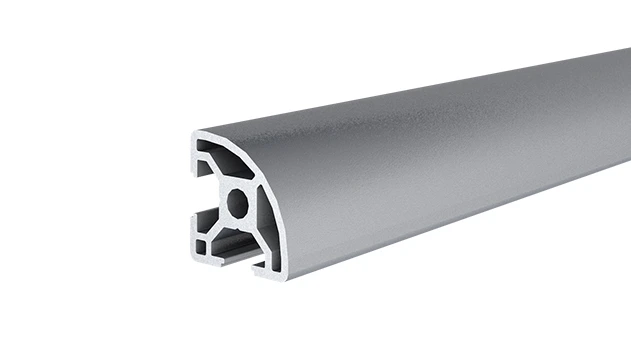
3030R is a 3.00 x 3.00CM fractional 30 series square extrusion T-slot profile with four open T-slots, two side with 3.00cm face, the other side with round face. The profile has align-a-grooves to assist in aligning connecting profiles.
If you've ever walked through a busy manufacturing floor, a well-organized warehouse, or a sleek workshop, chances are you've seen them: sturdy, silver structures holding up workbenches, guiding conveyor belts, or forming the backbone of material racks. Those are aluminum profiles—specifically, the 3030r EU standard aluminum profile, a workhorse in industrial setups worldwide. But here's the thing: even the toughest tools need a little TLC. Ignore maintenance, and that reliable profile could start to creak, corrode, or lose its precision. Let's dive into how to keep your 3030r profiles in top shape, so they keep supporting your workflow for years to come.
First, Why Does the 3030r Profile Deserve Special Care?
The 3030r EU standard aluminum profile isn't just any piece of metal. Its design—with T-slots for easy attachment of aluminum profile accessories, a lightweight yet rigid structure, and compatibility with everything from conveyor systems to workbenches—makes it a cornerstone of lean system setups. Whether it's holding up an ESD workstation or forming the frame of a turnover trolley, its reliability directly impacts efficiency. A rusted joint or a bent section can throw off alignment, slow down production, or even create safety hazards. So, maintaining it isn't just about prolonging its life; it's about keeping your entire operation running smoothly.
Cleaning: The First Line of Defense
Aluminum might be resistant to rust, but it's not immune to dirt, grease, or grime. Over time, these build-ups can trap moisture, cause discoloration, or even corrode the surface. Let's break down how to clean your 3030r profiles the right way.
Tools You'll Need
Forget harsh scrapers or industrial solvents—those can damage the aluminum's protective oxide layer. Stick to gentle, effective tools:
- Soft microfiber cloths (avoid paper towels; they can scratch)
- A soft-bristled brush (for T-slots and crevices)
- Mild dish soap or a pH-neutral cleaner (like Simple Green)
- Distilled water (tap water with high mineral content can leave spots)
- A spray bottle
- A toothbrush (for tiny, hard-to-reach areas like joints)
Step-by-Step Cleaning Process
- Dust first: Use a dry microfiber cloth to wipe away loose dirt and debris. Pay extra attention to the T-slots—they're magnets for sawdust, metal shavings, or even spilled coffee grounds.
- Mix your cleaner: In a spray bottle, combine a few drops of mild dish soap with distilled water. Avoid overdoing the soap; a little goes a long way.
- Wipe gently: Spray the solution onto the cloth (not directly onto the profile—you don't want liquid pooling in the T-slots) and wipe the profile in the direction of the extrusion. For stubborn grease (like oil from machinery), let the soapy cloth sit on the spot for 30 seconds before wiping.
- Scrub T-slots and joints: Use the soft-bristled brush or toothbrush to dislodge grime from T-slots and around aluminum profile accessories like brackets or connectors. These areas are where moisture hides, so thoroughness here prevents corrosion later.
- Rinse and dry: Dampen a clean cloth with distilled water and wipe away any soap residue. Immediately dry the profile with a dry microfiber cloth—don't let it air-dry, as that can leave water spots.
Pro tip: If your profile is part of a larger structure (like a workbench with casters), don't forget to clean around moving parts. Grease from caster wheels can drip onto the profile, so wipe those areas down too!
What Not to Do When Cleaning
Avoid these common mistakes:
- Abrasive tools: Steel wool, scouring pads, or rough sponges will scratch the aluminum's surface, making it more prone to future dirt buildup.
- Harsh chemicals: Bleach, ammonia, or acidic cleaners (like vinegar) can eat away at the oxide layer, leaving the metal vulnerable to corrosion.
- Power washing: High-pressure water can force moisture into T-slots or joints, where it's hard to dry and may cause rust (especially on steel accessories attached to the profile).
Choosing the Right Cleaner for the Job
Not all grime is created equal. Here's a quick guide to which cleaners work best for different messes:
| Type of Mess | Recommended Cleaner | Pros | Cons |
|---|---|---|---|
| General dust/dirt | Mild dish soap + water | Gentle, readily available, safe for all aluminum surfaces | May need extra scrubbing for grease |
| Grease/oil buildup | pH-neutral degreaser (diluted) | Cuts through tough grease without harming aluminum | Can leave residue if not rinsed properly |
| Water spots/minor stains | Distilled water + baking soda (paste) | Gentle abrasive for stains, won't scratch | Test on a small area first—baking soda is slightly alkaline |

Longevity Tips: Keeping Your Profile Strong for Years
Cleaning is crucial, but true longevity comes from proactive care. Here's how to make sure your 3030r profile stays strong:
1. Protect Against Moisture
Even though aluminum resists rust, prolonged exposure to moisture (especially in humid environments) can lead to white, powdery corrosion called "aluminum oxide." To prevent this:
- Seal T-slots when not in use: If a T-slot isn't holding any accessories, use an aluminum profile rubber strip to cover it. This keeps out dust and moisture.
- Check for leaks: If the profile is near a water source (like a cleaning station), ensure there are no leaks that could drip onto it.
- Store spare profiles properly: If you have extra 3030r profiles in storage, keep them in a dry, well-ventilated area. Avoid stacking them directly on concrete floors—use pallets to keep them off the ground.
2. Inspect and Tighten Accessories Regularly
The 3030r profile is only as strong as the aluminum profile accessories holding it together—brackets, connectors, hinges, etc. Over time, vibrations from machinery or regular use can loosen screws or bolts. Every 3–6 months (or more often if the profile is in a high-vibration area), do a quick inspection:
- Check all bolts and screws for tightness. Use the correct size Allen wrench or screwdriver—over-tightening can strip threads!
- Look for signs of wear on accessories: cracked plastic parts, bent metal brackets, or rust on steel components (replace these immediately, as they can compromise the profile's stability).
- For moving parts (like hinges or sliding brackets), apply a small amount of silicone-based lubricant to keep them operating smoothly. Avoid oil-based lubricants, which attract dust.
3. Handle with Care During Installation and Modifications
Even the toughest profiles can get damaged during setup. When installing or modifying your 3030r structure:
- Avoid bending or twisting: Aluminum is rigid, but excessive force can warp the profile. Use proper tools (like profile cutters) when trimming to length—never try to bend it by hand.
- Protect the surface during transport: When moving profiles, wrap them in a soft cloth or cardboard to prevent scratches. Avoid dragging them across rough surfaces.
- Don't overload: The 3030r has a specific weight capacity (check the manufacturer's specs!). Overloading can cause the profile to sag or bend permanently.
4. Address Scratches and Dents Promptly
Minor scratches are inevitable, but they don't have to become major issues. For small scratches (not deep enough to expose the core metal), gently buff the area with a soft cloth and a tiny bit of aluminum polish (test on a hidden spot first!). For deeper scratches or dents, consider replacing the section—even a small dent can weaken the profile's structural integrity.
When to Call in the Pros
Some issues are best left to experts. Contact a supplier or maintenance technician if you notice:
- Severe corrosion (large areas of white or gray powdery buildup)
- Bending or warping that affects alignment (e.g., a conveyor belt that's off-track because the profile is bent)
- Loose or damaged T-slots (these can't be repaired and will prevent accessories from attaching securely)
Final Thoughts: Maintenance as Part of Your Lean System
At the end of the day, maintaining your 3030r EU standard aluminum profile isn't just a chore—it's an investment in your lean system. A clean, well-maintained profile reduces downtime, prevents costly repairs, and ensures your workspace stays safe and efficient. By following these cleaning and longevity tips, you'll not only extend the life of your profiles but also keep your entire operation running like a well-oiled machine. After all, in a lean setup, every detail counts—including the condition of the profiles holding it all together.
So, grab your microfiber cloth, check those T-slots, and give your 3030r profiles the care they deserve. They'll thank you by supporting your workflow for years to come!