- Company Articles
- Products and Technology
- Product knowledge
- 304 vs 316 2.0mm Stainless Steel Pipe: Material Selection Guide

304 vs 316 2.0mm Stainless Steel Pipe: Material Selection Guide
Related Product
2.0mm Stainless Steel Pipe
Stainless steel pipe, lean pipe, diameter is 28mm, material is SS201 or SS304, SS201 is normally used in the market. It knows a KARAKURI, KAIZEN material for industrial plant to improve efficiency, save labor cost, standard management.
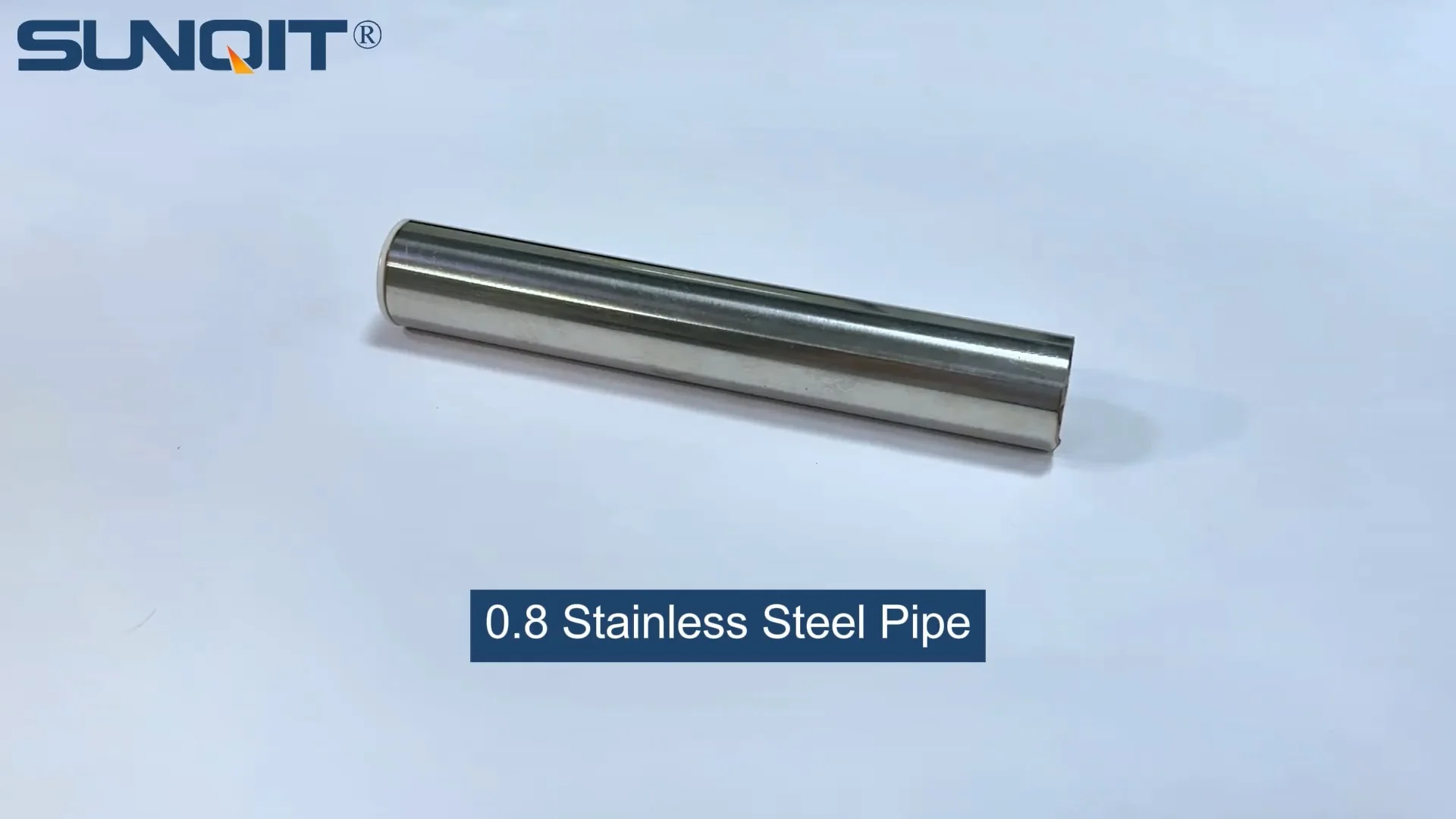
Walk into any manufacturing facility, warehouse, or workshop, and you'll likely spot stainless steel pipes hard at work—holding up workbenches, guiding roller tracks, or forming the backbone of material racks. But not all stainless steel pipes are created equal. When it comes to choosing between 304 and 316 in the 2.0mm thickness—a popular choice for its balance of strength and versatility—small differences in composition can lead to big impacts on performance, cost, and longevity. Whether you're setting up a new production line, upgrading a workbench, or sourcing parts for a lean system, getting this decision right saves time, money, and headaches down the line. Let's break down what makes these two materials unique, how they stack up, and how to pick the one that fits your needs.
Understanding the Basics: Why 2.0mm Stainless Steel Pipes Matter
Before diving into the 304 vs 316 debate, let's talk about why 2.0mm thickness is such a staple in industrial settings. At 2.0mm, these pipes strike a sweet spot: they're sturdy enough to support heavy loads (think tool racks or turnover trolleys) without being overly bulky or heavy. This makes them easy to install, reconfigure, and transport—key traits for flexible manufacturing environments. And when we talk about "stainless steel pipe series," 304 and 316 are the workhorses. They're both part of the austenitic family, known for their corrosion resistance and ductility, but their unique recipes make them better suited for specific jobs.
Quick Tip: The "2.0mm" refers to the wall thickness, not the outer diameter. Most 2.0mm pipes in the stainless steel pipe series come in standard diameters (like 28mm or 30mm), making them compatible with common lean pipe joints and accessories—handy if you're building custom workbenches or roller tracks.
What is 304 Stainless Steel Pipe?
If 304 stainless steel had a nickname, it would be "the all-rounder." Composed of 18% chromium and 8% nickel (hence the "18/8" moniker), it's the most widely used stainless steel in the world—and for good reason. Chromium forms a thin, invisible layer of chromium oxide on the surface, which acts like a shield, preventing rust and corrosion. Nickel boosts ductility, making 304 easy to bend, weld, and shape into everything from simple handrails to complex workbench frames.
In practical terms, 304 holds up beautifully in dry or moderately humid environments. Walk into a electronics assembly plant, and you'll probably see 304 pipes supporting ESD workbenches—its smooth surface resists dust buildup, and it won't react with the static-sensitive components below. It's also budget-friendly, costing roughly 20-30% less than 316, which makes it a go-to for small businesses or projects where extreme conditions aren't a concern.
But 304 isn't invincible. Expose it to saltwater, heavy chemicals, or constant moisture (like a coastal factory or a workshop that uses harsh cleaning agents), and that protective chromium layer can break down over time. You might start noticing tiny rust spots or discoloration—signs that the material is struggling to keep up.

What is 316 Stainless Steel Pipe?
316 stainless steel is like 304's more rugged cousin. It starts with the same chromium-nickel base but adds a secret weapon: molybdenum (about 2-3%). This extra ingredient supercharges its resistance to corrosion, especially against chlorides—think salt spray, seawater, or even the deicing salts used in cold-weather warehouses. That's why 316 is often called "marine-grade" stainless steel; it's the material of choice for offshore platforms, boat railings, and any application where moisture and salt are constant companions.
Beyond chloride resistance, 316 also handles higher temperatures better than 304. In factories with heat-treated parts or near ovens, 316 pipes maintain their strength and shape where 304 might start to weaken. It's also slightly stronger, with a higher tensile strength, which matters if you're building heavy-duty material racks or roller tracks that carry loaded pallets day in and day out.
The tradeoff? All that extra performance comes with a higher price tag. 316 can cost 30-50% more than 304, which adds up quickly if you're buying in bulk for a large project. It's also a bit trickier to work with—molybdenum can make welding more finicky, so you might need a skilled fabricator to get clean, strong joints. For many businesses, though, the investment pays off in longevity: a 316 pipe in a harsh environment might last 10+ years, while 304 could need replacement in half that time.

304 vs 316: A Side-by-Side Comparison
| Feature | 304 Stainless Steel (2.0mm) | 316 Stainless Steel (2.0mm) |
|---|---|---|
| Composition | 18% chromium, 8% nickel, no molybdenum | 16% chromium, 10% nickel, 2-3% molybdenum |
| Corrosion Resistance | Excellent in dry/indoor environments; vulnerable to salt, acids, and heavy moisture | Superior in saltwater, chemicals, and high-humidity settings; resists pitting and crevice corrosion |
| Strength | Tensile strength: ~515 MPa; good for moderate loads | Tensile strength: ~550 MPa; better for heavy loads and high temperatures |
| Cost | Lower (20-30% cheaper than 316) | Higher (20-30% more expensive than 304) |
| Workability | Easy to weld, bend, and cut; ideal for custom projects | Slightly harder to weld (due to molybdenum); may require specialized techniques |
| Common Uses | ESD workbenches, indoor roller tracks, dry material racks, standard lean systems | Marine environments, chemical plants, coastal warehouses, high-temperature production lines |
Key Factors to Choose Between 304 and 316
Now that you know the basics, how do you decide which one is right for your project? Start by asking these four questions:
1. What's the Environment Like?
This is the biggest decider. If your 2.0mm pipes will live indoors, away from salt, chemicals, or standing water (think a dry assembly line or a storage room), 304 is more than enough. But if they'll be outside, near the ocean, or exposed to cleaning agents with chlorine (like bleach), 316 is worth the splurge. For example, a lean pipe supplier in Florida might recommend 316 for outdoor material racks, while the same supplier in Arizona would stick with 304 for indoor use.
2. What's the Load and Temperature?
If you're building a lightweight workbench for small parts, 304's strength is plenty. But if you're designing a roller track that will carry 50kg boxes all day, or a material rack b (3 row and 3 floor) stacked with heavy tools, 316's higher tensile strength adds a safety buffer. Similarly, if your workspace hits temperatures above 500°C (like near furnaces), 316 holds up better than 304, which can become brittle over time.
3. What's Your Budget?
304's lower cost makes it ideal for startups or projects with tight margins. A small workshop building a single workbench e (single deck-without caster) might save $50-100 by choosing 304 over 316. But if the pipe will be hard to replace (like in a ceiling-mounted roller track) or critical to safety (like a guardrail), skimping on 316 could cost more later when repairs or replacements are needed.
4. Will You Need to Customize It?
If you're planning to cut, weld, or bend the pipes into unique shapes (say, a custom turnover trolley), 304 is easier to work with. Its lower molybdenum content means fewer welding issues, and it bends without cracking. 316 can be customized too, but you'll need a skilled fabricator—something to factor into your timeline and budget.
Real-World Examples: When to Pick 304 vs 316
Let's put this into context with two common scenarios:
Scenario 1: An Electronics Factory in Iowa
A mid-sized electronics plant needs to build 10 new ESD workstations for its circuit board assembly line. The facility is indoors, climate-controlled, and uses mild, pH-neutral cleaning solutions. The workstations will hold small components and tools, with a max load of 30kg per shelf. For this, 304 2.0mm pipes are perfect. They're affordable, easy to weld into workbench frames, and the dry environment means corrosion won't be an issue. Plus, pairing 304 pipes with standard lean pipe joints and caster wheels (for mobility) keeps costs low without sacrificing quality.
Scenario 2: A Fish Processing Plant in Maine
A seafood company is upgrading its material handling system, including roller tracks to move fish crates from the cleaning area to packaging. The tracks will be near hoses that spray saltwater, and the air is thick with moisture. Here, 316 is non-negotiable. Saltwater would eat through 304 in a year, but 316's molybdenum shield will keep the roller track guide rails (grey or yellow) rust-free for years. The higher cost is offset by fewer replacements and less downtime.
Sourcing Your Pipes: Tips for Working with a Lean Pipe Supplier
Once you've chosen between 304 and 316, finding a reliable supplier is the next step. A good lean pipe supplier will not only have both materials in stock but can also help you confirm your choice based on your specific needs. Here's what to look for:
- Certifications: Ask for material certificates (like mill test reports) to verify the composition—you don't want someone passing off 304 as 316. Reputable suppliers will happily share these.
- Accessories Compatibility: Make sure the supplier carries lean pipe joints, caster accessories, and roller track connectors that fit your 2.0mm pipes. Mismatched parts can weaken the structure.
- Custom Cutting: If you need pipes cut to specific lengths (for a workbench or rack), check if the supplier offers this service. It saves time and ensures clean, precise cuts.
- Lead Times: 316 is less common than 304, so it might have longer lead times. Plan ahead if you're on a tight schedule.
Conclusion: It's All About Matching Material to Mission
At the end of the day, there's no "better" material—only the right material for the job. 304 2.0mm stainless steel pipe is the practical, budget-friendly choice for dry, indoor environments, while 316 is the tough, long-lasting option for harsh conditions. By considering your environment, load, budget, and customization needs, you can pick the pipe that will keep your workbench sturdy, your roller track rolling, and your lean system running smoothly for years to come. And when in doubt? Talk to your lean pipe supplier—they've seen it all and can help you make the call that fits your unique setup.
So whether you're building a simple workbench or overhauling an entire production line, remember: the best stainless steel pipe is the one that works as hard as you do.