- Company Articles
- Products and Technology
- Solution
- 3060 Aluminum Angle Yards & Sustainability: Recyclable Manufacturing Solutions

3060 Aluminum Angle Yards & Sustainability: Recyclable Manufacturing Solutions
Related Product
3060 Aluminum Angle Yards
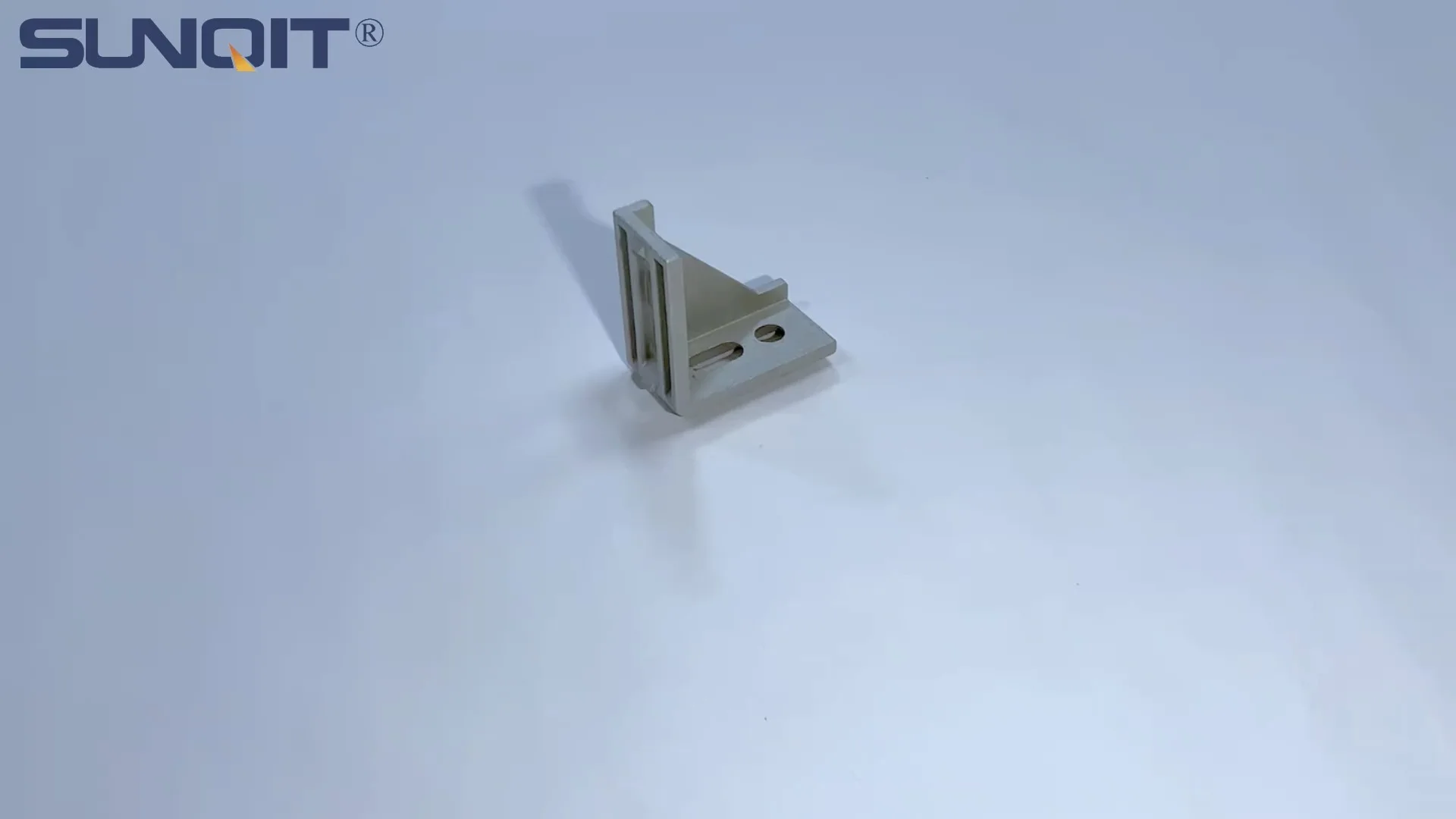
It used for 90° flat connection for 20 series aluminum profile.
In the fast-paced world of manufacturing, where deadlines loom and production targets feel ever-moving, there's a quiet revolution happening. It's not just about making things faster or cheaper anymore—though those still matter. Today, the most forward-thinking factories and workshops are asking a bigger question: How can we make things better for the planet, too? This shift toward sustainability isn't just a trend; it's a necessity. With stricter environmental regulations, growing consumer demand for eco-friendly products, and the urgent need to reduce waste, manufacturers are on the hunt for solutions that bridge efficiency and responsibility. Enter 3060 aluminum angle yards—a humble yet powerful component that's quietly reshaping how we build, produce, and recycle in the industrial world.
At first glance, 3060 aluminum angle yards might seem like just another piece of metal. But dig deeper, and you'll find they're a prime example of how smart design and sustainable materials can come together to solve real-world problems. These structural components, part of the broader family of aluminum extrusion profiles, are engineered to be strong, lightweight, and infinitely adaptable. But what truly sets them apart is their role in creating a more recyclable, less wasteful manufacturing ecosystem. In this article, we'll explore why 3060 aluminum angle yards are becoming a cornerstone of sustainable manufacturing, how they leverage the unique properties of aluminum, and why they're more than just a material choice—they're a step toward a circular economy.
The Sustainability Wake-Up Call in Manufacturing
Let's start with the big picture: manufacturing has long been a double-edged sword. It drives economies, creates jobs, and brings us the products we rely on daily—from smartphones to cars to medical devices. But it's also a major consumer of resources and a significant source of waste. Traditional manufacturing setups often rely on materials that are energy-intensive to produce, hard to repair, and even harder to recycle. Think about heavy steel frames that rust over time, plastic components that degrade and break, or welded structures that, once outdated, end up in landfills because they can't be disassembled or repurposed.
The numbers tell a stark story. According to the United Nations Industrial Development Organization (UNIDO), manufacturing accounts for about 28% of global energy consumption and 23% of greenhouse gas emissions. A large portion of this comes from the production and disposal of materials. For example, producing steel from iron ore requires massive amounts of coal, releasing carbon dioxide in the process. Plastic, derived from fossil fuels, can take centuries to decompose, and only 9% of all plastic ever made has been recycled. These statistics aren't just alarming—they're a call to action.
Enter the concept of "circular manufacturing," an approach that aims to eliminate waste by keeping materials in use for as long as possible. Instead of the traditional "take-make-dispose" model, circular manufacturing focuses on reusing, repairing, and recycling components to create a closed-loop system. This is where materials like aluminum, and specifically products like 3060 aluminum angle yards, shine. They're not just building blocks—they're enablers of a more sustainable way of making things.
Aluminum: The Unsung Hero of Sustainable Materials
Before we dive into 3060 aluminum angle yards themselves, let's talk about the star of the show: aluminum. Why is this metal so often hailed as a sustainability champion? Let's break it down.
First, aluminum is incredibly recyclable . Unlike some materials that degrade when recycled (looking at you, plastic), aluminum can be melted down and reused infinitely without losing its quality. That's right—today's aluminum angle yard could have been part of a soda can 50 years ago, and in another 50 years, it could be part of a solar panel frame. This "infinite recyclability" is a game-changer. The Aluminum Association reports that recycling aluminum saves 95% of the energy required to produce the metal from raw bauxite ore. To put that in perspective: recycling one ton of aluminum saves 14,000 kWh of energy—enough to power a home for over a year—and prevents 10 tons of carbon dioxide emissions. That's a huge environmental win.
Second, aluminum is lightweight yet strong . Pound for pound, it's about one-third the weight of steel but offers comparable strength, depending on the alloy. This makes it ideal for manufacturing setups where mobility and flexibility matter—think workbenches, material racks, or conveyor systems that need to be moved or reconfigured. Lighter structures also mean less energy is needed to transport them, reducing the carbon footprint of shipping and installation.
Third, aluminum is corrosion-resistant . Unlike steel, which rusts when exposed to moisture, aluminum forms a natural oxide layer that protects it from degradation. This means aluminum components last longer, reducing the need for frequent replacements. Fewer replacements mean less waste and lower long-term costs—both financial and environmental.
But aluminum's sustainability story isn't just about its properties; it's about how it's made. Modern aluminum production has come a long way in reducing its environmental impact. Many manufacturers now use renewable energy (like hydroelectric power) to fuel their smelters, further cutting carbon emissions. And when combined with recycling, aluminum becomes a material that truly aligns with the principles of a circular economy.

3060 Aluminum Angle Yards: More Than Just Metal
Now, let's zoom in on 3060 aluminum angle yards. What exactly are they, and why do they matter for sustainable manufacturing? Let's start with the basics. 3060 refers to the dimensions of the profile: 30 millimeters by 60 millimeters. The "angle yard" part describes its L-shaped cross-section, which gives it excellent structural stability. These profiles are created through aluminum extrusion—a process where heated aluminum billets are pushed through a die to form specific shapes. This extrusion process is efficient, producing minimal waste, and allows for intricate designs tailored to specific needs.
But the real magic of 3060 aluminum angle yards lies in their modularity . Unlike welded steel frames or glued plastic structures, aluminum angle yards are designed to be assembled and disassembled with ease. They often feature T-slots along their length, which allow for quick attachment of accessories like brackets, connectors, or panels using simple fasteners. This modularity is a sustainability superpower. Need to reconfigure a workbench? Just loosen the bolts, adjust the angle yards, and reattach. Outgrowing a material rack? Add more sections instead of building a whole new one. When a project is done, the angle yards can be taken apart, cleaned, and reused in another setup. No waste, no hassle.
Let's consider a real-world example: a small electronics manufacturer that produces circuit boards. Their assembly line relies on workbenches, material racks, and conveyor systems to move components from station to station. In the past, they might have used wooden workbenches (prone to warping and hard to recycle) or welded steel racks (heavy and difficult to modify). Over time, as their product lines changed, these structures became obsolete and ended up in landfills. Now, imagine they switch to 3060 aluminum angle yards. Their workbenches are lightweight, easy to adjust for different board sizes, and when they need to add a new station, they simply bolt on additional angle yards. When the company expands, they disassemble the old setup and reuse the angle yards in the new facility. The result? Less waste, lower costs, and a manufacturing floor that adapts as quickly as their business does.

How 3060 Aluminum Angle Yards Support Recyclable Manufacturing
To truly understand the impact of 3060 aluminum angle yards, let's break down how they contribute to a more recyclable manufacturing process:
1. Minimal Waste During Production : The extrusion process used to make 3060 aluminum angle yards is highly efficient. Unlike cutting or machining solid blocks of metal, extrusion shapes aluminum into the desired profile with little excess material. Any scrap generated during production can be melted down and recycled back into the extrusion process, creating a closed loop right at the manufacturing stage.
2. Long Lifespan, Reduced Replacements : Thanks to aluminum's corrosion resistance and durability, 3060 angle yards have a long service life. A well-maintained aluminum structure can last decades, far longer than wooden or plastic alternatives. This reduces the frequency of replacements, meaning fewer materials are needed over time.
3. Easy Disassembly for Recycling : When a 3060 aluminum angle yard does reach the end of its useful life (which, let's be honest, is a long time), it's easy to recycle. Unlike welded steel, which requires cutting and grinding to separate components, aluminum angle yards are held together with mechanical fasteners. Simply unbolt the connections, separate the aluminum from any non-aluminum accessories (like plastic end caps or rubber gaskets), and the angle yards are ready to be melted down and reused.
4. Compatibility with Aluminum Profile Accessories : 3060 aluminum angle yards don't work alone—they're part of a larger ecosystem of aluminum profile accessories. From corner brackets to hinges to leveling feet, these accessories are also made of aluminum or other recyclable materials. This means the entire system, not just the angle yards themselves, can be recycled when needed. It's a holistic approach to sustainability.
5. Energy Efficiency in Use : Lighter structures mean less energy is required to move or operate equipment built with 3060 aluminum angle yards. For example, a conveyor system framed with aluminum will use less electricity to run than a steel-framed one, reducing the overall energy consumption of the manufacturing process.

Comparing 3060 Aluminum Angle Yards to Other Materials
To put the sustainability of 3060 aluminum angle yards into perspective, let's compare them to two common alternatives: cold-rolled steel and PVC plastic. The table below breaks down key factors like recyclability, energy use, and lifespan:
| Factor | 3060 Aluminum Angle Yards | Cold-Rolled Steel | PVC Plastic |
|---|---|---|---|
| Recyclability | 100% recyclable; infinite reuse without quality loss | Recyclable, but requires more energy; quality degrades slightly with each cycle | Limited recyclability; often downcycled into lower-quality products |
| Energy to Recycle (vs. Primary Production) | Saves 95% of energy | Saves ~70% of energy | Little to no energy savings; often incinerated or landfilled |
| Lifespan (in Manufacturing Use) | 20–30+ years (with proper maintenance) | 15–25 years (prone to rust without coating) | 5–10 years (degrades from UV light and wear) |
| Modularity | Highly modular; easy to assemble/disassemble with T-slot accessories | Low modularity; often welded, hard to modify | Moderate modularity; glued or snapped connections, prone to breakage |
| Weight (per meter, approximate) | 1.2–1.5 kg (lightweight) | 3.5–4.0 kg (heavy) | 0.8–1.0 kg (light, but less strong) |
The table tells a clear story: 3060 aluminum angle yards outperform steel and plastic in almost every sustainability category. While steel is strong, its weight and lower recyclability energy savings make it less eco-friendly. Plastic, though lightweight, has a short lifespan and poor recyclability. Aluminum strikes the perfect balance of strength, weight, and recyclability, making 3060 angle yards a standout choice for manufacturers committed to sustainability.
Beyond the Angle Yard: The Role of Aluminum Profile Accessories
No discussion of 3060 aluminum angle yards would be complete without mentioning the aluminum profile accessories that make them so versatile. These small but mighty components—think brackets, connectors, end caps, and hinges—are the glue that holds the modular system together. And like the angle yards themselves, they're designed with sustainability in mind.
Take, for example, the internal rotary aluminum joint. This accessory allows two aluminum profiles to be connected at various angles, enabling the creation of complex structures without welding. Because it's made of aluminum, it's just as recyclable as the angle yards it connects. Similarly, plastic roller track guide rails (though plastic) are often made from recyclable polymers and designed to be replaced individually, so you don't have to discard an entire track if one part wears out. Even the casters and wheels used to make mobile workbenches are often constructed with aluminum frames and recyclable rubber tires.
This ecosystem of accessories means that the entire manufacturing setup—from the angle yards to the smallest connector—can be designed for disassembly and recycling. It's a far cry from traditional systems where components are glued, welded, or riveted together, making separation nearly impossible. With aluminum profile accessories, sustainability is built into every bolt and bracket.
Real-World Impact: Stories of Sustainable Transformation
To bring this all to life, let's look at a couple of hypothetical (but realistic) case studies of businesses that switched to 3060 aluminum angle yards and reaped both environmental and operational benefits.
Case Study 1: Automotive Parts Supplier : A mid-sized company that manufactures brake components was struggling with outdated, heavy steel material racks. These racks were difficult to move, prone to rust in their humid facility, and when they needed to expand, they had to build entirely new racks, sending the old ones to scrap. After switching to 3060 aluminum angle yards and aluminum profile accessories, they saw immediate changes. The new racks were 40% lighter, making them easy to reposition with a pallet jack. The T-slot design allowed them to add or remove shelves as needed, and the corrosion-resistant aluminum held up better in their damp environment. When they expanded their production line, they reused 80% of the original angle yards, saving $15,000 in new material costs and diverting 2 tons of steel from landfills.
Case Study 2: Electronics Assembly Plant : A contract manufacturer that builds custom circuit boards for medical devices needed workbenches that could be quickly reconfigured for different product sizes. Their old wooden workbenches were heavy, hard to clean, and warped over time, leading to frequent replacements. They switched to workbenches built with 3060 aluminum angle yards, which featured adjustable heights, modular tool holders, and ESD (electrostatic discharge) protection (thanks to specialized aluminum profile accessories). Not only did the new workbenches reduce assembly time by 15% due to better ergonomics, but when a large order required a new layout, they disassembled and reassembled the workbenches in a day—no waste, no new materials. Over three years, they estimate saving 12 tons of wood waste and reducing their carbon footprint by 8 tons.
These stories highlight a key point: sustainability and efficiency don't have to be at odds. In fact, 3060 aluminum angle yards often enhance efficiency while reducing environmental impact. It's a win-win.
The Future of Sustainable Manufacturing: Where Aluminum Profiles Lead
As we look ahead, the role of 3060 aluminum angle yards and other aluminum extrusion profiles in sustainable manufacturing is only set to grow. Here are a few trends that will shape this future:
1. Integration with Smart Manufacturing : Industry 4.0 is all about data-driven, connected factories. Aluminum profiles with embedded sensors (to monitor stress, temperature, or usage) could become common, allowing manufacturers to predict maintenance needs and extend component lifespans even further.
2. Greener Extrusion Processes : Aluminum extrusion itself is getting more sustainable. Manufacturers are using renewable energy to power extrusion presses, and new die designs are reducing material waste during production. Some companies are even experimenting with recycled aluminum scrap as the primary feedstock for extrusion, closing the loop even tighter.
3. Circular Supply Chains : More suppliers are offering take-back programs for aluminum profiles, ensuring that even end-of-life components are properly recycled. This creates a circular system where manufacturers return old angle yards to suppliers, who melt them down and produce new ones—reducing the need for virgin aluminum.
4. Lightweighting for Transportation : As electric vehicles and renewable energy systems (like solar panel frames) grow in popularity, the demand for lightweight, strong materials will surge. 3060 aluminum angle yards and similar profiles will play a key role here, reducing the weight of these systems and improving their energy efficiency.
Conclusion: Small Components, Big Impact
In the grand scheme of manufacturing, 3060 aluminum angle yards might seem like small players. But as we've explored, their impact is anything but small. They're a testament to how sustainable materials, smart design, and modular thinking can transform an industry. By choosing aluminum extrusion profiles like 3060 angle yards, manufacturers aren't just building better structures—they're building a better future.
The shift to sustainability in manufacturing isn't always easy. It requires investment, innovation, and a willingness to rethink old habits. But as the examples and data show, it's also rewarding—for the planet, for profits, and for the people who work in these facilities every day. So the next time you walk through a factory, workshop, or warehouse, take a closer look at the structures around you. If you see L-shaped aluminum profiles with T-slots and modular accessories, you're looking at the future of manufacturing: one that's efficient, adaptable, and kind to the Earth.
3060 aluminum angle yards may not grab headlines, but they're quietly leading the charge toward a more sustainable industrial world. And that's a story worth celebrating.