- Company Articles
- Products and Technology
- Product knowledge
- 3060 Aluminum Angle Yards: Corrosion Resistance for Cleanroom Use

3060 Aluminum Angle Yards: Corrosion Resistance for Cleanroom Use
Related Product
3060 Aluminum Angle Yards
It used for 90° flat connection for 20 series aluminum profile.
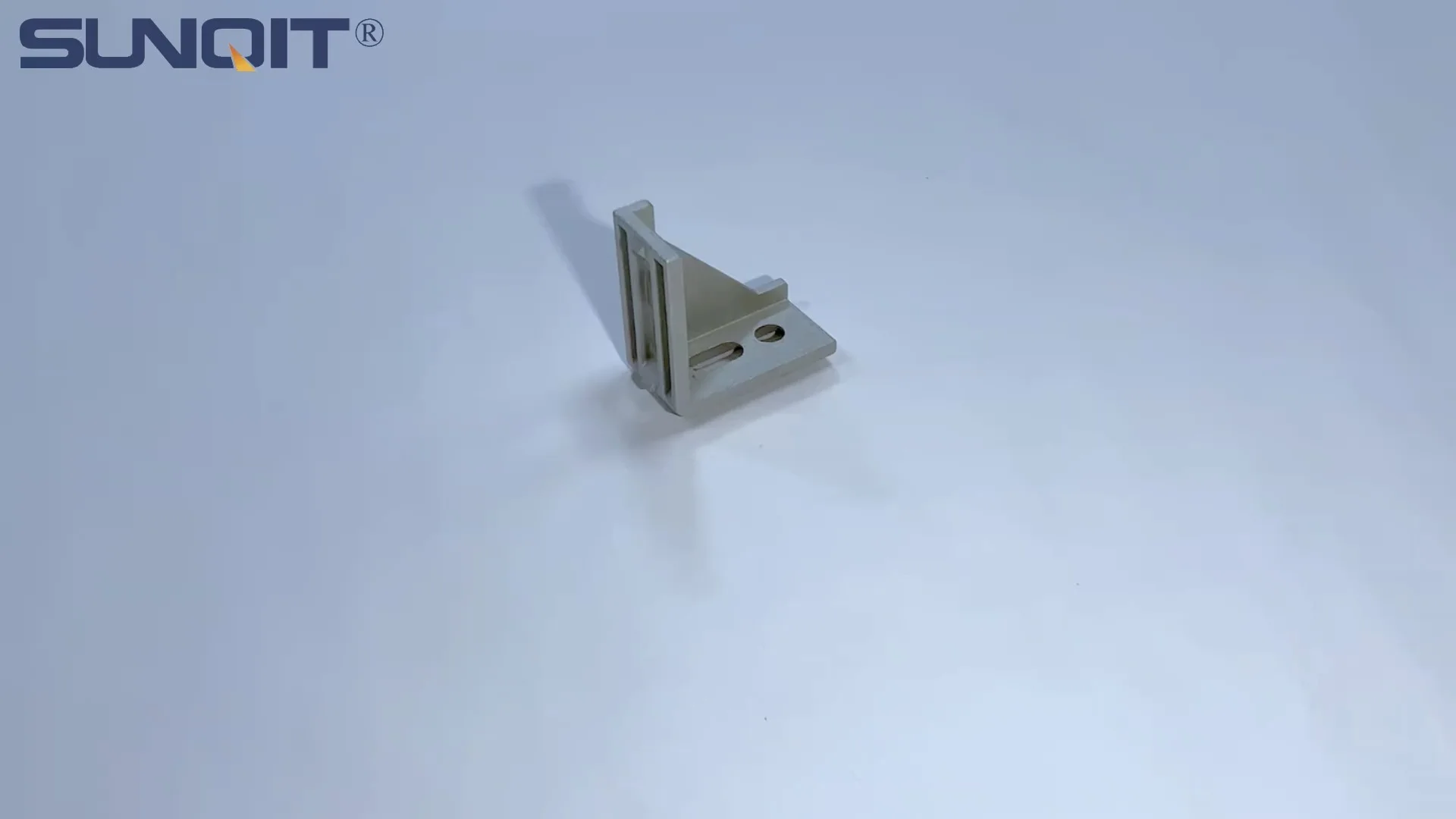
How this versatile aluminum profile is transforming cleanroom setups with durability and precision
Introduction: The Hidden Challenge of Cleanroom Materials
Walk into any advanced manufacturing facility, pharmaceutical lab, or semiconductor plant, and you'll likely encounter a space that looks almost otherworldly: spotless floors, filtered air, workers in head-to-toe coverings. That's a cleanroom—a controlled environment where airborne particles, temperature, humidity, and even static electricity are tightly regulated. But here's the thing no one talks about enough: the materials that build these spaces matter just as much as the filters or protocols. Imagine investing millions in air purification systems, only to have a rusted workbench or a corroded rack introduce contaminants. That's where the right building blocks come in.
Cleanrooms operate under unforgiving conditions. Harsh cleaning agents, constant humidity fluctuations, and even subtle chemical exposure from processes like drug manufacturing or electronics assembly can take a toll on ordinary materials. Steel rusts. Plastic warps. Wood absorbs moisture and harbors bacteria. So what's left? Enter aluminum—specifically, the 3060 aluminum angle yards. These aren't just any metal bars; they're precision-engineered aluminum extrusion profiles designed to thrive where other materials fail. In this article, we'll dive into why 3060 aluminum angle yards have become the unsung heroes of cleanroom design, focusing on their standout feature: corrosion resistance. We'll also explore how they integrate with aluminum profile accessories to create flexible, long-lasting setups, from workbenches to material racks, that keep cleanrooms compliant and efficient.
What Are 3060 Aluminum Angle Yards, Anyway?
Let's start with the basics. When we talk about "3060 aluminum angle yards," we're referring to a specific type of aluminum profile—think of it as a building block with a precise cross-section. The numbers "3060" tell you the dimensions: 30mm in width and 60mm in height. The "angle yard" part describes its L-shaped design, which gives it inherent structural stability. But what really sets it apart is how it's made: through aluminum extrusion, a process where heated aluminum is pushed through a die to create consistent, complex shapes. This isn't just about looks; extrusion ensures every piece has uniform strength, smooth surfaces, and tight tolerances—exactly what cleanrooms need.
Aluminum extrusion profiles like the 3060 angle yard are the backbone of modular systems. Unlike welded steel or one-piece plastic, they're designed to be assembled and reconfigured with ease, thanks to aluminum profile accessories. Need to adjust a workbench height? Swap out a connector. Expand a material rack? Add another section. This flexibility is a game-changer in cleanrooms, where processes evolve and space is often at a premium. But before we get into applications, let's talk about the star quality that makes these angle yards indispensable: corrosion resistance.

Why Corrosion Resistance Matters in Cleanrooms (Spoiler: It's Not Just About Rust)
Corrosion might sound like a simple problem—metal gets wet, turns orange, and weakens. But in a cleanroom, it's a domino effect. A corroded surface flakes off particles, contaminating sensitive products like microchips or vaccines. Corroded joints loosen, leading to unstable workbenches that risk spills or damage. Even worse, some cleaning agents used in cleanrooms (think strong disinfectants or alcohol-based solutions) can accelerate corrosion in lesser materials, turning a routine wipe-down into a hidden threat.
Aluminum, by nature, is a corrosion-resistant material. Here's why: when exposed to oxygen, it forms a thin, invisible layer of aluminum oxide on its surface. This layer isn't just a coating—it bonds tightly to the metal, acting as a shield against further oxidation. Unlike steel, which rusts (and the rust flakes off, exposing fresh metal), aluminum's oxide layer self-heals. Scratch it, and the exposed aluminum reacts with oxygen again to rebuild the barrier. That's the first line of defense.
Fun fact: This self-healing property is why aluminum is used in everything from airplanes to soda cans. In cleanrooms, where even tiny particles can ruin a batch of medical devices, that "no flaking, no rust" guarantee is priceless.
But 3060 aluminum angle yards take it a step further. Most are treated with anodization—a process that thickens and hardens the oxide layer. Anodized aluminum isn't just more corrosion-resistant; it's also more scratch-resistant and easier to clean. That's crucial in cleanrooms, where surfaces are wiped down multiple times a day. Imagine a workbench that repels chemicals, resists scratches from tools, and never needs repainting. That's the reality with anodized 3060 aluminum angle yards.

3060 Aluminum Angle Yards vs. Other Materials: A Cleanroom Showdown
To really appreciate 3060 aluminum angle yards, let's compare them to the materials they're replacing in cleanrooms. Below is a breakdown of how they stack up against stainless steel, plastic, and wood in key areas that matter for cleanroom use:
| Material | Corrosion Resistance | Weight | Ease of Cleaning | Modularity | Static Control |
|---|---|---|---|---|---|
| 3060 Aluminum Angle Yards (Anodized) | Excellent (self-healing oxide layer + anodization) | Lightweight (1/3 the weight of steel) | Very High (smooth, non-porous surface; resists chemicals) | High (works with aluminum profile accessories for quick reconfigurations) | Good (can be treated for ESD; better than plastic) |
| Stainless Steel | Good (but prone to pitting in acidic environments) | Heavy (hard to reposition; requires more support) | High (smooth surface, but heavier to move for deep cleaning) | Low (often welded; hard to modify) | Excellent (natural conductivity) |
| Plastic (PVC/Polypropylene) | Good (resists chemicals, but UV and heat sensitive) | Lightweight | Medium (can develop static; porous if scratched) | Medium (some modular systems, but less durable joints) | Poor (builds static easily; risks ESD damage) |
| Wood (Sealed) | Poor (absorbs moisture; swells or rots over time) | Medium | Low (porous even when sealed; harbors bacteria in cracks) | Very Low (fixed structure; not reconfigurable) | Variable (depends on sealant; generally not ESD-safe) |
The table tells the story: 3060 aluminum angle yards hit the sweet spot. They're lighter than steel, more durable than plastic, and infinitely more adaptable than wood. For cleanrooms where every inch of space and every minute of downtime counts, that's a winning combination.

Building Cleanroom Solutions: 3060 Angle Yards in Action
Now that we understand why 3060 aluminum angle yards are corrosion-resistant superstars, let's look at how they're actually used in cleanrooms. These angle yards aren't just raw materials—they're the foundation for critical equipment that keeps operations running smoothly. Here are three common applications:
1. Workbenches: The Heart of Cleanroom Operations
A cleanroom workbench isn't just a table; it's where precision happens. Whether it's assembling circuit boards, preparing lab samples, or packaging pharmaceuticals, the workbench needs to be stable, easy to clean, and resistant to the chemicals used daily. 3060 aluminum angle yards shine here. By combining angle yards with aluminum profile accessories like end caps, brackets, and adjustable feet, you can build a workbench that's customized to your needs—height-adjustable, with integrated shelving, or even ESD (electrostatic discharge) protection for electronics manufacturing.
Picture this: a pharmaceutical lab where technicians mix reagents on a workbench. The surface needs to withstand daily wipe-downs with isopropyl alcohol, resist staining from dyes, and never leach any particles. A workbench built with 3060 aluminum angle yards and a stainless steel or phenolic top checks all boxes. The angle yards provide the structural backbone, while accessories like cable management clips keep wires organized and off the floor, reducing tripping hazards and particle buildup.
2. Material Racks: Organizing Without Contamination
Cleanrooms run on efficiency, which means materials—whether vials, circuit components, or lab supplies—need to be stored close at hand but in a way that doesn't disrupt the controlled environment. Material racks built with 3060 aluminum angle yards are a perfect solution. Their modular design lets you create racks of any size, with adjustable shelves to fit different container heights. And because aluminum doesn't corrode, you don't have to worry about rust flakes falling onto products from metal racks or warping from humidity like plastic ones.
One semiconductor manufacturer we worked with recently replaced their old steel racks with aluminum ones. Within months, they noticed a drop in particle contamination rates—turns out, the steel racks had been quietly shedding tiny rust particles that were landing on their sensitive wafers. The aluminum racks? No shedding, easy to clean, and lightweight enough that they could be moved (with casters, another aluminum profile accessory!) when deep-cleaning the floor.
3. Enclosures and Partitions: Creating Zoned Cleanliness
Many cleanrooms have different "classes" of cleanliness—for example, a Class 100 area (fewer than 100 particles per cubic foot) next to a Class 10,000 area. Partitions are needed to separate these zones, and they have to be as clean as the rooms themselves. 3060 aluminum angle yards make great frames for these partitions. When paired with clear acrylic or polycarbonate panels, they create see-through barriers that don't block light or airflow, while the aluminum frame resists the constant cleaning that partition surfaces require.
The Secret Sauce: Aluminum Profile Accessories
You could have the best aluminum profile in the world, but without the right accessories, it's just a piece of metal. That's where aluminum profile accessories come in—they're the nuts and bolts (literally) that turn 3060 angle yards into functional systems. Let's take a look at some must-have accessories for cleanroom setups:
- Connectors and Joints: These are the glue that holds everything together. From simple T-joints to adjustable corner brackets, they let you build complex structures without welding. In cleanrooms, where drilling or welding would release particles, this "no-tool" assembly is a lifesaver.
- End Caps: Raw aluminum ends can be sharp or rough, which is a no-go in cleanrooms (think: snags on gloves, or tiny aluminum shavings). End caps snap onto the ends of angle yards, creating smooth, safe edges that are easy to wipe down.
- Adjustable Feet: Cleanroom floors aren't always perfectly level, and uneven workbenches or racks can wobble, risking spills. Adjustable feet screw into the bottom of angle yards, letting you fine-tune height and stability.
- Casters: For mobile setups—like carts that transport materials between cleanroom zones—casters turn static racks into movable systems. Look for ESD-safe casters to avoid static buildup.
- Cable Management: Cables and hoses are a necessary evil in cleanrooms, but they can collect dust and create tripping hazards. Cable clips and channels that attach to aluminum profiles keep wires organized and off the floor.
The beauty of these accessories is that they're designed to work seamlessly with 3060 aluminum angle yards. No guesswork, no custom modifications—just plug-and-play flexibility. This not only speeds up installation but also makes it easy to reconfigure systems as your cleanroom needs change. Need to add a shelf to a workbench? Swap out a connector. Move a rack to a new location? Lock the casters and roll it—no heavy lifting required.
Case Study: How a Biotech Lab Solved Corrosion Issues with 3060 Angle Yards
The Problem: Rust Contamination in Vaccine Production
A mid-sized biotech company specializing in vaccine development was facing a frustrating issue: their cleanroom's steel material racks were corroding. The culprit? The hydrogen peroxide-based disinfectant they used daily to sanitize surfaces. Over time, the steel racks developed tiny rust spots, which flaked off into the air and onto vaccine vials—threatening batch integrity and compliance with FDA regulations.
The Solution: Switching to 3060 Aluminum Angle Yards
The lab's facilities manager reached out to an aluminum extrusion profile supplier, who recommended 3060 aluminum angle yards with anodized finish. The team replaced their steel racks with custom-built aluminum racks, using aluminum profile accessories like adjustable shelves and ESD casters. Within three months, rust particles in the air dropped by 92%, and the lab passed its next FDA inspection with zero contamination findings.
The Outcome: More Than Just Corrosion Resistance
The benefits went beyond solving corrosion. The new aluminum racks were 40% lighter than steel, making it easier for staff to move them for deep cleaning. The modular design also let the lab expand storage capacity by adding shelves as their vaccine production scaled up. "We didn't just fix a problem—we future-proofed our cleanroom," the facilities manager noted.
Maintaining Your 3060 Aluminum Setup: Tips for Longevity
Even the most corrosion-resistant materials need a little care to stay in top shape. Here's how to keep your 3060 aluminum angle yards looking and performing like new in a cleanroom:
- Clean Gently, But Thoroughly: Use a soft cloth or sponge with mild soap and water. Avoid abrasive scrubbers or harsh chemicals like bleach, which can damage the anodized finish. For tough stains (like dried-on chemicals), a 50/50 mix of water and isopropyl alcohol works well.
- Inspect Joints Regularly: Aluminum profile accessories like connectors can loosen over time, especially on mobile systems. A quick monthly check to tighten screws or snap joints back into place prevents wobbling or instability.
- Address Scratches Promptly: While anodized aluminum is scratch-resistant, deep scratches can expose raw aluminum. If you notice a scratch, clean the area and apply a thin layer of clear acrylic sealant to protect against corrosion.
- Avoid Extreme Temperatures: Aluminum handles heat well, but sudden temperature swings (like from hot cleaning solutions to cold air conditioning) can cause expansion and contraction. Let cleaned surfaces air-dry at room temperature to prevent stress on joints.
With minimal maintenance, a 3060 aluminum angle yard setup can last 10+ years in a cleanroom—far longer than plastic or wood alternatives, and often with less total cost of ownership than stainless steel when you factor in installation, reconfiguration, and replacement costs.
Conclusion: Investing in Cleanroom Durability
Cleanrooms are the unsung heroes of modern manufacturing and research, enabling the production of everything from life-saving drugs to cutting-edge electronics. But their success hinges on the materials that build them. 3060 aluminum angle yards—with their corrosion resistance, lightweight design, and modular flexibility—are redefining what's possible in these critical spaces. By pairing these aluminum extrusion profiles with the right aluminum profile accessories, cleanroom operators can create systems that are not only compliant and durable but also adaptable to the ever-changing demands of their industries.
So, the next time you walk into a cleanroom, take a closer look at the racks, workbenches, and partitions. Chances are, you'll spot the sleek, silver lines of aluminum angle yards—quietly working behind the scenes to keep things clean, safe, and efficient. And if you're building or upgrading a cleanroom? Don't just think about filters and protocols. Think about the materials. Think about 3060 aluminum angle yards. Your products, your team, and your compliance officers will thank you.