- Company Articles
- Products and Technology
- Product knowledge
- 3060 Aluminum Angle Yards: Cost-Effectiveness vs Other Structural Metals

3060 Aluminum Angle Yards: Cost-Effectiveness vs Other Structural Metals
Related Product
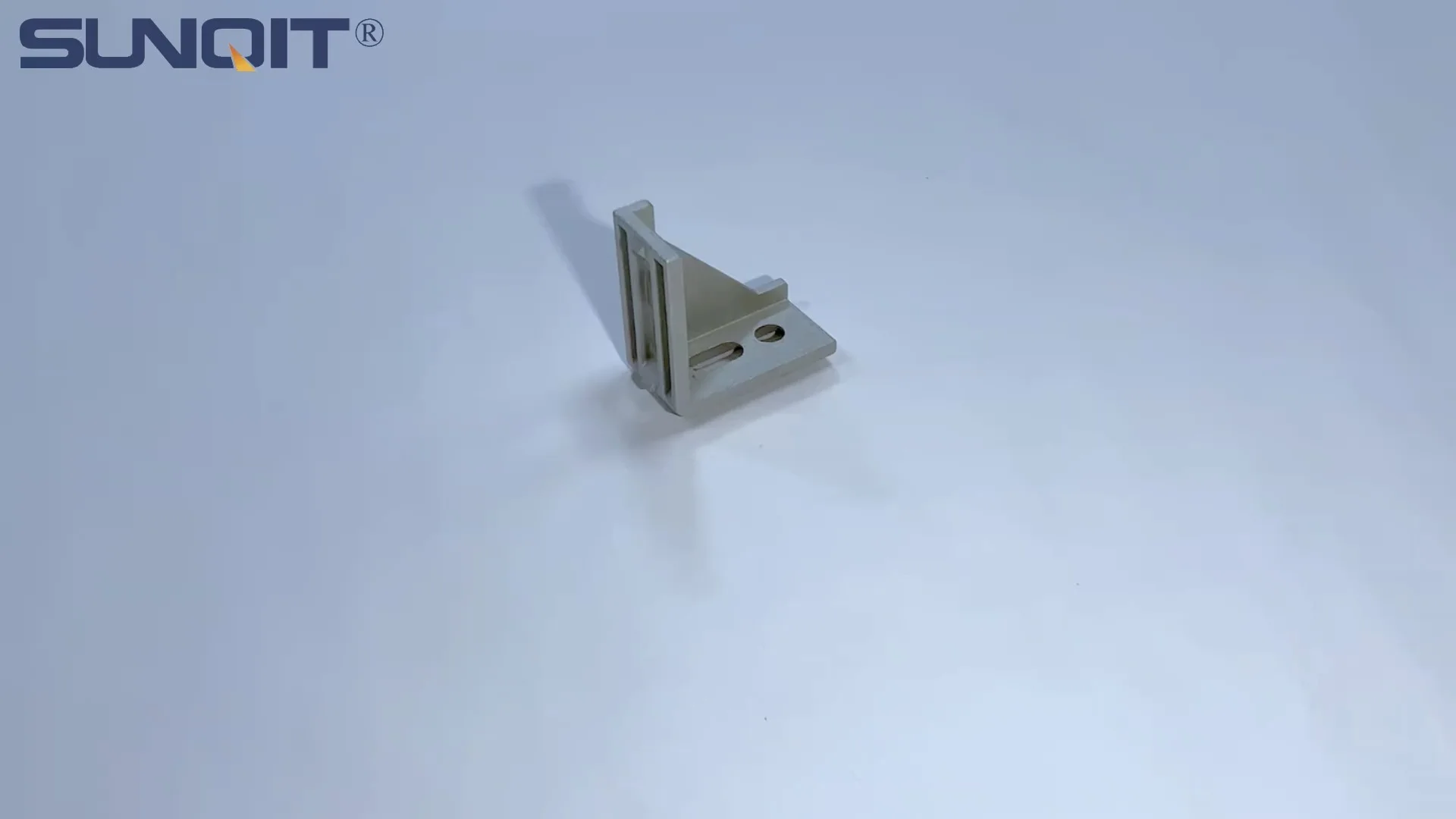
3060 Aluminum Angle Yards
It used for 90° flat connection for 20 series aluminum profile.
Let's start with a scenario we've all faced, whether we're running a small manufacturing shop, setting up a home workshop, or even building custom storage solutions for a garage: choosing the right structural material. It's a balancing act—you need something strong enough to handle the load, durable enough to last, and affordable enough that you don't break the bank. For years, steel has been the go-to for many, and stainless steel for projects needing extra corrosion resistance. But lately, there's a contender that's been turning heads: aluminum extrusion profiles, and more specifically, 3060 aluminum angle yards. Today, we're diving deep into why these unassuming pieces of aluminum might just be the most cost-effective structural solution you've been overlooking.
First Things First: What Even Are 3060 Aluminum Angle Yards?
Before we compare, let's make sure we're all on the same page. 3060 aluminum angle yards are part of the broader family of aluminum extrusion profiles —those versatile, pre-shaped pieces of aluminum created by pushing molten metal through a die to form consistent cross-sections. The "3060" refers to their dimensions: typically 30mm in one direction and 60mm in the other, forming an L-shape (the "angle" part). They're like the backbone of modular structures, designed to connect with other profiles, brackets, and accessories to build everything from workbenches to material racks.
What makes them "yards"? Think of them as the hardworking connectors that tie your project together. They're not just raw aluminum; they're engineered with precision, often featuring T-slots (those grooves along the length) that let you slide in bolts, brackets, or aluminum profile accessories without drilling new holes. This modularity is where their magic starts—but we'll get to that later. For now, know this: 3060 aluminum angle yards are the unsung heroes of projects that need strength, flexibility, and a budget-friendly price tag.
The Cost-Effectiveness Myth: It's Not Just About Upfront Price
When we talk about "cost-effective," too many of us fixate on the first number we see—the upfront cost per meter or per pound. But anyone who's ever replaced a rusted steel frame or struggled to modify a rigid structure knows better. True cost-effectiveness is a mix of upfront expense, installation time, maintenance needs, lifespan, and adaptability. Let's break this down, starting with how 3060 aluminum angle yards stack up against the usual suspects: steel, stainless steel, and even other aluminum profiles.
3060 Aluminum vs. Steel: The Heavyweight Contender
Steel has long been the default for structural projects. Walk into any hardware store, and you'll find steel angles, beams, and brackets at seemingly low prices. A 10-foot steel angle might cost $20, while a similar length of 3060 aluminum could run you $30. On paper, steel wins—until you factor in the hidden costs.
First, weight. Steel is dense—about three times heavier than aluminum. That 10-foot steel angle? It might weigh 25 pounds, while the aluminum version is closer to 8 pounds. If you're building a workbench or a material rack, that weight adds up fast. Suddenly, you're not just paying for the material; you're paying for shipping (heavier = pricier), and you might even need a second person to help install it. I once tried to mount a steel frame to a wall by myself and ended up with a bruised shoulder and a crooked shelf—aluminum? I could lift and adjust it with one hand. Time is money, and steel eats up time.
Then there's corrosion. Unless you're buying galvanized or powder-coated steel, it will rust. Even then, scratches or chips in the coating leave it vulnerable. I remember a client who built a steel workbench in their garage; within two years, the legs had rusted through at the base, thanks to a little moisture from a leaky roof. They had to replace the entire frame. Aluminum, on the other hand, forms a natural oxide layer that resists corrosion. It won't rust, even if you scratch it. That 3060 aluminum angle yard you install today? It'll still look good in 10 years, no repainting or rust treatments required.
Installation tools are another hidden cost. Steel is tough—you need a heavy-duty drill, metal-cutting saw blades, and maybe even a grinder to get clean cuts. Aluminum? A basic miter saw with a wood blade (yes, wood blade!) can cut through 3060 aluminum like butter. I've used a hacksaw in a pinch and still got a smooth edge. No need to invest in expensive tools, which is a big win for small workshops or DIYers.
3060 Aluminum vs. Stainless Steel: The Premium Option
Stainless steel is the "premium" choice for projects where corrosion resistance is non-negotiable—think marine environments or food processing. But premium comes with a premium price tag. A 10-foot stainless steel angle can cost $80 or more, compared to $30 for 3060 aluminum. For most projects, though, stainless steel is overkill.
Take a standard workshop workbench. It's indoors, maybe gets a little dusty, and occasionally gets wiped down with a damp cloth. Stainless steel would handle that, but so would 3060 aluminum—without the sticker shock. I worked with a bakery once that insisted on stainless steel racks for storing flour. Three years later, the racks looked great, but the owner admitted they'd overspent; aluminum would have worked just as well and saved them hundreds of dollars. Unless you're dealing with saltwater, harsh chemicals, or extreme temperatures, 3060 aluminum gives you 90% of the corrosion resistance at 30% of the cost.
3060 Aluminum vs. Other Aluminum Profiles: Finding the Sweet Spot
Aluminum extrusion profiles come in all shapes and sizes: 2020 (20x20mm), 3030, 4040, and so on. Why choose 3060 over these? It's all about balance. A 2020 profile is great for lightweight projects, like a small shelf or a 3D printer frame, but it lacks the load capacity for a workbench or a material rack holding heavy tools. A 4040 profile can handle more weight, but it's bulkier and pricier—overkill if you don't need that extra strength.
3060 hits the sweet spot. It's wide enough (60mm) to support shelves with tools, yet narrow enough (30mm) to keep the overall structure from feeling clunky. I built a workbench last year using 3060 angle yards for the legs and cross-braces. It holds my drill press, saw, and a shelf of hardware—easily 300 pounds—and hasn't budged. If I'd used 2020, I'd be worried about sagging; with 4040, I'd have spent an extra $50 for no reason. Cost-effectiveness here is about matching the material to the job, and 3060 does that better than most.

The X-Factor: Versatility and Aluminum Profile Accessories
Here's where 3060 aluminum angle yards really shine: they're part of a system. Unlike steel or even basic aluminum angles, they're designed to work with a universe of aluminum profile accessories —connectors, end caps, T-slot nuts, and brackets—that let you build, modify, and rebuild with ease.
Let's say you build a workbench with 3060 aluminum. A year later, you need more shelf space. With steel, you'd have to drill new holes, maybe weld on extra brackets, or even start over. With aluminum? Just slide a few T-slot nuts into the angle yard's grooves, bolt on a new shelf bracket, and you're done. I helped a friend reconfigure their assembly line last month: they moved a 3060 aluminum material rack from one side of the shop to another, added a new layer of shelves, and even attached a small tool holder—all in an afternoon, using only a hex key and some extra brackets. No welding, no drilling, no hassle.
These accessories aren't just convenient; they save you from obsolescence. A steel structure is fixed—if your needs change, it becomes scrap. Aluminum? It's modular. That workbench could become a storage rack, then a shipping cart, then a display stand. I've seen 3060 aluminum angle yards repurposed so many times, they practically pay for themselves over the years.

Real-World Math: Total Cost Over 10 Years
Numbers speak louder than stories, so let's crunch some. Let's compare a basic 6-foot workbench built with 3060 aluminum angle yards, steel, and stainless steel. We'll include material cost, installation time, maintenance, and lifespan.
| Factor | 3060 Aluminum Angle Yards | Steel (Uncoated) | Stainless Steel |
|---|---|---|---|
| Material Cost | $120 (profiles + accessories) | $80 (steel angles + hardware) | $350 (stainless angles + hardware) |
| Installation Time | 2 hours (1 person) | 4 hours (2 people) | 3 hours (2 people) |
| Maintenance | $0 (no rust, no coating needed) | $50/year (repainting, rust treatment) | $0 (but higher upfront cost) |
| Expected Lifespan | 15+ years (no corrosion, modular reuse) | 5-7 years (rusts through, fixed design) | 20+ years (but overkill for most) |
| Total Cost Over 10 Years* | $120 (no maintenance, reusable) | $80 + ($50 x 10) + $80 (replacement) = $660 | $350 (no maintenance, but overspent upfront) |
*Assumes steel workbench needs replacement after 7 years; aluminum and stainless steel last beyond 10 years.
The aluminum workbench? It costs $120 upfront, takes half the time to install, needs no maintenance, and can be repurposed if you move or change your setup. Steel? You'll spend $660 over a decade, thanks to rust and replacement. Stainless steel is durable but costs three times as much as aluminum for a project that doesn't need it. The math is clear: 3060 aluminum angle yards deliver more value per dollar.

When to Choose 3060 Aluminum Angle Yards (and When Not To)
Aluminum isn't perfect for every job. If you're building a skyscraper or a bridge, steel is still king. If you're working in a chemical plant with corrosive fumes, stainless steel might be necessary. But for the vast majority of projects—workshops, manufacturing lines, storage racks, even furniture—3060 aluminum angle yards are the sweet spot.
I recently visited a small electronics manufacturer that had switched all their assembly workbenches to 3060 aluminum. They told me the old steel benches were heavy, hard to clean, and always rusting around the edges. The new aluminum benches? Lighter, easier to adjust (they added tool rails and bins using T-slot accessories), and they've held up perfectly in their climate-controlled facility. "We saved money upfront, and we're saving time every day," the plant manager said. That's the kind of win 3060 aluminum delivers.
Final Thoughts: More Than Metal—A Smart Investment
At the end of the day, 3060 aluminum angle yards aren't just a material—they're an investment in your project's future. They cost a little more upfront than steel, but they save you time, money, and headaches down the line. They're light enough to handle solo, durable enough to last decades, and flexible enough to grow with your needs. Pair them with aluminum profile accessories , and you've got a system that adapts as fast as your business or hobbies do.
So the next time you're staring at a pile of steel angles at the hardware store, pause. Ask yourself: What's the real cost? If you want something that's strong, affordable, and built to evolve, give 3060 aluminum angle yards a try. I've yet to meet someone who did and regretted it—most just wonder why they didn't switch sooner.