- Company Articles
- Products and Technology
- Product knowledge
- 3060 Aluminum Profile End Cap: Key Roles in Securing Lean Pipe Workbenches

3060 Aluminum Profile End Cap: Key Roles in Securing Lean Pipe Workbenches
Related Product
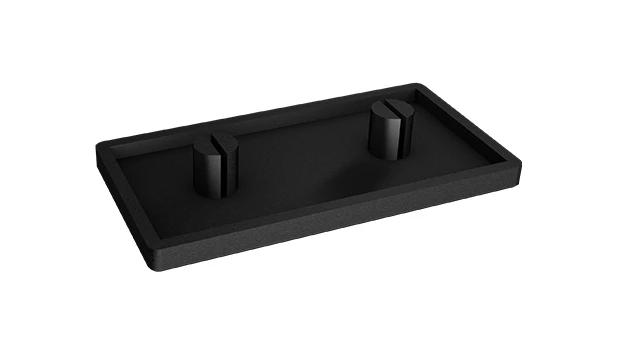
3060 Aluminum Profile End Cap
The aluminum profile end cap adds a finishing touch to your project and closes off profile ends to limit dust and debris buildup, also it can avaid some scratch for material and labor during the assemble work.
The unsung component that strengthens safety, structure, and efficiency in modern manufacturing
1. Introduction: The Hidden Backbone of Lean Manufacturing
In the fast-paced world of manufacturing, where every second counts and efficiency is king, lean systems have become the gold standard for operational excellence. From the assembly lines of automotive plants to the precision workstations of electronics factories, lean principles—eliminating waste, streamlining workflows, and maximizing value—drive success. Yet, for all the focus on big-picture processes like just-in-time production or continuous improvement, the smallest components often hold the greatest power to make or break a system's performance.
Enter the 3060 Aluminum Profile End Cap: a (unassuming) piece of hardware that, despite its size, plays a critical role in securing lean pipe workbenches, material racks, and production lines. Think of it as the silent guardian of your workspace—quietly ensuring safety, reinforcing structure, and preserving the integrity of the aluminum extrusion profiles that form the backbone of your operations. In this article, we'll dive deep into why this tiny component deserves a spot in your lean system toolkit, exploring its design, functionality, and the tangible impact it has on daily workflows.
2. What Exactly is a 3060 Aluminum Profile End Cap?
Before we unpack its roles, let's start with the basics: What is a 3060 Aluminum Profile End Cap, and why does it matter? At its core, this component is a specialized fitting designed to seal the exposed ends of 3060 aluminum extrusion profiles—those long, groove-laden beams that are the building blocks of everything from workbenches to flow racks. The "3060" designation refers to the profile's cross-sectional dimensions: 30 millimeters in width and 60 millimeters in height, a common size in industrial setups due to its balance of strength and versatility.
End caps are typically made from durable materials like aluminum alloy or high-grade plastic (often polypropylene or ABS), chosen for their resistance to wear, corrosion, and impact. Some variants even come with ESD (Electrostatic Discharge) properties, making them ideal for electronics manufacturing where static control is non-negotiable. Their design is deceptively simple: a cap-shaped piece that either snaps onto the profile end, screws into place, or slides on with a friction fit, creating a smooth, finished surface where raw aluminum once jutted out.
But don't let their simplicity fool you. A well-engineered end cap is more than just a "plug"—it's a precision component tailored to the unique geometry of 3060 profiles. Most aluminum extrusion profiles feature T-slots (longitudinal grooves) that allow for easy attachment of accessories like brackets, shelves, or casters. End caps are designed to complement these slots, ensuring a snug fit that doesn't interfere with other components while still providing a secure seal.

3. The Anatomy of a Reliable End Cap: Design Features That Matter
Material Matters: Aluminum vs. Plastic
Not all end caps are created equal, and the first decision you'll face is material. Aluminum end caps are prized for their strength and heat resistance, making them ideal for heavy-duty applications like material rack b (3 row and 3 floor) or workbench e (single deck-without caster) setups that bear significant weight. They're also corrosion-resistant, a boon for factories with high humidity or exposure to chemicals. Plastic end caps, on the other hand, are lighter, more cost-effective, and often come in vibrant colors (think yellow or grey) that help with visual organization—perfect for lean systems where color-coding tools or zones is key.
Installation Styles: Snap-On, Screw-On, or Slide-On?
How you attach the end cap matters just as much as what it's made of. Snap-on end caps are the quickest to install: they feature flexible tabs that "snap" into the profile's T-slots, creating a tight seal without tools. This is ideal for fast-paced environments where assembly or reconfiguration happens frequently. Screw-on end caps, by contrast, use small screws (often M4 or M5) to secure to the profile, offering extra stability for high-vibration areas like near conveyor belts or roller tracks. Slide-on end caps, with their friction-fit design, are a middle ground—easy to install but secure enough for most standard workbenches.
Load-Bearing and Impact Resistance
A quality end cap isn't just about covering a hole—it's about reinforcing the profile's end to withstand daily wear and tear. Look for end caps with ribbed internal structures or reinforced edges, which distribute weight and absorb impacts from tools, materials, or accidental bumps. For example, in a busy production line where turnover trolleys are constantly moving, a flimsy end cap might crack under pressure, leaving the profile exposed. A robust one? It'll stand up to years of use, keeping your setup intact.

4. Key Roles in Securing Lean Pipe Workbenches: Why It's Non-Negotiable
Now, let's get to the heart of the matter: What does a 3060 Aluminum Profile End Cap actually do for your lean pipe workbench? The answer lies in four critical areas: safety, structural integrity, aesthetics, and profile protection. Let's break them down.
Safety First: Eliminating Sharp Edges and Hazards
Walk into any manufacturing floor, and you'll notice one universal truth: exposed metal edges are accidents waiting to happen. Aluminum extrusion profiles, while strong, have raw, cut ends that can be surprisingly sharp—sharp enough to slice through gloves, scratch forearms, or even catch on clothing. In a lean system where every second counts, a minor injury from a profile end can disrupt workflows, require first aid, and even lead to lost productivity or workers' compensation claims.
End caps solve this problem by transforming those jagged edges into smooth, rounded surfaces. Imagine a new operator rushing to load parts onto a material rack b (3 row and 3 floor) setup—without end caps, their arm might graze an exposed profile, leading to a cut. With end caps? The risk vanishes. It's a simple fix that adds up to a safer workplace, reducing incidents and boosting employee confidence in their environment.
But safety doesn't stop at cuts. In ESD-sensitive industries like electronics manufacturing, plastic end caps with ESD properties can also help dissipate static charges, preventing damage to sensitive components. Even in non-ESD setups, the non-conductive nature of plastic end caps adds an extra layer of protection against electrical hazards, making them a smart choice for workbenches near power tools or wiring.
Structural Integrity: Reinforcing Profile Ends for Longevity
Lean pipe workbenches are built to be modular and adaptable, but that flexibility depends on the strength of their components. Aluminum extrusion profiles are designed to bear weight, but their ends are surprisingly vulnerable to deformation. Over time, constant pressure from clamps, brackets, or heavy tools can cause the end of a profile to bow or crack—especially if it's not supported. This isn't just a cosmetic issue; a weakened profile end can compromise the entire workbench's stability, leading to wobbling, misalignment, or even collapse.
Here's where end caps step in: by fitting snugly into the profile's end, they act as a reinforcement, distributing stress and preventing the aluminum from bending or cracking. Think of it like a cap on a toothpaste tube—without it, the tube might crush at the opening; with it, the structure holds. For example, a workbench e (single deck-without caster) used for assembling heavy machinery parts relies on its legs (often 3060 profiles) to bear hundreds of pounds. End caps on those legs ensure the profiles maintain their shape, keeping the workbench level and secure for years.
Additionally, end caps help maintain the precision of the profile's T-slots. Without them, dust, debris, or even small tools can fall into the slots, jamming accessories like brackets or roller track connectors. A clean slot means smoother adjustments and fewer delays when reconfiguring your workbench—exactly what lean systems demand.
Aesthetic and Organizational Value: The "Lean Look" That Boosts Morale
Lean manufacturing isn't just about efficiency—it's about creating a workspace that feels intentional, organized, and professional. A workbench cluttered with exposed profile ends, rusty edges, or mismatched components sends a message of neglect, which can seep into employee attitudes and even quality control. End caps, by contrast, give your setup a polished, finished look that reflects pride in your processes.
Many end caps come in colors that align with lean visual management principles. For example, yellow end caps might mark "active" zones, while grey ones denote "storage" areas. This color-coding helps operators quickly identify where tools or materials belong, reducing search time and errors. Even simple black or white end caps create a uniform appearance, making it easier to spot anomalies (like a missing cap, which might indicate a loose profile).
Beyond color, the clean lines of capped profiles make your workspace feel more spacious and less chaotic. When everything has a place—and looks like it belongs—teams are more likely to maintain organization, sticking to 5S principles (Sort, Set in Order, Shine, Standardize, Sustain). It's a subtle psychological effect, but one that pays off in better habits and higher morale.
Protection of Aluminum Extrusion Profiles: Preserving Your Investment
Aluminum extrusion profiles aren't cheap—and replacing them due to damage is a waste of resources that lean systems aim to eliminate. Without end caps, the open ends of profiles act like magnets for dust, moisture, and debris. Over time, dust can accumulate inside, clogging T-slots and making it hard to attach accessories. Moisture, especially in humid environments, can lead to corrosion (even with aluminum, which is rust-resistant, oxidation can dull surfaces and weaken joints). And impacts from tools or materials can dent or bend the profile's end, ruining its structural integrity.
End caps act as a barrier, sealing out the elements and preventing internal damage. For example, a material rack b (3 row and 3 floor) stored in a warehouse with fluctuating temperatures might be exposed to condensation—without end caps, moisture could seep into the profiles, leading to internal corrosion. With end caps? The profiles stay dry, and their lifespan extends by years. Similarly, in a cleanroom environment, where dust control is critical, end caps ensure no particles enter the profiles, maintaining sterility.
This protection isn't just about saving money on replacements—it's about preserving the precision of your setup. Aluminum profiles are engineered to exact tolerances, and even minor damage to the end can throw off measurements when building or reconfiguring workbenches. A dented end might mean a bracket sits unevenly, leading to a wobbly shelf or misaligned roller track. End caps keep those ends pristine, ensuring your profiles perform as intended, day in and day out.
5. How to Choose the Right End Cap for Your Lean System
Not all end caps are created equal, and choosing the right one depends on your specific needs. Here are key factors to consider:
- Profile Size: Ensure the end cap matches your profile dimensions—3060 for 30x60mm profiles, 2020 for smaller ones, etc. A misfit cap will fall off or fail to seal properly.
- Material: Aluminum for heavy-duty, high-heat, or industrial environments; plastic for cost-effectiveness, color options, or ESD needs.
- Installation Type: Snap-on for quick assembly/reconfiguration; screw-on for high-vibration areas; slide-on for a balance of speed and security.
- Load Capacity: For workbenches or racks that bear heavy weight, opt for reinforced end caps with internal ribbing.
- ESD Requirements: If you work with sensitive electronics, choose ESD-safe plastic end caps to prevent static damage.
- Supplier Reliability: Partner with a reputable lean pipe supplier who offers quality end caps—look for certifications like ISO 9001 to ensure consistency.
6. Comparing End Cap Types: Which One Fits Your Setup?
| End Cap Type | Material | Best For | Installation Time | Load Capacity | ESD Compatible? |
|---|---|---|---|---|---|
| 3060 Aluminum Snap-On | Aluminum Alloy | Heavy-duty workbenches, material racks | Fast (30 seconds) | High (up to 500 lbs per cap) | No (unless coated) |
| 3060 Plastic Screw-On | ABS Plastic | High-vibration areas (near conveyors) | Moderate (2 minutes with tools) | Medium (up to 300 lbs per cap) | Yes (with ESD additive) |
| 3060 Slide-On (Plastic) | Polypropylene | Light-duty workstations, cleanrooms | Very Fast (15 seconds) | Low (up to 150 lbs per cap) | Yes (with ESD additive) |
| 2020 Mini Plastic Snap-On | PVC | Small racks, shelving units | Fast (20 seconds) | Low (up to 100 lbs per cap) | Yes |
| 4040 Aluminum Screw-On | Aluminum Alloy | Industrial machinery frames | Moderate (2 minutes with tools) | Very High (up to 800 lbs per cap) | No |
7. Real-World Impact: A Case for End Caps in Lean Systems
To put this in perspective, let's consider a hypothetical scenario: A mid-sized electronics manufacturer recently invested in new lean pipe workbenches to streamline their assembly line. Initially, they skipped end caps to save costs, figuring "the profiles are strong enough on their own." Six months later, they noticed three issues:
- Safety Incidents: Two operators sustained minor cuts from exposed profile ends, leading to a day of lost work and a safety audit.
- Profile Damage: Dust and moisture had accumulated inside the profiles, making it hard to attach roller track connectors—delaying a line reconfiguration by 2 hours.
- Wobbling Workbenches: Several profile ends had bent from impact, causing workbenches to wobble and reducing assembly precision.
After installing 3060 Aluminum Profile End Caps across all workbenches, the results were clear: No more injuries, faster reconfigurations (since T-slots stayed clean), and workbenches that remained stable for years. The cost of the end caps? A fraction of the savings from reduced downtime and fewer replacements. It's a classic example of how investing in small components pays off in big lean wins.
8. Conclusion: Small Part, Big Difference in Lean Success
In the world of lean manufacturing, success lies in the details. The 3060 Aluminum Profile End Cap may be small, but its impact is anything but: it keeps workers safe, reinforces structural integrity, preserves your investment in aluminum extrusion profiles, and contributes to a clean, organized workspace that fuels efficiency. Whether you're building a new lean pipe workbench, upgrading a material rack, or simply maintaining your existing setup, this tiny component deserves a spot on your must-have list.
So, the next time you're evaluating your lean system, don't overlook the ends of your profiles. Ask yourself: Are they protected? Are they safe? Are they contributing to the efficiency you strive for? If the answer is no, it's time to invest in quality end caps. Your team, your workflow, and your bottom line will thank you.