- Company Articles
- Products and Technology
- Product knowledge
- 3060 Aluminum Profile End Cap Material: Aluminum vs. Plastic Options Compared

3060 Aluminum Profile End Cap Material: Aluminum vs. Plastic Options Compared
Related Product
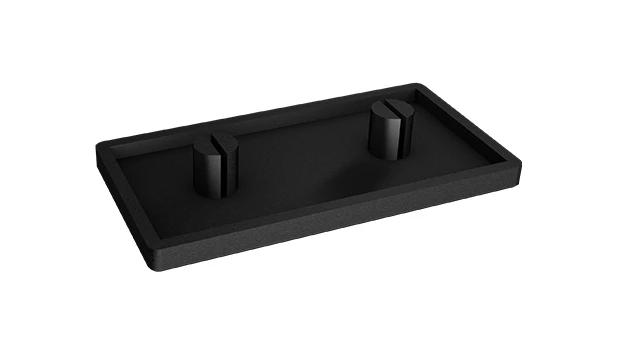
3060 Aluminum Profile End Cap
The aluminum profile end cap adds a finishing touch to your project and closes off profile ends to limit dust and debris buildup, also it can avaid some scratch for material and labor during the assemble work.
Ever finished building a 3060 aluminum profile structure—like a lean pipe workbench or material rack—and thought, "Wait, what about those sharp, open ends?" That's where end caps come in. They're small, but they play a huge role in keeping your setup safe, clean, and looking professional. But when it comes to choosing between aluminum and plastic end caps for your 3060 profiles, how do you decide? Is it just about cost, or is there more to it? Let's dive in and break down the differences, so you can pick the right one for your project.
What Are 3060 Aluminum Profile End Caps?
Before we compare the two materials, let's take a step back and understand why end caps matter. 3060 aluminum profiles are widely used in lean systems—from workbenches to material racks—because of their strength, lightweight nature, and versatility. But the hollow ends of these profiles can be a problem if left uncovered:
1.
Safety Risks:
Sharp edges can cause cuts or scratches to workers, especially in busy environments like 3C assembly lines or warehouse logistics areas.
2. Debris Accumulation: Dust, dirt, and small particles can get inside the profiles, leading to corrosion or reduced structural integrity over time.
3. Unfinished Look: Open ends give your structure a rough, unprofessional appearance—something you don't want if you're building a setup for clients or a public-facing area.
4. Moisture Damage: In damp environments, water can seep into the profiles and cause rust (if using steel components) or aluminum corrosion.
2. Debris Accumulation: Dust, dirt, and small particles can get inside the profiles, leading to corrosion or reduced structural integrity over time.
3. Unfinished Look: Open ends give your structure a rough, unprofessional appearance—something you don't want if you're building a setup for clients or a public-facing area.
4. Moisture Damage: In damp environments, water can seep into the profiles and cause rust (if using steel components) or aluminum corrosion.
End caps solve all these problems. They fit snugly into the ends of 3060 profiles, sealing them off and adding a polished finish. Now, let's look at the two main material options: aluminum and plastic.
Aluminum End Caps for 3060 Profiles: Strength & Durability
Aluminum end caps are made from high-grade aluminum alloy—often the same as the 3060 profiles themselves. This means they're built to last, even in the toughest industrial settings. Let's explore their key benefits:
1. Exceptional Durability:
Aluminum end caps are resistant to cracking, bending, and wear. Unlike plastic, they won't break if you drop a heavy tool on them or expose them to extreme temperatures. For example, if you're using a Material Rack B (3 rows, 3 floors) to hold heavy metal parts, aluminum end caps will stand up to the constant weight and use without failing.
2. Corrosion Resistance: Aluminum naturally forms a protective oxide layer that prevents rust. This makes aluminum end caps perfect for environments like medical equipment setups (where cleaning chemicals are used) or warehouse areas with occasional spills.
3. Seamless Aesthetics: Since they're made of aluminum, these end caps blend perfectly with your 3060 profiles. This is especially important if you're building a lean pipe workbench for a client who values a uniform, professional look.
4. Easy to Clean: Aluminum end caps are smooth and non-porous, so they're easy to wipe down—critical for hygiene-sensitive areas like medical facilities.
5. Long-Term Value: While aluminum end caps are more expensive upfront, they last much longer than plastic ones. This means you won't have to replace them as often, saving you money in the long run.
2. Corrosion Resistance: Aluminum naturally forms a protective oxide layer that prevents rust. This makes aluminum end caps perfect for environments like medical equipment setups (where cleaning chemicals are used) or warehouse areas with occasional spills.
3. Seamless Aesthetics: Since they're made of aluminum, these end caps blend perfectly with your 3060 profiles. This is especially important if you're building a lean pipe workbench for a client who values a uniform, professional look.
4. Easy to Clean: Aluminum end caps are smooth and non-porous, so they're easy to wipe down—critical for hygiene-sensitive areas like medical facilities.
5. Long-Term Value: While aluminum end caps are more expensive upfront, they last much longer than plastic ones. This means you won't have to replace them as often, saving you money in the long run.
Ideal Use Cases for Aluminum End Caps:
- Heavy-duty workbenches (like Workbench E) for 3C assembly lines.
- Material racks holding heavy components (e.g., Material Rack B).
- Medical equipment setups where hygiene and durability are key.
- Warehouse logistics areas with high traffic and moisture.
- Lean system wholesale projects where clients need long-lasting components.
- Heavy-duty workbenches (like Workbench E) for 3C assembly lines.
- Material racks holding heavy components (e.g., Material Rack B).
- Medical equipment setups where hygiene and durability are key.
- Warehouse logistics areas with high traffic and moisture.
- Lean system wholesale projects where clients need long-lasting components.
Potential Drawbacks:
- Higher Cost: Aluminum end caps are typically 2-3 times more expensive than plastic ones.
- Slightly Heavier: While the weight difference is minimal for individual end caps, it can add up if you're using hundreds of them in a large setup.
- Higher Cost: Aluminum end caps are typically 2-3 times more expensive than plastic ones.
- Slightly Heavier: While the weight difference is minimal for individual end caps, it can add up if you're using hundreds of them in a large setup.

Plastic End Caps for 3060 Profiles: Affordability & Convenience
Plastic end caps are made from durable polymers like polypropylene (PP) or acrylonitrile butadiene styrene (ABS). They're a popular choice for budget-conscious projects or temporary setups. Let's look at their benefits:
1. Cost-Effective:
Plastic end caps are significantly cheaper than aluminum ones. If you're buying in bulk (wholesale), this can lead to huge cost savings—perfect for small businesses or temporary projects.
2. Lightweight: They're easy to carry and install, which is great for quick setups like temporary turnover trolleys or pop-up workstations.
3. Color Options: Plastic end caps come in a variety of colors (like yellow or grey, similar to the plastic roller track guide rails used in). This allows you to match your setup's color scheme or add a decorative touch.
4. Flexibility: Plastic is slightly flexible, so it can absorb minor impacts without cracking—though not as well as aluminum.
5. Wide Availability: Plastic end caps are easy to find and stock, making them a convenient choice for urgent projects.
2. Lightweight: They're easy to carry and install, which is great for quick setups like temporary turnover trolleys or pop-up workstations.
3. Color Options: Plastic end caps come in a variety of colors (like yellow or grey, similar to the plastic roller track guide rails used in). This allows you to match your setup's color scheme or add a decorative touch.
4. Flexibility: Plastic is slightly flexible, so it can absorb minor impacts without cracking—though not as well as aluminum.
5. Wide Availability: Plastic end caps are easy to find and stock, making them a convenient choice for urgent projects.
Ideal Use Cases for Plastic End Caps:
- Temporary workstations for seasonal peaks.
- Lightweight racks holding paper boxes or small components.
- Budget-friendly lean system projects.
- Setups where color customization is important.
- Projects where you don't need long-term durability (e.g., prototype workbenches).
- Temporary workstations for seasonal peaks.
- Lightweight racks holding paper boxes or small components.
- Budget-friendly lean system projects.
- Setups where color customization is important.
- Projects where you don't need long-term durability (e.g., prototype workbenches).
Potential Drawbacks:
- Less Durable: Plastic end caps can crack if exposed to extreme temperatures (like direct sunlight for hours) or heavy impacts.
- Poor Corrosion Resistance: While plastic doesn't rust, it can degrade over time in damp environments or when exposed to cleaning chemicals.
- Unmatched Aesthetics: Plastic end caps don't blend as well with aluminum profiles, so they might make your setup look less professional.
- Shorter Lifespan: You'll need to replace plastic end caps more often than aluminum ones, which can increase long-term costs.
- Less Durable: Plastic end caps can crack if exposed to extreme temperatures (like direct sunlight for hours) or heavy impacts.
- Poor Corrosion Resistance: While plastic doesn't rust, it can degrade over time in damp environments or when exposed to cleaning chemicals.
- Unmatched Aesthetics: Plastic end caps don't blend as well with aluminum profiles, so they might make your setup look less professional.
- Shorter Lifespan: You'll need to replace plastic end caps more often than aluminum ones, which can increase long-term costs.

Head-to-Head Comparison: Aluminum vs. Plastic End Caps
| Factor | Aluminum End Caps | Plastic End Caps |
|---|---|---|
| Durability | High (resists cracking, wear, extreme temps) | Medium (may crack under heavy use/extremes) |
| Cost | Higher (2-3x more expensive) | Lower (budget-friendly) |
| Weight | Slightly heavier | Lightweight |
| Installation Ease | Easy (snaps or screws in) | Very Easy (snaps in quickly) |
| Aesthetic Match | Excellent (blends with aluminum profiles) | Good (varies by color; may not match) |
| Corrosion Resistance | Excellent (resists moisture and chemicals) | Medium (degrades over time in damp environments) |
| Ideal Use Cases | Heavy-duty setups, medical areas, warehouse logistics | Temporary setups, budget projects, light loads |
| Long-Term Value | High (fewer replacements) | Medium (more replacements needed) |
| Color Options | Limited (usually silver or matching profile color) | Wide (yellow, grey, black, etc.) |
| Cleaning Ease | Easy (smooth surface) | Easy (but may retain stains) |
How to Choose the Right End Cap for Your Project
Now that you know the differences between aluminum and plastic end caps, how do you pick the right one? Here are some steps to follow:
1. Assess Your Load Requirements:
If your structure holds heavy items (like metal parts on a Material Rack B), go with aluminum end caps. For light loads (paper boxes), plastic is fine.
2. Check the Environment: Is your setup in a damp or chemical-rich area? Aluminum's corrosion resistance is better. If it's dry and stable, plastic works.
3. Consider Your Budget: If you're buying wholesale for a large project, calculate the total cost of both options. Aluminum may cost more upfront, but it saves money in the long run. Plastic is better for short-term savings.
4. Aesthetic Preferences: Do you want a uniform look? Aluminum is the way to go. If color customization is important, plastic is better.
5. Project Duration: For permanent setups, choose aluminum. For temporary ones, plastic is ideal.
6. Client Needs: If you're a lean system supplier, ask your clients about their priorities. Some may want durability, others cost savings.
2. Check the Environment: Is your setup in a damp or chemical-rich area? Aluminum's corrosion resistance is better. If it's dry and stable, plastic works.
3. Consider Your Budget: If you're buying wholesale for a large project, calculate the total cost of both options. Aluminum may cost more upfront, but it saves money in the long run. Plastic is better for short-term savings.
4. Aesthetic Preferences: Do you want a uniform look? Aluminum is the way to go. If color customization is important, plastic is better.
5. Project Duration: For permanent setups, choose aluminum. For temporary ones, plastic is ideal.
6. Client Needs: If you're a lean system supplier, ask your clients about their priorities. Some may want durability, others cost savings.
Real-World Scenarios to Guide Your Choice
Scenario 1: 3C Assembly Line Workbench
You're building a lean pipe workbench for a 3C assembly line. The workbench will be used daily by 10 workers, and it needs to look professional. Aluminum end caps are the best choice here—they're durable, easy to clean, and blend with the aluminum profiles. They also protect workers from sharp edges, which is critical in a busy assembly line.
Scenario 2: Temporary Warehouse Rack
You need a temporary rack to hold lightweight boxes during a holiday peak. Plastic end caps are perfect—they're cheap, easy to install, and you don't need them to last beyond the peak season. You can even choose yellow end caps to match the warehouse's safety color scheme.
Scenario3: Medical Equipment Rack
You're building a rack for medical devices. Hygiene and durability are top priorities. Aluminum end caps are the right choice—they're resistant to cleaning chemicals, easy to sanitize, and won't degrade over time. This ensures the rack meets the strict standards of the medical industry.
Scenario4: Wholesale Purchase for a Lean System Supplier
As a lean system supplier, you need to stock end caps for your clients. You should carry both aluminum and plastic options. Clients who need heavy-duty setups (like Workbench E or Material Rack B) will pick aluminum, while those on a budget will choose plastic. This way, you cater to all your customers' needs and stay competitive in the market.
Final Thoughts
End caps may seem like small components, but they play a crucial role in the safety, durability, and aesthetics of your 3C assembly line or warehouse setup. Choosing between aluminum and plastic end caps isn't a one-size-fits-all decision—it depends on your specific needs. Whether you're building a permanent lean pipe workbench, a temporary rack, or buying wholesale for your clients, there's an end cap option that's right for you.
Remember: The best choice is the one that balances your budget, load requirements, and environment. So next time you're finishing a 3060 aluminum profile structure, take a moment to pick the right end cap—your workers, your clients, and your wallet will thank you.