- Company Articles
- Products and Technology
- Product knowledge
- 3060 Aluminum Profile End Caps: Durability for Reusable Lean Systems

3060 Aluminum Profile End Caps: Durability for Reusable Lean Systems
Related Product
3060 Aluminum Profile End Cap
The aluminum profile end cap adds a finishing touch to your project and closes off profile ends to limit dust and debris buildup, also it can avaid some scratch for material and labor during the assemble work.
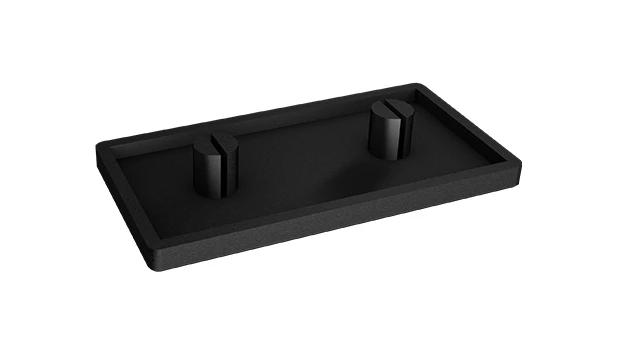
3060 Aluminum Profile End Caps: Durability for Reusable Lean Systems
Walk onto any modern factory floor—whether it's assembling smartphones, building medical devices, or organizing warehouse inventory—and you'll see aluminum profiles everywhere. They form the backbone of workbenches, material racks, and production lines. But look closer: at the ends of those 3060 aluminum profiles, you'll find small but critical components: end caps. These tiny pieces do more than just cover sharp edges; they're the unsung heroes that keep lean systems running efficiently, reusable, and durable for years to come.
The Basics of 3060 Aluminum Profile End Caps
What exactly are 3060 aluminum profile end caps? As the name suggests, they're precision-engineered to fit perfectly onto the ends of 3060 aluminum profiles—those versatile, T-slot extrusions used in everything from lean pipe workbenches to conveyor systems. Made from high-quality materials like impact-resistant ABS plastic or lightweight aluminum, these end caps are designed to withstand the rigors of industrial use while protecting the profiles and the people working with them.
Let's break down their key design features: first, a snug fit. Each end cap is molded to match the exact dimensions of 3060 profiles, ensuring it stays in place even during heavy vibration or frequent handling. Second, edge protection: they cover the sharp, raw ends of extruded aluminum, preventing cuts and scrapes for workers. Third, dust and debris resistance: by sealing the end of the profile, they keep out dirt, grime, and moisture that could corrode the inside of the extrusion over time. These features might seem small, but they add up to big benefits for lean systems.
Durability: Built to Last in Industrial Environments
Durability is non-negotiable in industrial settings, and 3060 aluminum profile end caps deliver. Let's talk about materials first: many are made from impact-resistant ABS plastic, which resists scratches, dents, and chemical spills common in factory environments. Others are crafted from aluminum, matching the profile itself for a seamless look and extra strength. Either way, these end caps are built to last—they won't crack under pressure, fade from exposure to sunlight or chemicals, or wear out quickly even with constant handling.
To ensure durability, these end caps undergo rigorous testing. They're dropped from heights to check impact resistance, exposed to harsh chemicals (like cleaning agents or lubricants) to verify corrosion resistance, and subjected to repeated assembly/disassembly cycles to confirm they hold up. The result? End caps that can handle thousands of uses without failing. This level of durability is key to their role in reusable lean systems: if an end cap breaks easily, the entire profile might get damaged when disassembled, making it impossible to reuse. With high-quality end caps, you can take apart a lean pipe workbench, rearrange the profiles into a new material rack, and the end caps will still perform like new.
Another aspect of durability is compatibility with other lean system accessories. For example, when used with internal rotatary aluminum joints or aluminum pipe clamps, 3060 end caps don't interfere with the functionality of these components. They fit seamlessly into the modular system, ensuring that every part works together to create a robust, long-lasting structure.
Role in Reusable Lean Systems: A Core Lean Principle
Lean systems are all about modularity, reusability, and continuous improvement. 3060 aluminum profile end caps are essential to this philosophy. Here's how: when you build a structure using 3060 profiles—say, a workbench for 3C assembly—each profile's end is protected by an end cap. When you need to reconfigure that workbench into a different setup (like a flow rack for parts storage), you can easily disassemble the profiles without worrying about damaging the ends. The end caps prevent scratches and dents that would make the profiles less effective in future uses.
This reusability reduces waste (a core lean principle) and saves costs over time, since you don't have to replace profiles every time you change your production line. Let's take an example: a factory needs to switch from assembling one product to another. With a lean system using 3060 profiles and end caps, they can disassemble their current workstations and build new ones in hours, not days. The end caps ensure that each profile is in perfect condition for the new setup, so there's no waste of materials. This flexibility is what makes lean systems so powerful, and end caps are a key part of that flexibility.
Moreover, the reusability of these end caps aligns with the "sustainable improvement" goal of lean systems. Instead of discarding old components when processes change, you can reuse them, reducing your environmental footprint and contributing to a more sustainable manufacturing process. It's a small component, but it's a big contributor to the circular economy that modern industries are striving for.
Applications Across Industries: Where 3060 End Caps Shine
The versatility of 3060 aluminum profile end caps means they're used across a wide range of industries. Let's explore some key applications:
| Industry | Application | Key Benefits of 3060 End Caps |
|---|---|---|
| 3C Assembly | Lean Pipe Workbenches & Flexible Workstations | Protects workers from sharp edges; enables quick reconfiguration for different product lines |
| Medical Devices | Sterile Workstations & Material Racks | Non-toxic, easy-to-clean materials; resists corrosion from sanitizing agents |
| Warehousing & Logistics | Flow Racks & Conveyor Systems | Withstands heavy loads and constant movement; keeps profiles clean from dust and debris |
| Automotive Manufacturing | Production Lines & Parts Storage Racks | Resists chemical spills; reusable in different assembly setups |
| Consumer Electronics | Assembly Workstations & Turnover Trolleys | Lightweight yet durable; fits seamlessly with other lean system accessories |
In each of these industries, 3060 aluminum profile end caps play a vital role in keeping operations smooth and efficient. For example, in a medical device factory, end caps made from non-toxic materials ensure that workstations meet strict hygiene standards. In a warehouse, end caps on flow rack profiles prevent damage to parts as they slide along the racks, reducing waste and improving productivity.
Choosing the Right 3060 Aluminum Profile End Caps
When selecting 3060 aluminum profile end caps, there are a few key factors to consider to ensure you get the best value and performance:
Material: Decide between plastic and aluminum. Plastic end caps are lightweight, cost-effective, and impact-resistant—ideal for most general industrial uses. Aluminum end caps offer extra strength and a matching look with the profile, perfect for heavy-duty applications or where a seamless aesthetic is desired.
Fit: Always choose end caps specifically designed for 3060 profiles. Ill-fitting end caps won't protect the profile properly and might fall off during use, leading to potential damage or safety hazards.
Compatibility: Ensure the end caps work with other lean system accessories you're using, like aluminum profile connectors or clamps. This ensures a cohesive, modular system that can be easily reconfigured.
Quality: Opt for end caps from a reputable lean system supplier. High-quality end caps undergo strict quality control tests to ensure durability and performance, so you can trust them to last in your industrial environment.
Conclusion: The Unsung Heroes of Lean Systems
In the world of lean systems, every component matters—even the smallest ones like 3060 aluminum profile end caps. They're not just decorative; they're functional, durable, and essential to keeping your systems reusable and efficient. Whether you're building a lean pipe workbench for your production line or a custom solution for medical device manufacturing, these end caps are the quiet workhorses that ensure your investment lasts.
Next time you look at a lean system, take a moment to notice the end caps. They're proof that great things come in small packages. By protecting profiles, enabling reusability, and supporting continuous improvement, 3060 aluminum profile end caps are more than just accessories—they're the foundation of durable, sustainable lean systems that drive success in modern manufacturing.