- Company Articles
- Products and Technology
- Product knowledge
- 3060 Aluminum Profile End Caps for Retail Display Racks: Aesthetics & Safety

3060 Aluminum Profile End Caps for Retail Display Racks: Aesthetics & Safety
Related Product
3060 Aluminum Profile End Cap
The aluminum profile end cap adds a finishing touch to your project and closes off profile ends to limit dust and debris buildup, also it can avaid some scratch for material and labor during the assemble work.
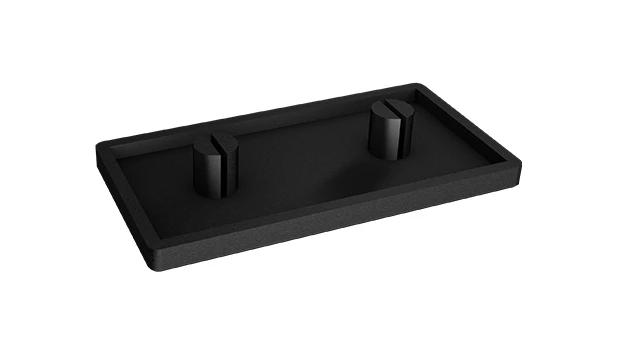
Walk into any retail store, and your eyes are immediately drawn to the displays. They're the silent salespeople, showcasing products, guiding your path, and telling the brand's story without a single word. Behind those sleek shelves, sturdy racks, and eye-catching counters lies a world of materials and components working together to create that perfect first impression. One material that's become a backbone of modern retail displays is the aluminum extrusion profile—lightweight, strong, and endlessly customizable. But even the most well-designed aluminum structure needs a finishing touch to truly shine, and that's where the humble 3060 aluminum profile end cap comes in. These small, often overlooked components play a huge role in both keeping customers safe and making sure your displays look as polished as the products they hold.
Why Aluminum Extrusion Profiles Rule Retail Displays
Before we dive into end caps, let's talk about why aluminum extrusion profiles are everywhere in retail. If you've ever assembled a shelf, built a rack, or even just admired a sleek countertop, chances are you've encountered these versatile building blocks. Aluminum extrusion profiles are created by pushing molten aluminum through a die, giving them consistent, precise shapes—like the popular 3060 profile, which measures 30mm by 60mm. This size is a favorite among retailers because it strikes the perfect balance: it's strong enough to hold heavy products (think stacks of jeans or electronics) but lightweight enough to make displays easy to move and reconfigure.
Retailers love aluminum extrusion profiles for another big reason: customization. Unlike rigid materials like wood or steel, aluminum profiles can be cut to any length, connected with a variety of aluminum profile accessories (think brackets, connectors, and yes, end caps), and even powder-coated in brand colors. This flexibility means a high-end boutique can create minimalist, gold-accented shelves, while a tech store can build industrial-chic racks with black profiles—all using the same basic aluminum extrusion profile. Plus, aluminum is durable, resistant to rust, and recyclable, making it a sustainable choice for brands focused on eco-friendly practices.
Real-Life Example: A popular athletic wear brand recently revamped its store displays using 3060 aluminum extrusion profiles. They chose a matte black finish for the profiles and paired them with clear acrylic shelves to highlight their neon activewear. The result? A modern, airy space that feels both high-quality and approachable—all made possible by the adaptability of aluminum profiles.
Meet the Unsung Hero: The 3060 Aluminum Profile End Cap
So, you've invested in top-notch 3060 aluminum extrusion profiles, picked out the perfect aluminum profile accessories, and assembled a stunning display. But take a closer look at the ends of those profiles. Without a cap, they're just raw, unfinished metal—sharp edges, exposed internal grooves, and a generally unpolished look. That's where the 3060 aluminum profile end cap steps in. These small covers snap or slide onto the open ends of aluminum profiles, sealing them off and transforming "almost perfect" into "absolutely professional."
At first glance, end caps might seem like a trivial add-on. After all, they're small and relatively inexpensive compared to the profiles themselves. But any retail manager who's dealt with a customer complaint about a scraped arm or a display that looks "thrown together" will tell you: end caps are non-negotiable. They serve two critical purposes: keeping people safe and making displays look intentional. Let's break down why each matters.

Safety First: How End Caps Protect Customers and Staff
Retail spaces are busy places. Customers rush in during sales, kids dart between racks, and staff members constantly restock shelves or rearrange displays. In all that chaos, sharp edges on aluminum profiles are accidents waiting to happen. The ends of an uncovered 3060 aluminum extrusion profile can be surprisingly sharp—think of the way a metal ruler feels when you run your finger along its edge. A customer reaching for a product on a high shelf might brush against that edge and walk away with a scrape. A parent chasing a toddler could trip and hit an exposed profile end, leading to a more serious injury. Even staff members, who spend hours around these displays, are at risk of cuts or bruises from handling uncovered profiles during setup or rearrangement.
3060 aluminum profile end caps eliminate this risk by covering those sharp edges. Most end caps are made from soft, impact-resistant materials like plastic or rubber, which act as a cushion. If someone does bump into the display, the end cap absorbs the impact, reducing the chance of injury. This isn't just about avoiding lawsuits (though that's a big plus); it's about creating a space where customers feel safe and cared for. When people don't have to worry about getting hurt, they can focus on enjoying their shopping experience—and that leads to happier customers and repeat business.
Safety standards also play a role here. Many retail spaces, especially those in malls or commercial buildings, are required to meet local safety codes. These codes often mandate that exposed metal edges on public displays be covered or rounded to prevent injury. By using 3060 aluminum profile end caps, you're not just being proactive—you're staying compliant. It's a simple step that shows you take safety seriously, which builds trust with both customers and inspectors.
Scenario: Imagine a busy bookstore during the holiday season. A parent is browsing with their 5-year-old, who's holding a stack of picture books. The child stumbles, reaching out to steady themselves on a nearby display rack made from 3060 aluminum profiles. If the rack's ends are uncovered, that child could walk away with a cut on their palm. But with a soft plastic end cap, the impact is harmless—the child giggles, the parent sighs in relief, and the shopping trip continues. That's the difference end caps make.

Aesthetics: Why "Finished" Matters in Retail
Retail is all about perception. A display that looks cheap or unfinished can make even the most expensive product seem low-quality. Think about it: would you trust a luxury watch displayed on a shelf with rough, uncovered metal edges? Probably not. 3060 aluminum profile end caps are the final piece of the puzzle that turns a functional display into a branded statement. They cover up the "messy" parts of the profile—like the internal T-slots used for connecting accessories—and create clean, smooth lines that draw the eye to the products, not the display itself.
End caps also offer a chance to reinforce brand identity through color and finish. Most manufacturers offer end caps in standard colors like black, white, and silver, which blend seamlessly with common profile finishes. But for brands with specific color schemes, custom end caps are often available. For example, a cosmetics store with a signature pink logo could order pink 3060 aluminum profile end caps to match their displays, creating a cohesive look from the entrance to the checkout counter. Even something as simple as matching the end cap color to the profile's powder coat can make a display feel intentional and high-end.
Finish matters too. Matte end caps work well with modern, minimalist displays, while glossy caps add a touch of elegance. Some end caps even have textured surfaces, which can add visual interest or provide a non-slip grip (handy for displays that double as work surfaces, like checkout counters). The key is consistency: if you're using aluminum profile accessories like black brackets, a mismatched white end cap will stick out like a sore thumb. Coordinating all elements—profiles, accessories, and end caps—creates a polished look that says, "We care about the details."
Brand Spotlight: A high-end jewelry retailer wanted their displays to feel as luxurious as the diamonds they sold. They used 3060 aluminum extrusion profiles with a brushed gold finish and paired them with custom gold 3060 aluminum profile end caps. The result? Displays that looked like they belonged in a museum, not a store. Customers commented on how "expensive" the displays felt, which made the jewelry seem even more valuable by association.
Beyond End Caps: The Ecosystem of Aluminum Profile Accessories
End caps don't work alone—they're part of a larger family of aluminum profile accessories that make retail displays functional and beautiful. Think of it like building with Legos: the profiles are the bricks, but you need accessories to connect them, add shelves, or adjust heights. Aluminum profile accessories include everything from brackets and hinges to connectors and leveling feet, and they all need to work together seamlessly.
For example, if you're building a multi-tiered shelf using 3060 aluminum extrusion profiles, you might use angle brackets to attach the shelves to the vertical profiles. Those brackets need to fit into the T-slots of the profiles, which are the same slots that the end caps cover. If the brackets are made from black plastic, choosing black end caps ensures the whole setup looks cohesive. Even small details, like using the same brand for end caps and other aluminum profile accessories, can make a difference—manufacturers often design accessories to match, so the colors and finishes are consistent.
Another example: casters. Many retail displays need to be mobile (think pop-up shops or seasonal displays). Adding casters to the bottom of a display requires drilling holes or using special brackets that attach to the profiles. The end caps on the bottom profiles will cover any exposed edges near the casters, preventing snags on carpets or accidental scrapes. It's a small detail, but it makes the display easier to move and safer to handle.
The takeaway? When designing a retail display, don't think of end caps as an afterthought. Include them in your initial plan, along with other aluminum profile accessories. This way, you can choose colors, materials, and finishes that work together from the start, instead of trying to cobble together mismatched parts later.
Choosing the Right 3060 Aluminum Profile End Cap: What to Consider
Not all end caps are created equal. With so many options on the market, how do you choose the right one for your display? Here are the key factors to consider:
Material
End caps are typically made from plastic, rubber, or aluminum. Plastic is the most common because it's lightweight, affordable, and comes in a wide range of colors. It's also easy to mold into different shapes, so plastic end caps often have a snug, custom fit for specific profiles like the 3060. Rubber end caps are softer and more flexible, making them great for high-traffic areas where impacts are likely (they absorb shock better than plastic). Aluminum end caps are the most durable—they match the look of aluminum profiles perfectly and are ideal for displays that need to withstand heavy use (like industrial-style stores or warehouses). However, they're more expensive than plastic or rubber.
Size
This might seem obvious, but end caps must fit your specific profile. A 3060 aluminum profile end cap is designed to fit a 30mm x 60mm profile—if you try to use a 2020 end cap (for a 20mm x 20mm profile), it will be too small and fall off. Always check the dimensions of your profiles before ordering end caps. Some manufacturers even label end caps by profile size (e.g., "3060 End Cap") to make shopping easier.
Installation Style
End caps attach in a few ways: snap-on, slide-on, or screw-on. Snap-on end caps are the easiest—they pop into place with a little pressure and stay put thanks to friction. They're great for displays that don't need frequent disassembly. Slide-on end caps are designed for profiles with open ends that slide into a channel; they're secure but can be harder to remove. Screw-on end caps use small screws to attach to the profile, making them ideal for heavy-duty applications where the cap might otherwise fall off (like mobile displays with casters). Choose the style based on how often you'll need to remove the caps and how much security you need.
Supplier Reliability
Finally, where you buy your end caps matters. Look for a supplier that specializes in aluminum extrusion profiles and accessories—they'll have a wider selection, better quality control, and expertise to help you choose the right products. A reliable supplier will also offer samples, so you can test end caps for color, fit, and durability before placing a bulk order. Avoid generic "one-size-fits-all" end caps from discount stores—they're often poorly made, don't fit snugly, and can fall off easily, defeating the purpose of using them in the first place.
Plastic vs. Aluminum End Caps: Which Should You Choose?
Still torn between plastic and aluminum end caps? Let's break down the pros and cons of each to help you decide:
| Feature | Plastic End Caps | Aluminum End Caps |
|---|---|---|
| Cost | More affordable, ideal for budget projects | More expensive, but offers better long-term value |
| Durability | Good for light to medium use; can crack if dropped | Highly durable; resistant to cracks, dents, and scratches |
| Aesthetics | Available in many colors and finishes; can match brand colors | Matches aluminum profiles perfectly; sleek, metallic look |
| Safety | Soft enough to cushion impacts; good for high-traffic areas | Harder than plastic; less cushioning, but still covers sharp edges |
| Best For | Standard displays, low-traffic areas, budget-friendly projects | Heavy-duty displays, high-traffic areas, premium brand aesthetics |
Final Thoughts: Small Caps, Big Impact
In the world of retail displays, it's the little things that count. A chipped paint job, a wobbly shelf, or an uncovered aluminum profile end can turn a positive customer experience into a negative one. 3060 aluminum profile end caps might be small, but they play a huge role in keeping customers safe and displays looking their best. They're the finishing touch that says, "We care about quality, safety, and the details that make your shopping experience enjoyable."
So, the next time you're designing a retail display, don't overlook the end caps. Invest in high-quality 3060 aluminum profile end caps that match your aluminum extrusion profile, coordinate with your aluminum profile accessories, and reflect your brand's aesthetic. Your customers will notice the difference—even if they can't quite put their finger on what makes your displays look so good. After all, in retail, perception is everything, and a polished display is the first step to winning over a customer's trust (and their business).