- Company Articles
- Products and Technology
- Product knowledge
- 3060 Aluminum Profile End Caps vs. Covers: Key Differences Explained

3060 Aluminum Profile End Caps vs. Covers: Key Differences Explained
Related Product
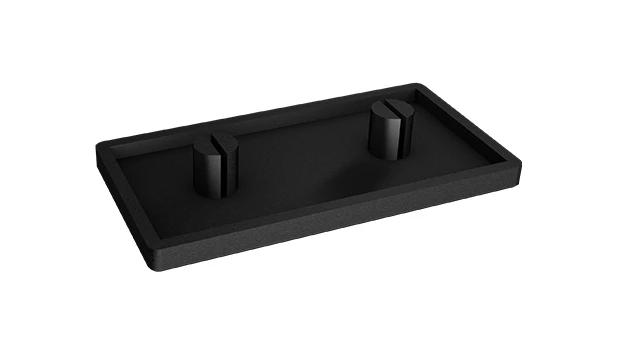
3060 Aluminum Profile End Cap
The aluminum profile end cap adds a finishing touch to your project and closes off profile ends to limit dust and debris buildup, also it can avaid some scratch for material and labor during the assemble work.
In the world of industrial manufacturing and workshop setups, aluminum extrusion profiles are the unsung heroes. These versatile, lightweight, and durable structures form the backbone of everything from workbenches and material racks to machinery frames and conveyor systems. But while the profiles themselves get most of the attention, it's the small, often-overlooked components that truly make or break their functionality. Today, we're shining a spotlight on two such components: 3060 aluminum profile end caps and covers. Though they might seem similar at first glance, these two accessories play distinct roles in protecting, enhancing, and extending the life of your aluminum extrusion profiles. Let's dive in and unpack their differences, uses, and how to choose the right one for your project.
First Things First: What Are 3060 Aluminum Profiles?
Before we jump into end caps and covers, let's quickly recap what aluminum extrusion profiles are, and why the 3060 variant is so popular. Aluminum extrusion is a manufacturing process where aluminum alloy is forced through a die to create a specific cross-sectional shape. The result? A lightweight, rigid, and highly customizable profile that can be cut, drilled, and assembled into almost any structure.
The "3060" in 3060 aluminum profiles refers to their dimensions: 30mm in width and 60mm in height. This particular size strikes a perfect balance between strength and versatility, making it a go-to choice for medium-duty applications. You'll find 3060 profiles in everything from assembly line workbenches and shelving units to automated machinery frames and even DIY projects. Their T-slot design—those long, narrow grooves running along the length of the profile—allows for easy attachment of accessories like brackets, panels, and tools, which is why they're a staple in lean manufacturing systems and modular setups.
Understanding 3060 Aluminum Profile End Caps: The Unsung Protectors of Profile Ends
What Are End Caps, Exactly?
If you've ever handled a raw aluminum extrusion profile, you know the ends can be sharp—think of a freshly cut piece of metal with burrs or rough edges. That's where end caps come in. Simply put, 3060 aluminum profile end caps are small, usually rigid components designed to fit snugly over the open ends of 3060 profiles. Their primary job? To seal, protect, and finish those ends, turning a potentially hazardous or unfinished edge into a safe, clean, and professional-looking surface.
Types of End Caps for 3060 Profiles
End caps aren't one-size-fits-all. Depending on your project's needs, you might opt for one of these common types:
- Press-Fit End Caps: The most popular and affordable option. These caps are designed to "snap" into place by simply pressing them onto the profile end. They're usually made of plastic (like nylon or PVC) and come in standard colors (black, white, silver) to match most profiles. Great for quick, temporary, or low-stress applications.
- Threaded End Caps: For projects that need a little extra functionality, threaded end caps have internal or external threads. Imagine building a workbench where you want to attach adjustable feet or casters directly to the profile ends—threaded caps let you do that without drilling into the profile itself.
- Aluminum End Caps: When durability and aesthetics matter most, aluminum end caps are the way to go. Machined from the same alloy as the profile, they blend seamlessly in color and texture, making them ideal for high-end or visible projects (think customer-facing displays or premium workbenches).
Why Bother with End Caps?
You might be thinking, "Can't I just leave the ends as they are?" Technically, yes—but you'd be missing out on some key benefits:
- Safety First: Sharp profile ends are a hazard. End caps eliminate the risk of cuts or scrapes, especially in high-traffic areas like workshops or factories.
- Dust and Debris Protection: Open profile ends can collect dirt, dust, or even small tools. Over time, this can lead to corrosion or make the profile harder to clean. End caps seal those ends, keeping the inside of the profile (which is often hollow) clean and dry.
- Aesthetic Appeal: Let's face it—raw, cut metal ends look unfinished. End caps give your project a polished, professional look, whether it's a simple shelving unit or a complex machinery frame.

Exploring T-Slot Rubber Seal Covers: The Guardians of Profile Grooves
What Are T-Slot Covers, and Why Do They Matter?
Now, let's shift our focus to the other star of the show: covers. Specifically, T-slot rubber seal covers . Remember those T-slots we mentioned earlier—the grooves running along the length of the 3060 profile? They're incredibly useful for attaching accessories, but when they're not in use, they can become a liability. That's where T-slot covers step in.
T-slot covers are flexible strips (often made of rubber, silicone, or plastic) designed to slide into unused T-slots. Unlike end caps, which protect the "ends" of the profile, covers protect the "sides"—sealing those open grooves to keep out dust, debris, moisture, and even small objects that might otherwise get stuck inside.
Types of T-Slot Covers
Like end caps, T-slot covers come in a few varieties to suit different needs:
- Solid Rubber Seal Covers: The workhorses of T-slot protection. These are solid strips of rubber that fully fill the T-slot, creating a tight seal. They're ideal for dusty environments (like woodworking shops) or areas with high moisture (think outdoor setups or food processing plants).
- Split T-Slot Covers: For profiles where you might need to access the T-slot later, split covers are a game-changer. They're designed to be easily peeled open and re-sealed, so you can attach an accessory without removing the entire cover. Perfect for dynamic setups where configurations change often.
- Adhesive-Backed Covers: For a more permanent solution, adhesive-backed covers have a sticky underside that bonds directly to the profile. They're great for applications where the T-slot will never (or rarely) be used, like decorative panels or fixed machinery frames.
The Benefits of T-Slot Covers
At first glance, T-slot covers might seem like a "nice-to-have" rather than a "need-to-have." But anyone who's struggled with a clogged T-slot will tell you they're essential. Here's why:
- Maintain T-Slot Functionality: A clogged T-slot is a useless T-slot. Covers keep grooves clean, so when you need to attach a bracket or tool later, you won't have to spend 10 minutes digging out dust or debris.
- Prevent Corrosion: Aluminum is resistant to rust, but it can still corrode in humid or chemical-heavy environments. Covers create a barrier against moisture and corrosive substances, extending the profile's lifespan.
- Reduce Noise and Vibration: In dynamic setups—like conveyor systems or assembly lines—parts sliding along T-slots can create a lot of noise. Rubber covers muffle that sound, making the workspace quieter and more pleasant.
- Safety: Uncovered T-slots can catch fingers, gloves, or loose clothing—especially in busy workshops. Covers eliminate that risk, turning a potential hazard into a smooth, safe surface.

End Caps vs. T-Slot Covers: A Side-by-Side Comparison
To really understand the differences between end caps and covers, let's put them head-to-head in a comparison table. This will help you see how they stack up in key areas like function, design, and application:
| Feature | 3060 Aluminum Profile End Caps | T-Slot Rubber Seal Covers |
|---|---|---|
| Primary Function | Seal and protect the open ends of 3060 profiles; cover sharp edges. | Seal and protect unused T-slots along the length of 3060 profiles; prevent debris buildup. |
| Design & Shape | Rigid, 3D shape matching the profile's end cross-section (30mm x 60mm). | Flexible, linear strips matching the T-slot's width and depth (varies by profile). |
| Materials | Plastic (nylon, PVC), aluminum, or rubber (less common). | Rubber, silicone, or flexible plastic. |
| Installation | Press-fit, snap-on, or threaded (screwed into place). | Slid into T-slots; some have adhesive backing for permanent installation. |
| Typical Applications | Exposed profile ends on workbenches, shelving, machinery legs, or DIY projects. | Unused T-slots in dusty environments, humid areas, or high-traffic workspaces. |
| Key Benefit | Eliminates sharp edges; improves safety and aesthetics. | Maintains T-slot functionality; prevents debris buildup and corrosion. |
Key Differences: End Caps vs. Covers
Now that we've broken down what end caps and covers are, let's highlight the critical differences that set them apart. Understanding these will help you decide which one (or both!) you need for your project.
1. Function: Protecting Ends vs. Protecting Slots
The biggest difference lies in what they protect. End caps are all about the ends of the profile—those sharp, open edges that can cut, collect dust, or look unfinished. Covers, on the other hand, focus on the T-slots along the profile's length—sealing those grooves to keep out debris and maintain functionality.
2. Design: Rigid vs. Flexible
End caps are rigid by design. They need to hold their shape to fit snugly over the profile's cross-section (30mm x 60mm for 3060 profiles). Covers, though, are flexible—they need to bend and conform to the T-slot's shape, which varies slightly between profile models. This flexibility also makes covers easier to install and remove compared to rigid end caps.
3. Application: Point Protection vs. Linear Protection
Think of it this way: end caps protect a point (the end of the profile), while covers protect a line (the entire length of the T-slot). A single end cap covers one profile end; a single cover can seal several feet of T-slot. This makes covers more suited for large, continuous sections of unused slots, while end caps are for discrete, individual ends.
4. Durability: Material Matters
When it comes to durability, aluminum end caps are the clear winners—they're tough, scratch-resistant, and built to last. Plastic end caps are less durable but still hold up well in low-stress environments. Covers, being made of rubber or silicone, are flexible but can wear down over time, especially if exposed to UV light or harsh chemicals. That said, they're also cheaper and easier to replace than aluminum end caps.
How to Choose: End Caps, Covers, or Both?
The million-dollar question: do you need end caps, covers, or both for your 3060 aluminum profile project? The answer depends on three key factors:
1. Your Profile's Environment
If your setup is in a dusty workshop, outdoor space, or humid area, both end caps and covers are a must. End caps will seal the ends from moisture and debris, while covers will keep T-slots clean. In a clean, indoor environment (like an office or lab), you might get away with just end caps for safety, unless the T-slots are unused and collecting dust.
2. Visibility and Aesthetics
If your project is customer-facing (like a retail display) or needs a polished look, end caps are non-negotiable—they instantly elevate the profile's appearance. Covers, too, can boost aesthetics by giving the profile a clean, uniform look (no more empty, gaping T-slots). For hidden or industrial setups, function might matter more than looks, but safety should still be a priority (so end caps are still a good idea).
3. Future Flexibility
If you think you might need to use those T-slots later, opt for split T-slot covers—they're easy to remove and reapply. For end caps, threaded options give you flexibility to add feet, casters, or other accessories down the line. If the setup is permanent, adhesive-backed covers and press-fit end caps are more than sufficient.
Common Mistakes to Avoid
Even seasoned DIYers and manufacturers make mistakes when choosing end caps and covers. Here are a few to watch out for:
- Buying the Wrong Size: This is the biggest culprit! 3060 profiles have a specific end size (30mm x 60mm), so don't assume a "one-size-fits-all" end cap will work. Always measure the profile end before purchasing. For covers, check the T-slot width—3060 profiles typically have T-slots of 8mm or 10mm, so the cover must match that.
- Ignoring Material Compatibility: Using plastic end caps in high-temperature environments (like near ovens or machinery) is a bad idea—they'll melt or warp. Similarly, rubber covers can degrade in direct sunlight, so opt for UV-resistant materials if your setup is outdoors.
- Overlooking Installation: Press-fit end caps can be tricky—if they're too loose, they'll fall off; too tight, and you might crack the profile end. Take your time aligning them, and use a rubber mallet if needed (gently!). For covers, make sure the T-slot is clean before installation—dust or grease will prevent adhesive-backed covers from sticking.
- Skimping on Safety: Sharp profile ends are a hazard, even in "low-traffic" areas. Don't skip end caps to save a few dollars—one cut or scrape isn't worth the cost.
Final Thoughts: Small Components, Big Impact
>At the end of the day, 3060 aluminum profile end caps and T-slot rubber seal covers might seem like minor details—but they're the unsung heroes that keep your profiles safe, functional, and looking their best. Whether you're building a workbench, a shelving unit, or a custom machinery frame, taking the time to choose the right end caps and covers will pay off in the long run—with fewer repairs, safer workspaces, and a setup that stands the test of time.
So, the next time you're planning a project with aluminum extrusion profiles, remember: it's the small things that make a big difference. Invest in quality end caps and covers, and your future self (and your profiles) will thank you.