- Company Articles
- Products and Technology
- Product knowledge
- 3060 EU Standard Aluminum Profile: Anodized vs Powder Coated Surface Finishes

3060 EU Standard Aluminum Profile: Anodized vs Powder Coated Surface Finishes
Related Product
3060 EU Standard Aluminum Profile
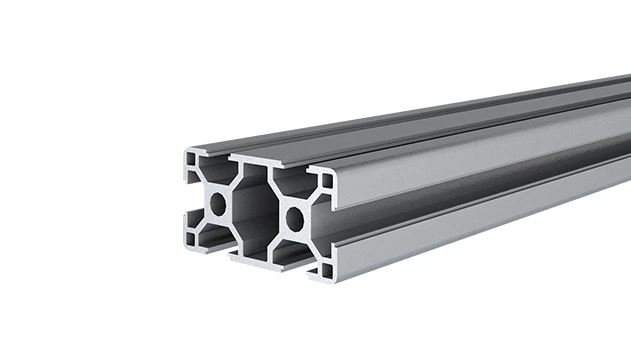
3060 is a 3.00 x 6.00CM fractional 30 series square extrusion T-slot profile with four open T-slots, two side with 3.00cm face, two side with 6.0cm face. The profile has align-a-grooves to assist in aligning connecting profiles.
In the world of manufacturing, construction, and DIY projects, aluminum profiles have become indispensable. Their lightweight yet robust nature, combined with versatility, makes them a go-to material for everything from workbenches and material racks to architectural frames and industrial machinery. Among the many types available, the 3060 EU standard aluminum profile stands out as a popular choice. As part of the broader family of aluminum extrusion profiles , this profile—measuring 30mm in width and 60mm in height—strikes a perfect balance between strength and adaptability, making it ideal for both light and medium-duty applications. But here's the thing: even the best aluminum profile is only as good as its surface finish. When it comes to 3060 EU standard profiles, two finishes dominate the conversation: anodized and powder coated. Today, we're diving deep into these two options to help you decide which one fits your project best.
Understanding the 3060 EU Standard Aluminum Profile
Before we jump into finishes, let's take a moment to appreciate the star of the show: the 3060 EU standard aluminum profile. What makes it so special? For starters, it's an aluminum extrusion profile , meaning it's created by forcing heated aluminum through a die to form its distinct cross-sectional shape. This process ensures consistency in dimensions and structural integrity, which is why EU standard profiles are trusted across industries—they meet strict quality and tolerance guidelines set by European standards organizations.
The 3060 profile's dimensions (30mm x 60mm) make it incredibly versatile. Its wider flange (60mm) provides ample surface area for mounting accessories, while the 30mm width keeps it lightweight enough for mobile applications like carts or temporary structures. You'll find it in factories as part of assembly lines, in workshops as workbench frames, and even in retail spaces as display racks. But what truly elevates its utility is its compatibility with a wide range of aluminum profile accessories —think end caps, rubber strips, connectors, and brackets—that let you customize it to almost any need.
A Quick Note on Aluminum Profile Accessories
No discussion of 3060 EU standard aluminum profile is complete without mentioning its accessories. These small but crucial components turn a basic extrusion into a fully functional system. For example, the 3060 aluminum profile end cap snaps onto the ends of the profile, protecting users from sharp edges and preventing dust or debris from accumulating inside. Then there's the aluminum profile rubber strip , which lines the T-slots (the grooves running along the profile's length) to seal out moisture and reduce friction when inserting fasteners. Other accessories like corner brackets, hinges, and shelf supports further extend its functionality. The key takeaway? The surface finish of your 3060 profile doesn't just affect its look and durability—it can also impact how well these accessories adhere or function. We'll circle back to this later.
What is Anodized Finish?
Now, let's get into the first finish: anodizing. If you've ever handled a sleek, silver-colored aluminum part that feels slightly porous to the touch, chances are it was anodized. Anodizing is an electrochemical process that enhances the natural oxide layer on aluminum's surface, making it thicker, harder, and more durable. Here's how it works in simple terms:
The Anodizing Process: From Raw Aluminum to Protective Layer
Anodizing starts with cleaning the aluminum profile to remove any dirt, oil, or oxidation—think of it as giving the metal a fresh canvas. Next, the profile is submerged in an electrolytic bath (usually sulfuric acid) and acts as the anode in an electrical circuit. When an electric current is applied, oxygen ions are released from the bath and bond with the aluminum's surface, forming aluminum oxide (Al₂O₃). This oxide layer grows outward from the metal's surface, creating a barrier that's integral to the aluminum itself (unlike a painted coating, which sits on top). Finally, the profile is sealed to close the pores in the oxide layer, enhancing its corrosion resistance.
Key Traits of Anodized Finishes
Natural Aesthetics: Anodized finishes are known for their understated, metallic look. The most common color is clear or "natural," which gives the aluminum a bright, silvery appearance that highlights its raw texture. Dyed anodized finishes are also available (think black, blue, or gold), but the color palette is more limited compared to powder coating, and the tones tend to be more muted.
Durability: The oxide layer created by anodizing is incredibly hard—harder than the aluminum beneath it. This makes anodized profiles resistant to scratches, abrasion, and wear. The thickness of the layer can vary (typically 5–25 microns), with thicker layers offering better protection for high-wear applications.
Corrosion Resistance: Aluminum is naturally corrosion-resistant thanks to its thin oxide layer, but anodizing supercharges this property. The thickened oxide layer acts as a barrier, preventing moisture, chemicals, and salt from reaching the underlying metal. This makes anodized finishes ideal for outdoor use or environments with high humidity, like food processing plants or coastal areas.
Maintenance: Anodized surfaces are low-maintenance. They don't chip or peel (since the oxide layer is part of the metal), and they're easy to clean with mild soap and water. Just avoid abrasive cleaners or scouring pads, which can scratch the surface.

What is Powder Coated Finish?
If anodizing is about enhancing aluminum's natural properties, powder coating is about transformation. Powder coating is a dry finishing process that applies a free-flowing powder (typically made of resin and pigment) to the aluminum surface, then cures it into a hard, protective layer using heat. It's like painting, but with a powder instead of liquid—and the results are far more durable than traditional paint.
The Powder Coating Process: A Closer Look
Powder coating starts with pre-treatment, just like anodizing. The aluminum profile is cleaned to remove contaminants, then often treated with a phosphate solution to improve adhesion. Next, the powder is applied using an electrostatic spray gun: the gun charges the powder particles, and the grounded aluminum profile attracts them, creating an even coating. Once coated, the profile is baked in an oven (usually at 160–200°C) for 10–20 minutes. The heat melts the powder, which then flows into a smooth film and cures into a hard coating.
Key Traits of Powder Coated Finishes
Vibrant Colors and Textures: This is where powder coating shines (literally and figuratively). Powder coatings come in an almost unlimited range of colors—from bold reds and blues to subtle pastels and metallic shades. You can also choose from textures: matte, gloss, satin, or even textured finishes that mimic wood or stone. This makes powder coating perfect for projects where aesthetics and brand consistency matter.
Thickness and Coverage: Powder coated layers are thicker than anodized layers, typically 50–150 microns. This thickness gives the finish a smooth, uniform appearance and hides minor imperfections in the aluminum's surface. It also provides excellent impact resistance—great for applications where the profile might get bumped or knocked, like furniture or retail displays.
UV Resistance: High-quality powder coatings are formulated to resist fading from sunlight, making them a solid choice for outdoor applications like patio furniture or architectural trim. However, lower-quality powders may fade over time, so it's important to choose a UV-stable formulation.
Cost-Effectiveness for Custom Colors: While the initial setup cost for powder coating can be higher than anodizing (especially for small batches), it's often more cost-effective for custom colors. Anodizing requires specialized dyes and tanks for each color, whereas powder coating can switch colors quickly by changing the powder in the spray gun.
Anodized vs Powder Coated: The Ultimate Comparison
Now that we understand how each finish works, let's put them head-to-head. The table below breaks down their key differences across critical factors:
| Feature | Anodized Finish | Powder Coated Finish |
|---|---|---|
| Process | Electrochemical process that grows a protective oxide layer on the aluminum surface. | Dry powder applied electrostatically, then cured with heat to form a solid coating. |
| Thickness | 5–25 microns (thinner, integral to the metal). | 50–150 microns (thicker, a separate layer on top of the metal). |
| Color Options | Limited: natural (silver), clear, or muted dyed colors (black, blue, gold). | Almost unlimited: vibrant solids, metallic, pastels, and custom shades; textured finishes available. |
| Durability | Hard oxide layer resists scratches and abrasion; does not chip or peel. | Thick layer resists impact and dents; may chip if struck hard (exposing underlying metal). |
| Corrosion Resistance | Excellent, especially in harsh environments (saltwater, chemicals, humidity). | Very good, but if chipped, moisture can reach the metal and cause corrosion (requires touch-ups). |
| UV Resistance | Excellent; natural anodized finishes do not fade. | Good with UV-stable powders; lower-quality powders may fade over time. |
| Cost | Higher for small batches or custom colors; lower for large runs of natural finish. | Lower for custom colors (economies of scale with large batches); setup cost higher for small runs. |
| Maintenance | Low: mild soap and water; avoid abrasives. | Low: wipe with soft cloth; touch up chips with matching powder paint. |
| Best For | Industrial settings, outdoor use, high-wear applications, where natural metal look is desired. | Consumer products, retail displays, architectural elements, where color and aesthetics matter most. |
How Surface Finish Affects Aluminum Profile Accessories
Earlier, we mentioned that 3060 EU standard aluminum profile's versatility is amplified by its accessories. But how does the finish impact these accessories? Let's take a closer look at two common ones:
3060 Aluminum Profile End Cap
The 3060 aluminum profile end cap is a simple but essential accessory. It snaps into the open ends of the profile to cover sharp edges, prevent debris from entering, and give the finished product a polished look. Both anodized and powder coated profiles work with end caps, but there's a subtle difference: anodized surfaces are slightly porous, which can create a tighter friction fit for press-in end caps. Powder coated surfaces are smoother and less porous, so you may need to use a small amount of adhesive to ensure the end cap stays in place—especially if the profile will be moved or vibrated (like in a mobile cart).
Aluminum Profile Rubber Strip
The aluminum profile rubber strip is another workhorse accessory. It's inserted into the T-slots of the profile to seal out dust, reduce noise, or protect items placed on the profile (like glass or delicate components). Adhesion is key here: rubber strips rely on friction or adhesive backing to stay in the slot. Anodized surfaces, with their slight texture, often provide better grip for adhesive-backed strips. Powder coated surfaces, while smooth, can still work well—just make sure the rubber strip's adhesive is compatible with powder coatings (most are, but it's worth checking with the manufacturer).
In short, neither finish is "better" for accessories—they just require slight adjustments in installation. Anodized profiles may offer a tighter fit for press-in accessories, while powder coated profiles may benefit from adhesives for long-term hold.
Choosing the Right Finish for Your Project
At the end of the day, the choice between anodized and powder coated 3060 EU standard aluminum profile comes down to your specific needs. Here are some scenarios to help you decide:
Choose Anodized If…
- You need durability above all else: If your profile will be subject to heavy wear, scratches, or abrasion (e.g., a factory workbench, material rack in a warehouse), anodized is the way to go. Its hard oxide layer stands up to daily abuse better than powder coating.
- You're using it outdoors or in harsh environments: Coastal areas, chemical plants, or outdoor furniture—anodized finishes resist corrosion from salt, moisture, and chemicals, ensuring your profile lasts for years.
- You prefer a natural, metallic look: If you want your project to highlight the raw beauty of aluminum (think industrial-chic workshops or modern architectural details), anodized's silvery finish is unbeatable.
- Maintenance is a priority: If you don't want to worry about chipping, fading, or touch-ups, anodized requires minimal upkeep—just an occasional wipe-down.
Choose Powder Coated If…
- Color customization is key: Branding, aesthetics, or matching existing decor? Powder coating lets you pick almost any color under the sun, from bold red to subtle cream, ensuring your project stands out or blends in perfectly.
- You need impact resistance: If the profile might be bumped or knocked (e.g., retail displays, furniture, or mobile carts), powder coating's thick layer absorbs impacts better than anodized, reducing dents.
- You're working on a consumer-facing project: Products like shelving, kiosks, or office furniture often benefit from the polished, uniform look of powder coating. It feels more "finished" to the average user.
- You want to hide surface imperfections: Powder coating's thickness can mask minor scratches or dents in the aluminum, giving the profile a flawless appearance.
Maintenance Tips for Long-Lasting Finishes
Whichever finish you choose, a little maintenance goes a long way in extending its lifespan. Here's how to care for each:
Anodized Finish Maintenance
- Clean regularly: Wipe down with a soft cloth and mild soap (like dish soap) to remove dirt and grime. For stubborn stains, use a non-abrasive sponge (avoid steel wool or scouring pads).
- Rinse thoroughly: After cleaning, rinse with clean water to remove soap residue, which can leave spots if dried.
- Avoid harsh chemicals: Acids, alkalis, or abrasive cleaners can damage the oxide layer. Stick to pH-neutral cleaners.
- Polish occasionally: For extra shine, use a metal polish designed for anodized aluminum (test on a small, hidden area first to ensure it doesn't discolor the finish).
Powder Coated Finish Maintenance
- Dust regularly: Use a soft, dry cloth or feather duster to remove surface dust—this prevents scratches from abrasive particles.
- Wash with mild soap: For deeper cleaning, mix mild soap with warm water and wipe with a soft sponge. Rinse and dry immediately.
- Touch up chips promptly: If the finish chips, expose the underlying aluminum, clean the area with alcohol, and apply a touch-up paint designed for powder coatings (available from most powder coating suppliers).
- Avoid high heat: While powder coatings are heat-resistant, prolonged exposure to temperatures above 200°C (392°F) can cause them to discolor or peel.
Final Thoughts
The 3060 EU standard aluminum profile is a versatile, reliable choice for countless projects—and its surface finish is the cherry on top that determines both its look and longevity. Anodized finishes excel in durability, corrosion resistance, and natural aesthetics, making them ideal for industrial, outdoor, or high-wear applications. Powder coated finishes, on the other hand, offer endless color options, impact resistance, and a polished look, perfect for consumer-facing projects or when aesthetics are non-negotiable.
Remember, there's no "best" finish—only the best finish for your project. Consider your environment, budget, aesthetic goals, and maintenance preferences, and you'll make the right choice. And don't forget about those aluminum profile accessories —they'll help you get the most out of your 3060 profile, no matter which finish you pick.
Whether you're building a workbench, a display rack, or an entire assembly line, the 3060 EU standard aluminum profile—paired with the right finish—will serve you well for years to come. Happy building!