- Company Articles
- Products and Technology
- Product knowledge
- 3060 EU Standard Aluminum Profile for Logistics Carts: Ergonomic & Heavy-Duty Design

3060 EU Standard Aluminum Profile for Logistics Carts: Ergonomic & Heavy-Duty Design
Related Product
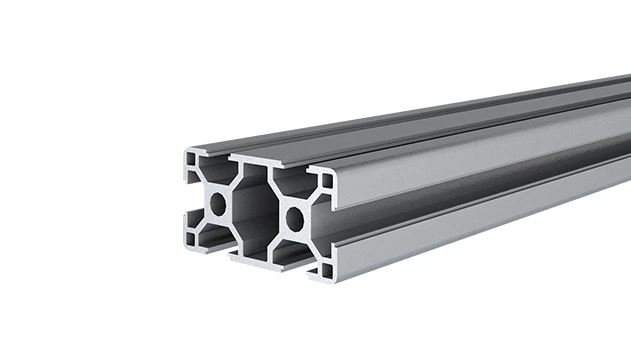
3060 EU Standard Aluminum Profile
3060 is a 3.00 x 6.00CM fractional 30 series square extrusion T-slot profile with four open T-slots, two side with 3.00cm face, two side with 6.0cm face. The profile has align-a-grooves to assist in aligning connecting profiles.
Picture this: It's a busy Tuesday morning in a manufacturing warehouse. Maria, a logistics coordinator, is rushing to move a cart loaded with electronic components across the facility. The cart, made from a flimsy steel frame, wobbles under the weight, and the wheels squeak loudly with every push. By the time she reaches the assembly line, her back aches, and she's already running five minutes behind schedule. Sound familiar? For many businesses, subpar logistics carts aren't just an annoyance—they're a daily barrier to efficiency, worker well-being, and bottom-line success.
But what if there was a better way? What if the carts that keep your operations moving were designed to be both tough enough to handle heavy loads and gentle enough to keep your team comfortable? Enter the 3060 EU standard aluminum profile —a game-changer in the world of industrial material handling. In this article, we'll dive into why this specific aluminum profile has become the go-to choice for logistics carts, exploring its ergonomic benefits, heavy-duty performance, and how the right aluminum profile accessories and caster wheels can turn a basic cart into a productivity powerhouse.
What Makes the 3060 EU Standard Aluminum Profile Stand Out?
First things first: Let's talk about what the "3060 EU standard" actually means. EU standard aluminum profiles are engineered to strict European quality and precision standards, ensuring consistency in dimensions, material strength, and durability. The "3060" refers to the profile's cross-sectional dimensions: 30 millimeters in width and 60 millimeters in height. But numbers alone don't tell the whole story. What makes this profile special is how it balances size, strength, and versatility—three traits that are non-negotiable for logistics carts.
Made from high-grade 6063 T5 aluminum alloy (a common choice for structural applications), the 3060 profile is extruded to create a lightweight yet incredibly rigid frame. Unlike steel, aluminum resists corrosion, so you won't have to worry about rust weakening the cart over time—even in humid warehouses or outdoor loading docks. And because it's lighter than steel, carts built with 3060 profiles are easier to maneuver, reducing the physical strain on workers like Maria. But don't let its light weight fool you: This profile means business when it comes to heavy loads.
The Science of Strength: Why 3060 Excels at Heavy-Duty Tasks
Logistics carts are only as good as their ability to carry weight—whether it's boxes of inventory, tools, or raw materials. The 3060 profile's design is optimized for load-bearing, thanks to its thick walls (typically 1.5–2.0mm, depending on the manufacturer) and rectangular cross-section. This shape distributes weight evenly across the frame, preventing bending or warping even when fully loaded. In real-world terms, a standard 3060-based cart can easily handle 200–300 kilograms (that's 440–660 pounds!) without breaking a sweat. Compare that to smaller profiles like the 2020 or 3030, which top out around 100–150 kg, and it's clear why 3060 is the heavyweight champion for logistics.
To put this in perspective, imagine loading a cart with 50-kilogram sacks of grain. A 2020 profile cart might start to sag after 3 sacks; a 3060 cart? It could handle 6 sacks with room to spare. That means fewer trips, less time wasted, and a lower risk of cart failure mid-operation. For businesses scaling their operations, this kind of reliability is priceless.
Ergonomics: Designing for the People Behind the Cart
Strength matters, but so does comfort. A cart that can carry 300 kg is useless if it's too hard to push, leading to worker fatigue, injuries, or even resentment. The 3060 profile shines here, too, because it's designed with ergonomics in mind from the ground up.
Let's start with height. The 3060's 60mm height provides the perfect foundation for building carts with handles at a comfortable pushing height—typically 80–90cm from the floor. This aligns with the average waist height of most adults, reducing the need to hunch over or strain to push. Compare that to carts built with shorter profiles, which often force workers to bend, leading to chronic back pain over time. Maria, from our earlier example, would notice the difference immediately: No more aching shoulders after a morning of cart runs.
Then there's maneuverability. The 3060 profile's lightweight nature, combined with high-quality caster wheels , makes turning tight corners or navigating crowded warehouse aisles a breeze. Swivel casters with 360-degree rotation, paired with brake locks for stability when loading/unloading, ensure the cart goes exactly where it's needed—no wrestling required. And because aluminum dampens vibrations better than steel, the ride is smoother, which means less jostling for fragile items (hello, fewer broken parts!) and less fatigue for the person pushing.
A Custom Fit: Aluminum Profile Accessories That Enhance Ergonomics
The 3060 profile isn't just a standalone product—it's a platform for customization, thanks to a wide range of aluminum profile accessories . Think of it like building with high-tech Legos: You start with the 3060 rails, then add components to tailor the cart to your team's specific needs. Need a second shelf for smaller items? Attach a bracket using T-slot nuts and bolts. Want to protect delicate goods from falling off? Add side guards with aluminum extrusions. Even the handle can be customized—padded grips, angled designs, or extendable options—all made possible by the profile's T-slot design, which lets accessories slide into place and lock securely.
Take, for example, a pharmaceutical warehouse where workers transport temperature-sensitive vials. A 3060 cart could be fitted with a custom aluminum frame to hold insulated containers, a built-in shelf for paperwork, and soft-grip handles to reduce hand strain during long shifts. The result? A cart that doesn't just carry goods—it supports the unique workflow of the people using it.

How 3060 Stacks Up: A Comparison with Other Profiles
You might be wondering: With so many aluminum profiles on the market (2020, 3030, 4040… the list goes on), why choose 3060 for logistics carts? Let's break it down with a side-by-side comparison:
| Profile Type | Dimensions (WxH, mm) | Material Thickness (mm) | Max Load Capacity (kg per linear meter) | Ideal Application |
|---|---|---|---|---|
| 2020 EU Standard | 20x20 | 1.0–1.2 | 50–80 | Light-duty shelving, small tool carts |
| 3030 EU Standard | 30x30 | 1.2–1.5 | 100–150 | Medium-duty workbenches, parts bins |
| 3060 EU Standard | 30x60 | 1.5–2.0 | 200–300 | Logistics carts, heavy-duty material handling |
| 4040 EU Standard | 40x40 | 1.5–2.0 | 180–250 | Industrial machinery frames, large shelving |
As the table shows, the 3060 profile hits the sweet spot: It offers higher load capacity than the 3030 (150 kg max vs. 300 kg) while being more compact than the 4040, which can be overkill (and bulkier) for most cart applications. For logistics carts, this balance of size and strength is critical—you need enough heft to carry heavy loads, but not so much that the cart becomes cumbersome to move. The 3060 profile delivers exactly that.
Real-World Impact: How Businesses Are Winning with 3060 Carts
Numbers and specs are one thing, but real-world results tell the true story. Let's look at a few examples of businesses that switched to 3060 EU standard aluminum profile carts and never looked back.
Case Study 1: Automotive Parts Manufacturer
A mid-sized automotive parts plant in Germany was struggling with frequent cart failures. Their old steel carts were rusting, bending under the weight of engine components (which often exceeded 200 kg), and their workers were complaining about back pain. After switching to 3060 aluminum profile carts with polyurethane caster wheels and reinforced shelves, they saw immediate improvements: Cart lifespan increased from 18 months to 5+ years, worker compensation claims for back injuries dropped by 40%, and daily material transport time decreased by 25% (fewer trips = more productivity).
Case Study 2: E-Commerce Fulfillment Center
An e-commerce warehouse in France needed carts that could handle both heavy bulk items (like appliances) and small, fragile packages (like electronics). They opted for 3060 carts with adjustable shelves (using aluminum profile accessories) and dual caster systems—swivel casters for the front, rigid casters for stability. The result? A 30% reduction in damaged goods during transport and a 15% increase in order processing speed, as workers could now carry mixed loads without juggling multiple carts.
These stories highlight a common theme: 3060 carts aren't just a purchase—they're an investment in efficiency, durability, and employee satisfaction. And because aluminum is 100% recyclable, they're also an investment in sustainability, aligning with the growing demand for eco-friendly industrial solutions.
Long-Term Value: Why 3060 Carts Save Money (Even with Higher Upfront Costs)
It's true: Aluminum profile carts often have a higher upfront cost than cheap steel or plastic alternatives. But when you factor in long-term savings, the math works out in 3060's favor. Let's break it down:
- Durability = Fewer Replacements: Steel carts might cost less initially, but they rust, bend, and break faster. A 3060 cart, with proper care, can last 5–7 years—compared to 1–2 years for a budget steel cart. Over a decade, you'd replace a steel cart 5 times vs. 1–2 aluminum carts. The savings add up.
- Low Maintenance: Aluminum doesn't need painting or rust treatment. A quick wipe with a damp cloth is all it takes to keep it looking new. Steel carts, on the other hand, require regular maintenance to prevent corrosion—time and money that could be spent elsewhere.
- Energy Efficiency: Lighter carts mean less energy expended by workers, which translates to less fatigue and higher productivity. A team that's not exhausted can get more done in a day, boosting your bottom line.
- Customization = Adaptability: As your business grows, your needs change. With aluminum profile accessories, you can reconfigure a 3060 cart (add shelves, change wheels, adjust height) instead of buying a whole new cart. Plastic or cheap steel carts? Once they're built, they're fixed—no room for growth.
Conclusion: The 3060 EU Standard Aluminum Profile—More Than Just a Cart, It's a Catalyst for Success
Logistics carts are the unsung heroes of modern business. They move the goods that keep production lines running, warehouses stocked, and customers happy. But not all carts are created equal. The 3060 EU standard aluminum profile stands out as the ideal choice for businesses that refuse to compromise on strength, ergonomics, or customization. Its lightweight yet heavy-duty design, paired with versatile aluminum profile accessories and smooth-rolling caster wheels, transforms the humble cart from a tool into a strategic asset.
Whether you're running a warehouse, a manufacturing plant, or a fulfillment center, the right cart can mean the difference between a team that's frustrated and fatigued and one that's efficient, safe, and motivated. And in today's fast-paced business world, that difference is everything.
So, the next time you see a logistics cart in action, take a closer look. If it's built with 3060 EU standard aluminum profile, you're looking at more than metal and wheels—you're looking at a solution designed to help businesses thrive. And for Maria? She'd probably tell you: It's about time someone built a cart that works as hard as she does.