- Company Articles
- Products and Technology
- Product knowledge
- 3060 vs. 2020 Aluminum Profile End Caps: Which Fits Your Lean Project?

3060 vs. 2020 Aluminum Profile End Caps: Which Fits Your Lean Project?
Related Product
2020 Aluminum Profile End Cap
The aluminum profile end cap adds a finishing touch to your project and closes off profile ends to limit dust and debris buildup, also it can avaid some scratch for material and labor during the assemble work.
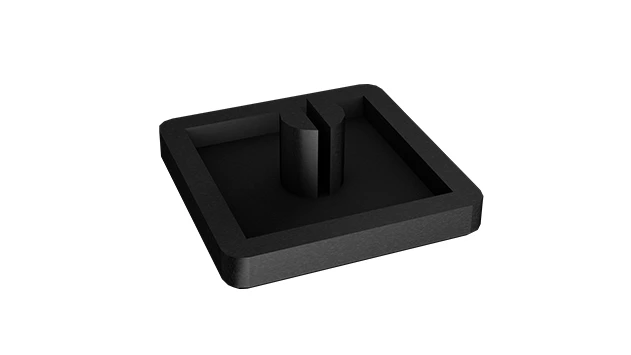
Let's start with a scene we've all lived (or at least imagined in the chaos of setting up a workspace): You've just unboxed a pile of shiny aluminum extrusion profiles, ready to build that workbench or material rack that'll finally streamline your production line. You've got the tubes, the connectors, the tools—everything except those tiny but crucial pieces that finish the job: end caps. Then it hits you: the profiles come in different sizes, and so do the end caps. Should you grab the 3060 or 2020? If you're scratching your head, you're not alone. In the world of lean systems, every detail matters, and end caps are no exception. They're the unsung heroes that keep your workspace safe, your equipment protected, and your lean project looking polished. Today, we're breaking down the 3060 and 2020 aluminum profile end caps to help you decide which one deserves a spot in your setup.
What Are Aluminum Profile End Caps, Anyway?
Before we dive into the specifics, let's make sure we're on the same page. Aluminum extrusion profiles are the backbone of modern lean workspaces—think lean pipe workbench frames, material racks, and conveyor supports. These profiles are hollow, with T-slots running along their length to attach accessories like brackets, shelves, or wheels. But those open ends? They're a problem waiting to happen. Without end caps, you've got sharp edges that can snag gloves or scrape forearms, dust and debris that sneak into the T-slots and gunk up your connections, and a generally unfinished look that clashes with the "lean" ethos of order and precision.
End caps are simple, usually plastic or rubber covers that snap or press into the open ends of aluminum profiles. They're part of the broader category of aluminum profile accessories —the small but mighty components that turn raw materials into functional, safe, and efficient workspaces. Now, not all end caps are created equal. Their size, material, and design depend entirely on the profile they're meant to fit. And when it comes to the two most common profile sizes in lean projects—3060 and 2020—their end caps are as different as a wrench and a screwdriver: each has a specific job, and using the wrong one can throw a wrench (pun intended) into your project.
Meet the 3060 Aluminum Profile End Cap: The Heavy-Duty Workhorse
Dimensions and Design: Built for Big Jobs
First up: the 3060. Let's start with the profile itself. A 3060 aluminum extrusion profile measures 30mm in width and 60mm in height (hence the name). It's a beefy piece of hardware, often with thicker walls (1.5mm to 3mm, depending on the grade) that can handle heavy loads without bending or warping. Think of it as the pickup truck of profiles—sturdy, reliable, and built for hauling. Naturally, its end cap needs to match that strength. A 3060 end cap is larger, with a diameter that snugly fits the 30x60mm opening. Most are made of durable plastic (like polypropylene) or rubber, with a slightly flexible design that allows them to "snap" into place and stay put, even when the profile is jostled (hello, turnover trolleys!).
Common Uses: When You Need to Go Big
So, when would you reach for a 3060 profile (and thus its end cap)? Think heavy-duty applications. If you're building a workbench that'll hold industrial tools, a material rack stacked with metal parts, or a conveyor frame supporting a continuous flow of goods, 3060 is your go-to. These profiles are also popular in production assemble lines, where stability is non-negotiable. For example, a "Material Rack B (3 row and 3 floor)" (a common setup in warehouses) relies on 3060 profiles to support the weight of stacked boxes without swaying. In these cases, the 3060 end cap isn't just about safety—it's about longevity. A well-fitted end cap keeps debris out of the T-slots, ensuring that when you need to adjust a shelf or add a new bracket six months down the line, the connection is still smooth and secure.
Pros of 3060 End Caps: Strength in Size
Why choose 3060 end caps? Let's list the perks:
1.
Superior protection:
Their larger size covers more surface area, reducing the risk of accidental cuts or scrapes. This is a big deal in high-traffic areas where workers are moving quickly.
2.
Durability:
Since 3060 profiles are used in heavy applications, their end caps are often made of thicker, more impact-resistant plastic. They can take a few bumps from a forklift or a dropped tool without cracking.
3.
Snug fit:
The 30x60mm opening is roomy enough that manufacturers can design end caps with tighter tolerances. They snap in firmly and rarely pop out, even with vibration (looking at you, conveyor systems).
4.
Compatibility with heavy accessories:
3060 profiles often pair with heavier accessories like large casters or steel shelves. The end caps complement this by adding stability to the overall structure—no wobbly ends here.
Cons of 3060 End Caps: Not for Every Space
Of course, with great size comes great responsibility (and a few drawbacks):
1.
Bulk:
If you're working with small, tight spaces—like a benchtop organizer or a lightweight trolley—the 3060 end cap can feel oversized. It might protrude more than you'd like, taking up valuable real estate.
2.
Cost:
Larger end caps use more material, so they're often pricier than their smaller counterparts. If you're on a tight budget and don't need the extra size, this can add up.
3.
Limited compatibility:
They only fit 3060 profiles. If your project uses a mix of profile sizes (which many do), you'll need to stock a separate set of end caps, which can get messy.

Introducing the 2020 Aluminum Profile End Cap: The Compact Specialist
Dimensions and Design: Small but Mighty
Now, let's shift to the 2020. As you've probably guessed, a 2020 aluminum extrusion profile is 20mm wide and 20mm tall—square, compact, and lightweight. These profiles are the "minivans" of the lean world: agile, space-efficient, and perfect for lighter loads. Their end caps are correspondingly small, designed to fit the 20x20mm opening. They're often made of flexible plastic (sometimes with a rubberized coating) that's easy to press into place, even with just your fingers. Despite their size, they're surprisingly tough—manufacturers know that even small profiles need protection, so 2020 end caps are engineered to withstand daily wear and tear.
Common Uses: When Space and Weight Matter
So, when do you opt for 2020 profiles and their end caps? Think small-scale, precision-focused projects. If you're building a benchtop shelf for electronic components, a lightweight turnover trolley for small parts, or a machine guard that needs to be unobtrusive, 2020 is your best bet. These profiles are also popular in ESD (Electrostatic Discharge) workstations, where sensitive electronics require a stable but lightweight frame. For example, a "Workbench E (Single Deck—Without Caster)" used in electronics assembly might rely on 2020 profiles to keep the surface low and easy to reach, with 2020 end caps ensuring no sharp edges near delicate circuit boards.
Pros of 2020 End Caps: Small Size, Big Benefits
Don't let their size fool you—2020 end caps have a lot to offer:
1.
Space efficiency:
Their compact design means they barely protrude from the profile, making them ideal for tight spaces. If you're building something that needs to fit through doorways or under shelves, 2020 end caps won't add unnecessary bulk.
2.
Lightweight:
2020 profiles are already light, and their end caps keep the overall weight down. This is a huge plus for mobile setups like trolleys or temporary workstations that need to be moved around.
3.
Cost-effective:
Smaller end caps mean less material, so they're usually cheaper than 3060s. If you're working on a large project with dozens of profiles, this can save you a significant amount.
4.
Versatility:
2020 profiles are incredibly versatile, and their end caps match that. They're compatible with a wide range of
aluminum profile accessories
, from tiny brackets to mini shelves, making them a favorite for custom setups.
Cons of 2020 End Caps: Not Built for Heavy Lifting
Of course, there are times when 2020 end caps fall short:
1.
Limited protection:
Their small size means they cover less of the profile's edge. While they still prevent major injuries, they might not be enough in high-impact areas where heavy tools or equipment are moving around.
2.
Less durability:
Since they're smaller and often made of thinner plastic, 2020 end caps can crack if they take a direct hit from a heavy object. They're great for light use but not for industrial-level abuse.
3.
Looser fit (sometimes):
The 20x20mm opening is narrow, so some cheaper end caps might not snap in as firmly as 3060s. This can lead to them popping out over time, especially with vibration. (Pro tip: Invest in high-quality end caps from a reputable
lean system supplier
to avoid this.)

3060 vs. 2020 End Caps: A Side-by-Side Comparison
| Feature | 3060 Aluminum Profile End Cap | 2020 Aluminum Profile End Cap |
|---|---|---|
| Profile Size | 30mm (width) x 60mm (height) | 20mm (width) x 20mm (height) |
| Common Materials | Thick plastic (polypropylene), rubber | Flexible plastic, rubberized plastic |
| Best For | Heavy-duty workbenches, material racks, conveyors, industrial shelving | Lightweight workstations, ESD workbenches, small trolleys, benchtop organizers |
| Protection Level | High (covers large surface area, thick material) | Moderate (covers small area, lighter material) |
| Space Efficiency | Low (bulky, protrudes more) | High (compact, minimal protrusion) |
| Cost | Higher (more material used) | Lower (less material used) |
| Fit Security | Very secure (tight tolerances, larger surface area for snapping) | Secure (but can loosen with heavy vibration; depends on quality) |
| Typical Projects | Material Rack B (3 Row and 3 Floor), heavy-duty lean pipe workbench | Workbench E (Single Deck—Without Caster), small ESD workstation |
How to Choose: 5 Questions to Ask Yourself
Now that you know the basics, how do you decide between 3060 and 2020 end caps for your project? Here are five questions to guide you:
1. What's the Load Capacity of My Project?
Start here—this is the biggest factor. If your setup will hold heavy items (think 50kg or more), you're probably using 3060 profiles, so go with 3060 end caps. If it's light (under 20kg), 2020 is likely the way to go. Remember: end caps are only as strong as the profiles they're attached to. Using 2020 end caps on a 3060 profile won't just look silly—it'll leave gaps where debris can enter, defeating the purpose.
2. How Much Space Do I Have?
Measure your workspace! If you're building a rack that needs to fit in a narrow aisle, 3060 end caps might make it too wide. On the flip side, if you're building a standalone workbench with plenty of room, 3060 end caps won't be an issue. Don't forget to account for movement—trolleys with 3060 end caps might get stuck in doorways, while 2020 ones will glide through.
3. Who Will Be Using the Workspace?
Safety first! If your workspace has a lot of foot traffic (like a busy production line), 3060 end caps offer better protection against accidental bumps. If it's a quiet, low-traffic area (like a lab or small workshop), 2020 end caps should be fine. Also, consider the users: if you're working with children or untrained staff, the extra protection of 3060 might be worth the investment.
4. What's My Budget?
Let's be real: budgets matter. 2020 end caps are cheaper, so if you're working on a large project with dozens of profiles, the savings can add up. But don't skimp on quality—even 2020 end caps from a cheap supplier might crack or fall off, costing you more in replacements down the line. A good lean system supplier will offer both sizes at fair prices, so shop around.
5. Will I Need to Expand Later?
Lean projects are all about adaptability. If you think you might need to add heavier shelves or convert a lightweight trolley into a heavy-duty one later, start with 3060 profiles (and end caps) to future-proof your setup. 2020 is great for now, but upgrading later could mean replacing everything—profiles, accessories, and end caps. Plan ahead!
Real-World Example: When a Bakery Chose 3060 Over 2020 (and Why)
Let's put this into context with a real story. A local bakery recently decided to revamp their production line to be more lean. They needed a new material rack to hold 50kg bags of flour, sugar, and chocolate chips. Initially, they considered 2020 profiles because they were cheaper and lighter. But after talking to their lean system supplier , they realized the 2020 profiles would bend under the weight of the flour bags, leading to wobbly shelves and potential spills. They switched to 3060 profiles with 3060 end caps, and the result? A sturdy rack that's now the backbone of their production line, with end caps that keep the flour dust out of the T-slots and prevent workers from scraping their arms when loading bags. The extra cost was worth it for the peace of mind and durability.
On the flip side, a small electronics repair shop opted for 2020 profiles and end caps for their workbench. They needed a lightweight setup that could be moved against the wall when not in use, and the 2020 end caps kept the edges smooth, which was crucial when handling delicate phone screens and circuit boards. For them, the space and weight savings were more important than heavy-duty protection.
Why the Right End Cap Matters for Lean Systems
At this point, you might be thinking, "End caps are just plastic covers—does it really matter which one I choose?" In a word: yes. Lean systems are built on the principles of efficiency, safety, and continuous improvement. Using the wrong end cap can undermine all three:
-
Inefficiency:
A loose 2020 end cap that pops out means stopping work to fix it. A 3060 end cap on a 2020 profile leaves gaps that let dust in, making it harder to adjust T-slot accessories later.
-
Safety:
Sharp, uncovered profile ends are a hazard. OSHA (Occupational Safety and Health Administration) guidelines are clear about minimizing workplace injuries, and unprotected edges can lead to cuts or trips.
-
Continuous improvement:
A messy, unfinished workspace can demotivate teams. End caps might seem trivial, but they're part of the "5S" methodology (Sort, Set in Order, Shine, Standardize, Sustain) that keeps lean projects on track. A polished workspace with properly fitted end caps sends a message: "We care about this process, and we care about you."
Final Verdict: 3060 or 2020? It Depends on Your Project's Needs
There's no "better" end cap—only the right one for your project. If you're building something heavy, industrial, or space isn't an issue, go with 3060. If you need something lightweight, compact, or budget-friendly, 2020 is your friend. And if you're still unsure? Talk to your lean system supplier . They've seen it all and can help you match the end cap to your profile, your load, and your workspace.
Remember: in lean systems, every detail counts. The end caps you choose today might seem small, but they'll play a big role in keeping your project running smoothly tomorrow. So take a minute, measure your profiles, think about your needs, and pick the end cap that fits—your team, your equipment, and your lean goals will thank you.