- Company Articles
- Products and Technology
- Application Cases
- 38 Aluminum Roller Track Black ESD in Automotive Parts Handling: Case Studies

38 Aluminum Roller Track Black ESD in Automotive Parts Handling: Case Studies
Related Product
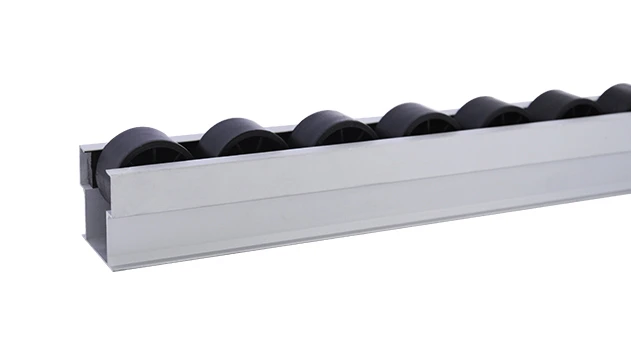
38 Aluminum Roller Track Black ESD
Durable and smooth-running modular roller rails. The system is fully assembled. The roller rail profile contains plastic rollers mounted on steel axles. Aluminum frame with plastic wheel make it anti corrosion,and material convey more smooth.
Automotive manufacturing is a world where precision meets speed—every part, from a tiny sensor to a heavy battery module, needs to move smoothly, safely, and without damage. One of the biggest hidden threats in this space is electrostatic discharge (ESD), which can ruin sensitive components before they even reach the assembly line. Add to that the need for flexible, durable handling systems that adapt to changing production needs, and you've got a challenge that requires smart solutions. Enter the 38 Aluminum Roller Track Black ESD —a component that's been transforming how automotive manufacturers handle parts across assembly lines, warehouses, and beyond. In this article, we'll dive into real-world case studies to see how this roller track solves critical pain points and delivers measurable results.
What Is the 38 Aluminum Roller Track Black ESD?
Before we jump into the case studies, let's get to know this component better. The 38 Aluminum Roller Track Black ESD is a 38mm diameter roller track made from high-quality aluminum alloy, coated with a black ESD-safe finish. Its key features include:
- ESD Protection: The surface resistance ranges from 10⁶ to 10⁹ ohms, which meets international ESD standards (ANSI/ESD S20.20) to prevent static buildup and discharge.
- Durability: Aluminum alloy resists corrosion and wear, making it far more long-lasting than plastic or uncoated steel tracks. It can handle heavy loads (up to 50kg per meter, depending on configuration) without bending or breaking.
- Flexibility: Lightweight and compatible with lean pipe systems, flow racks, and conveyors—so you can reconfigure your handling lines quickly as production needs change.
- Cleanliness: The smooth black surface is easy to wipe clean, reducing dust accumulation (a major issue for sensitive electronic parts like sensors).
This track isn't just a standalone component—it's part of a larger lean solution that helps manufacturers build efficient, adaptive handling systems. Now, let's look at how it's been used in real automotive settings.
Case Study 1: Reducing ESD Damage in Car Infotainment Assembly
Company Background
A mid-sized automotive electronics manufacturer in South China specializes in producing infotainment systems (stereos, GPS, touchscreens) for domestic and international car brands. They have a 50-person assembly line that handles over 2,000 units daily.
The Problem
The company faced two major issues: 1. ESD Damage: About 5% of their infotainment components (like microchips and touchscreen panels) were damaged monthly due to static discharge. This led to $15,000 in rework costs and delayed shipments. 2. Infleible Flow Racks: Their existing flow racks used non-ESD plastic rollers, which were prone to dust buildup and couldn't be adjusted to fit new component sizes (they had to buy new racks every time a product design changed).
The Solution
The manufacturer partnered with a lean system supplier to implement the following changes: - Replaced all non-ESD plastic rollers in their flow racks with the 38 Aluminum Roller Track Black ESD . - Added lean pipe workbenches next to the flow racks to create a seamless workflow—workers could pick components directly from the ESD track and assemble them on the workbench without static risk. - Used lean pipe accessories (like connectors and clamps) to adjust the flow rack layout quickly for new product sizes.
The Results
After three months of using the new system: - ESD-related damage dropped from 5% to 0.5% —saving the company over $13,000 monthly in rework costs. - Dust accumulation on components reduced by 70% , leading to fewer quality issues in final products. - Product changeover time (adjusting flow racks for new designs) cut from 8 hours to 2 hours —allowing them to launch new products faster. - Workers reported that the aluminum track was easier to clean and more durable than the old plastic rollers.

Case Study 2: Boosting Warehouse Efficiency for ADAS Sensors
Company Background
A leading supplier of Advanced Driver Assistance Systems (ADAS) sensors (like cameras, radar, and LiDAR) for electric vehicles (EVs). Their warehouse handles over 10,000 sensor units weekly, shipping to EV manufacturers across Asia.
The Problem
The warehouse's conveyor system and storage racks had two critical flaws: - Static Risk: The conveyor used standard steel rollers without ESD protection. Static buildup damaged 3-4% of sensors monthly, leading to customer complaints and returns. - Heavy and Inflexible: The steel rollers were heavy, so reconfiguring the conveyor path (for new storage layouts) took 8+ hours and required multiple workers. - Slow Picking: Workers had to manually carry sensors from storage racks to the conveyor, which slowed down order fulfillment.
The Solution
The supplier implemented the 38 Aluminum Roller Track Black ESD in two key areas: - Conveyor System: Replaced steel rollers with the ESD aluminum track. The lightweight aluminum allowed them to reconfigure the conveyor using lean pipe connectors in hours instead of days. - Flow Racks: Installed flow racks with the same ESD track to store incoming sensors. The flow racks were placed directly next to the conveyor, so workers could slide sensors onto the conveyor without manual lifting. - Lean Pipe Workstations: Added workstations at the end of the conveyor to inspect sensors before shipping—using the same ESD track to move sensors between inspection stations.
The Results
After six months: - Static-related sensor damage dropped to 0.2% —eliminating almost all customer returns due to ESD issues. - Conveyor reconfiguration time reduced from 8 hours to 2 hours —saving 6 hours per reconfiguration (they do this 4-5 times monthly). - Order picking speed increased by 25% —workers no longer had to carry heavy sensor boxes, and the flow rack-conveyor integration cut down on manual steps. - The warehouse team reported that the aluminum track was easier to maintain—no rust, no stuck rollers, and easy to clean.

Case Study 3: Handling Heavy EV Battery Modules Safely
Company Background
An EV battery manufacturer produces lithium-ion battery modules for passenger EVs. Each module weighs 20-30kg and is highly sensitive to static discharge (which can cause thermal runaway or permanent damage).
The Problem
The company's old handling system used wooden pallets and steel trolleys, which had three major issues: - Static Buildup: Wooden pallets generated static, leading to occasional module damage (1-2% monthly). - Durability: Wooden pallets broke easily under heavy loads, requiring frequent replacements. - Flexibility: Steel trolleys were fixed in size—when the company launched a new battery module (10% larger), they had to buy new trolleys, which cost $5,000.
The Solution
The manufacturer designed a custom lean solution using the 38 Aluminum Roller Track Black ESD : - Turnover Trolleys: Built trolleys with the ESD aluminum track. The track's aluminum construction could support heavy modules, and the ESD coating kept them safe from static. The trolley frame was made of lean pipe, so they could adjust the size using lean pipe connectors (no need to buy new trolleys for new modules). - Assembly Workstations: Added lean pipe workstations with the ESD track to move modules between assembly steps. The track allowed workers to slide modules easily (instead of lifting them), reducing ergonomic strain. - Storage Racks: Installed flow racks with the ESD track to store finished modules—modules could slide from the back to the front, making picking easier.
The Results
After four months: - Battery module damage due to static dropped to 0% —a complete elimination of this issue. - Trolley replacement costs reduced by 90% —they could adjust existing trolleys instead of buying new ones. - Worker ergonomic complaints decreased by 75% —sliding modules on the track was far easier than lifting them. - The company could adapt to new module designs in 1 day (adjusting trolley size) instead of 1 week (waiting for new trolleys).
How Does This Roller Track Compare to Other Options?
To understand why the 38 Aluminum Roller Track Black ESD is a top choice for automotive handling, let's compare it to other common roller tracks:
| Feature | 38 Aluminum Roller Track Black ESD | Standard Steel Roller Track | Plastic ESD Roller Track |
|---|---|---|---|
| Material | Aluminum alloy | Carbon steel | ESD plastic |
| ESD Protection | Yes (10⁶-10⁹ Ω) | No | Yes (but less durable) |
| Load Capacity | Up to 50kg/m | Up to 60kg/m (but heavy) | Up to 20kg/m (low) |
| Durability | High (corrosion-resistant, 5+ year lifespan) | Medium (rust-prone, 2-3 year lifespan) | Low (easily scratched, 1-2 year lifespan) |
| Flexibility | High (lightweight, compatible with lean pipe) | Low (heavy, hard to reconfigure) | Medium (lightweight but not as adaptable) |
| Cleanliness | High (smooth surface, easy to clean) | Low (rust spots, crevices for dust) | Medium (can retain dust if scratched) |
| Long-Term Cost | Low (few replacements, low maintenance) | Medium (frequent rust treatment) | High (frequent replacements) |
As you can see, the 38 Aluminum Roller Track Black ESD strikes the perfect balance between ESD protection, durability, flexibility, and cost-effectiveness—making it ideal for automotive parts handling.
Key Benefits of Using This Roller Track in Automotive Handling
Based on the case studies and comparison, here are the top benefits of the 38 Aluminum Roller Track Black ESD for automotive manufacturers:
- Prevents Costly ESD Damage: Protects sensitive parts (sensors, electronics, batteries) from static, reducing rework and recalls.
- Boosts Efficiency: Seamless integration with flow racks, conveyors, and lean pipe workbenches cuts down on manual steps and speeds up workflows.
- Saves Money: Long lifespan and adaptability mean fewer replacements and lower long-term costs.
- Improves Worker Safety: Lightweight components and ergonomic design reduce strain on workers (critical for heavy parts like battery modules).
- Adapts to Change: Lean pipe compatibility allows quick reconfiguration for new products—no need to invest in new equipment every time your production line changes.
Pro Tip: When implementing this roller track, work with a lean system supplier who can help you design a custom solution tailored to your specific needs. They can advise on how to integrate the track with your existing systems and train your team on maintenance.
Conclusion
The 38 Aluminum Roller Track Black ESD isn't just another component—it's a key building block for efficient, safe, and adaptive automotive parts handling. The case studies we've looked at show that it solves real-world problems: reducing ESD damage, boosting efficiency, saving money, and improving worker safety. Whether you're handling small sensors or heavy battery modules, this track can help you build a lean system that grows with your business.
In today's fast-paced automotive industry, flexibility and safety are more important than ever. The 38 Aluminum Roller Track Black ESD delivers both—making it a smart choice for any manufacturer looking to optimize their handling processes. If you're tired of dealing with static damage, inflexible systems, or high replacement costs, it's time to consider this powerful component.