- Company Articles
- Products and Technology
- Product knowledge
- 38 Aluminum Roller Track Black ESD: Integrating with Conveyor Systems Seamlessly

38 Aluminum Roller Track Black ESD: Integrating with Conveyor Systems Seamlessly
Related Product
38 Aluminum Roller Track Black ESD
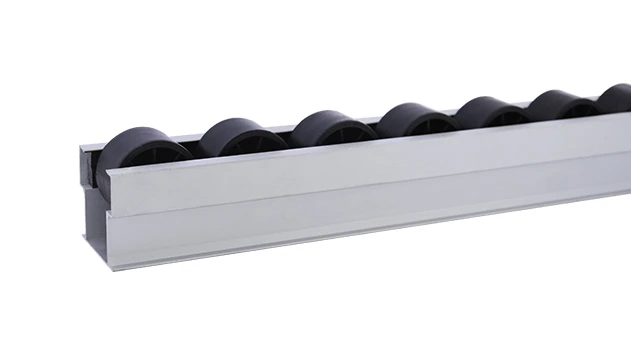
Durable and smooth-running modular roller rails. The system is fully assembled. The roller rail profile contains plastic rollers mounted on steel axles. Aluminum frame with plastic wheel make it anti corrosion,and material convey more smooth.
In today's fast-moving manufacturing landscape, every component in your production line holds the power to make or break operational efficiency, safety, and product quality. For industries handling sensitive electronics—like 3C assembly, medical device manufacturing, or consumer tech—electrostatic discharge (ESD) is an invisible enemy. A single static spark can ruin a microchip, delay production, or lead to costly recalls. That's where the 38 Aluminum Roller Track Black ESD steps in: a compact yet robust component designed to keep materials flowing smoothly while shielding your products from ESD risks. But its true magic lies in how it blends effortlessly with conveyor systems, turning fragmented workflows into a cohesive, lean production powerhouse.
Whether you're upgrading an existing line or building one from scratch, understanding this roller track's integration potential is key to unlocking higher productivity and safer operations. Let's dive into what makes it special, why seamless integration matters, and how to make it work for your unique manufacturing needs.
What Is the 38 Aluminum Roller Track Black ESD?
Let's start with the basics. The 38 Aluminum Roller Track Black ESD is a specialized material-handling component crafted from high-grade aluminum, coated with a black ESD-resistant finish. The "38" refers to its 38mm width—perfect for fitting into most standard conveyor setups. But it's not just about size; this track is built to perform under pressure.
Key features include:
- ESD Protection: The black coating dissipates static electricity, keeping sensitive components safe from damage. This is non-negotiable for industries where even tiny static charges can derail production.
- Durability: Aluminum's lightweight strength means it handles heavy loads (up to 40kg per meter) without warping or cracking. Unlike plastic alternatives, it resists corrosion and stands up to constant use.
- Smooth Flow: Precision-engineered rollers ensure materials glide effortlessly, reducing friction and jams. This cuts down on downtime and keeps your line moving.
- Flexibility: It's compatible with almost all conveyor types—roller, belt, free-flow chain—and can be reconfigured as your production needs change, aligning with lean manufacturing's "continuous improvement" ethos.
Why aluminum? It's recyclable, easy to clean, and corrosion-resistant—all critical for companies aiming to reduce their environmental footprint. Plus, its light weight makes installation and adjustments a breeze, saving you time and labor costs.
Why Seamless Integration with Conveyors Matters
Picture a production line where materials get stuck between a roller track and conveyor, or static from a non-ESD component ruins a batch of parts. These issues can halt your entire operation. Seamless integration eliminates these problems, and here's why:
1. Boosts Efficiency:
When components work together without gaps, materials move from stage to stage quickly. This reduces downtime and increases output—critical for meeting tight deadlines.
2. Enhances Safety:
ESD protection only works if every part of your line is compliant. Integrating this roller track with ESD conveyors and workstations creates a fully protected environment, cutting static-related defects by up to 30%.
3. Supports Lean Principles:
Lean manufacturing is about eliminating waste. A seamless system reduces waste from delays, reworks, and damaged parts. Plus, the track's reusability lets you adapt your line as processes improve—perfect for sustainable growth.
4. Reduces Maintenance Costs:
Components designed to work together experience less wear and tear. This means fewer repairs, longer lifespans, and lower long-term costs.
Step-by-Step Integration Guide
Integrating the 38 Aluminum Roller Track Black ESD with your conveyors doesn't have to be complex. Follow these steps for a smooth setup:
Step 1: Assess Your System
First, map your existing conveyor setup. Do you use roller conveyors, belt conveyors, or free-flow chain systems? Measure the space where you'll install the track to ensure a perfect fit. Note any unique requirements—like heavy loads or tight spaces—that need custom solutions.
Step 2: Choose Compatible Accessories
The right accessories make integration seamless. Here's a breakdown of must-have parts:
| Accessory Name | Purpose | Compatible Conveyor Types |
|---|---|---|
| Roller Track Connector | Links the track to conveyor frames or other tracks | Roller, Belt, Free-Flow Chain |
| Aluminum Profile Accessories | Mounts the track onto aluminum profiles (common in lean pipe workbenches) | All Types |
| Plastic Guide Rail (Black) | Prevents materials from falling off the track | Roller, Free-Flow Chain |
| End Support for Roller Track | Stabilizes the track's end when connected to conveyors | Belt, Roller |
Step 3: Installation Process
- Prepare: Clean the conveyor frame and installation area to remove debris.
- Mount Accessories: Attach connectors or profile mounts to the conveyor frame—ensure they're tight to avoid movement.
- Install Track: Slide the roller track into the mounts. Check alignment—no gaps between the track and conveyor.
- Add Guides: Attach plastic guide rails if needed to keep materials on track.
- Test: Run test materials through the system to check for jams or static issues.
Real-World Integration Examples
Example 1: 3C Assembly Line
A smartphone assembly plant uses roller conveyors and esd workstations to handle microchips and circuit boards. By integrating the 38 Aluminum Roller Track Black ESD with their conveyors, they move components from sorting to assembly without static damage. The track also connects to lean pipe workbenches where workers assemble parts—creating a seamless flow. This cut static defects by 35% and increased production speed by 22%.
Example 2: Medical Device Manufacturing
A surgical instrument maker uses belt conveyors to move parts between cleaning and sterilization. They installed the roller track at the end of conveyors to guide instruments into sterilization chambers. The ESD coating ensures no static buildup, critical for maintaining sterility. The track also integrates with flow racks for stored parts—reducing handling time by 18%.
Example 3: Warehouse Logistics
An electronics warehouse uses flow racks and roller conveyors to fulfill orders. The roller track connects flow racks to conveyors, letting parts slide directly onto delivery lines without static damage. This reduced order fulfillment time by 25% and improved customer satisfaction.
Synergy with Other Lean Components
The 38 Aluminum Roller Track Black ESD doesn't just work with conveyors—it complements other lean components to create a fully optimized line:
Lean Pipe Workbenches
Lean pipe workbenches are central to lean manufacturing. Mounting the roller track onto these workbenches lets workers receive parts directly from conveyors, reducing manual handling and increasing efficiency. For example, a worker assembling a laptop can pull parts from the track without leaving their station.
Flow Racks
Flow racks use gravity to move parts to the front. Integrating the roller track into flow racks ensures parts glide smoothly while staying ESD-safe. This is perfect for warehouses storing sensitive components—no more static damage to stored parts.
Turnover Trolleys
Turnover trolleys transport materials between line stages. Adding the roller track to trolleys makes loading/unloading easier: when connected to conveyors, parts slide onto the line without lifting. This reduces worker fatigue and cuts handling time.
Customization Options
Every manufacturing line is unique, so one-size-fits-all solutions don't work. Custom options for the 38 Aluminum Roller Track Black ESD include:
- Custom Lengths: Get tracks cut to your exact conveyor size.
- Heavy-Duty Versions: For loads up to 50kg per meter (ideal for automotive parts).
- Complete Lean Solutions: Design a full line with conveyors, workbenches, and tracks—all integrated seamlessly.
Maintenance Tips
To keep your system running smoothly, follow these tips:
- Clean Regularly: Wipe the track with a soft cloth to remove dust—avoid harsh chemicals that damage the ESD coating.
- Lubricate: Lubricate rollers every 3 months with non-conductive oil to keep them smooth.
- Inspect: Check for loose screws or bent rollers monthly—replace damaged parts immediately.
- Test ESD: Verify the coating's ESD effectiveness every 6 months to ensure compliance.
Conclusion
The 38 Aluminum Roller Track Black ESD is more than a component—it's a game-changer for manufacturing lines. Its seamless integration with conveyors, combined with ESD protection and durability, makes it ideal for any industry prioritizing efficiency, safety, and sustainability. Whether you're in 3C assembly or medical device manufacturing, this track can help you reduce waste, increase productivity, and protect your products.
Ready to upgrade your line? Custom solutions are available to fit your unique needs—from small adjustments to full lean system overhauls. Remember: in lean manufacturing, every small improvement adds up to big results. Start with this roller track and watch your production line transform.