- Company Articles
- Products and Technology
- Product knowledge
- 38 Aluminum Roller Track Black ESD: Reducing Static Damage in Component Transport

38 Aluminum Roller Track Black ESD: Reducing Static Damage in Component Transport
Related Product
38 Aluminum Roller Track Black ESD
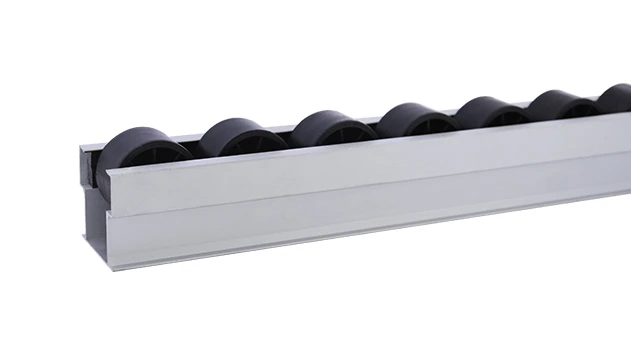
Durable and smooth-running modular roller rails. The system is fully assembled. The roller rail profile contains plastic rollers mounted on steel axles. Aluminum frame with plastic wheel make it anti corrosion,and material convey more smooth.
The Hidden Threat of Static Electricity in Component Transport
Every day, factories around the world move millions of sensitive electronic components—from tiny microchips in smartphones to precision sensors in medical devices. What many don't realize is that an invisible enemy lurks in these transport lines: static electricity. A single static discharge, even one too small to feel, can destroy a semiconductor, render a circuit board useless, or cause a medical device to malfunction. The cost of this damage is staggering: industry reports estimate that static electricity costs the electronics sector billions of dollars annually in product recalls, rework, and lost productivity. For manufacturers, especially those in 3C assembly and medical device production, finding a way to mitigate this risk is not just a matter of efficiency—it's a matter of survival. That's where the 38 Aluminum Roller Track Black ESD comes in. This specialized component is designed to eliminate static buildup during transport, protecting valuable components and keeping production lines running smoothly.
What Is 38 Aluminum Roller Track Black ESD?
The 38 Aluminum Roller Track Black ESD is a key part of modern lean manufacturing systems, engineered to address the specific challenge of static damage. Let's break down its core features: Material: Made from high-quality aluminum, this roller track is lightweight yet durable. Aluminum's natural resistance to corrosion and wear ensures that the track can withstand the rigors of daily use in busy factories, reducing the need for frequent replacements. ESD Coating: The black surface isn't just for aesthetics—it's a static-dissipative coating that prevents the buildup of electrostatic charge. When components slide along the track, any static that would normally accumulate is safely dissipated into the ground, eliminating the risk of discharge. Dimensions: At 38mm, this roller track is the perfect size for transporting a wide range of components, from small circuit boards to larger assemblies. Its standard dimensions make it easy to integrate with other lean pipe accessories, like joints and connectors, allowing manufacturers to build custom transport systems tailored to their needs. Roller Design: The rollers are smooth and evenly spaced, ensuring that components move along the track without jamming or getting stuck. This smooth flow reduces downtime and improves overall production efficiency.

Key Benefits of 38 Aluminum Roller Track Black ESD
- Unmatched Static Protection: The most obvious benefit is its ability to protect sensitive components from ESD damage. For example, in a 3C factory assembling smartphones, using this roller track to move circuit boards from one station to another ensures that each board arrives intact, without any hidden static damage that could cause failures later in the production process. This reduces the number of defective products and cuts down on costly rework.
- Durability and Longevity: Aluminum's strength and corrosion resistance mean that this roller track will last for years, even in harsh factory environments. Unlike plastic roller tracks that can crack or break, aluminum tracks hold up well under heavy use, making them a cost-effective investment over time. A factory using this track can expect it to last 5-10 years, depending on usage.
- Flexibility and Adaptability: As part of a lean system, the 38 Aluminum Roller Track Black ESD is highly flexible. It can be integrated into flow racks, conveyors, and ESD workstations, allowing manufacturers to reconfigure their transport lines as production needs change. For example, if a factory decides to adjust its line for a new product, it can reconfigure the track in hours using standard lean pipe joints, no new equipment needed.
- Easy Installation and Maintenance: Setting up this roller track is straightforward. It connects to other lean components using internal rotatary aluminum joints or standard connectors, so no specialized tools are required. Maintenance is minimal—just wipe the track with a dry cloth daily to remove dust, keeping the ESD coating effective without extra costs.
- Cost-Effective Solution: While initial costs may be higher than non-ESD tracks, the long-term savings are significant. For a 3C factory producing 10,000 smartphones monthly, switching to this track could reduce static-related defects from 1% to 0.1%, saving $54,000 annually in rework costs. Over 5 years, that's $270,000 in savings—far exceeding the initial investment.

Real-World Applications Across Industries
Let's look at how the 38 Aluminum Roller Track Black ESD is used in different industries: 3C Assembly: In a laptop factory, this track is used in flow racks to move motherboards from soldering to assembly stations. Without ESD protection, these boards would face high static damage risks, leading to defective laptops. Using the ESD track ensures every board arrives perfect, reducing defects and improving customer satisfaction. Medical Device Manufacturing: Medical devices like heart monitors contain sensitive components easily damaged by static. A manufacturer might use this track in a conveyor system to transport these components during production. The ESD coating ensures no static discharge occurs, keeping components safe and meeting strict quality standards. Electronics Warehousing: Warehouses storing electronic components use flow racks with this track to protect items from static while in storage. This is critical for long-shelf-life components, as static damage can occur even when stationary. Automotive Electronics: Modern cars have infotainment systems and safety sensors. An automotive manufacturer uses this track in production lines to move these components, reducing recall risks from electronic failures.
Integrating Into a Lean System for Maximum Efficiency
Lean manufacturing focuses on eliminating waste and improving efficiency, and the 38 Aluminum Roller Track Black ESD fits perfectly into this philosophy. It integrates seamlessly with other lean components: Flow Racks: Adding this track to flow racks turns them into static-safe storage solutions, maintaining lean efficiency while protecting components. Conveyors: Used in conveyors, it ensures smooth component transport without static damage, reducing downtime. ESD Workstations: Pairing with ESD workstations creates a comprehensive static-safe environment, protecting components at every production stage. Lean Pipe Workbenches: Integrated into workbenches, it allows workers to move components safely, boosting productivity. This flexibility aligns with lean principles, helping manufacturers adapt quickly and reduce waste.
ESD vs. Non-ESD Roller Tracks: A Critical Comparison
| Feature | 38 Aluminum Roller Track Black ESD | Standard Non-ESD Roller Track |
|---|---|---|
| Static Protection | Yes (dissipates static charge) | No (static buildup possible) |
| Material Durability | High (aluminum, 5-10 year lifespan) | Variable (plastic/steel, 2-3 year lifespan) |
| Lean System Integration | Seamless (compatible with lean pipe accessories) | Limited (may not fit standard lean components) |
| Cost Over Time | Low (reduces rework/replacements) | High (static damage costs add up) |
| Application Suitability | Sensitive components (electronics, medical) | Non-sensitive items (packaging, non-electronic parts) |
Best Practices for Using 38 Aluminum Roller Track Black ESD
To maximize benefits, follow these practices: Proper Grounding: Connect the track to factory grounding points using appropriate cables to ensure static dissipates effectively. Regular Inspection: Check for wear on the ESD coating—scratches or damage can reduce protection, so replace damaged sections immediately. Cleanliness: Wipe the track daily with a dry cloth to remove dust, which can interfere with the ESD coating. Pair with Other ESD Components: Use alongside ESD workstations, mats, and gloves for comprehensive protection. Training: Teach staff about static risks and correct track use to ensure everyone understands its role in component safety.
Conclusion: Investing in ESD Protection for Long-Term Success
The 38 Aluminum Roller Track Black ESD is more than a component—it's a lifeline for manufacturers dealing with sensitive components. It provides unmatched static protection, integrates into lean systems, and offers long-term cost savings. By using this track, manufacturers reduce static damage risks, improve production efficiency, and ensure products meet quality standards. In an industry where small defects have major consequences, this track is a smart investment for any factory looking to stay competitive and protect its bottom line.