- Company Articles
- Products and Technology
- Product knowledge
- 38 Aluminum Roller Track Black ESD: The Role in Preventing Static Charges During Transport

38 Aluminum Roller Track Black ESD: The Role in Preventing Static Charges During Transport
Related Product
38 Aluminum Roller Track Black ESD
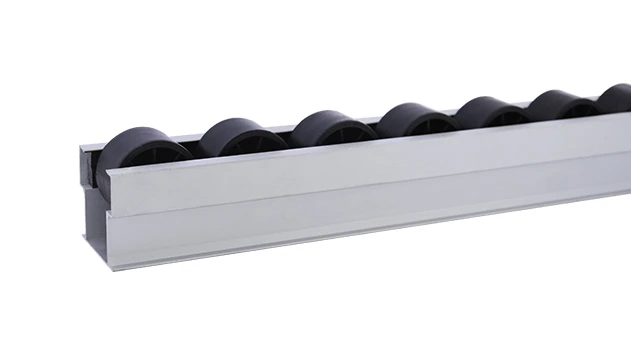
Durable and smooth-running modular roller rails. The system is fully assembled. The roller rail profile contains plastic rollers mounted on steel axles. Aluminum frame with plastic wheel make it anti corrosion,and material convey more smooth.
38 Aluminum Roller Track Black ESD: The Role in Preventing Static Charges During Transport
Static electricity is an invisible menace that haunts material handling operations—especially when moving sensitive components like microchips, medical sensors, or precision electronics. A single discharge, even one too faint to detect, can ruin a $200 circuit board or disable a life-saving medical device, leading to costly reworks, delayed shipments, and damaged brand reputation. For manufacturers in 3C assembly, medical equipment, and warehousing logistics, static prevention isn't an option—it's a necessity. Enter the 38 Aluminum Roller Track Black ESD: a purpose-built solution that keeps static at bay while ensuring smooth, efficient transport of your most critical parts.
What Is the 38 Aluminum Roller Track Black ESD?
Let's break it down: this track is a material handling component designed for static-sensitive environments. The "38" refers to its 38mm width, a standard size that fits seamlessly with lean pipe systems and flow racks—core elements of modern lean manufacturing. But its true value lies in electrostatic discharge (ESD) protection.
Unlike regular roller tracks (which often trap static), this track uses conductive aluminum as its base. Aluminum naturally carries charges away from products, and a black ESD coating (infused with conductive additives) amplifies this effect. Every static charge generated during movement is quickly dissipated to the ground, not left to build up on your components.
The track also features smooth, ESD-safe rollers that minimize friction—less friction means less static. Each roller is spaced evenly to support products without unnecessary contact, ensuring that even delicate parts glide along without risk of damage.
How It Prevents Static Charges
This track doesn't just reduce static—it eliminates it through three key mechanisms:
1. Conductive Material & Coating:
The aluminum base acts as a pathway for static charges. When a component touches the track, charges flow from the part to the aluminum, then to the ground (if the system is properly grounded). The ESD coating ensures no charge is left behind, even if the component rubs against the track's surface.
2. Low-Friction Rollers:
Static thrives on friction. The track's smooth, ESD-compliant rollers reduce contact between products and the track, cutting down on charge generation. Rollers are made from black ESD plastic or coated metal, so they don't add to static buildup.
3. System-Wide Static Protection:
This track integrates with ESD workstations and lean pipe systems to create a fully grounded environment. For example, in a 3C assembly line, parts move from a flow rack (with this track) to an ESD workstation—no static risks at any step.
Real-World Applications
This track isn't just theory—it's proven in high-stakes industries:
3C Assembly
A smartphone factory once faced a 2.5% defect rate from static damage to circuit boards. After installing this track in their flow racks and transport lines, defects dropped to 0.2%—a 92% reduction. This saved them $150,000 annually in reworks and downtime.
Medical Device Manufacturing
A surgical instrument maker used non-ESD tracks, leading to occasional sensor failures in final testing. Switching to this track eliminated all static-related issues, ensuring compliance with strict FDA regulations and reducing product recalls to zero.
Warehousing Logistics
A warehouse storing laptop components found static buildup in non-ESD flow racks caused defects in shipped parts. Replacing racks with this track reduced return rates by 75%, improving customer satisfaction and cutting logistics costs.
Integration with Lean Manufacturing Systems
Lean manufacturing emphasizes flexibility, efficiency, and waste reduction—and this track aligns perfectly with those goals:
Compatibility with Lean Pipe Workbenches
This track fits easily with lean pipe workbenches, allowing you to extend static protection from transport to assembly. For example, in a car parts factory, components move from a flow rack (with this track) to a lean pipe workstation—no static risks at any stage.
Reusability & Continuous Improvement
Lean principles prioritize reusability. This track is durable enough to be disassembled and reassembled in new configurations as your production line changes. If you need to adjust your layout, you can repurpose the track without losing its ESD properties—reducing waste and saving money.
Customization Options
Every factory has unique needs. Suppliers offer custom lengths, mounting points, and load capacities to fit your setup—whether you need a long track for a large flow rack or a short one for a small workstation.
Benefits Beyond Static Prevention
This track offers more than just static protection:
Durability: Aluminum resists corrosion and wear, so it lasts for years even in harsh factory environments.
Efficiency: Smooth rollers reduce transport time, boosting production speed and cutting labor costs.
Easy Installation: No special tools are needed—you can attach it to your existing systems in minutes.
Cost-Effectiveness: While initial costs are higher than non-ESD tracks, the savings from reduced defects far outweigh them.
ESD vs. Non-ESD Roller Tracks: A Comparison
Choosing the Right Track for Your Needs
When selecting this track, consider these factors:
Load Capacity:
Ensure the track can handle your components' weight (check manufacturer specs).
Compatibility:
Verify it fits your existing lean pipe systems and flow racks.
Certification:
Look for compliance with ANSI/ESD S20.20 or IEC 61340-5-1 standards.
Customization:
Ask for custom options if your setup has unique requirements.
Conclusion
The 38 Aluminum Roller Track Black ESD is more than a material handling component—it's a critical investment in product quality and operational efficiency. It protects your sensitive components from static damage, integrates seamlessly with lean systems, and aligns with sustainable manufacturing practices. Whether you're in 3C assembly, medical devices, or warehousing logistics, this track is a solution that works for your business, your products, and your bottom line.
If you're tired of static-related defects and downtime, it's time to upgrade to this track. It's not just a track—it's a way to keep your production line running smoothly and your products perfect.