- Company Articles
- Products and Technology
- Product knowledge
- 38 Aluminum Roller Track Black ESD: Ultimate Guide for First-Time Buyers

38 Aluminum Roller Track Black ESD: Ultimate Guide for First-Time Buyers
Related Product
38 Aluminum Roller Track Black ESD
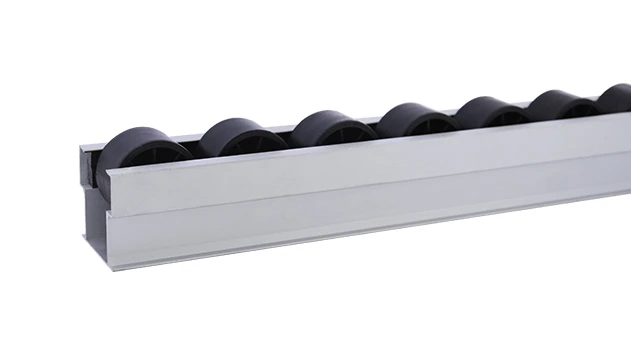
Durable and smooth-running modular roller rails. The system is fully assembled. The roller rail profile contains plastic rollers mounted on steel axles. Aluminum frame with plastic wheel make it anti corrosion,and material convey more smooth.
Introduction
If you're new to lean manufacturing or setting up your first workspace, you might have heard about roller tracks but aren't sure where to start—especially when it comes to ESD-protected options. The 38 Aluminum Roller Track Black ESD is a popular choice for many industries, and this guide will walk you through everything you need to know before making your first purchase. Whether you're building a flow rack for your warehouse or upgrading an esd workstation, understanding this component will help you make an informed decision.
First, let's break down what this product actually is. The "38" refers to the diameter of the aluminum tube—38mm, a common size for medium-duty applications. The "Black ESD" part means it has an electrostatic discharge (ESD) coating, which is critical for industries like 3C assembly where static electricity can damage sensitive electronic components. This roller track is designed to move parts smoothly from one point to another, making it a key part of any efficient workflow.
Key Features of 38 Aluminum Roller Track Black ESD
Before you buy, let's look at the features that make this roller track stand out:
1. High-Quality Aluminum Material
Made from durable aluminum, this roller track is lightweight yet strong. Unlike steel, aluminum doesn't rust easily, so it's perfect for environments where moisture might be a concern. It's also easy to handle and install, which is great for first-time users who don't have a lot of experience with heavy equipment.
2. Effective ESD Protection
The black coating isn't just for looks—it's an ESD-safe finish that dissipates static electricity. This is essential if you're working with electronic parts, as static can cause permanent damage to chips and circuits. Every time a part slides along the track, the static is safely grounded, keeping your products intact.
3. Smooth Roller Movement
The rollers are designed to spin freely, ensuring that parts glide along without getting stuck. This smooth flow is crucial for maintaining efficiency in your production line or warehouse. Whether you're moving small components or larger boxes, the rollers handle them with ease.
4. Compatibility with Lean Systems
One of the best things about this roller track is its compatibility with other lean components. You can easily attach it to a lean pipe workbench, flow rack, or any other part of your lean system using standard aluminum profile accessories. This flexibility means you can adapt your workspace as your needs change, which aligns with the "sustainable improvement" of lean manufacturing.
5. Long-Lasting Durability
With proper care, this roller track can last for years. The aluminum construction resists wear and tear, and the ESD coating holds up well even with frequent use. This makes it a cost-effective choice in the long run, as you won't have to replace it often.

How to Choose the Right 38 Aluminum Roller Track Black ESD
Not all roller tracks are the same, so it's important to consider your specific needs before buying. Here are the key factors to keep in mind:
1. Load Capacity
First, figure out how much weight you'll be putting on the track. The 38mm aluminum roller track typically supports between 40-60 kg per meter, but this can vary depending on the manufacturer. If you're moving heavy items, make sure to choose a track with a higher load capacity to avoid damage.
2. Application Scenario
Where will you be using the roller track? If it's in a 3C assembly line, ESD protection is non-negotiable. If it's in a warehouse for general storage, you might not need ESD, but the black ESD version is still a good choice for versatility. Think about the environment—will it be exposed to moisture or chemicals? Aluminum is resistant to most common chemicals, so it's a safe bet.
3. Compatibility with Existing Equipment
Check if the roller track works with your current setup. For example, if you have a lean pipe workbench, make sure the connectors match. Most manufacturers use standard sizes, but it's always a good idea to double-check before buying. You don't want to end up with a track that doesn't fit your existing frames.
4. Length and Quantity
Measure the space where you'll install the track to determine the length you need. Roller tracks are usually sold in standard lengths (like 1m, 2m), but some suppliers offer custom cuts. Decide how many tracks you need based on your workflow—do you need a single line or multiple parallel tracks?
5. Budget
Price is always a factor, but don't compromise on quality for a lower cost. A cheap roller track might save you money upfront, but it could break easily and cost more in the long run. Look for suppliers who offer competitive prices without sacrificing durability or ESD performance.

Installation Tips for Beginners
Installing a roller track might seem daunting, but it's actually straightforward if you follow these steps:
Step 1: Gather Your Tools
You'll need a few basic tools: a screwdriver (Phillips or flathead, depending on the screws), a wrench, a level, and maybe a tape measure. Make sure all tools are handy before you start.
Step 2: Prepare the Frame
If you're attaching the track to a flow rack or workstation, make sure the frame is stable and level. Use the level to check that the surface where the track will be installed is even—uneven surfaces can cause parts to get stuck or slide unevenly.
Step 3: Attach Brackets
Most roller tracks come with brackets that hold them to the frame. Position the brackets at regular intervals (about every 50cm) along the frame. Use the screwdriver or wrench to secure the brackets tightly.
Step 4: Install the Roller Track
Place the roller track onto the brackets. Make sure it's aligned properly—use the level again to check. Secure the track to the brackets with the provided screws. Don't over-tighten the screws, as this can warp the track and affect its performance.
Step 5: Test the Flow
Once installed, test the track by sliding a few parts along it. If everything moves smoothly, you're good to go. If parts get stuck, check for loose screws or uneven installation. Adjust as needed until the flow is perfect.
Common Mistakes to Avoid
- Not leveling the frame: This is the most common mistake. Uneven frames lead to stuck parts.
- Over-tightening screws: This can damage the track or brackets.
- Ignoring compatibility: Always check if the track fits your existing equipment.
- Forgetting to test: Don't skip the testing step—you want to catch any issues early.
Maintenance and Care
To keep your roller track in top condition, follow these maintenance tips:
1. Regular Cleaning
Wipe the track with a dry cloth every week to remove dust and debris. If there's stubborn dirt, use a mild detergent and water—avoid harsh chemicals that can damage the ESD coating. Dry the track thoroughly after cleaning to prevent moisture buildup.
2. Check for Loose Parts
Inspect the brackets and screws monthly to make sure they're tight. Loose parts can cause the track to shift, leading to uneven flow. Tighten any loose screws gently—don't overdo it.
3. Lubricate Rollers
If the rollers start to feel stiff, lubricate them with a light oil (like silicone oil). Apply a small amount to each roller and spin them to distribute the oil evenly. Don't use heavy grease, as it can attract dust and make the rollers stick.
4. Test ESD Performance
If you're using the track for ESD-sensitive applications, test the ESD coating every 6 months. You can use an ESD tester to check if the coating is still dissipating static properly. If the performance drops, contact the supplier for advice—you might need to re-coat the track or replace it.
5. Store Properly (If Not in Use)
If you need to store the track, keep it in a dry, cool place. Avoid stacking heavy items on top of it, as this can bend the aluminum. Cover it with a cloth to protect it from dust.
Application Examples
Let's look at some real-world uses of the 38 Aluminum Roller Track Black ESD:
1. 3C Assembly Line
In a smartphone assembly plant, this roller track is used to move small components (like circuit boards) from one station to another on an esd workstation. The ESD coating prevents static damage, ensuring that the components work properly. Workers can easily slide parts along the track without worrying about electrostatic discharge.
2. Warehouse Flow Rack
A logistics company uses this track in their flow rack system for picking orders. The smooth rollers allow boxes to slide down to the picking station, reducing the time workers spend reaching for items. The aluminum construction is durable enough to handle daily use, and the ESD coating is a bonus for storing electronic products.
3. Medical Device Manufacturing
In a medical device factory, the track is used to transport sensitive parts (like sensors) between stations. The ESD protection is critical here, as static can damage the delicate electronics in medical devices. The lightweight aluminum makes it easy to reconfigure the workspace as needed, which is important for adapting to new product lines.
4. Automotive Parts Production
An auto parts manufacturer uses the track to move small components (like screws and bolts) along their production line. The smooth flow reduces bottlenecks, and the aluminum material resists oil and grease common in automotive factories. The ESD coating isn't always necessary here, but it's a good choice for versatility.
Comparing 38 Aluminum Roller Track Black ESD with Other Options
Let's see how this track stacks up against other common types:
1. Black ESD vs Yellow/Grey Non-ESD
| Feature | Black ESD | Yellow/Grey Non-ESD |
|---|---|---|
| ESD Protection | Yes | No |
| Best For | 3C assembly, medical devices | General warehouse, non-electronic parts |
| Price | Slightly higher | Lower |
| Durability | Same as non-ESD | Same as ESD |
2. Aluminum vs Steel Roller Track
| Feature | Aluminum | Steel |
|---|---|---|
| Weight | Lightweight | Heavy |
| Rust Resistance | High | Low (unless galvanized) |
| Installation Ease | Easy | Harder (needs more tools) |
| Cost | Higher | Lower |
3. 38mm vs Other Sizes (28mm, 45mm)
The 38mm size is a middle ground between smaller (28mm) and larger (45mm) tracks. Smaller tracks are better for light loads, while larger ones handle heavier items. The 38mm track is versatile and works for most medium-duty applications, making it a popular choice for first-time buyers.
Frequently Asked Questions (FAQs)
Q: What does "38" mean in the product name?
A: It refers to the diameter of the aluminum tube, which is 38mm. This is a standard size for medium-load roller tracks.
Q: Can I cut the roller track to a custom length?
A: Yes, most suppliers offer custom cutting services. Just provide the exact length you need when ordering.
Q: How do I know if the ESD coating is still working?
A: Use an ESD tester to measure the surface resistance. The ideal range is between 10^6 and 10^9 ohms. If it's outside this range, the coating might need to be replaced.
Q: Is this roller track compatible with my lean pipe workbench?
A: Most likely, yes. The 38mm track uses standard connectors that fit most lean pipe systems. However, it's always best to check with the supplier to confirm compatibility.
Q: What's the maximum load capacity of the 38mm track?
A: It varies by manufacturer, but most 38mm aluminum roller tracks can support 40-60 kg per meter. For heavier loads, consider a larger size like 45mm.
Q: How long will the roller track last?
With proper maintenance, it can last 5-10 years. The aluminum material is durable, and the ESD coating holds up well with regular cleaning.
Q: Where can I buy a reliable 38 Aluminum Roller Track Black ESD?
A: Look for suppliers who specialize in lean solutions and have a proven track record. Check customer reviews and ask for samples if possible. A good supplier will offer quality products and excellent customer support.
Conclusion
The 38 Aluminum Roller Track Black ESD is a versatile, durable, and essential component for any lean manufacturing setup. Whether you're building a flow rack, upgrading an esd workstation, or setting up a new production line, this track will help you create an efficient, static-free workspace.
When buying, remember to consider your load capacity, application scenario, compatibility with existing equipment, and budget. Follow the installation and maintenance tips to ensure your track lasts for years. And don't forget to choose a reputable supplier who can provide quality products and support.
With this guide, you're now ready to make your first purchase of the 38 Aluminum Roller Track Black ESD. Happy shopping!