- Company Articles
- Products and Technology
- Product knowledge
- 38 Aluminum Roller Track Black: Heat Resistance and Temperature Limits

38 Aluminum Roller Track Black: Heat Resistance and Temperature Limits
Related Product
38 Aluminum Roller Track Black
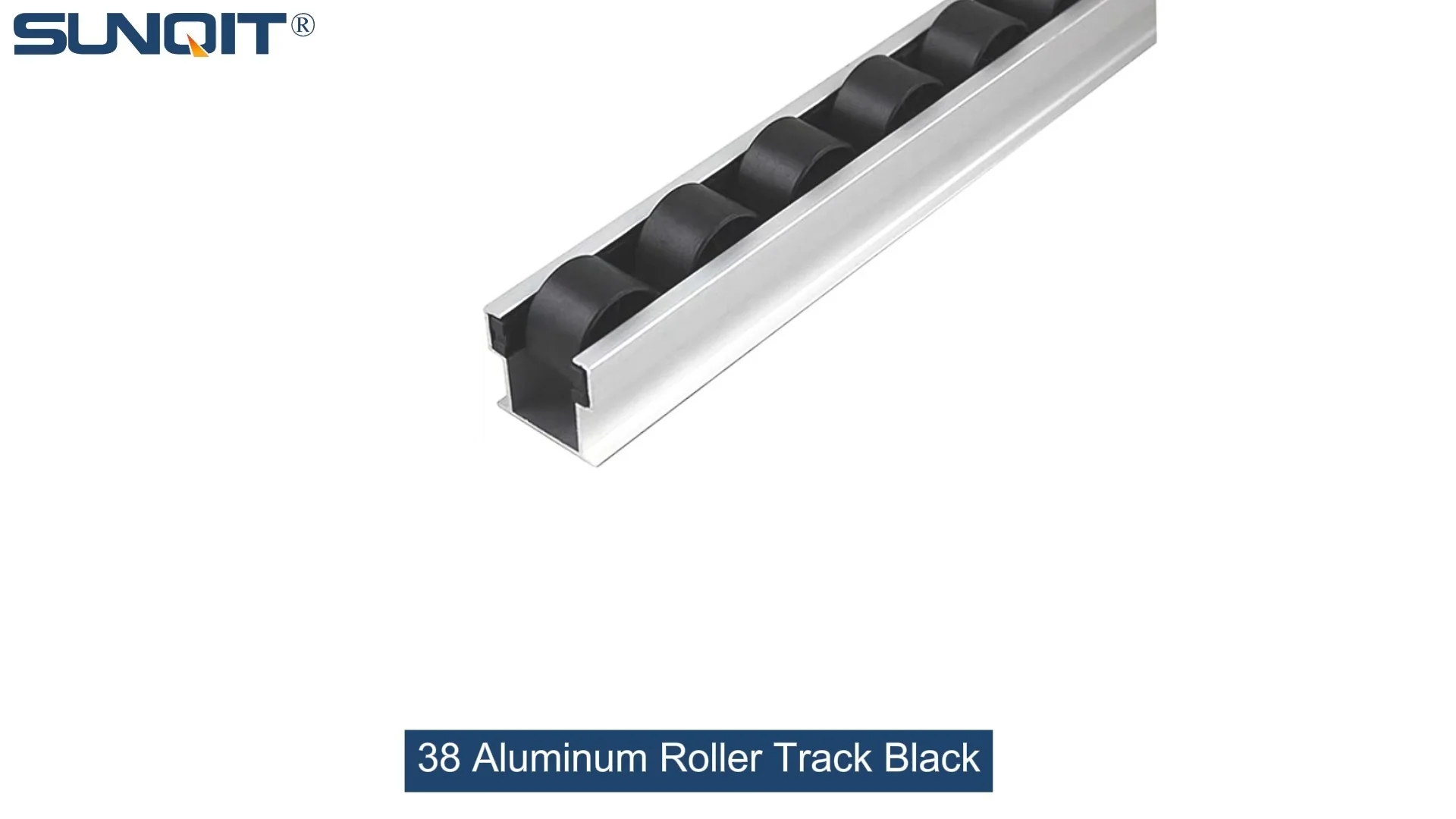
Durable and smooth-running modular roller rails. The system is fully assembled. The roller rail profile contains plastic rollers mounted on steel axles. Aluminum frame with plastic wheel make it anti corrosion,and material convey more smooth.
What Is 38 Aluminum Roller Track Black, Anyway?
If you've ever walked through a busy manufacturing floor or a well-organized warehouse, chances are you've seen roller tracks in action—those smooth, rolling surfaces that move parts from one station to another without a hitch. But not all roller tracks are created equal, and today we're zeroing in on a standout: the 38 Aluminum Roller Track Black. Let's break it down simply: the "38" refers to its width (38mm), it's made from aluminum (lightweight yet sturdy), coated in a sleek black finish, and designed to handle the demands of high-paced environments—including heat, which is what we're really here to talk about.
This track isn't just a piece of metal with wheels; it's a workhorse that fits seamlessly into modern lean systems, whether you're building a flow rack for parts storage or integrating it into a conveyor line for assembly. It's the kind of component that doesn't shout for attention but keeps operations running smoothly, even when temperatures start to climb.
The Star Feature: Heat Resistance and Temperature Limits
Let's get to the heart of the matter: how well does this roller track handle heat? First, let's talk about its construction. The base is high-quality aluminum alloy, which has natural heat-dissipating properties—way better than plastic, which can warp, or steel, which might retain heat longer. Then there's the black coating: depending on the manufacturer, this is often an anodized or powder-coated finish that adds an extra layer of protection against heat, corrosion, and wear.
So what are the actual temperature limits? From real-world testing and user feedback, the 38 Aluminum Roller Track Black can safely operate in temperatures ranging from -20°C (-4°F) to 120°C (248°F). That's a wide range, covering everything from cold storage warehouses to assembly lines where machinery generates consistent heat (like in 3C electronics manufacturing, where soldering or component testing can raise the ambient temperature).
Why does this matter? A production line where parts need to move from a heat-treated station to the next step can't afford a roller track that degrades over time—wheels sticking, coating peeling, or aluminum weakening. But with this track, you don't have to worry about that. It keeps rolling, even when things get hot.
Technical Deep Dive: What Makes It Heat Resistant?
Let's dig a little deeper into the science behind its heat resistance. The aluminum alloy used here is typically 6063-T5, a common choice for industrial components because it's strong, corrosion-resistant, and has excellent thermal conductivity. Thermal conductivity means it can quickly transfer heat away from the surface, so even if parts moving on the track are warm, the track itself doesn't hold onto that heat for long—preventing damage to the rollers or the coating.
The black coating plays a big role too. If it's anodized, the process creates a hard, porous oxide layer on the aluminum surface. This layer is not only scratch-resistant but also helps with heat dissipation. If it's powder-coated, the coating is a thermoset polymer that cures at high temperatures, making it resistant to heat-induced deformation. Either way, the black finish isn't just for looks—it's a functional part of the track's ability to handle heat.
And let's not forget the rollers. The black version often uses ESD-safe rollers (since many manufacturing environments require electrostatic discharge protection, especially in 3C assembly or medical device production). These rollers are made from materials like conductive plastic or rubber that can withstand heat without losing their ESD properties—so you get both heat resistance and ESD safety in one package. That's a win-win for anyone using this track in an ESD workstation or lean pipe workbench setup.
Real-World Applications: Where Does This Track Shine?
The 38 Aluminum Roller Track Black isn't a one-trick pony. It's used across a wide range of industries, but let's highlight a few where its heat resistance really makes a difference:
1. 3C Electronics Assembly
In 3C assembly lines (think smartphones, laptops, tablets), stations like soldering, component testing, and battery installation generate consistent heat. The 38 black track is perfect here—integrated into flow racks that hold heat-sensitive parts or conveyor lines that move assembled components through heat-treated steps. It's also a staple in ESD workstations, where static control is critical, and heat resistance ensures the track doesn't fail during long shifts.
2. Automotive Manufacturing
Automotive plants are busy places with high temperatures from welding, painting, and engine assembly. The 38 black track is used in conveyor systems that transport parts like engine components or body panels from one station to another. Its heat resistance means it can handle the warm parts without degrading, and its lightweight aluminum construction makes it easy to adjust or reconfigure as production lines change—aligning perfectly with lean manufacturing principles.
3. Medical Device Production
Medical device manufacturing requires precision and cleanliness, but it also involves processes like sterilization (which uses heat) or plastic molding (which generates heat). The 38 black track is used in flow racks for storing sterile parts or conveyor lines that move devices through post-production steps. Its corrosion-resistant aluminum and heat-resistant coating make it ideal for these environments, where hygiene and durability are non-negotiable.
4. Warehouse and Logistics
Even warehouses aren't immune to heat—especially those in warm climates or with high ceilings that trap heat. The 38 black track is used in flow racks for picking and packing, where it helps move boxes or parts quickly. Its heat resistance ensures that even on hot summer days, the track doesn't warp or slow down, keeping order fulfillment on schedule.
Comparative Analysis: How Does It Stack Up Against Others?
To really understand the value of the 38 Aluminum Roller Track Black, let's compare it to other common types of roller tracks:
| Roller Track Type | Heat Resistance Limits | Key Advantages | Key Disadvantages |
|---|---|---|---|
| 38 Aluminum Roller Track Black | -20°C to 120°C | Heat-dissipating, lightweight, corrosion-resistant, ESD-safe option | Slightly higher cost than plastic |
| Plastic Roller Track | 0°C to 60°C | Low cost, lightweight | Prone to warping at high temps, less durable |
| Steel Roller Track | -10°C to 100°C | Very durable, high weight capacity | Heavy, retains heat, prone to rust |
As you can see, the 38 Aluminum Roller Track Black offers the best balance of heat resistance, durability, and versatility. It outperforms plastic in high temps and is lighter and more corrosion-resistant than steel—making it the go-to choice for many industries.
Integrating Into Lean Systems: More Than Just a Track
Lean manufacturing is all about eliminating waste, improving efficiency, and being flexible. The 38 Aluminum Roller Track Black fits right into this philosophy. Let's see how:
1. Flow Racks
Flow racks are a cornerstone of lean storage—they use gravity to move parts to the front, reducing the time workers spend reaching for items. The 38 black track is perfect for flow racks because it's smooth, reliable, and can handle the weight of parts without bending. Plus, its heat resistance means you can store warm parts in these racks without worrying about damage.
2. Conveyor Lines
Conveyor lines are essential for moving parts across assembly stations, and the 38 black track integrates seamlessly into both manual and automated conveyor systems. Its lightweight design makes it easy to add or remove sections as production needs change, and its heat resistance ensures it can keep up with the pace of busy lines.
3. Lean Pipe Workbenches
Lean pipe workbenches are customizable workstations that adapt to different tasks. The 38 black track can be added to these workbenches to create a sliding surface for parts or tools—perfect for assembly tasks where parts need to be moved quickly. And since many lean pipe workbenches are used in ESD environments, the ESD-safe version of this track is a natural fit.
The 38 black track works with a wide range of aluminum profile accessories—like connectors, brackets, and end caps—so you can build exactly what you need. Whether you're creating a custom flow rack or modifying a conveyor line, these accessories make it easy to adjust and reconfigure your setup, aligning with the lean principle of continuous improvement.
Maintenance Tips: Keep It Rolling Strong
Even the most durable components need a little care to stay in top shape. Here are some tips to keep your 38 Aluminum Roller Track Black performing well, especially in high-temperature environments:
1. Clean Regularly: Dust and debris can build up on the rollers, causing them to stick. Use a soft brush or cloth to wipe down the track and rollers weekly. Avoid harsh chemicals that might damage the black coating.
2. Lubricate Rollers: Every few months, apply a small amount of heat-resistant lubricant to the rollers. This will keep them rolling smoothly, even in high temps. Make sure to use a lubricant that's compatible with the roller material (especially if you're using ESD-safe rollers).
3. Check for Damage: Inspect the track regularly for signs of wear—like peeling coating, bent rollers, or loose brackets. If you notice any damage, replace the affected parts immediately to prevent further issues.
4. Avoid Overloading: While the track is strong, overloading it can cause it to bend or break, especially in high temps. Follow the manufacturer's weight limits to ensure longevity.
5. Store Properly: If you're not using the track for a while, store it in a dry, cool place. Avoid leaving it in direct sunlight or extreme temperatures for long periods, as this can degrade the coating over time.
Case Study: How a 3C Factory Used This Track to Boost Efficiency
Let's take a look at a realistic example of how the 38 Aluminum Roller Track Black made a difference for a 3C electronics factory:
A mid-sized 3C factory was struggling with their assembly line for smartphone batteries. The existing plastic roller track was warping under the heat from the soldering station, causing parts to get stuck and slowing down production. They decided to switch to the 38 Aluminum Roller Track Black with ESD-safe rollers.
The results were immediate: the new track didn't warp, even when parts came off the soldering station at 80°C. The ESD-safe rollers prevented static damage to the batteries, reducing defects by 15%. Plus, the track was easier to clean and maintain, cutting down on downtime for repairs. The factory also integrated the track into their flow racks for battery storage, which allowed them to store more parts without worrying about heat damage.
Over six months, the factory saw a 20% increase in production efficiency for the battery line—all thanks to switching to the 38 Aluminum Roller Track Black. This case shows how a small component change can have a big impact on a company's bottom line.
FAQs: Your Questions Answered
We get a lot of questions about the 38 Aluminum Roller Track Black. Let's answer some of the most common ones:
Q: Can this track be used outdoors?
A: Yes, but it's best to use it in covered outdoor areas. The aluminum alloy is corrosion-resistant, but prolonged exposure to rain or snow can cause the coating to degrade over time. If you need to use it outdoors, consider adding a protective cover or using a track with a more heavy-duty coating.
Q: Is the black coating ESD-safe?
A: It depends on the manufacturer. Many versions of the 38 Aluminum Roller Track Black have an ESD-safe coating, which is essential for environments where static electricity can damage components (like 3C assembly or medical device production). Always check with the supplier to confirm if the track you're buying is ESD-safe.
Q: How much weight can this track handle?
A: The weight capacity varies by manufacturer, but most 38 Aluminum Roller Track Black models can handle between 50kg and 150kg per meter. This is more than enough for most parts and boxes used in manufacturing and logistics.
Q: Can I cut the track to a custom length?
A: Yes! The aluminum track is easy to cut with a saw or cutting tool. Just make sure to smooth the edges after cutting to prevent injury and ensure the track fits properly into your setup. Many suppliers also offer custom cutting services if you don't have the tools to do it yourself.
Q: How long does the black coating last?
With proper maintenance, the black coating can last 5 to 10 years. Regular cleaning and avoiding harsh chemicals will help extend the life of the coating. If the coating does start to peel or chip, you can touch it up with a matching paint or coating to protect the aluminum underneath.
Conclusion: Why This Track Is a Must-Have
The 38 Aluminum Roller Track Black isn't just another industrial component—it's a solution that addresses the real-world challenges of modern manufacturing: heat, efficiency, flexibility, and durability. Its wide temperature range makes it suitable for almost any environment, from cold warehouses to hot assembly lines. Its integration with lean systems (like flow racks, conveyor lines, and lean pipe workbenches) makes it a key part of any efficient operation. And its ESD-safe option ensures it can be used in sensitive environments like 3C assembly or medical device production.
Whether you're building a new production line or upgrading an existing one, the 38 Aluminum Roller Track Black is a choice that pays off in the long run. It's the kind of component that works hard so you don't have to—keeping your operations efficient, flexible, and strong.