- Company Articles
- Products and Technology
- Product knowledge
- 38 Aluminum Roller Track White in Electronics Manufacturing: Static Control Features

38 Aluminum Roller Track White in Electronics Manufacturing: Static Control Features
Related Product
38 Aluminum Roller Track White
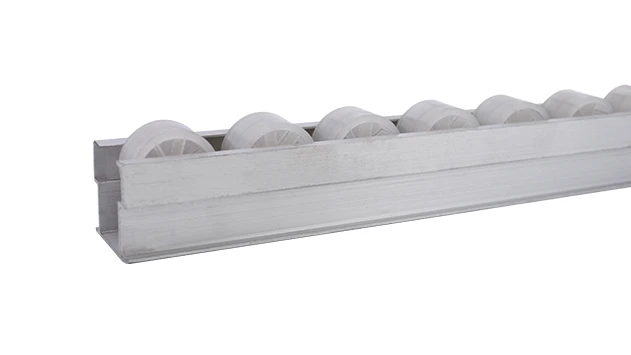
Mini aluminum roller track black for modular system, lean solution.Durable and smooth-running modular roller rails. The system is fully assembled. The roller rail profile contains plastic rollers mounted on steel axles.
38 Aluminum Roller Track White in Electronics Manufacturing: Static Control Features
The Silent Threat of Static in Electronics Manufacturing
If you've ever worked in an electronics factory, you know how easy it is to overlook static electricity—until it's too late. A single static discharge can fry a delicate PCB (Printed Circuit Board) or damage a microchip beyond repair, leading to costly reworks, delayed shipments, and frustrated customers. For manufacturers in the 3C assembly space (computers, communications, consumer electronics), this risk is even higher: components are getting smaller, more sensitive, and the demand for zero-defect products is non-negotiable. That's where tools like the 38 Aluminum Roller Track White come in—they don't just move parts from point A to point B; they actively protect your products from static harm.
What Is the 38 Aluminum Roller Track White?
Let's break it down simply: the 38 Aluminum Roller Track White is a specialized component designed for material handling in static-sensitive environments. Made from high-quality aluminum (with a white, anti-static coating), it features smooth-rolling rollers that allow parts to glide effortlessly along assembly lines or flow racks. But it's not just about movement—its core value lies in its static control capabilities, which make it a must-have for any electronics manufacturing setup.
Unlike generic roller tracks, this model is engineered to dissipate static charges quickly. The white coating isn't just for aesthetics; it's a conductive layer that ensures any static buildup on parts or the track itself is safely grounded, preventing sudden discharges that could harm components. And since it's made from aluminum, it's durable enough to handle daily use in busy factories—no more replacing flimsy plastic tracks every few months.
Key Static Control Features Explained
Let's dive into the features that make this roller track stand out when it comes to static safety:
1. Anti-Static Coating:
The white surface of the track is treated with a conductive coating that has a surface resistance between 10^6 and 10^9 ohms—this is the sweet spot for static dissipation. It means that any static charge on the track or the parts moving on it is released slowly and evenly to the ground, instead of building up to a dangerous level. For comparison, regular plastic tracks often have a resistance of over 10^12 ohms, which makes them static magnets.
2. Groundable Design:
The track is designed to be easily grounded to your factory's ESD (Electrostatic Discharge) system. You can attach grounding wires to the aluminum frame, ensuring that any static charge is directed away from your products. This is critical for ESD workstations where components are handled directly—combining the track with an ESD workstation creates a fully protected zone.
3. Smooth, Non-Triboelectric Rollers:
The rollers on the track are made from a material that minimizes triboelectric charging (the static generated when two materials rub together). When parts slide on the rollers, there's little to no static buildup, which reduces the risk of damage. This is especially important for small components like capacitors or resistors, which are highly sensitive to triboelectric charges.
4. Compatibility with ESD Accessories:
The track works seamlessly with aluminum profile accessories like ESD mats, grounding clips, and static-free bins. This means you can build a complete static control system without worrying about incompatible parts. For example, you can attach the track to a lean pipe frame to create a flow rack that not only organizes parts but also protects them from static.
| Feature | Benefit for Static Control | Relevance to Electronics Manufacturing |
|---|---|---|
| Anti-Static Coating | Dissipates static charges slowly and evenly | Protects sensitive components from sudden discharges |
| Groundable Design | Directs static to the ground safely | Complies with ESD standards (ANSI/ESD S20.20) |
| Non-Triboelectric Rollers | Reduces static from friction | Ideal for handling small, delicate parts |
| Aluminum Profile Compatibility | Integrates with ESD accessories | Enables full static control system setup |
Integration with Lean Manufacturing Tools
The 38 Aluminum Roller Track White isn't just a static control tool—it's also a key part of lean manufacturing practices. Let's see how it works with other lean tools:
Lean Pipe Frames:
You can easily attach this track to lean pipe frames to build custom flow racks or workstations. Lean pipe is a versatile material that lets you create flexible, modular setups—so if your production line changes, you can adjust the track's position without buying new equipment. This aligns with the lean of "reusable and sustainable improvement" (as mentioned in the background).
Flow Racks:
When used in flow racks, the track helps create a first-in-first-out (FIFO) system for components. This not only reduces waste (a core lean principle) but also ensures that components are handled in a static-safe way. For example, a flow rack with 38 Aluminum Roller Track White can hold PCB boards waiting for assembly—each board glides smoothly without picking up static.
ESD Workstations:
Pairing the track with an ESD workstation creates a complete static-protected area. The workstation's ESD mat and grounding system work with the track to ensure that every step of the assembly process is safe. This is crucial for 3C assembly lines where workers handle sensitive components all day long.
Aluminum Profile Accessories:
You can add aluminum profile accessories like side guides or stops to the track to keep parts in place. These accessories are also static-safe, so they don't introduce new risks. For example, side guides made from anti-static aluminum can prevent parts from falling off the track while keeping static at bay.
Real-World Applications in Electronics Manufacturing
Let's look at some specific ways manufacturers use the 38 Aluminum Roller Track White to solve static problems:
PCB Assembly Lines:
In PCB assembly, components are placed on boards using automated machines. The 38 Aluminum Roller Track White is used to move PCBs from the component placement station to the soldering station. Since the track dissipates static, there's no risk of static damage to the components during transport. This reduces the number of defective boards and saves manufacturers money on reworks.
Component Handling:
For small components like microchips or LEDs, the track is used in flow racks to store and distribute parts. Workers can pick parts from the rack without worrying about static—since the track and the rack are grounded. This is especially important for medical device manufacturing, where even a tiny defect can have serious consequences.
Finished Product Inspection:
After assembly, products go through inspection. The track is used to move products to inspection stations. Since the track is static-safe, inspectors don't have to worry about static discharges damaging the finished products. This ensures that only high-quality products leave the factory.
Warehouse Storage:
In warehouses, the track is used in storage racks to hold boxes of components. The static control features prevent static from building up on the boxes, which could damage the components inside. This is critical for long-term storage of sensitive parts.
Benefits Over Traditional Roller Tracks
Why should you choose the 38 Aluminum Roller Track White over traditional options? Let's compare:
| Feature | 38 Aluminum Roller Track White | Traditional Plastic Roller Track |
|---|---|---|
| Static Control | Excellent (anti-static coating + grounding) | Poor (static buildup common) |
| Durability | High (aluminum frame) | Low (flimsy plastic) |
| Reusability | Yes (modular design) | No (hard to adjust) |
| Compatibility | Works with lean tools and ESD accessories | Limited compatibility |
| Cost-Effectiveness | Long-term savings (less rework, fewer replacements) | Short-term savings but high long-term costs |
The biggest advantage is the static control—traditional tracks often ignore this, leading to hidden costs from damaged components. The 38 Aluminum Roller Track White eliminates those costs, making it a smart investment for any electronics manufacturer.
Case Study: How a 3C Manufacturer Solved Static Issues
Let's take a look at a hypothetical case study of a 3C manufacturer that used the 38 Aluminum Roller Track White to fix static problems:
Problem:
A manufacturer of smartphones was having issues with static damage to their PCBs. They were using traditional plastic roller tracks to move PCBs along the assembly line. The static buildup on the tracks was causing defects in 5% of their PCBs—this translated to $100,000 in losses every month.
Solution:
The manufacturer switched to the 38 Aluminum Roller Track White. They also installed ESD workstations and grounded the tracks to their factory's ESD system. The track's anti-static coating and grounding design eliminated static buildup on the PCBs.
Result:
After switching to the new track, the defect rate dropped to 0.5%—a 90% reduction. This saved the manufacturer $90,000 every month. They also noticed that the tracks were more durable than the plastic ones, so they didn't have to replace them as often. This added another $10,000 in savings per month.
Conclusion:
The 38 Aluminum Roller Track White not only solved the static problem but also saved the manufacturer money in the long run. It's a perfect example of how the right tool can make a big difference in manufacturing.
Maintenance Tips for Long-Lasting Static Control
To keep your 38 Aluminum Roller Track White working effectively for static control, follow these tips:
1. Clean Regularly:
Dust and dirt can reduce the effectiveness of the anti-static coating. Clean the track with a static-free cloth and a mild detergent every week. Avoid using harsh chemicals, as they can damage the coating.
2. Check Grounding:
Make sure the track is properly grounded. Test the grounding connection every month using an ESD tester. If the connection is loose, tighten it immediately.
3. Inspect Rollers:
Check the rollers for wear and tear. If a roller is damaged, replace it right away. Damaged rollers can cause friction, which leads to static buildup.
4. Avoid Sharp Objects:
Don't use sharp objects on the track, as they can scratch the anti-static coating. Scratches can reduce the coating's effectiveness and lead to static buildup.
5. Store Properly:
If you're not using the track, store it in a dry, clean place. Avoid storing it near sources of static, like plastic bags or synthetic fabrics.
Why Choose the 38 Aluminum Roller Track White for Your Factory?
The 38 Aluminum Roller Track White is more than just a material handling tool—it's an investment in the quality and safety of your products. Here's why you should choose it:
1. Static Safety:
It protects your products from static damage, reducing defects and saving you money.
2. Durability:
Made from aluminum, it's built to last. You won't have to replace it as often as plastic tracks.
3. Flexibility:
It works with lean pipe, flow racks, and ESD workstations, so you can create a custom setup that fits your needs.
4. Cost-Effective:
The long-term savings from reduced defects and fewer replacements make it a cost-effective choice.
5. Compliance:
It complies with ESD standards like ANSI/ESD S20.20, so you can be sure your factory meets industry requirements.
Conclusion
Static electricity is a silent threat to electronics manufacturing, but it doesn't have to be. The 38 Aluminum Roller Track White is a simple, effective solution that protects your products from static damage. Whether you're in 3C assembly, medical device manufacturing, or any other static-sensitive industry, this track is a must-have. It's durable, flexible, and cost-effective—everything you need to keep your production line running smoothly and safely. So why wait? Make the switch to the 38 Aluminum Roller Track White today and see the difference it makes in your factory.