- Company Articles
- Products and Technology
- Application Cases
- 38 Aluminum Roller Track White in Lean Manufacturing: Applications & Benefits

38 Aluminum Roller Track White in Lean Manufacturing: Applications & Benefits
Related Product
38 Aluminum Roller Track White
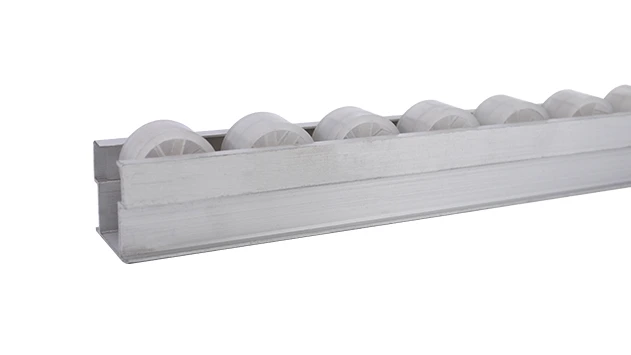
Mini aluminum roller track black for modular system, lean solution.Durable and smooth-running modular roller rails. The system is fully assembled. The roller rail profile contains plastic rollers mounted on steel axles.
Walk through any efficient production line—whether it's churning out 3C devices, medical equipment, or automotive parts—and you'll spot a quiet workhorse: the 38 Aluminum Roller Track White. It's not just metal and rollers; it's a cornerstone of lean manufacturing that cuts waste, speeds up workflows, and adapts to shifting needs. Let's unpack what makes this track special, how it fits into real-world operations, and why it's become a staple for teams that prioritize efficiency and flexibility.
What Makes 38 Aluminum Roller Track White Stand Out?
First, let's get the basics straight: this track is a linear system made from high-grade aluminum extrusion profile, with white-finished rollers and a robust frame. The "38" refers to its 38mm width— a standard size in lean systems that plays nicely with components like aluminum guide rail A and roller track placon mount for rail connection. Beyond dimensions, here are the features that set it apart:
1. Premium Aluminum Build: Unlike plastic or steel alternatives, aluminum lean pipe-based tracks are lightweight yet tough. They resist corrosion, skip rusting, and handle heavy loads without bending—ideal for busy factories. The white finish isn't just aesthetic; it reflects light to brighten work areas and makes dirt or defects easy to spot. This is a game-changer for industries like medical device manufacturing where cleanliness is non-negotiable.
2. Smooth, Low-Friction Rollers: The white rollers (made from high-quality plastic or nylon) glide with minimal resistance. This means parts move effortlessly along the track, reducing manual pushing and worker fatigue. Whether you're moving small circuit boards or larger assembly components, jams and delays become rare.
3. Seamless Compatibility: This track works like a team player with roller track accessories—think placon mounts for center support, grey or white guide rails, and even 0.5-inch swivel roller balls. This compatibility lets you build custom setups without starting from scratch every time your line changes.
4. Easy Setup & Maintenance: You don't need an engineering degree to install this track. Most parts click or bolt together with simple tools. Maintenance is minimal too—wipe it down occasionally, and replace rollers only if they get damaged (which is rare). This saves time and money long-term.
Core Applications in Lean Manufacturing
The 38 Aluminum Roller Track White isn't a one-trick pony. It's used across every stage of production and material handling. Let's break down its most common uses:
1. Production Assembly Lines
In production assemble lines—especially for 3C devices like smartphones or tablets—this track shines. Imagine a line where each station builds a part of the device: the track carries partially assembled units from soldering to testing to packaging. Smooth rollers keep the line moving at a steady pace, so workers don't wait for parts or rush to keep up. For example, a 3C plant might see a 25% boost in line speed after switching to this track, just because parts flow better.
2. Flow Racks & Material Storage
Flow racks are lean staples—they store materials for easy access and reduce waste. This track is often used to build flow racks where parts slide to the front as they're used (following first-in, first-out principles). A Material Rack B (3 rows, 3 floors) might use this track to hold small components like screws or connectors, letting workers grab what they need without searching.
3. Lean Pipe Workbenches
Lean pipe workbenches are the heart of many lines, and this track fits right in. Attach it to the side or front of a Workbench E (single deck, no casters) to create a mini conveyor for parts. Workers can pass finished items to the next station without standing up—saving time and keeping the area organized.
4. Turnover Trolleys & Racks
Turnover trolleys move materials between factory areas, and adding this track makes loading/unloading a breeze. A Hand Trolley A with this track lets you slide boxes or components onto the trolley without lifting heavy items—reducing injury risk and speeding up material handling.
5. Custom Lean Solutions
Every factory has unique needs, and this track adapts to custom lean solutions. Whether you're building a flexible line for medical devices or a specialized storage system for automotive parts, it fits. For example, a manufacturer might use it to create a curved conveyor that navigates factory obstacles, or a multi-level workstation where parts move between heights. Its compatibility with other components makes endless setups possible.

Key Benefits for Manufacturers
Why choose this track over others? Let's look at the tangible gains it brings:
1. Enhanced Efficiency & Flow
Lean manufacturing is about cutting waste and improving flow—and this track does both. Smooth rollers reduce manual effort, so workers focus on tasks instead of moving parts. This leads to faster production and higher output. A factory using this track might see a 20% increase in line speed just from better part flow.
2. Durability & Sustainability
Aluminum is 100% recyclable and reusable. This track is built to last, so you won't replace it often—saving money and reducing your environmental footprint. Unlike plastic tracks that break or steel tracks that rust, this aluminum track stands the test of time.
3. Flexibility & Adaptability
In fast-paced manufacturing, flexibility is key. This track reconfigures quickly: disconnect it, move it, and reattach it with roller track accessories to fit new lines or changing needs. When you launch a new product, you don't need new equipment—just adjust the track. This adaptability saves weeks of setup time.
4. Cleanliness & Aesthetics
The white finish makes dirt/dust easy to spot—critical for medical or 3C industries where small particles affect quality. It also brightens work areas, boosting worker morale and productivity.
5. Cost-Effectiveness
While initial costs might be higher than plastic, it's a smart long-term investment. Durability means fewer replacements, and low maintenance saves time/money. Reusing parts from old setups (thanks to compatibility) cuts costs further.

Compatibility with Lean Components
Here's a table of common compatible components and their uses with the 38 Aluminum Roller Track White:
| Component Name | Use Case |
|---|---|
| Aluminum Guide Rail A | Attaches to track sides to prevent parts from falling off—ideal for production lines. |
| Roller Track Placon Mount for Rail Connection | Joins multiple track sections to create longer lines. |
| Roller Track Placon Mount Center Support Bracket | Supports long track sections to avoid sagging under heavy loads. |
| Swivel Roller Balls (0.5 inch) | Adds rotation to track setups, letting parts change direction easily. |
| Plastic Roller Track Guide Rail Grey | Budget-friendly alternative to aluminum guide rails for lighter loads. |
Case Study: 3C Assembly Plant Boosts Efficiency
A Shenzhen-based 3C assembly plant struggled with slow lines and frequent bottlenecks. Their old plastic tracks jammed often, forcing workers to push parts manually. They switched to the 38 Aluminum Roller Track White, plus aluminum lean pipe and roller track accessories.
Immediate improvements followed:
- Production line speed increased by 25% (no more jams).
- Worker fatigue dropped (no more pushing heavy parts).
- Product errors fell by15% (white finish made defects easy to spot).
- Reconfiguring lines for new products took weeks less (thanks to compatibility).
The plant manager noted: "This track wasn't just an upgrade—it transformed our operations. Lines run smoother, workers are happier, and we adapt faster than ever. It's one of our best lean investments."
Choosing the Right Supplier
To get the most out of this track, pick a reliable supplier. Look for:
1. Quality Materials: Ensure they use high-grade aluminum extrusion profile and durable rollers. Ask for samples to test.
2. Customization: They should offer custom lengths, finishes, or setups to fit your needs.
3. Compatibility: Their track should work with your existing lean components (guide rails, placon mounts, etc.).
4. After-Sales Support: Look for installation guidance and maintenance tips to keep your track running smoothly.
Conclusion
The 38 Aluminum Roller Track White isn't just equipment—it's a key part of a successful lean system. Its durability, flexibility, and compatibility make it ideal for production lines, flow racks, workbenches, and custom solutions. By choosing this track, you boost efficiency, reduce waste, and adapt quickly to change. Whether you're a small factory or a large manufacturer, it's a smart investment that keeps you competitive in today's fast-paced manufacturing world.