- Company Articles
- Products and Technology
- Solution
- 38 Aluminum Roller Track White in Small-Scale Manufacturing: Cost-Effective Solutions

38 Aluminum Roller Track White in Small-Scale Manufacturing: Cost-Effective Solutions
Related Product
38 Aluminum Roller Track White
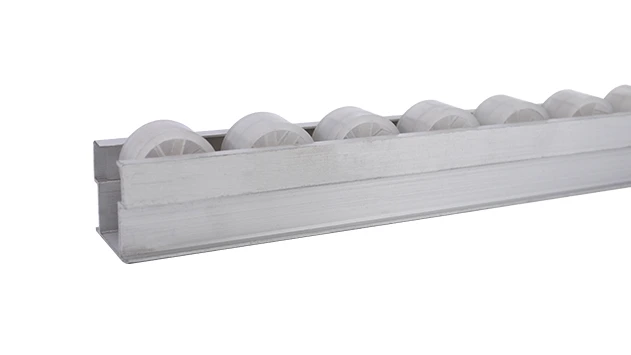
Mini aluminum roller track black for modular system, lean solution.Durable and smooth-running modular roller rails. The system is fully assembled. The roller rail profile contains plastic rollers mounted on steel axles.
38 Aluminum Roller Track White in Small-Scale Manufacturing: Cost-Effective Solutions
If you're running a small manufacturing shop or a local assembly line, you know how every minute and every dollar counts. Rigid production setups that take weeks to adjust, expensive equipment that sits unused half the time, and clunky material handling processes that slow down your team—these are the daily headaches that can make or break a small business. But what if there was a simple, affordable tool that could fix most of these issues? Enter the 38 Aluminum Roller Track White: a quiet hero of lean manufacturing that's changing the game for small-scale operations everywhere.
What Exactly Is the 38 Aluminum Roller Track White?
Let's start with the basics. The 38 Aluminum Roller Track White is a lightweight yet durable component designed to move materials smoothly from one point to another. Made from high-quality aluminum with a clean white finish, it's built to resist corrosion and stand up to daily wear and tear. The 38mm width (hence the name) makes it perfect for handling small to medium-sized parts—think electronic components, medical device parts, or even small packaging boxes.
But it's not just about moving things. This roller track is part of the lean manufacturing ecosystem, meaning it's designed to work seamlessly with other lean tools. Each track comes with easy-to-use connectors that let you link it to shelves, workbenches, or other tracks without any welding or special tools. And since it's white, it's easy to keep clean—critical for industries like medical device manufacturing where hygiene matters.
Key features of this roller track include:
- Smooth, low-friction rollers that reduce material damage and effort.
- White anodized finish for corrosion resistance and easy cleaning.
- Compatible with standard lean connectors for quick assembly.
- Lightweight design that's easy to transport and install.
- Adjustable length (can be cut to fit your exact space needs).
- Smooth, low-friction rollers that reduce material damage and effort.
- White anodized finish for corrosion resistance and easy cleaning.
- Compatible with standard lean connectors for quick assembly.
- Lightweight design that's easy to transport and install.
- Adjustable length (can be cut to fit your exact space needs).
Why This Roller Track Is a Game-Changer for Small Businesses
Small-scale operations don't have the luxury of big budgets or large teams to manage complex equipment. That's why the 38 Aluminum Roller Track White is such a fit. Let's break down the key reasons:
1. Cost-Effectiveness That Fits Your Budget
Unlike heavy steel tracks or automated conveyor systems that cost thousands, this aluminum track is affordable for small businesses. A 2-meter section typically costs less than $100, and connectors are even cheaper. But the real savings come from its reusability. If you rearrange your shop floor next month, you can take the track apart and reassemble it elsewhere—no need to buy new parts. Over time, this cuts down on waste and keeps your long-term costs low.
Unlike heavy steel tracks or automated conveyor systems that cost thousands, this aluminum track is affordable for small businesses. A 2-meter section typically costs less than $100, and connectors are even cheaper. But the real savings come from its reusability. If you rearrange your shop floor next month, you can take the track apart and reassemble it elsewhere—no need to buy new parts. Over time, this cuts down on waste and keeps your long-term costs low.
2. Flexibility to Adapt Fast
Small businesses need to pivot quickly. Maybe you get a new order for a different product line, or you want to rearrange your assembly stations to reduce walking time. With the 38 Aluminum Roller Track White, you can make these changes in hours, not days. The connectors snap into place, and you can cut the track to length with a simple saw if needed. No more waiting for a welder or a technician—your team can do it themselves.
Small businesses need to pivot quickly. Maybe you get a new order for a different product line, or you want to rearrange your assembly stations to reduce walking time. With the 38 Aluminum Roller Track White, you can make these changes in hours, not days. The connectors snap into place, and you can cut the track to length with a simple saw if needed. No more waiting for a welder or a technician—your team can do it themselves.
3. Space Efficiency for Tight Areas
Most small shops don't have acres of floor space. This roller track is slim and compact, so it fits into tight corners or between workstations where larger systems can't go. For example, if you have a small picking station in your warehouse, you can install a short section of this track to slide boxes directly to your packing table—no more carrying them across the room.
Most small shops don't have acres of floor space. This roller track is slim and compact, so it fits into tight corners or between workstations where larger systems can't go. For example, if you have a small picking station in your warehouse, you can install a short section of this track to slide boxes directly to your packing table—no more carrying them across the room.
4. Smooth, Quiet Operation
Nothing is more distracting than a noisy factory floor. This roller track uses high-quality bearings that let parts glide silently. Your team can focus on their work without the constant clatter of heavy machinery, which boosts productivity and morale.
Nothing is more distracting than a noisy factory floor. This roller track uses high-quality bearings that let parts glide silently. Your team can focus on their work without the constant clatter of heavy machinery, which boosts productivity and morale.
5. Compatibility With Lean Manufacturing Principles
Lean manufacturing is all about eliminating waste and continuous improvement. This roller track aligns perfectly with those principles: it reduces material handling waste, allows for continuous workflow adjustments, and supports FIFO (First-In-First-Out) inventory management—critical for keeping your production line efficient.
Lean manufacturing is all about eliminating waste and continuous improvement. This roller track aligns perfectly with those principles: it reduces material handling waste, allows for continuous workflow adjustments, and supports FIFO (First-In-First-Out) inventory management—critical for keeping your production line efficient.
Real-World Applications in Small-Scale Settings
Case 1: Small 3C Assembly Line in Guangzhou
A local electronics shop in Guangzhou specializes in assembling custom phone chargers. Before using the 38 Aluminum Roller Track White, their team had to carry bins of circuit boards from the storage shelf to the assembly workbench—back and forth, dozens of times a day. This not only wasted time but also increased the risk of dropping and damaging parts.
Then they installed a short section of the 38 Aluminum Roller Track White from their storage shelf to their lean pipe workbench. Now, bins of circuit boards slide smoothly to the assembly station without any lifting. The team's walking time decreased by 25%, and the number of damaged parts dropped to almost zero. Best of all, they spent less than $200 on the track and connectors—money that was back in their pocket in just two weeks.
Case 2: Medical Device Parts Handling in Shenzhen
A small medical device manufacturer in Shenzhen makes components for blood pressure monitors. Their biggest challenge was moving small plastic parts from the molding machine to the inspection station without contaminating them. They tried using plastic bins, but the parts would scratch or get dusty during transport.
The solution? The 38 Aluminum Roller Track White with a clean white finish. They installed a track from the molding machine to the inspection table, and used small plastic trays to hold the parts. The smooth rollers ensured no scratches, and the white finish made it easy to spot any dust or debris. Plus, since the track is corrosion-resistant, it's safe to clean with disinfectants—critical for medical device manufacturing. The team's inspection time decreased by 15%, and they passed their next quality audit with flying colors.
Case 3: Warehouse Picking Station in Dongguan
A local warehouse in Dongguan handles small electronics parts for online sellers. Their picking station was a mess: workers had to reach for parts on high shelves, then carry them to the packing table. This led to frequent back pain and slow order fulfillment.
They decided to install the 38 Aluminum Roller Track White along with a flow rack. The flow rack held the parts in bins that slid down the track to the picking area—no more reaching or carrying. The white track made it easy to see which bins were empty, so workers could restock quickly. The result? Order fulfillment time went from 10 minutes per order to 5 minutes, and the number of worker complaints about back pain dropped to zero.
Integrating With Other Lean Tools for Maximum Impact
The real power of the 38 Aluminum Roller Track White comes from how well it works with other lean components. Let's look at some common integrations that small businesses use to create a full lean solution:
| Lean Component | How It Works With the Roller Track | Key Benefits |
|---|---|---|
| Flow Rack | The roller track is used as the sliding surface in flow racks, allowing bins to move forward as items are picked. | FIFO inventory management, reduced picking time, better space utilization. |
| Lean Pipe Workbench | Attach the roller track to the side or end of a lean pipe workbench to move parts directly to the assembly area. | Eliminates manual carrying, reduces WIP inventory, speeds up assembly. |
| Conveyor | Link the roller track to a small conveyor to extend material flow across longer distances. | Seamless movement between stations, reduced labor costs, consistent flow. |
| Turnover Trolley | Install the track on a trolley to move parts between departments without lifting. | Easy transport of heavy bins, reduced injury risk, faster transfer. |
For example, a small 3C assembly line might use the roller track in a flow rack to hold components, then link it to a lean pipe workbench where workers assemble products. Finished items then slide down another track to a conveyor that takes them to packaging. This entire setup is flexible—if the assembly process changes, you can rearrange the track, workbench, and conveyor in hours.
Step-by-Step Guide to Implementing the Roller Track
Implementing the 38 Aluminum Roller Track White in your small manufacturing facility is easy. Here's a step-by-step guide to get you started:
1. Assess Your Material Handling Needs
First, figure out what you need to move. What's the size and weight of your parts? How many parts do you move per hour? Where do they need to go? For example, if you're moving small electronic components from storage to assembly, a short track (1-2 meters) will suffice. If you're moving larger boxes, you might need a wider track, but the 38mm version works for most small parts.
First, figure out what you need to move. What's the size and weight of your parts? How many parts do you move per hour? Where do they need to go? For example, if you're moving small electronic components from storage to assembly, a short track (1-2 meters) will suffice. If you're moving larger boxes, you might need a wider track, but the 38mm version works for most small parts.
2. Measure Your Space
Next, measure the area where you want to install the track. Use a tape measure to get the exact length and width of the path. Remember to leave some extra space for connectors and adjustments. For example, if your path is 1.8 meters long, buy a 2-meter track—you can cut off the extra 20cm with a saw.
Next, measure the area where you want to install the track. Use a tape measure to get the exact length and width of the path. Remember to leave some extra space for connectors and adjustments. For example, if your path is 1.8 meters long, buy a 2-meter track—you can cut off the extra 20cm with a saw.
3. Choose the Right Connectors
Connectors are critical for linking the track to other components. Common connectors include end stops (to prevent bins from falling off), corner connectors (to change direction), and mounting brackets (to attach the track to shelves or workbenches). Pick connectors that match your setup—for example, if you're attaching the track to a lean pipe workbench, use a pipe clamp connector.
Connectors are critical for linking the track to other components. Common connectors include end stops (to prevent bins from falling off), corner connectors (to change direction), and mounting brackets (to attach the track to shelves or workbenches). Pick connectors that match your setup—for example, if you're attaching the track to a lean pipe workbench, use a pipe clamp connector.
4. Install the Track
Now it's time to install. Start by attaching the mounting brackets to your surface (shelf, workbench, or wall). Then, slide the track into the brackets and secure it with screws. If you're linking multiple tracks, use corner or straight connectors to join them. No welding or special tools are needed—just a screwdriver and a saw (if cutting the track).
Now it's time to install. Start by attaching the mounting brackets to your surface (shelf, workbench, or wall). Then, slide the track into the brackets and secure it with screws. If you're linking multiple tracks, use corner or straight connectors to join them. No welding or special tools are needed—just a screwdriver and a saw (if cutting the track).
5. Test and Adjust
Once installed, test the track with your parts. Are they sliding smoothly? Do they stop at the right place? If not, adjust the angle of the track (slightly tilt it downward for faster flow) or add end stops. Remember, lean manufacturing is about continuous improvement—don't be afraid to make changes until it works perfectly.
Once installed, test the track with your parts. Are they sliding smoothly? Do they stop at the right place? If not, adjust the angle of the track (slightly tilt it downward for faster flow) or add end stops. Remember, lean manufacturing is about continuous improvement—don't be afraid to make changes until it works perfectly.
6. Train Your Team
Finally, train your team on how to use the track. Show them how to load bins, adjust the track, and clean the rollers. A 15-minute training session is usually enough—this track is intuitive to use.
Finally, train your team on how to use the track. Show them how to load bins, adjust the track, and clean the rollers. A 15-minute training session is usually enough—this track is intuitive to use.
Cost-Benefit Analysis for Small Businesses
Let's do a quick cost-benefit analysis to see how the 38 Aluminum Roller Track White pays off for small businesses. Suppose you run a small assembly line and spend $500 on the track and connectors. Here's what you can expect:
Initial Cost:
$500 (includes 5 meters of track, connectors, and mounting brackets).
Monthly Savings:
- Labor: $200 (reduced walking time for 2 workers, 1 hour per day).
- Material Damage: $50 (fewer broken parts).
- Space Utilization: $30 (more efficient use of your shop floor, allowing you to take on more orders).
- Labor: $200 (reduced walking time for 2 workers, 1 hour per day).
- Material Damage: $50 (fewer broken parts).
- Space Utilization: $30 (more efficient use of your shop floor, allowing you to take on more orders).
Total Monthly Savings:
$280.
Payback Period:
$500 / $280 ≈ 1.8 months. That means you'll recoup your investment in less than 2 months. After that, every dollar saved is profit.
For example, a small electronics shop in Guangzhou recouped their $450 investment in just 1.5 months. They now use the track in three different areas of their shop and save over $300 per month.
Common Mistakes to Avoid
While the 38 Aluminum Roller Track White is easy to use, there are some common mistakes small businesses make. Here's what to watch out for:
1. Buying the Wrong Size Track
Don't guess the size—measure your space first. If you buy a track that's too long, you'll have to cut it (which is easy, but wastes time). If it's too short, you'll have to buy another track (which wastes money). Always measure twice and buy once.
Don't guess the size—measure your space first. If you buy a track that's too long, you'll have to cut it (which is easy, but wastes time). If it's too short, you'll have to buy another track (which wastes money). Always measure twice and buy once.
2. Overloading the Track
The 38 Aluminum Roller Track White can handle up to 50kg per meter, but don't push it. If you overload the track, the rollers will wear out faster, and parts will slide slowly. Stick to the weight limit for your parts.
The 38 Aluminum Roller Track White can handle up to 50kg per meter, but don't push it. If you overload the track, the rollers will wear out faster, and parts will slide slowly. Stick to the weight limit for your parts.
3. Ignoring Maintenance
Clean the rollers regularly to remove dust and debris. If the rollers get dirty, parts will slide less smoothly. A quick wipe with a damp cloth once a week is enough to keep the track in good shape.
Clean the rollers regularly to remove dust and debris. If the rollers get dirty, parts will slide less smoothly. A quick wipe with a damp cloth once a week is enough to keep the track in good shape.
4. Forgetting End Stops
End stops are small but critical. They prevent bins from falling off the track and damaging parts. Always install end stops at the end of your track—even if you think your team will be careful.
End stops are small but critical. They prevent bins from falling off the track and damaging parts. Always install end stops at the end of your track—even if you think your team will be careful.
Conclusion
The 38 Aluminum Roller Track White is more than just a tool—it's a gateway to lean manufacturing for small businesses. It's affordable, flexible, and easy to use, making it perfect for small-scale operations that need to save time and money. Whether you're assembling electronics, handling medical parts, or picking orders in a warehouse, this track can help you streamline your workflow and boost productivity.
If you're tired of rigid, expensive material handling systems, give the 38 Aluminum Roller Track White a try. It's a small investment that can yield big returns—recouping your money in just a few months and helping your business grow. Remember, lean manufacturing isn't just for big companies—it's for anyone who wants to work smarter, not harder.