- Company Articles
- Products and Technology
- Procurement Guidelines
- 38 Aluminum Roller Track White Price Guide: Factors Affecting Cost

38 Aluminum Roller Track White Price Guide: Factors Affecting Cost
Related Product
38 Aluminum Roller Track White
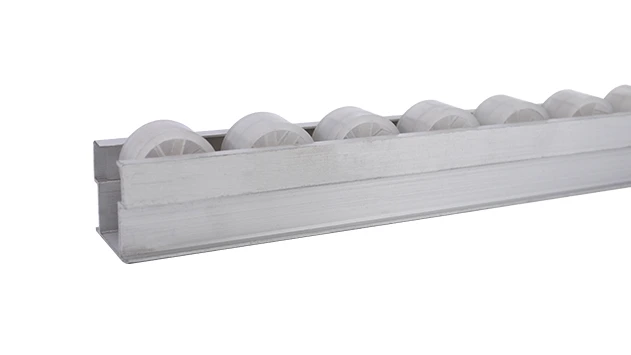
Mini aluminum roller track black for modular system, lean solution.Durable and smooth-running modular roller rails. The system is fully assembled. The roller rail profile contains plastic rollers mounted on steel axles.
38 Aluminum Roller Track White Price Guide: Factors Affecting Cost
If you've ever walked a factory floor where parts glide smoothly from one station to the next, or a warehouse where bins of components slide easily onto shelves, chances are you've seen the 38 aluminum roller track white in action. This unassuming component is a workhorse in lean manufacturing systems, helping teams reduce waste, speed up production, and keep operations running like clockwork. But when it comes to buying it, how do you know you're getting a fair price? Let's dive into the key factors that shape the cost of this essential tool, and how to make the best choice for your needs.
What Is 38 Aluminum Roller Track White?
Before we talk about price, let's get clear on what this product actually is. The 38 aluminum roller track white refers to a track system made from aluminum profiles (typically 6063-T5, a common grade for industrial use) with a white finish. The "38" usually denotes the width of the track (38mm), which is a standard size for handling small to medium-sized bins and parts. The white finish isn't just for looks—it's often chosen for cleanroom environments (like medical device manufacturing) or areas where hygiene is a priority, as it resists stains and is easy to clean.
The track features small rollers spaced evenly along its length. These rollers let items slide with minimal friction, so workers don't have to lift heavy bins or parts. It's durable, corrosion-resistant (thanks to aluminum), and designed to withstand the wear and tear of daily industrial use. Common applications include:
Flow racks for parts storage in assembly lines
Conveyor systems for moving components between workstations
Lean pipe workstations where parts need to be accessed quickly
ESD workstations (if the track has an anti-static coating—though the white variant may or may not be ESD-rated, depending on customization)
Key Factors Affecting the Price of 38 Aluminum Roller Track White
The cost of 38 aluminum roller track white isn't one-size-fits-all. Several variables play into the final price tag, and understanding them will help you budget effectively and avoid overpaying. Let's break down each factor:
1. Material Quality
The quality of the materials used is one of the biggest drivers of price. Here's what to look for:
Aluminum Profile Grade:
Higher-grade aluminum (like 6063-T5) is stronger, more durable, and resistant to bending—perfect for heavy loads. Cheaper grades may save you money upfront but can warp or break under stress, leading to costly replacements later.
Roller Material:
Rollers can be made from plastic (cheaper) or metal (more expensive). Metal rollers are better for heavy loads, while plastic rollers are quieter and work well for lighter items. Bearings inside the rollers also matter—sealed bearings cost more but last longer and require less maintenance.
Finish:
The white finish itself adds a small cost compared to uncoated aluminum. If you need an ESD (anti-static) coating, that will push the price up further, as it requires special treatment to prevent static buildup (critical for 3C assembly or electronic manufacturing).
2. Specifications
The exact specs of the track you need will also impact cost:
Length:
Standard lengths (like 1m or 2m) are cheaper than custom-cut lengths. If you need a track that's 1.7m long, for example, the supplier will have to cut it from a longer piece, which adds labor and material waste costs.
Roller Spacing:
Rollers spaced closer together (say, 50mm apart) can support smaller, lighter parts but cost more because there are more rollers per meter. Wider spacing (100mm) is cheaper but only works for larger items.
Load Capacity:
Tracks designed to hold heavier loads (100kg+ per meter) need thicker aluminum profiles and stronger rollers. This increases the material cost, so expect to pay more for high-capacity options.
3. Customization
If your project requires something outside the standard, customization will add to the price. Common customizations include:
Cutting the track to a specific length
Adding holes or slots for mounting (like roller track placon mount connectors)
Including end stops to prevent bins from sliding off the track
Integrating guide rails (like plastic roller track guide rail yellow or grey) to keep bins aligned
While customization costs more, it's often worth it—because a track that fits your exact setup will work better and last longer than a one-size-fits-all option. For example, if you're building a flow rack for your warehouse, customizing the track length to fit your shelf dimensions will maximize space and efficiency.
4. Order Quantity & Supplier Type
How much you buy, and who you buy from, makes a big difference in price:
Wholesale vs. Retail:
Buying in bulk (100+ pieces) from a direct supplier (like a lean pipe supplier) will get you a much lower per-unit price than buying a single piece from a retail store. Suppliers often offer volume discounts because they can produce or source larger quantities at a lower cost.
Direct Supplier vs. Middleman:
Purchasing directly from a manufacturer or specialized supplier (instead of a general industrial store) cuts out the middleman markup. For example, suppliers that focus on lean system products (like szsunqit.com) often have better prices for roller tracks because it's part of their core business.
5. Additional Accessories
The track itself is just one part of the system. If you need accessories to install or use it, those will add to the total cost. Common accessories include:
Mounting brackets (like roller track placon mount for aluminum profile)
End stops to keep items in place
Guide rails to align bins
Casters (if you're building a mobile track system)
For example, a standard track without any accessories might cost $10 per meter, but adding end stops and guide rails could push that up to $15 per meter. It's important to factor these into your budget when planning your purchase.
Price Comparison Table
To give you a better idea of what to expect, here's a comparison of different scenarios for 38 aluminum roller track white:
| Scenario | Length | Load Capacity | Accessories Included | Unit Price (USD) | Notes |
|---|---|---|---|---|---|
| Standard Retail (Single Piece) | 1m | 50kg/m | None | $12.00 | Good for small projects or testing |
| Wholesale Bulk (100 Pieces) | 1m | 50kg/m | None | $8.50 | Best for large-scale production lines |
| Custom Length (1.5m) | 1.5m | 75kg/m | End stops | $18.00 | Fits custom shelf dimensions |
| ESD Variant | 1m | 50kg/m | Guide rails (grey) | $16.00 | Ideal for 3C assembly or electronic manufacturing |
| Flow Rack Integration | 2m | 100kg/m | Mounting brackets + end stops | $25.00 | Ready to install in a flow rack system |
Note: These prices are estimates based on current market trends. Actual prices may vary depending on the supplier and location.
How to Choose the Right 38 Aluminum Roller Track White for Your Needs
Now that you know what affects the price, how do you pick the right track? Here are a few questions to ask yourself:
1. What's Your Application?
Are you using the track in a flow rack for warehouse storage? A conveyor line for production assemble? An ESD workstation for electronic parts? Each use case has different requirements. For example, if you're using it in a conveyor system, you'll need a track with high load capacity and durable rollers. If it's for an ESD workstation, you'll need an anti-static variant to protect sensitive components.
2. What's Your Load Capacity?
Be honest about how much weight the track will need to support. Overloading a track can lead to bending or breaking, which is a safety hazard and a waste of money. If you're unsure, go for a higher capacity than you think you need—it's better to be safe than sorry.
3. Do You Need Customization?
If your setup is non-standard, don't settle for a standard track. Customization will cost more upfront, but it will save you time and frustration later. For example, if you're building a lean pipe workstation, a custom-cut track that fits your desk dimensions will make the workstation more efficient and comfortable to use.
4. Are You Buying in Bulk?
If you need multiple tracks, buying wholesale is the way to go. Even if you don't need all the tracks right now, stocking up can save you money in the long run—especially if you know you'll need more in the future.
Where to Buy 38 Aluminum Roller Track White
When it comes to purchasing this track, look for suppliers that specialize in lean manufacturing components. These suppliers have the expertise to help you choose the right product and offer competitive prices. Some things to look for in a supplier:
A wide range of lean system products (like flow racks, conveyors, and lean pipe accessories)
Customization options (cutting, drilling, coating)
Volume discounts for wholesale purchases
Positive reviews from other industrial customers
Suppliers like szsunqit.com (a leading lean pipe supplier) offer a variety of roller tracks, including the 38 aluminum roller track white, along with all the accessories you need to install and use it. They also provide custom solutions for specific industries, like medical device manufacturing or 3C assembly, so you can get a track that's tailored to your exact needs.
Conclusion
The 38 aluminum roller track white is a small but essential component in lean manufacturing systems. Its price is shaped by factors like material quality, specifications, customization, order quantity, and accessories. By understanding these factors, you can make an informed decision that balances cost and value. Whether you're buying a single track for a small project or hundreds for a large production line, taking the time to choose the right product will help you keep your operations running smoothly and efficiently.
Remember: The cheapest option isn't always the best. A high-quality track that fits your needs will last longer, require less maintenance, and help you save money in the long run. So next time you're shopping for this component, keep these factors in mind—and you'll be sure to get a fair price for a product that works for you.