- Company Articles
- Products and Technology
- Product knowledge
- 38 Aluminum Roller Track White vs. Black: Which Suits Your Production Line?

38 Aluminum Roller Track White vs. Black: Which Suits Your Production Line?
Related Product
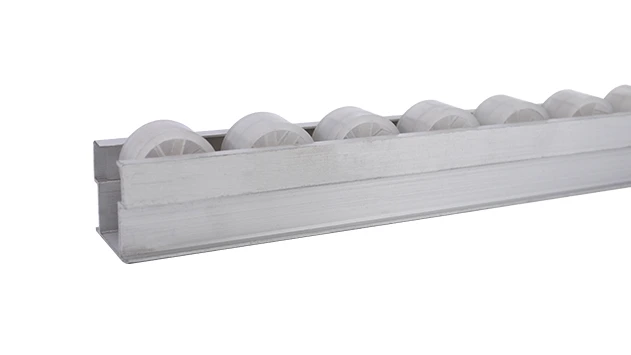
38 Aluminum Roller Track White
Mini aluminum roller track black for modular system, lean solution.Durable and smooth-running modular roller rails. The system is fully assembled. The roller rail profile contains plastic rollers mounted on steel axles.
Ever stood by a production line and watched parts glide smoothly from one station to the next? That seamless flow often comes down to small but crucial components—like roller tracks. For manufacturers looking to boost efficiency and keep things running without hiccups, choosing the right roller track is key. Today, we're diving into two popular options: the 38 aluminum roller track in white and black. Which one fits your line better? Let's break it down, no jargon, just straight talk about what works where.
What Are 38 Aluminum Roller Tracks?
First, let's get the basics out of the way. A 38 aluminum roller track is exactly what it sounds like: a track made of aluminum, with rollers spaced evenly along its length, designed to help materials slide easily. The 38mm size is a common standard in many industries, making it versatile enough to fit into flow racks, conveyors, and even custom lean solutions. These tracks are built to last—aluminum is lightweight but strong, resisting rust and wear over time. Whether you're moving small parts or heavier components, a well-chosen roller track can cut down on manual effort and speed up your entire process.
Think about a lean pipe workstation where parts need to move from a storage area to the worker's desk. Adding a roller track here eliminates the need to lift and carry items, reducing fatigue and increasing productivity. In a warehouse, flow racks equipped with these tracks let boxes slide forward as others are taken, ensuring easy access and minimizing wasted space. Conveyors use them to move products between stations, keeping the line moving without interruptions. Simply put, roller tracks are the unsung heroes of a smooth-running production line.
White 38 Aluminum Roller Track: Features & Best Uses
Let's start with the white 38 aluminum roller track. This option is a favorite in many general manufacturing settings for a few good reasons. First off, its bright white color gives your production line a clean, professional look. It's also easy to spot any dirt or debris that might slow down rollers—so maintenance becomes a breeze. Since it's non-ESD (meaning it doesn't have anti-static properties), it's perfect for industries where static electricity isn't a concern, like automotive parts assembly or general warehousing.
Take a flow rack in a warehouse storing plastic components for household appliances. White tracks here keep things visible and functional. Workers can quickly glance at the track and see if any dust or small pieces are blocking the rollers, allowing them to fix the issue before it causes a delay. This kind of proactive maintenance is key to keeping a lean solution running smoothly. Plus, white tracks are often more budget-friendly compared to their black counterparts, making them a great choice if you're looking for value without sacrificing quality.
Another advantage of white tracks is their versatility. They fit into almost any production environment without clashing with existing equipment. Whether you're setting up a new conveyor system or upgrading an old flow rack, white 38 aluminum roller tracks blend in seamlessly. They're also lightweight, so installation is quick and easy—no heavy lifting required. For manufacturers who prioritize efficiency and cost-effectiveness, white tracks are a no-brainer.

Black 38 Aluminum Roller Track: ESD Protection & Applications
Now, the black 38 aluminum roller track. This one's a game-changer for industries where static can wreak havoc—like 3C assembly (think phones, laptops) or medical device manufacturing. Why? Because black tracks are typically ESD-protected. That means they dissipate static electricity, preventing it from damaging sensitive electronic components. If you're running an esd workstation, these tracks are a must-have to keep your products safe.
Let's say you're a manufacturer of wireless earbuds. Every component, from the tiny circuit boards to the battery, is sensitive to static. A single spark could ruin an entire batch, leading to costly delays and wasted materials. By using black 38 aluminum roller tracks on your conveyors and esd workstations, you're adding an extra layer of protection. The anti-static coating on the tracks ensures that any static buildup is safely channeled away, keeping your components intact.
Beyond ESD protection, black tracks have a sleek, industrial look that many manufacturers prefer. They also hide minor scuffs and marks better than white, so they stay looking good even with heavy use. Whether you're integrating them into a conveyor system or a custom lean solution for your production line, black tracks are built to handle the demands of ESD-sensitive environments. They're also durable—aluminum resists corrosion, so they'll last for years even in high-use areas.
One thing to note about black tracks is that they require periodic checks to ensure their ESD properties are still effective. Most suppliers recommend testing the tracks every few months to make sure they're dissipating static properly. This small maintenance step is well worth it to avoid costly damage to sensitive components. For manufacturers in industries where ESD protection is non-negotiable, black 38 aluminum roller tracks are an investment that pays off in the long run.

White vs. Black: A Side-by-Side Comparison
| Feature | White 38 Aluminum Roller Track | Black 38 Aluminum Roller Track |
|---|---|---|
| ESD Protection | No (non-ESD) | Yes (anti-static coating) |
| Ideal Industries | Automotive, general manufacturing, warehousing, appliance assembly | 3C assembly, medical device manufacturing, consumer electronics, ESD-sensitive environments |
| Visual Appeal | Bright, clean look; easy to spot debris | Sleek industrial look; hides scuffs and marks well |
| Maintenance | Easy (debris visible; no special checks needed) | Low (scuffs less noticeable; periodic ESD property checks required) |
| Cost | More budget-friendly | Slightly higher (due to ESD coating) |
| Common Use Cases | Flow racks for non-sensitive parts, general conveyors, lean pipe workstations (non-ESD) | ESD workstations, 3C assembly lines, medical device production conveyors, ESD flow racks |
| Weight Capacity | Same as black (depends on track thickness; typically 50-100kg per meter) | Same as white (depends on track thickness; typically 50-100kg per meter) |
| Durability | High (aluminum construction resists rust and wear) | High (aluminum construction + ESD coating for added protection) |
How to Pick the Perfect Roller Track for Your Line
So, how do you decide between white and black? Let's ask a few simple questions:
- Does your industry require ESD protection? If you're working with electronics, medical devices, or any component that can be damaged by static, go black. No question.
- What's your main use case? If it's a flow rack in a warehouse with non-sensitive items, white is your best bet. For an esd workstation or a conveyor moving phone parts, black wins.
- Budget considerations? White tracks are often cheaper, so if ESD isn't needed, save some cash without losing quality.
- Aesthetic preferences? Some teams love the clean white look; others prefer the industrial black. It's a small point, but it can make your line feel more organized and professional.
- Maintenance needs? If you want to spot debris quickly and keep maintenance simple, white is better. If you don't mind periodic ESD checks and prefer a track that hides wear, black is the way to go.
Remember, the goal is to support your lean solution—so whatever you choose should fit into your overall efficiency goals. Don't overcomplicate it: match the track to your industry's needs first, then adjust for budget and look. If you're still unsure, many suppliers offer custom advice to help you pick the perfect fit for your specific production line.
Real-World Examples: When to Use Which
Case Study 1: Automotive Parts Manufacturer
A mid-sized automotive parts manufacturer needed to upgrade their flow racks to handle plastic components for car interiors. They chose white 38 aluminum roller tracks for several reasons. First, static wasn't a concern for their non-electronic parts. Second, the bright white color made it easy for workers to spot debris, reducing downtime. Third, the budget-friendly price allowed them to upgrade all their flow racks without breaking the bank. After installation, they noticed a 15% increase in efficiency—workers spent less time fixing jammed tracks and more time assembling parts.
Case Study 2: 3C Assembly Plant
A 3C assembly plant making wireless earbuds faced constant issues with static damage to their circuit boards. They switched to black 38 aluminum roller tracks on their conveyors and esd workstations. The ESD protection eliminated static-related damage, cutting down on wasted materials by 20%. The black color also hid minor scuffs from constant use, keeping their production line looking professional. The plant manager noted that the investment in black tracks paid for itself within six months due to reduced waste and increased productivity.
Case Study 3: Medical Device Manufacturer
A medical device manufacturer producing surgical instruments needed a reliable roller track for their cleanroom environment. They chose black 38 aluminum roller tracks because of their ESD protection and sleek look. The anti-static properties ensured that no static buildup would contaminate sensitive instruments, and the black color blended in with the cleanroom's sterile design. The tracks were easy to install and required minimal maintenance, making them perfect for the high-stakes medical industry.
Final Thoughts
At the end of the day, choosing between white and black 38 aluminum roller tracks boils down to understanding your production line's specific needs. White tracks are great for general use, budget-friendly, and easy to maintain. Black tracks are non-negotiable for ESD-sensitive industries, offering protection that can save you from costly component damage.
Whether you're setting up a new flow rack, upgrading a conveyor, or building a custom lean solution, the right roller track will keep your line moving smoothly. And remember—you don't have to go it alone. Many suppliers offer custom advice to help you pick the perfect fit for your industry, whether it's 3C assembly, medical devices, or general manufacturing.
So next time you're looking at your production line, take a second to check those roller tracks. Are they working as hard as they should? Maybe it's time to swap in a white or black 38 aluminum track to give your efficiency a little boost. After all, the smallest components often make the biggest difference in a lean, well-run production line.