- Company Articles
- Products and Technology
- Product knowledge
- 38 Aluminum Roller Track White vs. Stainless Steel: Corrosion Resistance Comparison

38 Aluminum Roller Track White vs. Stainless Steel: Corrosion Resistance Comparison
Related Product
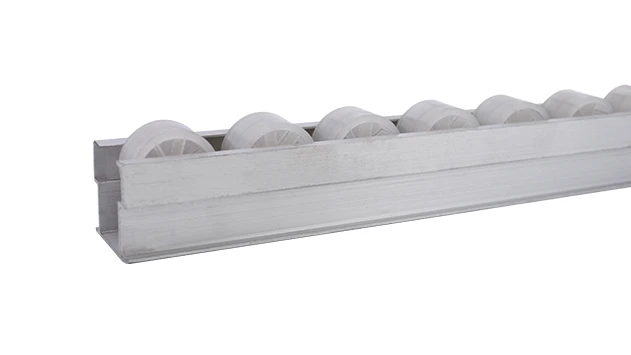
38 Aluminum Roller Track White
Mini aluminum roller track black for modular system, lean solution.Durable and smooth-running modular roller rails. The system is fully assembled. The roller rail profile contains plastic rollers mounted on steel axles.
Introduction
In the fast-paced world of manufacturing and logistics, roller tracks play a pivotal role in ensuring smooth material flow and operational efficiency. Whether used in flow racks, conveyors, or lean workstations, the choice of material for roller tracks directly impacts their performance, durability, and long-term cost-effectiveness. Two popular options in this space are the 38 Aluminum Roller Track White and stainless steel roller tracks from the stainless steel pipe series. Corrosion resistance is a critical factor to consider when selecting between these materials, as it can significantly affect the lifespan and reliability of the equipment. This article delves deep into the corrosion resistance properties of both materials, comparing their strengths, weaknesses, and ideal applications to help you make an informed decision.
Understanding 38 Aluminum Roller Track White
The 38 Aluminum Roller Track White is a versatile component crafted from high-quality aluminum extrusion profile. The "38" typically refers to the diameter of the roller track, making it suitable for medium to heavy loads in various industrial settings. Aluminum, by nature, is a corrosion-resistant metal due to its ability to form a thin, non-reactive oxide layer on its surface when exposed to air. This layer acts as a protective barrier, preventing further oxidation and degradation.
The white finish on this roller track is usually a powder coating, which adds an extra layer of protection against corrosion. This coating not only enhances the aesthetic appeal but also shields the underlying aluminum from direct contact with moisture, chemicals, and other corrosive elements. The powder coating is durable and resistant to chipping, peeling, and fading, making it ideal for long-term use in indoor environments.
Another advantage of the 38 Aluminum Roller Track White is its lightweight nature. Aluminum is significantly lighter than stainless steel, which makes installation and reconfiguration easier. This aligns perfectly with lean principles, where flexibility and adaptability are key. The ability to quickly adjust or relocate roller tracks without heavy lifting reduces downtime and improves overall operational efficiency.
Additionally, aluminum roller tracks are cost-effective compared to stainless steel alternatives, making them a popular choice for businesses looking to optimize their budget without compromising on quality. They are also non-magnetic, which is beneficial in applications where magnetic interference could be a problem.

Stainless Steel Roller Track: An Overview
Stainless steel roller tracks, part of the stainless steel pipe series, are renowned for their exceptional strength and corrosion resistance. Stainless steel is an alloy composed primarily of iron, chromium, and other elements like nickel and molybdenum. The presence of chromium (at least 10.5%) is what gives stainless steel its corrosion-resistant properties. When exposed to oxygen, chromium forms a passive, self-healing oxide layer on the surface of the metal, which prevents rust and corrosion.
There are several grades of stainless steel used in roller tracks, with 304 and 316 being the most common. Grade 304 is the standard choice for most industrial applications, offering good corrosion resistance in mild to moderate environments. Grade 316, often referred to as marine-grade stainless steel, contains molybdenum, which enhances its resistance to saltwater, acids, and other harsh chemicals. This makes it ideal for use in coastal areas, food processing facilities, and pharmaceutical industries where exposure to corrosive substances is high.
Stainless steel roller tracks are known for their durability and strength, making them suitable for heavy-duty applications that require high load-bearing capacity. They are also heat-resistant, which is beneficial in environments with high temperatures. Unlike aluminum, stainless steel does not require additional coatings for corrosion resistance, as its natural oxide layer provides sufficient protection. However, surface finishes like polishing can further enhance its resistance to corrosion by creating a smoother surface that is less prone to dirt and moisture accumulation.

Key Factors Affecting Corrosion Resistance
Corrosion resistance is influenced by a combination of material properties and environmental factors. Understanding these factors is essential to determine which material is best suited for your specific application.
Material Properties
1. **Protective Layers**: Both aluminum and stainless steel rely on protective oxide layers, but their formation and durability differ. Aluminum's oxide layer is thin and can be enhanced with coatings, while stainless steel's layer is self-healing and more robust in harsh environments.
2. **Alloy Composition**: The presence of elements like chromium, nickel, and molybdenum in stainless steel significantly improves its corrosion resistance. Aluminum's purity and the type of alloy used also affect its performance.
3. **Surface Finish**: A smooth, polished surface reduces the likelihood of corrosion by minimizing crevices where dirt and moisture can accumulate. Powder coatings on aluminum provide an additional barrier against external elements.
Environmental Factors
1. **Humidity**: High humidity levels accelerate corrosion by providing moisture that reacts with the metal surface. Both materials perform well in low humidity environments, but stainless steel is more resistant in high humidity areas.
2. **Chemical Exposure**: Exposure to acids, alkalis, and salts can corrode metal surfaces. Stainless steel (especially grade 316) is more resistant to these substances than aluminum.
3. **Temperature**: Extreme temperatures can affect the stability of protective oxide layers. Stainless steel is more heat-resistant than aluminum, making it suitable for high-temperature applications.
4. **Mechanical Wear**: Scratches or abrasions can damage protective layers, exposing the underlying metal to corrosion. Stainless steel's self-healing oxide layer can repair minor scratches, while aluminum's coating may require touch-ups if damaged.
Direct Comparison: 38 Aluminum Roller Track White vs. Stainless Steel
| Aspect | 38 Aluminum Roller Track White | Stainless Steel Roller Track |
|---|---|---|
| Corrosion Resistance (Dry Indoor) | Excellent | Excellent |
| Corrosion Resistance (High Humidity) | Good (with coating) | Excellent |
| Corrosion Resistance (Saltwater/Harsh Chemicals) | Fair (coating may degrade) | Excellent (Grade 316) |
| Weight | Lightweight | Heavy |
| Cost | Lower | Higher |
| Strength & Load Capacity | Medium to High | High to Very High |
| Maintenance | Low (touch up coating if scratched) | Very Low (self-healing layer) |
| Flexibility & Installation | Easy to install and reconfigure | Requires more effort due to weight |
| Heat Resistance | Moderate | High |
**Corrosion Resistance**: In dry indoor environments, both materials perform equally well. However, in high humidity or coastal areas, stainless steel outperforms aluminum. The powder coating on aluminum roller tracks provides good protection, but it may degrade over time if exposed to constant moisture or salt spray. Stainless steel's self-healing oxide layer ensures long-term resistance even in harsh conditions.
**Weight and Installation**: Aluminum's lightweight nature makes it easier to handle and install. This is a significant advantage in lean manufacturing setups where frequent reconfiguration is needed. Stainless steel roller tracks are heavier, requiring more manpower and equipment for installation and relocation.
**Cost**: Aluminum roller tracks are more budget-friendly, making them a preferred choice for small to medium businesses. Stainless steel, especially grade 316, is more expensive but offers superior durability and corrosion resistance, justifying the cost for heavy-duty or corrosive environments.
**Strength and Load Capacity**: Stainless steel is stronger and can handle heavier loads compared to aluminum. This makes it suitable for applications involving heavy materials or high-volume throughput. Aluminum roller tracks are ideal for medium loads and are sufficient for most standard industrial uses.
**Maintenance**: Aluminum roller tracks require occasional touch-ups if the powder coating is scratched. Stainless steel requires minimal maintenance, as its oxide layer self-repairs minor damages. Regular cleaning with mild detergents is recommended for both materials to remove dirt and debris that could lead to corrosion.
Real-World Applications and Use Cases
**38 Aluminum Roller Track White Applications**: This material is ideal for indoor environments with low to moderate humidity. Common uses include:
- **Flow Racks**: In warehouses and distribution centers, aluminum roller tracks are used in flow racks to facilitate the smooth movement of goods. Their lightweight design allows for easy reconfiguration of rack layouts.
- **Conveyors**: In assembly lines and packaging facilities, aluminum roller conveyors are used to transport products efficiently. Their flexibility makes them suitable for small to medium-sized items.
- **Lean Workstations**: In 3C assembly and electronics manufacturing, aluminum roller tracks are integrated into workstations to improve material handling and workflow efficiency.
- **Retail Displays**: The white finish of the roller track makes it aesthetically pleasing, making it suitable for retail displays where appearance matters.
**Stainless Steel Roller Track Applications**: Stainless steel is preferred for harsh environments and heavy-duty applications:
- **Food Processing**: In food and beverage industries, stainless steel roller tracks are used due to their resistance to corrosion from food acids and cleaning chemicals. They are also easy to sanitize, meeting hygiene standards.
- **Pharmaceutical Manufacturing**: Stainless steel is ideal for pharmaceutical facilities where cleanliness and corrosion resistance are critical. It can withstand frequent cleaning with harsh disinfectants.
- **Marine and Coastal Areas**: Grade 316 stainless steel roller tracks are used in coastal regions to resist corrosion from saltwater and high humidity.
- **Heavy-Duty Conveyors**: In automotive and heavy machinery manufacturing, stainless steel roller tracks handle heavy components with ease, ensuring reliable performance under high loads.
Maintenance Tips to Enhance Corrosion Resistance
Proper maintenance is essential to maximize the lifespan of roller tracks and ensure optimal performance. Here are some tips for both materials:
For 38 Aluminum Roller Track White:
1. **Regular Cleaning**: Wipe the roller track with a soft cloth and mild detergent to remove dirt and debris. Avoid using abrasive cleaners that can scratch the powder coating.
2. **Touch Up Coatings**: If the powder coating is scratched or chipped, touch up the area with a matching paint to prevent corrosion of the underlying aluminum.
3. **Avoid Harsh Chemicals**: Do not expose the roller track to strong acids or alkalis, as they can damage the coating. Use neutral cleaners for maintenance.
4. **Inspect Regularly**: Check for signs of corrosion or coating damage periodically. Address any issues promptly to prevent further degradation.
For Stainless Steel Roller Track:
1. **Clean with Stainless Steel Cleaners**: Use cleaners specifically designed for stainless steel to remove fingerprints, stains, and grime. Avoid using abrasive tools that can scratch the surface.
2. **Rinse Thoroughly**: After cleaning, rinse the roller track with water to remove any residue from cleaning agents.
3. **Prevent Iron Contamination**: Avoid contact with iron tools or materials, as they can cause rust spots on stainless steel. Use non-iron tools for maintenance.
4. **Inspect for Pitting**: Check for signs of pitting corrosion, especially in coastal areas. If detected, consult a professional for repair or replacement.
Conclusion
The choice between 38 Aluminum Roller Track White and stainless steel roller track depends on your specific application requirements, environmental conditions, and budget. Both materials offer excellent corrosion resistance, but their performance varies in different scenarios.
The 38 Aluminum Roller Track White is a cost-effective, lightweight option ideal for dry indoor environments, flow racks, and conveyors in assembly lines. Its powder coating enhances corrosion resistance, and its flexibility aligns with lean manufacturing principles. However, it may not be the best choice for harsh environments with high humidity, saltwater, or chemical exposure.
Stainless steel roller tracks, part of the stainless steel pipe series, provide superior corrosion resistance in harsh conditions, making them suitable for food processing, pharmaceutical, and marine applications. They are durable, strong, and require minimal maintenance, but they are more expensive and heavier than aluminum.
By considering factors like environmental exposure, load capacity, budget, and maintenance needs, you can select the right roller track material to optimize your operations and ensure long-term durability. Whether you choose aluminum or stainless steel, both materials are reliable options that contribute to efficient material handling and improved productivity in industrial settings.