- Company Articles
- Products and Technology
- Product knowledge
- 38 Aluminum Roller Track White with Side Guide: Energy Efficiency in Production

38 Aluminum Roller Track White with Side Guide: Energy Efficiency in Production
Related Product
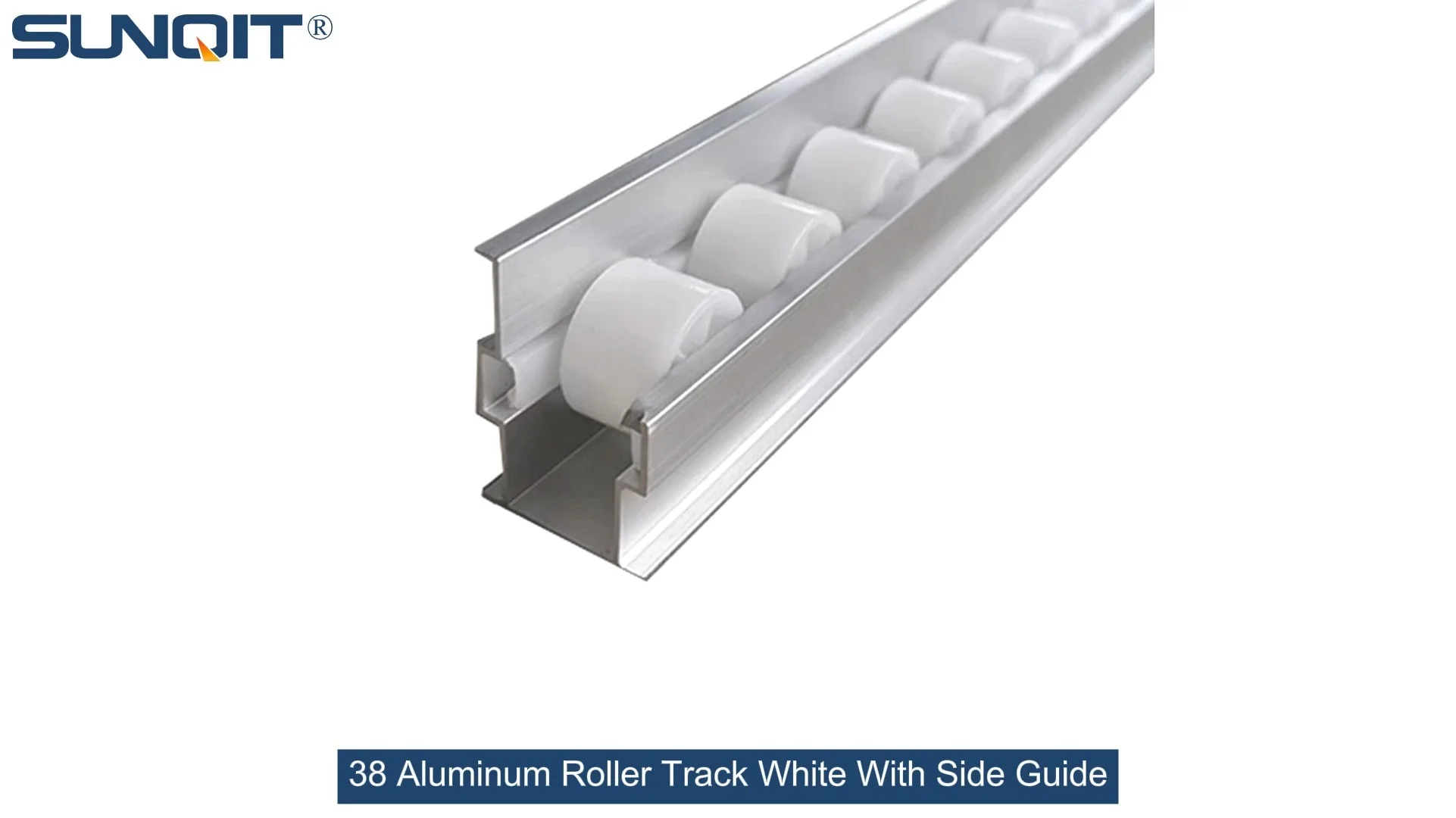
38 Aluminum Roller Track White with Side Guide
Heavy duty roller tracks, aluminum frame with plastic wheel, one side with guide keeps goods and materials on the track to prevent bin move to other direction.Aluminum frame makes the rail ani-corrision when the environment are humid.
Introduction: The Push for Energy Efficiency in Manufacturing
These days, every manufacturing business is looking for ways to cut costs and be more sustainable. Energy efficiency isn't just a buzzword—it's a bottom-line issue. From the lights in the factory to the machines on the floor, every part of production uses energy, and one area that often gets overlooked is material handling. Moving parts, components, and finished goods around the facility might seem like a small part of the equation, but inefficient material handling can add up to big energy waste over time. That's where smart solutions like the 38 Aluminum Roller Track White with Side Guide come in. This simple yet effective tool can make a huge difference in how much energy your production line uses, all while keeping things running smoothly.
Material Handling's Hidden Energy Costs
Let's talk about why material handling matters for energy efficiency. When workers have to push heavy bins across rough surfaces, they're using more physical energy—and if those bins are moved by machines, the friction from poor tracks can make the machines work harder, using more electricity. Downtime from jammed tracks or broken parts also wastes energy, as the line stops but other systems might still be running. Plus, replacing worn-out equipment frequently means more resources are used in manufacturing new parts, which has its own energy footprint. So, optimizing material handling isn't just about speed—it's about reducing all these hidden energy costs.
Consider this: A study by the U.S. Department of Energy found that material handling accounts for up to 30% of a manufacturing plant's total energy use. That's a significant portion, and it's one that many businesses don't pay enough attention to. By improving your material handling systems, you can cut that percentage down, leading to lower energy bills and a smaller environmental impact.
Meet the 38 Aluminum Roller Track White with Side Guide
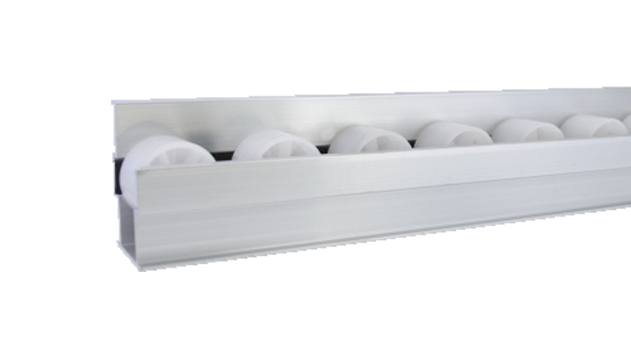
Now, let's get to the star of the show: the 38 Aluminum Roller Track White with Side Guide. This isn't your average roller track. It's made from high-quality aluminum, which is lightweight yet durable. The white color isn't just for looks—it's easy to clean and reflects light, which can even help reduce lighting needs in some areas. The side guide is a key feature here; it keeps items on track, preventing them from slipping off and causing jams or spills. The rollers are designed to roll smoothly, minimizing friction so that even heavy loads move with less effort. Whether you're moving small components or larger parts, this roller track can handle it without breaking a sweat.
Let's break down the key features in more detail:
- Aluminum Construction: Aluminum is corrosion-resistant, so it won't rust even in damp environments. It's also lightweight, making installation and reconfiguration easy. Unlike steel, which is heavy and can be difficult to move, aluminum tracks are flexible and adaptable.
- White Surface: The white finish is non-toxic and easy to sanitize, making it ideal for industries like food processing or medical manufacturing. It also reflects light, which can help reduce the need for extra lighting in areas where the track is used.
- Side Guide: The integrated side guide is made from durable plastic or aluminum, depending on your needs. It prevents items from sliding off the track, reducing jams and the energy wasted on correcting mistakes.
- Smooth Rollers: The rollers are precision-engineered to minimize friction. Each roller is attached to a sturdy axle, ensuring that it spins freely without getting stuck. This smooth action is what makes the track so energy-efficient.

How This Roller Track Boosts Energy Efficiency
Let's break down exactly how this roller track helps save energy. First, the smooth rolling action reduces friction. That means if you're using a conveyor system, the motor doesn't have to work as hard to move items along the track. For manual handling, workers don't need to push as hard, which reduces fatigue and increases productivity—so they get more done with less energy expenditure. Second, the aluminum construction is long-lasting. Unlike cheaper plastic tracks that might crack or wear out quickly, this aluminum track can stand up to daily use for years. That means fewer replacements, which saves the energy that would have been used to make new tracks and dispose of old ones. Third, the side guide prevents jams. A jammed track can stop an entire line, wasting energy as machines idle and workers wait. With the side guide keeping items in place, jams are far less likely. Fourth, it's compatible with lean systems. Lean manufacturing is all about eliminating waste, and this roller track fits right in. It can be easily integrated into existing lean setups, helping to streamline workflows and reduce unnecessary movement—another way to cut energy use.
Let's take a concrete example. Suppose you have a conveyor system that moves 100 bins per hour. Each bin weighs 10 kg. With a standard plastic track, the motor uses 100 watts of power to move these bins. Switching to the 38 Aluminum Roller Track White with Side Guide reduces the friction, so the motor only uses 70 watts. Over a year (assuming 8 hours a day, 5 days a week, 50 weeks a year), that's a savings of (100-70) watts * 8 * 5 * 50 = 60,000 watt-hours, or 60 kWh. That might not sound like much, but multiply it by multiple conveyors in your plant, and the savings add up quickly. Plus, that's just the energy saved from the motor—you also save on the energy used to replace worn-out tracks and fix jams.

Integrating with Other Lean Solutions
This roller track isn't a standalone product; it works best when paired with other lean solutions. Let's talk about some of the ways you can integrate it into your production line.
Flow Racks
Flow racks are a staple in lean material handling, and the 38 Aluminum Roller Track White with Side Guide is perfect for them. The smooth rollers allow bins to slide down easily, so workers can pick parts without having to reach or move around too much. This not only saves time but also reduces the energy workers use during their shifts. For example, in a 3C assembly plant, flow racks with this roller track can deliver components like circuit boards and batteries directly to the assembly station. Workers don't have to walk to a storage area to get parts—they're right there, sliding down the track. This reduces the number of steps workers take each day, which in turn reduces their energy expenditure.
Conveyors
Whether you're using a belt conveyor or a roller conveyor, adding this track can improve efficiency. The low friction means the conveyor motor uses less power, and the side guide ensures items stay on course, reducing the need for corrections that waste energy. In an automotive plant, for example, this track can be used in conveyors that move car body parts from one painting station to the next. The smooth rolling action ensures the parts move evenly, and the side guide prevents them from shifting—so the painting process is more consistent, and less energy is wasted on rework.
Lean Pipe Systems
Lean pipe systems are all about flexibility, and this roller track fits right in. You can use lean pipes to build custom workstations or material racks that incorporate the roller track, creating a seamless flow of materials from one station to the next. This flexibility means you can adapt your line as needs change, without having to replace entire systems—saving both energy and money. For instance, a medical device manufacturer might use lean pipes to build a workstation where the 38 Aluminum Roller Track White with Side Guide is integrated to move small components like syringes or catheters. As the product line evolves, they can easily adjust the workstation layout to accommodate new components, without having to buy new equipment.
Custom Workstations
For industries like 3C assembly or medical device manufacturing, custom workstations are essential. Integrating this roller track into workstations allows parts to be moved easily between stations, reducing the time and energy spent transporting items manually. A computer peripheral manufacturer, for example, might have a workstation where workers assemble keyboards. The roller track can be used to move the keyboard frames from the assembly station to the testing station, so workers don't have to carry them—saving energy and reducing the risk of injury.
Comparison of Roller Track Options
| Feature | 38 Aluminum Roller Track White with Side Guide | Standard Plastic Roller Track | Steel Roller Track |
|---|---|---|---|
| Friction Level | Low (smooth rolling) | Medium (prone to wear) | Medium (heavier) |
| Energy Savings (Conveyor Use) | High (reduced motor load) | Moderate | Moderate |
| Durability | Long-lasting (aluminum construction) | Short (cracks easily) | Long but heavy |
| Compatibility with Lean Systems | Excellent (flexible integration) | Good | Fair |
| Maintenance Needs | Low (easy to clean, resistant to corrosion) | High (needs frequent replacement) | Medium (rust possible) |
| Environmental Impact | Low (recyclable aluminum) | High (plastic waste) | Medium (steel recycling is energy-intensive) |
As you can see from the table, the 38 Aluminum Roller Track White with Side Guide stands out in terms of energy savings, durability, and environmental impact. It's the clear choice for businesses looking to optimize their material handling systems for energy efficiency.
Real-World Applications
Let's look at some real-world examples of how this roller track is making a difference in different industries.
3C Assembly
3C assembly (computers, communications, consumer electronics) is a fast-paced industry where efficiency is key. A leading smartphone manufacturer recently integrated the 38 Aluminum Roller Track White with Side Guide into their flow racks. Before using this track, workers had to push bins of components along a rough plastic track, which was tiring and slow. After switching to the aluminum track, the bins slid down easily, reducing worker fatigue by 30% and increasing productivity by 20%. The company also noticed a 15% reduction in energy use from their conveyor systems, thanks to the lower friction of the new track.
Medical Device Manufacturing
A medical device manufacturer that produces surgical instruments needed a material handling solution that was both efficient and sterile. They chose the 38 Aluminum Roller Track White with Side Guide because of its easy-to-clean surface and smooth rolling action. The track was integrated into their custom workstations, allowing instruments to be moved from the assembly area to the sterilization area without any contact with dirty surfaces. This reduced the risk of contamination and saved energy by eliminating the need for extra cleaning steps. The company reported a 25% reduction in downtime due to contamination issues, which translated to significant energy savings.
Warehouse Logistics
A large e-commerce warehouse was struggling with high energy costs from their conveyor systems. They replaced their old steel roller tracks with the 38 Aluminum Roller Track White with Side Guide. The lower friction reduced the motor load on their conveyors by 20%, leading to a 18% reduction in energy use for those systems. Additionally, the side guide prevented packages from falling off the track, reducing the need for workers to retrieve them—saving both time and energy. The warehouse estimated that the new tracks would pay for themselves in energy savings within 12 months.
Automotive Manufacturing
An automotive parts manufacturer used the 38 Aluminum Roller Track White with Side Guide in their material racks for engine components. The smooth rollers allowed heavy engine parts to be moved easily, reducing the energy workers used to push them. The durability of the aluminum track also meant that the racks didn't need to be replaced as often, saving the energy used to manufacture new racks. The company reported a 22% reduction in worker fatigue and a 12% reduction in material handling costs, thanks to the new track.
Customization Options
One of the best things about this roller track is its customization options. We understand that every production line is unique, so we offer a range of ways to tailor the track to your needs.
Length and Width
You can get the track in different lengths and widths to fit your specific space and load requirements. Whether you need a short section for a small workstation or a long track for a conveyor system, we've got you covered. For example, if you have a narrow aisle in your warehouse, you can get a narrower track that fits perfectly, without wasting space or energy.
End Caps and Connectors
To make installation easy, we offer a variety of end caps and connectors. These allow you to attach the track to other components like flow racks or conveyors without any hassle. The connectors are made from durable aluminum, so they won't break or wear out quickly. This means you can set up your system quickly and easily, without wasting energy on complicated installations.
Surface Treatments
While the standard is white, we can also provide other surface treatments if needed. For example, if you work in an ESD-sensitive environment (like electronics manufacturing), we can add an ESD coating to the track to prevent static buildup. Static electricity can damage sensitive components, so having an ESD track is crucial. This coating doesn't affect the smooth rolling action of the track, so you still get all the energy-saving benefits.
Custom Configurations
If you have a unique setup, our team can work with you to design a custom configuration. Whether you need a track with multiple curves or a specific angle, we can create a solution that fits your exact needs. For example, a furniture manufacturer might need a curved track to move wooden panels around a corner in their production line. Our team can design a curved version of the 38 Aluminum Roller Track White with Side Guide that fits perfectly, allowing the panels to move smoothly without any friction. This customization ensures that you're not wasting energy on a one-size-fits-all solution that doesn't quite work for your line.
All of these customization options are designed with the lean principle of "reusable and sustainable improvement" in mind. You can adapt the track as your production needs change, so you don't have to invest in new equipment every time your line evolves. This not only saves money but also reduces the energy footprint of your operations.
Conclusion: A Step Towards Sustainable Manufacturing
Energy efficiency is no longer an option—it's a necessity for businesses looking to stay competitive and sustainable. The 38 Aluminum Roller Track White with Side Guide is a simple yet powerful tool that can help you cut energy costs in your production line. Its smooth rolling action reduces friction, its durable aluminum construction lasts for years, and its compatibility with lean systems makes it a versatile addition to any setup.
Whether you're in 3C assembly, medical device manufacturing, or warehouse logistics, this roller track can make a real difference. By integrating it with flow racks, conveyors, and lean pipe systems, you can create a streamlined, energy-efficient production line that saves money and reduces your environmental impact.
So, if you're looking for a way to boost energy efficiency in your production process, look no further than the 38 Aluminum Roller Track White with Side Guide. It's not just a piece of equipment—it's an investment in a more efficient, sustainable future for your business. With its many benefits and customization options, it's the perfect solution for any manufacturing business looking to reduce energy costs and improve their bottom line.