- Company Articles
- Products and Technology
- Product knowledge
- 38 Aluminum Roller Track White with Side Guide: Future Trends in Material Handling

38 Aluminum Roller Track White with Side Guide: Future Trends in Material Handling
Related Product
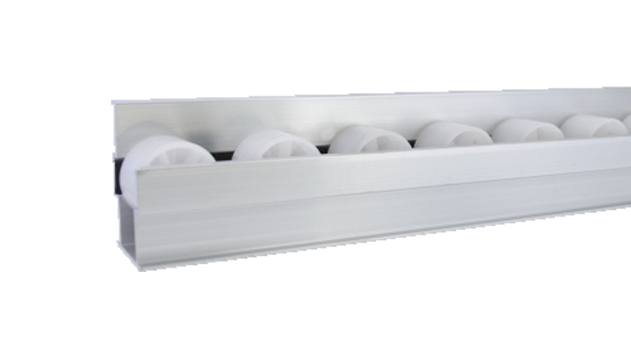
38 Aluminum Roller Track White with Side Guide
Heavy duty roller tracks, aluminum frame with plastic wheel, one side with guide keeps goods and materials on the track to prevent bin move to other direction.Aluminum frame makes the rail ani-corrision when the environment are humid.
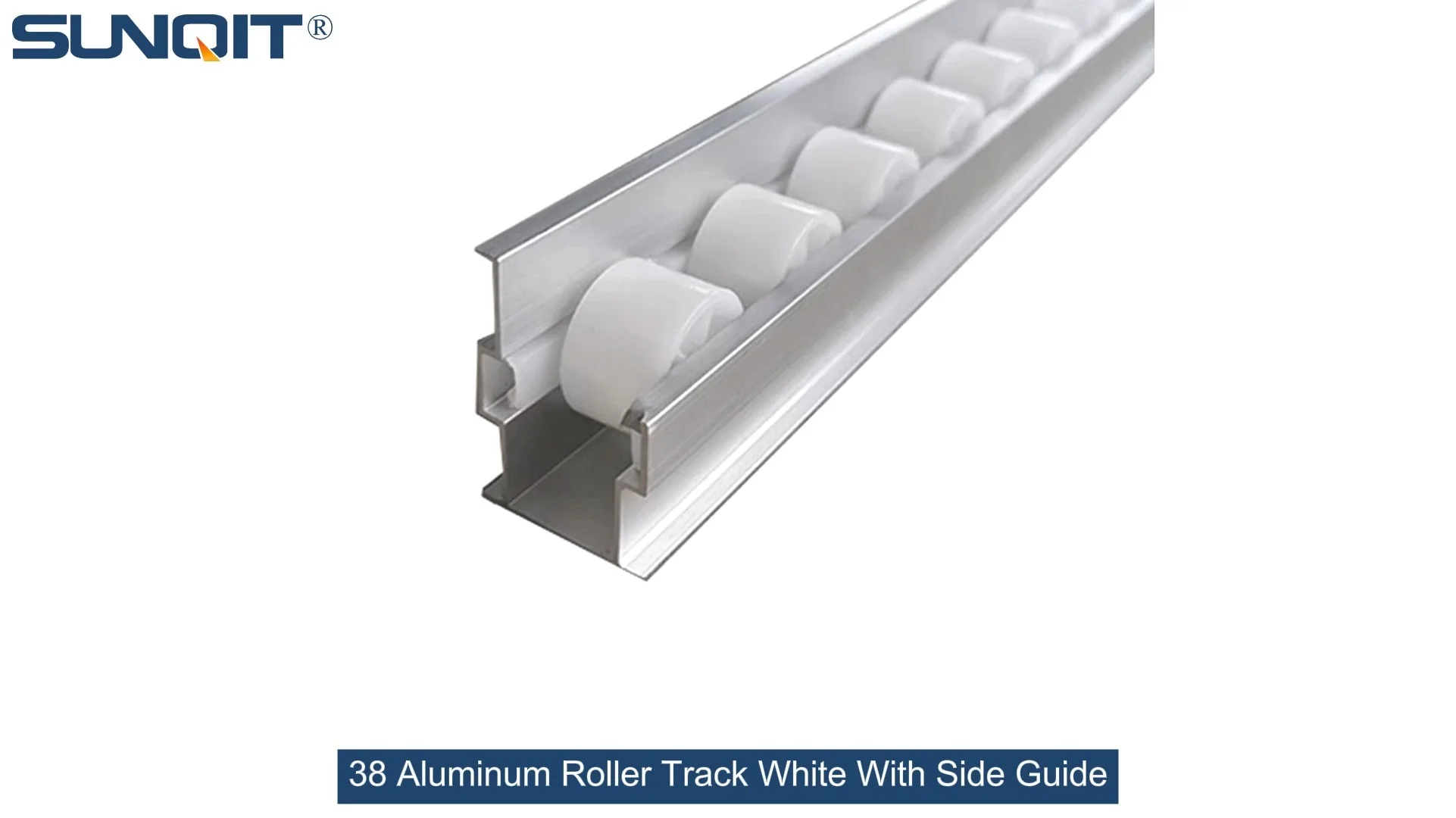
Material handling is the unsung hero of modern manufacturing. Every component that moves from a warehouse shelf to an assembly line, every product that glides through a production station—these moments depend on efficient, reliable systems. As industries like 3C assembly, medical devices, and automotive manufacturing push for faster, more flexible operations, the tools we use to move materials are evolving too. One such tool making waves is the 38 Aluminum Roller Track White with Side Guide, a versatile solution that's not just meeting today's needs but shaping the future of material handling.
What Is the 38 Aluminum Roller Track White with Side Guide?
It's a precision-engineered component designed to facilitate smooth, controlled movement of materials. The "38" refers to its width (38mm), making it ideal for medium to light loads. The white finish isn't just aesthetic—it's often ESD-safe, crucial for industries like electronics where static electricity can damage sensitive components. The side guides ensure that items stay on track, preventing jams and improving workflow efficiency.
Features of this roller track include:
- Durable aluminum construction: Lightweight yet strong, resistant to corrosion.
- Smooth rolling action: Reduces friction, making material movement effortless.
- ESD compatibility: Protects sensitive products from static discharge.
- Easy installation: Can be integrated with other lean system components like flow racks and conveyors.
- Customizable lengths: Adaptable to different workspace layouts.
- Easy cleaning: Smooth aluminum surface is simple to sanitize, ideal for medical and food industries.
- Cost-effective: Long lifespan and low maintenance reduce total ownership costs.
Key Trends Shaping the Future of Material Handling
The manufacturing landscape is changing rapidly, driven by technological advancements and shifting industry needs. Here are the trends defining the future of material handling:
1. Flexibility and Adaptability
Modern production lines can't afford rigidity. Products change, volumes fluctuate, and layouts need quick adjustments. Lean systems, emphasizing "just-in-time" production and minimal waste, are leading the way. Modular components that can be rearranged without downtime are in high demand. Companies are moving away from fixed systems to flexible ones that can adapt to market changes in days, not months.
2. Sustainability
Companies are prioritizing eco-friendly solutions. Recyclable materials, long-lasting products, and systems that minimize waste are becoming standard. This aligns with lean principles of reusability and continuous improvement. Governments and consumers are pushing for greener manufacturing, making sustainability a competitive advantage.
3. ESD Safety
Static electricity poses a threat to sensitive electronics. ESD-safe components are essential in industries like 3C assembly and medical devices, where even small discharges can damage products. The cost of static-related damage runs into billions annually, making ESD compliance a critical investment.
4. Integration with Automation
Automation is transforming factories. Material handling systems must work seamlessly with robots, conveyors, and IoT devices to create efficient, connected workflows. Smart factories use data to optimize operations, and material handling is no exception—systems that can communicate with other equipment are becoming the norm.
5. Customization
No two facilities are identical. Custom solutions tailored to specific industry needs—like medical device manufacturing or automotive assembly—are increasingly important. Off-the-shelf products often fall short, so manufacturers are looking for partners who can design systems that fit their unique requirements.
How the 38 Aluminum Roller Track Aligns with These Trends
Flexibility
Its modular design allows easy reconfiguration. For example, in a 3C assembly line, adjusting the path of components from warehouse to station is possible without downtime. It integrates with flow racks and lean pipe workbenches, making it part of a flexible lean system. Workers can rearrange the track during shifts to accommodate new product runs, ensuring maximum productivity.
Sustainability
Aluminum is 100% recyclable, and this roller track is built to last. Unlike plastic alternatives, it maintains integrity over time, reducing replacement needs. This supports the lean of reusable, sustainable systems. By choosing aluminum, companies reduce their carbon footprint and contribute to a circular economy.
ESD Safety
The white ESD-safe finish protects sensitive electronics. In consumer electronics factories, this reduces static-related damage, improving product quality and reducing waste. For example, a smartphone manufacturer using this roller track saw a 30% drop in circuit board failures due to static discharge.
Automation Integration
Paired with conveyors and robotic arms, it becomes part of automated systems. In medical device warehouses, AGVs load materials onto the track, which transports them to packaging stations—no human intervention needed. This integration reduces labor costs and improves accuracy, as robots can work 24/7 without fatigue.
Customization
Cut to size, compatible with aluminum profile accessories, and available with ESD features, it fits exact needs. Whether for a large warehouse or compact workstation, it adapts to your layout. A medical device company needed a track that could fit through narrow sterile corridors—this roller track was cut to custom lengths to meet their requirements.

Case Studies: Real-World Impact
Case Study 1: 3C Assembly Plant Transformation
A leading consumer electronics manufacturer was facing challenges with their material handling system. Their existing plastic roller tracks were prone to jams, and static electricity was causing damage to circuit boards. They decided to switch to the 38 Aluminum Roller Track White with Side Guide, along with ESD workbenches and flow racks.
After implementation, they saw:
- 25% reduction in material handling errors: The side guides prevented jams, and the ESD-safe finish reduced static damage.
- 18% increase in production speed: Smooth rolling action allowed faster movement of components.
- 30% less downtime: Durable aluminum construction reduced maintenance needs.
- 15% lower operational costs: Reduced waste and maintenance translated to savings.
This case study shows how integrating the roller track with other lean system components can transform a production line.
Case Study 2: Medical Device Warehouse Optimization
A medical device company needed a material handling system that was sterile, efficient, and adaptable. They chose the 38 Aluminum Roller Track White with Side Guide for its easy-to-clean aluminum surface and modular design. The track was integrated with conveyors and automated guided vehicles (AGVs) to create a fully automated warehouse system.
Results:
- 40% increase in order fulfillment speed: Automated movement reduced manual handling time.
- 20% reduction in contamination risks: Easy-to-clean aluminum surface maintained sterility.
- Flexible layout adjustments: Modular design allowed quick changes to accommodate new product lines.
- Compliance with regulatory standards: ESD-safe features met medical device industry requirements.

Comparison of Roller Track Options
| Product Name | Width | Material | ESD Safe | Load Capacity | Best For |
|---|---|---|---|---|---|
| 38 Aluminum Roller Track White with Side Guide | 38mm | Aluminum | Yes | Medium (up to 50kg/m) | Electronics, medical, light manufacturing |
| 38 Aluminum Roller Track Black ESD with Side Guide | 38mm | Aluminum | Yes | Heavy (up to 100kg/m) | Automotive, heavy electronics |
| 40 Steel Roller Track Yellow Wheel | 40mm | Steel | No | Very Heavy (up to 200kg/m) | Automotive, industrial machinery |
| Plastic Roller Track Guide Rail Yellow | Variable | Plastic | No | Light (up to 20kg/m) | General manufacturing, low-budget projects |
| 38 Aluminum Roller Track White Without Side Guide | 38mm | Aluminum | Yes | Medium | Open-concept workstations, manual handling |
Integration with Other Lean System Components
Lean Pipe Workbenches
The 38 Aluminum Roller Track can be attached to lean pipe workbenches, creating a workstation where materials are easily accessible. Workers don't have to reach far for components, reducing fatigue and improving productivity. For instance, Workbench E (single deck without caster) can be fitted with this roller track to create a seamless flow from storage to assembly. This integration turns a static workstation into a dynamic, efficient hub.
Flow Racks
Flow racks use gravity to move materials, and the 38 Aluminum Roller Track is perfect for this. Material Rack B (3 row and 3 floor) can be equipped with this roller track to enable FIFO inventory management, ensuring that the oldest materials are used first, reducing waste. This is especially useful in warehouses where inventory turnover is high.
Conveyors
When connected to conveyors, this roller track becomes part of a continuous material flow system. For example, in an automotive assembly line, the track can transport parts from the conveyor to the assembly station, ensuring a steady supply of components. This integration reduces manual handling and speeds up production.
Automated Guided Vehicles (AGVs)
AGVs can load materials onto the roller track, which then transports them to their destination. This creates a fully automated system that requires no human intervention. In a distribution center, this means faster order fulfillment and reduced labor costs.
Future Outlook for the 38 Aluminum Roller Track
The future will bring more IoT integration—sensors embedded in the roller track that monitor temperature, humidity, and load weight. These sensors can send data to a central system, alerting maintenance teams to potential issues before they cause downtime. For example, if a roller is wearing out, the sensor detects increased friction and triggers a maintenance request.
AI-driven optimization will adjust material flow based on real-time data. The roller track will be part of systems that use AI to reroute materials, adjust speeds, and predict demand. This ensures that materials arrive exactly when needed, reducing waste and improving efficiency.
Sustainability will continue to be a focus. Future versions may use recycled aluminum with enhanced durability, or incorporate renewable energy sources to power movement. This aligns with global efforts to reduce carbon emissions and create greener manufacturing processes.
Customization will become even more advanced. 3D printing technology may allow for on-demand production of custom roller track components, making it easier to adapt to unique workspace needs. This will reduce lead times and make custom solutions more accessible to small and medium-sized businesses.
Conclusion
The 38 Aluminum Roller Track White with Side Guide is a cornerstone of future material handling. Aligning with flexibility, sustainability, ESD safety, automation, and customization, it helps industries adapt to changing manufacturing landscapes. Whether in 3C assembly, medical devices, or automotive, it improves efficiency, reduces waste, and drives productivity.
As we build smarter factories, tools like this will be essential for the next generation of manufacturing systems. Its modular design, durability, and compatibility with other lean components make it a versatile solution that will continue to shape the future of material handling for years to come.