- Company Articles
- Products and Technology
- Procurement Guidelines
- 38 Aluminum Roller Track Yellow Cost Guide: Budgeting for Your Project

38 Aluminum Roller Track Yellow Cost Guide: Budgeting for Your Project
Related Product
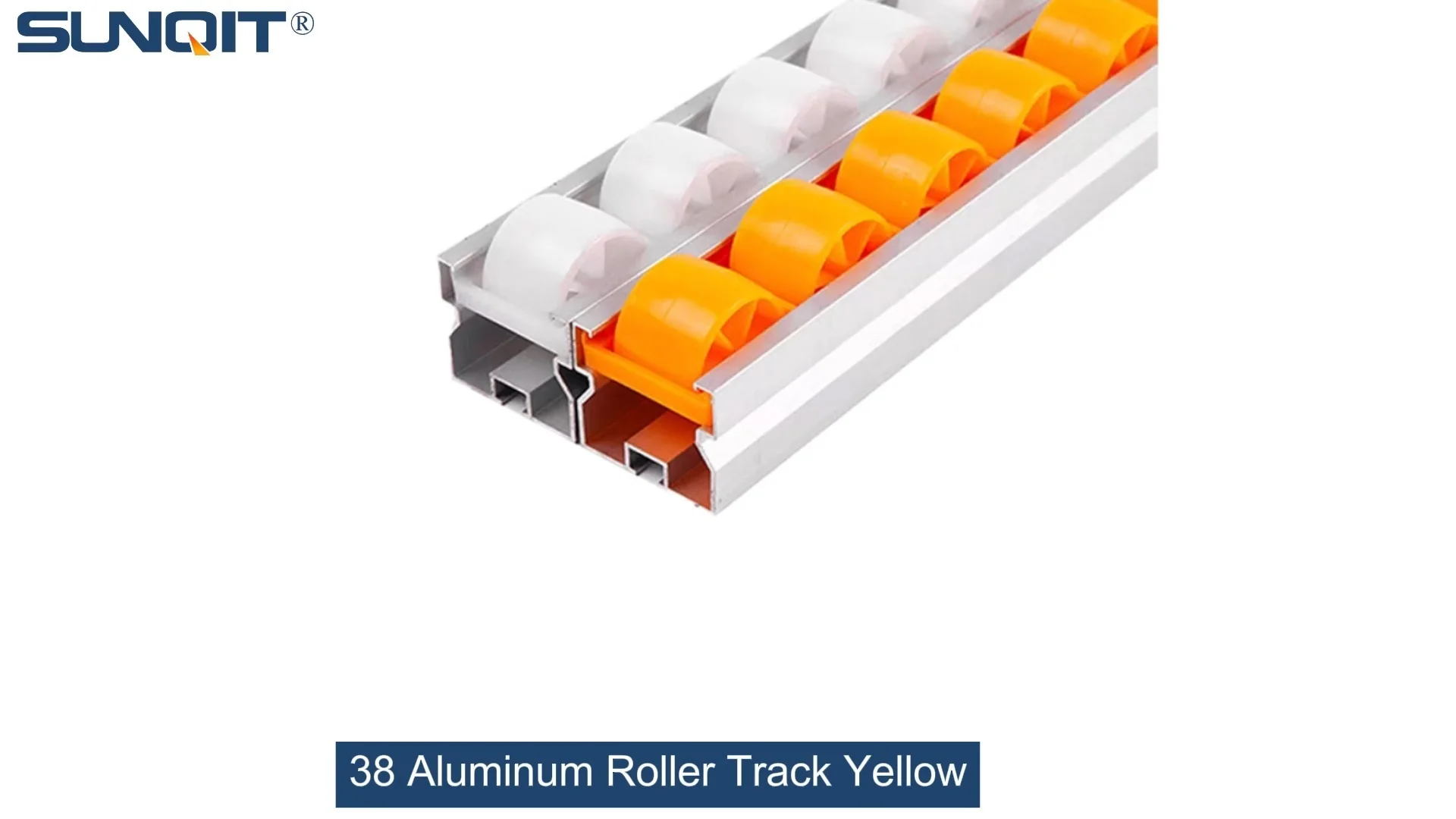
38 Aluminum Roller Track Yellow
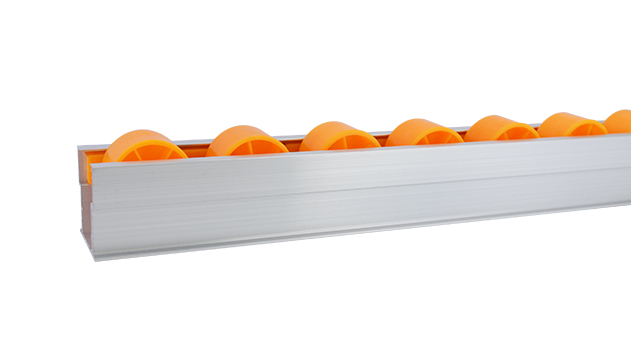
Durable and smooth-running modular roller rails. The system is fully assembled. The roller rail profile contains plastic rollers mounted on steel axles. Aluminum frame with plastic wheel make it anti corrosion,and material convey more smooth.
38 Aluminum Roller Track Yellow Cost Guide: Budgeting for Your Project
If you're deep into setting up a smooth, efficient workflow for your production line or warehouse, you've probably encountered 38 aluminum roller track yellow. This component is a workhorse in lean manufacturing systems, helping materials glide easily from one station to another, reducing manual effort and speeding up processes. But when it comes to budgeting for your project, how do you know what to expect? This guide will walk you through everything you need to know about the costs associated with 38 aluminum roller track yellow, so you can plan your project without surprises.
Key Factors That Influence the Cost of 38 Aluminum Roller Track Yellow
Before diving into numbers, let's break down the main factors that affect the price of 38 aluminum roller track yellow. Understanding these will help you make informed decisions and avoid overspending.
1. Material Quality
The grade of aluminum used in the roller track is a primary cost driver. Higher-grade aluminum (like 6063-T5) is more durable, resistant to wear, and can handle heavier loads. This grade is commonly used in industrial applications because it balances strength and weight perfectly. Thicker aluminum profiles also cost more—for example, a 1.5mm thick track is pricier than a 1.2mm one but can support up to twice the weight. If your project involves moving bulky items, investing in a thicker, higher-grade track will save you from frequent replacements later.
2. Length and Quantity
Volume discounts are a big part of industrial purchasing. A single meter of 38 aluminum roller track yellow might cost $20, but buying 100 meters could bring the per-unit price down to $15 or less. Longer track segments also reduce the number of connectors you need, which can offset the higher cost per piece. When planning, calculate the total length required for your entire setup and consider buying in bulk to maximize savings.
3. Accessories Included
Roller tracks don't function in isolation. You'll need accessories like connectors, brackets, guide rails, and end stops to install them properly. For instance, plastic roller track guide rail yellow helps keep items aligned on the track, while end supports prevent them from falling off. Each accessory adds to the total cost—so make a list of all necessary parts before budgeting. A typical connector might cost $2-$4, and guide rails around $5-$10 per meter.
4. Customization Needs
If your project requires non-standard lengths, curved tracks, or ESD (electrostatic discharge) protection, expect to pay more. Custom solutions involve extra design work and manufacturing steps. For example, 38 aluminum roller track black ESD with side guide is designed for static-sensitive environments like electronics manufacturing and costs 20-30% more than standard yellow tracks. Similarly, curved tracks require specialized bending processes, which add to the price.
5. Supplier and Wholesale Options
Where you buy from matters a lot. Wholesale suppliers often offer better prices than retail stores because they sell in larger quantities. Choosing a supplier that specializes in lean pipe systems (like those offering flow racks and conveyors) can also save you money by providing package deals. Reputable suppliers may also include technical support and warranty services, which add value beyond the initial cost.
Pricing Breakdown: Typical Costs for 38 Aluminum Roller Track Yellow
To give you a clear picture, here's a breakdown of typical costs for 38 aluminum roller track yellow and related components. These prices are based on current market rates and may vary by supplier and location.
| Item | Unit | Typical Cost Range (USD) |
|---|---|---|
| 38 Aluminum Roller Track Yellow (1.2mm thickness) | Meter | $12 - $18 |
| 38 Aluminum Roller Track Yellow (1.5mm thickness) | Meter | $18 - $25 |
| Plastic Roller Track Guide Rail Yellow | Meter | $5 - $10 |
| Roller Track Placon Mount for Rail Connection | Piece | $2 - $4 |
| End Support for Roller Track Placon Mount with Stop | Piece | $3 - $6 |
| 38 Aluminum Roller Track Black ESD with Side Guide | Meter | $20 - $30 |
| Material Rack B (3 row and 3 floor) | Unit | $200 - $350 |
| Basic Roller Conveyor | Meter | $50 - $100 |
Let's put this into context. A 1.2mm thick track is ideal for light loads (up to 50kg per meter), making it perfect for small parts in a 3C assembly line. A 1.5mm track, on the other hand, can handle up to 100kg per meter—great for heavier components in automotive manufacturing. If you need ESD protection, the black ESD track is worth the extra cost to prevent damage to sensitive electronics.

How to Budget Effectively for Your 38 Aluminum Roller Track Project
Budgeting for your project doesn't have to be stressful. Follow these steps to plan your expenses accurately and avoid unexpected costs.
1. Assess Your Exact Requirements
Start by mapping out your workflow. Ask yourself:
- What's the maximum weight of items you'll move?
- How long do the tracks need to be?
- Do you need ESD protection or special coatings?
- Will the tracks be straight or curved?
Answering these questions will help you choose the right track thickness, accessories, and customization options. For example, if you're setting up a flow rack for small parts, a 1.2mm track with plastic guide rails is sufficient. For a conveyor system moving heavy automotive parts, a 1.5mm track with metal brackets is better.
2. Consider Long-Term Value
Cheaper options might save you money upfront, but they often cost more in the long run. A low-quality track may wear out in a year, requiring replacements and downtime. Investing in a high-quality 38 aluminum roller track yellow (like 6063-T5 grade) can last 5-10 years, reducing total ownership costs. Also, look for tracks that are reusable and adaptable—this aligns with lean manufacturing principles and lets you modify your setup as your needs change.
3. Explore Wholesale Options
Wholesale suppliers offer significant discounts for bulk purchases. If you need more than 50 meters of track, reach out to wholesale suppliers specializing in lean pipe systems. Many offer package deals that include tracks, accessories, and even installation services. For example, buying 100 meters of track plus 50 connectors might get you a 15% discount on the total order.
4. Factor in Installation and Maintenance Costs
Don't forget to budget for installation. If you're not installing the tracks yourself, hiring a professional can cost $50-$100 per hour. Maintenance costs are usually low—occasional cleaning and lubrication—but it's wise to set aside 5-10% of the total project cost for upkeep. This ensures your system runs smoothly for years.
5. Get Multiple Quotes
Never settle for the first quote you receive. Reach out to 3-5 suppliers to compare prices and services. Make sure each quote includes the same specifications (material grade, length, accessories) so you can make an apples-to-apples comparison. Some suppliers may offer free shipping or extended warranties, which can add significant value.

Integrating 38 Aluminum Roller Track Yellow into Your Lean System
38 aluminum roller track yellow is a versatile component that fits seamlessly into lean manufacturing systems. Let's look at how it's used in common applications:
1. Flow Racks
Flow racks (like Material Rack B from the product list) use roller tracks to create a first-in-first-out (FIFO) system. This is essential for lean manufacturing because it reduces waste and ensures older inventory is used first. For example, in a warehouse, a flow rack with 38 aluminum roller track yellow can hold boxes of parts that slide down as the front box is taken, eliminating the need to rearrange items manually.
2. Conveyor Systems
Roller tracks are a key part of conveyor systems, moving parts between workstations. In a 3C assembly line, the track helps move phone components from the assembly station to the testing station smoothly. This reduces manual handling and speeds up production. Conveyors using 38 aluminum roller track yellow are easy to modify, so you can adjust the length or layout as your production needs change.
3. Custom Solutions
Custom solutions are where 38 aluminum roller track yellow truly shines. If your project has unique needs—like a curved track for a medical equipment assembly line or a track that fits into a tight space—a supplier can design a custom setup. For example, a medical device manufacturer might need a track that's easy to clean and resistant to chemicals. A supplier can create this using 38 aluminum roller track yellow with a special coating, ensuring compliance with industry standards.
Choosing the Right Supplier for 38 Aluminum Roller Track Yellow
Selecting the right supplier is critical to the success of your project. Here are the key factors to consider:
1. Product Quality
Ask about the aluminum grade and manufacturing process. A reputable supplier will provide test reports or certifications (like ISO 9001) to prove the quality of their products. Avoid suppliers who can't provide this information—low-quality tracks may bend or break under load, leading to costly downtime.
2. Range of Products
Choose a supplier that offers all the accessories you need (connectors, brackets, guide rails). Having a one-stop shop saves you time and money on shipping. Look for suppliers who also offer related products like flow racks, conveyors, and workstations—this indicates they understand lean manufacturing systems and can provide holistic solutions.
3. Customization Capabilities
Check if the supplier can design and manufacture custom tracks or systems. This is important if your project has unique requirements. For example, if you need a track with a specific length or curvature, the supplier should be able to accommodate that without excessive costs.
4. Customer Support
Good customer support is invaluable. Look for suppliers who offer technical assistance, installation guidance, and after-sales support. A supplier who responds quickly to your queries and helps you troubleshoot issues will make your project run smoothly.
Case Study: Budgeting for a Small 3C Assembly Line
Let's look at a real-world example of a small 3C assembly company that needed to set up a new flow rack system. Here's their budget breakdown:
- 50 meters of 38 aluminum roller track yellow (1.5mm): $1,000
- 20 meters of plastic guide rail yellow: $140
- 100 connectors and brackets: $300
- 5 Material Rack B units: $1,500
- Installation: $500
- Total: $3,440
This setup increased their assembly speed by 20% and reduced manual handling errors by 15%, making the investment well worth it. The company also saved money by buying in bulk and choosing a supplier that offered a package deal on racks and tracks.
Conclusion
Budgeting for 38 aluminum roller track yellow doesn't have to be complicated. By understanding the factors that affect cost, comparing options, and working with a reliable supplier, you can plan your project effectively. Remember to focus on long-term value rather than just upfront costs—investing in high-quality components will save you money and hassle later. Whether you're setting up a small flow rack or a large conveyor system, this guide will help you make informed decisions and stay within your budget.
With the right planning, 38 aluminum roller track yellow can transform your workflow, making it more efficient, productive, and lean. Start by assessing your needs, exploring wholesale options, and choosing a supplier that aligns with your project goals. Your bottom line will thank you.