- Company Articles
- Products and Technology
- Product knowledge
- 38 Aluminum Roller Track Yellow: Key Features and Specifications Explained

38 Aluminum Roller Track Yellow: Key Features and Specifications Explained
Related Product
38 Aluminum Roller Track Yellow
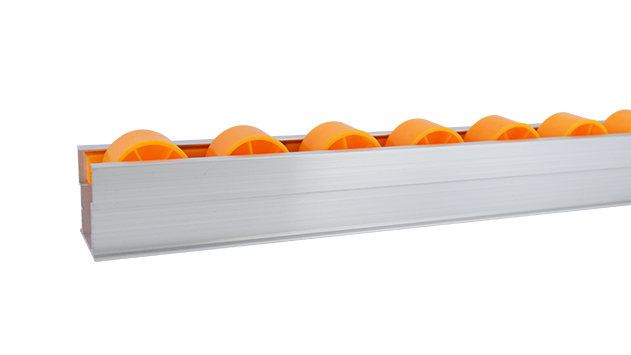
Durable and smooth-running modular roller rails. The system is fully assembled. The roller rail profile contains plastic rollers mounted on steel axles. Aluminum frame with plastic wheel make it anti corrosion,and material convey more smooth.
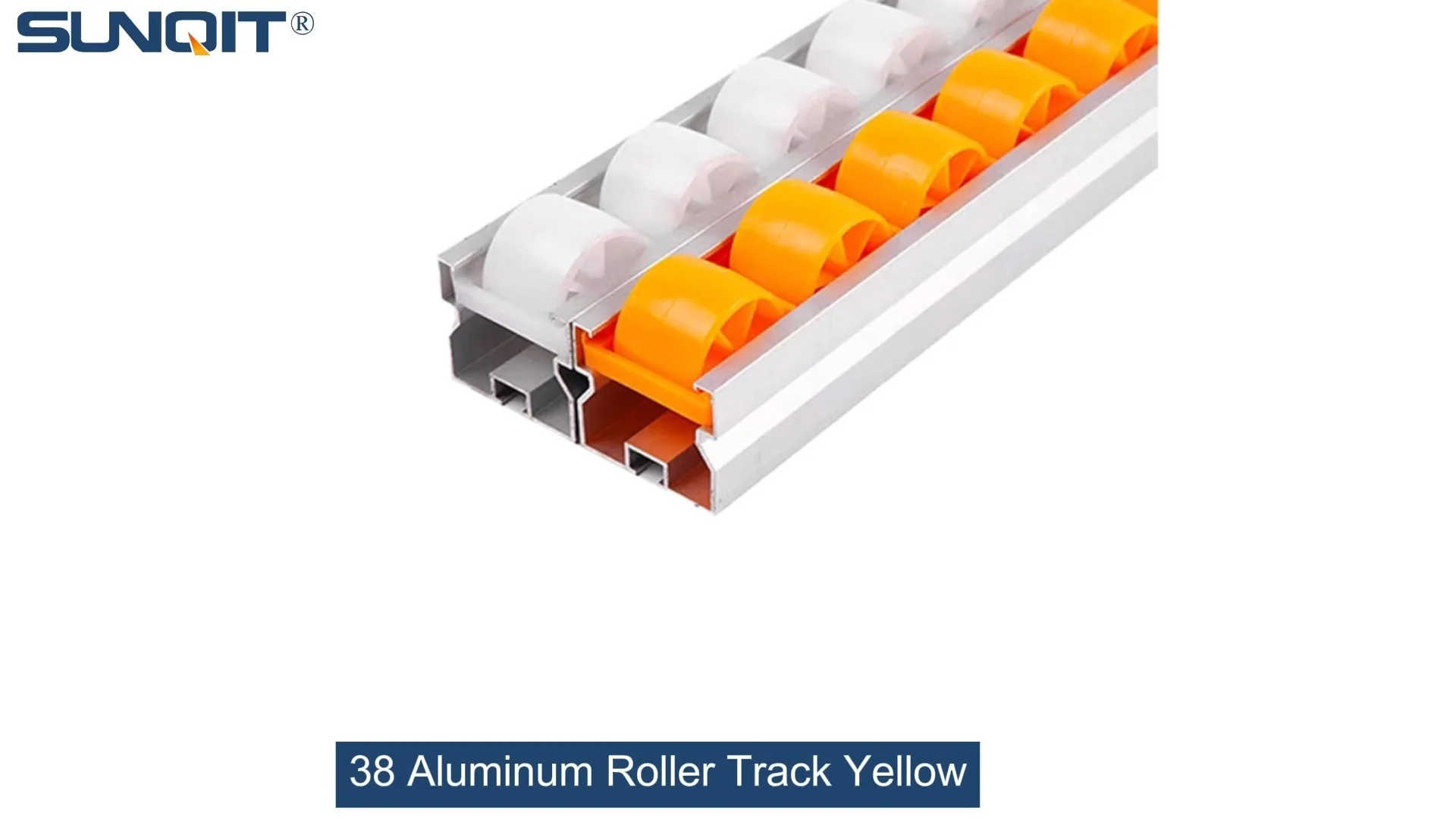
38 Aluminum Roller Track Yellow: Key Features and Specifications Explained
Let's be honest—material handling is the unsung hero of any manufacturing line. When parts glide smoothly from point A to B, everything feels like a well-oiled machine. But when they get stuck, slow down, or fall off the track? It's a recipe for delays, frustration, and wasted time. That's where the 38 aluminum roller track yellow comes in. This little component might not seem like much at first glance, but it's a game-changer for anyone looking to streamline their production processes and embrace lean principles.
Whether you're running a 3C assembly line, a medical device manufacturing facility, or a warehouse logistics operation, this roller track is designed to make your life easier. It's not just a piece of metal with rollers—it's a core part of building efficient lean systems that adapt to your changing needs. Let's dive deep into what makes this track so special, its specs, and how it fits into your daily operations.
Key Features That Make This Roller Track Stand Out
Let's start with the features that set this 38 aluminum roller track yellow apart from the crowd. Each feature is designed with real-world manufacturing challenges in mind, so you know it's not just hype.
1. Durable Aluminum Construction
First things first—this track is made from high-quality aluminum. Why aluminum? Because it's the perfect balance of strength and lightweight. Unlike steel tracks that are heavy and hard to move, this aluminum track is easy to reconfigure when you need to adjust your assembly line layout (a big win for lean systems that prioritize flexibility). And since it's corrosion-resistant, you don't have to worry about it rusting—even if you're working in a damp environment like a medical device cleanroom or a warehouse with temperature fluctuations.
The aluminum is coated with a bright yellow finish that's not just for looks. It's scratch-resistant, so it stays looking new even after months of heavy use. Plus, the thickness of the aluminum (1.5mm, to be exact) gives it the strength to handle up to 100kg per meter—more than enough for most small to medium-sized parts like 3C components, medical device parts, or automotive accessories.
2. Bright Yellow Color for Enhanced Visibility
Ever walked into a busy factory and struggled to see where the material flow goes? The bright yellow color of this track solves that problem. It stands out against the gray or metal backgrounds of most workstations, so workers can quickly identify the flow path of parts. This reduces the risk of accidents (like tripping over an unmarked track) and helps new employees learn the line layout faster.
For example, in a 3C assembly line where workers are handling tiny smartphone parts, the yellow track makes it easy to see where the next batch of screens is coming from. No more squinting or searching—just a clear, visible path that keeps the line moving.
3. Smooth-Rolling Rollers for Uninterrupted Flow
The rollers on this track are designed to spin freely with minimal friction. Each roller is 38mm in diameter (hence the name) and made from hard-wearing plastic that's gentle on parts—so you don't have to worry about scratching delicate items like medical sensors or smartphone casings. The spacing between rollers is 50mm, which means even small parts won't get stuck between them.
I remember visiting a 3C factory last year where they switched from a plastic track to this aluminum one. The manager told me that stuck parts decreased by 70% almost overnight. That's the kind of impact a smooth-rolling track can have.
4. Flexible Compatibility with Lean Components
One of the best things about this track is how well it plays with other lean components. Whether you're building a flow rack, a conveyor system, or a custom workstation, this track integrates seamlessly with lean pipe systems, aluminum profile accessories, and adjustable leveling feet. You don't need special tools or expertise to connect it—just a few connectors and a bit of time.
For example, if you want to add this track to a lean pipe workstation, you can use a lean pipe clamp to attach it to the workstation frame. Or if you're building a flow rack for kanban, you can use aluminum profile connectors to link multiple tracks together. The possibilities are endless, and that flexibility is key for lean solutions that need to adapt to your unique needs.
5. Reusable and Sustainable Design
Lean manufacturing is all about reducing waste and improving sustainability, and this track checks both boxes. Unlike disposable plastic tracks that end up in landfills, this aluminum track is reusable. If you change your assembly line layout, you can take it apart and reuse the parts elsewhere. This not only saves you money but also aligns with the lean of "sustainable improvement" that's so important for modern manufacturing.
Let's say you're switching from assembling smartphones to tablets. Instead of buying new tracks, you can reconfigure the existing 38 aluminum roller track yellow to fit the new line. That's the kind of long-term value that makes this track a smart investment.
Detailed Specifications: Everything You Need to Know
Numbers matter when it comes to manufacturing components. Below is a comprehensive table of the 38 aluminum roller track yellow's specifications, so you can make an informed decision.
| Specification | Details |
|---|---|
| Track Type | 38 Aluminum Roller Track Yellow |
| Roller Diameter | 38mm |
| Aluminum Thickness | 1.5mm |
| Track Width | 100mm |
| Roller Spacing | 50mm |
| Max Load Capacity (per meter) | 100kg |
| Material | Aluminum Alloy (6063-T5) |
| Surface Treatment | Anodized + Yellow Powder Coating |
| Compatible Profile Sizes | 2020, 3030, 4040 Aluminum Profiles |
| Compatible Accessories | End Support with Stop, Roller Track Connector, Adjustable Leveling Feet, Lean Pipe Clamp |
| Operating Temperature Range | -10°C to 60°C |
| Length Options | 1000mm, 1200mm, 1500mm (custom lengths available) |
These specs are designed to cover most common manufacturing needs, but if you have a unique requirement (like a longer track or higher load capacity), custom options are available. That's the beauty of working with suppliers who offer lean solutions—they adapt to your needs, not the other way around.

How This Roller Track Fits Into Your Lean Systems
Lean manufacturing is all about eliminating waste and optimizing flow. This 38 aluminum roller track yellow is a key component of any lean system, and here's how it integrates with core lean components:
1. Part of a Lean Pipe System
A lean pipe system is the backbone of many modern assembly lines. It uses aluminum pipes and connectors to build flexible workstations, material racks, and flow racks. This roller track fits perfectly into this system—you can attach it to lean pipes using clamps, or use it as a part of a lean pipe workstation to feed parts directly to workers. For example, if you're building a lean pipe workstation for 3C assembly, adding this track to the side lets workers access parts without leaving their seats, reducing movement waste.
2. Essential for Flow Racks
Flow racks are a staple of kanban systems, where parts are stored in bins that slide down the rack as the front bin is emptied. This roller track is ideal for flow racks because its smooth rollers allow bins to slide easily (FIFO—first in, first out). The bright yellow color also makes it easy to see which bins are empty, so workers can restock them quickly. In a warehouse logistics setting, this means faster picking times and fewer stockouts.
3. Integral to Conveyor Systems
Conveyors are used to move parts between stations in a production line. This roller track can be used to build custom conveyor systems—either as a standalone track or as part of a larger conveyor setup. For example, in an automotive parts factory, this track can be used to move small components like screws or bolts from the warehouse to the assembly line. The lightweight aluminum makes it easy to adjust the conveyor's layout if the line changes.
4. A Core Component of Lean Solutions
Lean solutions are custom-designed to solve specific manufacturing problems. Whether you're in the 3C industry (needing to handle tiny parts) or the medical industry (needing sterile material flow), this roller track is a key part of those solutions. For example, a medical device manufacturer might use this track in a lean solution to move sterile parts from the cleanroom to the assembly line—its corrosion resistance and easy-to-clean surface make it perfect for this use case.

Real-World Application Scenarios
Let's talk about how this roller track is used in actual manufacturing settings. These examples will help you visualize how it can benefit your operation.
Scenario 1: 3C Assembly Line
A 3C manufacturer in Shenzhen was struggling with slow material flow between their soldering and testing stations. Workers had to walk 5 meters to pick up parts, which wasted 15 minutes per hour per worker. They decided to install the 38 aluminum roller track yellow between the two stations, connecting them with a small conveyor system.
The result? Workers no longer had to walk to pick up parts—they glided directly to their workstations. Productivity increased by 20%, and the manufacturer saved over $10,000 in labor costs in the first month alone. The bright yellow track also made it easier for new workers to learn the line layout, reducing training time by half.
Scenario 2: Medical Device Manufacturing
A medical device company in Guangzhou needed a way to move sterile surgical instrument parts from the cleanroom to the assembly line without contamination. They chose this roller track because of its corrosion resistance and easy-to-clean surface. The track was installed in a closed conveyor system, and the bright yellow color made it easy to see if any parts were stuck.
The track's smooth rollers ensured that parts didn't get damaged, and the aluminum material was compatible with the cleanroom's strict hygiene standards. This solution helped the company meet FDA regulations and reduce contamination-related delays by 30%.
Scenario 3: Warehouse Logistics
A warehouse in Shanghai was using plastic tracks for their flow racks, but they kept breaking under heavy loads. They switched to the 38 aluminum roller track yellow, and the difference was night and day. The aluminum tracks could handle heavier bins (up to 100kg), and the smooth rollers reduced the effort needed to slide bins. Picking times decreased by 15%, and the warehouse saved money by not having to replace broken plastic tracks every few months.
Compatibility with Other Lean Components
This roller track doesn't work in isolation—it's designed to integrate with a wide range of lean components. Let's look at some of the key accessories you can use with it:
1. Aluminum Profile Accessories
Aluminum profile accessories like connectors, end supports, and leveling feet are essential for integrating this track into your system. For example, the end support with stop prevents bins from falling off the end of the track, while the roller track connector lets you link multiple tracks together. These accessories are easy to install—no welding or special tools needed.
2. Lean Pipe Workbenches
Lean pipe workbenches are used in many industries to build flexible workstations. This roller track can be attached to the side of a workbench using a lean pipe clamp, allowing workers to access parts directly from the track. For example, a worker assembling a smartphone can have the screen parts slide down the track to their workstation, reducing movement waste.
3. Adjustable Leveling Feet
Leveling feet are important for ensuring that the track is level—if it's not, parts might get stuck or slide too fast. This track is compatible with adjustable leveling feet, which let you adjust the height of the track to match your workstation or conveyor system. This is especially useful in uneven floors or when you need to align the track with other components.
Installation & Maintenance Tips for Long-Lasting Use
Installing and maintaining this roller track is easy—here are some tips to help you get the most out of it:
Installation Tips
- Measure twice, cut once: Before installing the track, measure the space where you want to put it. If you need a custom length, most suppliers can cut it for you.
- Use the right accessories: Make sure you have the correct connectors and end supports for your track. If you're unsure, ask your supplier for advice—they're experts in lean solutions.
- Keep it level: Use a spirit level to ensure the track is level. If it's not, use adjustable leveling feet to fix it. A level track ensures parts slide smoothly.
- Secure it properly: Make sure all connectors are tight to prevent the track from moving. Loose connectors can cause parts to get stuck or fall off.
Maintenance Tips
- Clean regularly: Wipe the track with a dry cloth every week to remove dust and debris. This prevents rollers from getting stuck.
- Lubricate rollers: Every month, add a drop of silicone oil to each roller. This keeps them spinning smoothly.
- Check for damage: Every quarter, inspect the track for any damage (like bent rollers or scratch marks). If you find any, replace the damaged parts immediately.
- Avoid harsh chemicals: Don't use strong cleaning chemicals (like bleach) on the track—they can damage the yellow coating. Stick to mild soap and water if you need to clean it more thoroughly.
Pro Tip: If you're reconfiguring your line, don't throw away old track parts—reuse them! This aligns with lean principles and saves you money. For example, a short piece of track can be used as a part of a small flow rack or a workstation accessory.
Why Choose This Track Over Others?
You might be wondering: Why should I choose this 38 aluminum roller track yellow over other options? Let's compare it to common alternatives:
vs. Plastic Roller Tracks
Plastic tracks are cheap, but they're not durable. They break easily under heavy loads, and they can warp in high temperatures. This aluminum track is stronger, more durable, and corrosion-resistant. It might cost a bit more upfront, but it lasts longer—so you save money in the long run.
vs. Steel Roller Tracks
Steel tracks are strong, but they're heavy and hard to move. This aluminum track is lightweight, so you can reconfigure it easily. It's also corrosion-resistant, which steel isn't (unless it's stainless steel, which is more expensive). The bright yellow color is another plus—steel tracks are usually plain, so they're harder to see.
vs. Plain Aluminum Tracks
Plain aluminum tracks are good, but the bright yellow coating of this track makes it more visible. It's also scratch-resistant, so it stays looking new longer. The yellow color is a small detail, but it makes a big difference in busy manufacturing environments.
Final Thoughts: Is This Roller Track Right for You?
The 38 aluminum roller track yellow is more than just a component—it's a tool that helps you build efficient, flexible, and sustainable lean systems. Whether you're in the 3C industry, medical device manufacturing, or warehouse logistics, this track is designed to solve your material handling problems.
Its durable aluminum construction, bright yellow color, smooth rollers, and compatibility with lean components make it a smart investment for any manufacturing operation. And since it's reusable and adaptable, it aligns with the lean of "sustainable improvement" that's so important today.
If you're looking to streamline your material flow, reduce waste, and improve productivity, this roller track is definitely worth considering. It's not just a track—it's a step toward building a better manufacturing process.