- Company Articles
- Products and Technology
- Installation And Maintenance
- 38 Aluminum Roller Track Yellow Maintenance: Pro Tips for Longevity

38 Aluminum Roller Track Yellow Maintenance: Pro Tips for Longevity
Related Product
38 Aluminum Roller Track Yellow
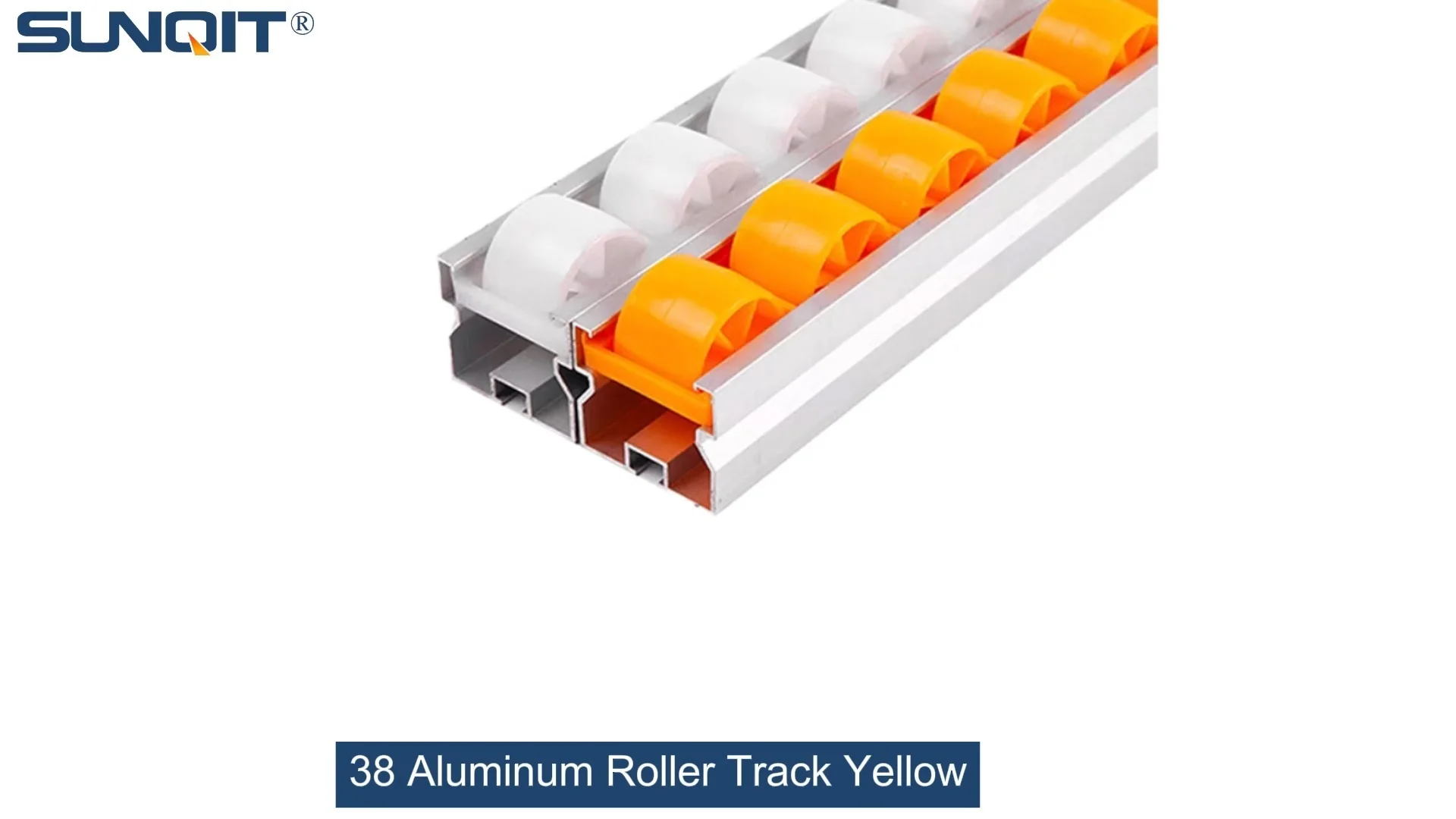
Durable and smooth-running modular roller rails. The system is fully assembled. The roller rail profile contains plastic rollers mounted on steel axles. Aluminum frame with plastic wheel make it anti corrosion,and material convey more smooth.
38 Aluminum Roller Track Yellow Maintenance: Pro Tips for Longevity
Why Your 38 Aluminum Roller Track Yellow Deserves Regular Love
If you're in manufacturing—whether it's 3C assembly, medical device production, or warehouse logistics—you know how critical every small component is to keeping your lines moving. The 38 aluminum roller track yellow is one of those unsung heroes: it's the backbone of flow racks, a key part of conveyor systems, and a staple in lean system setups. It quietly moves parts from point A to point B, day in and day out, without much fanfare. But when it breaks down? Suddenly, your entire production line can grind to a halt, costing you time, money, and frustration.
This track isn't just a piece of metal and plastic—it's an investment in your operation's efficiency. Designed with durability in mind (thanks to its aluminum frame and yellow plastic guide rails), it's built to last. But like any hardworking tool, it needs regular care to live up to its full potential. Neglecting maintenance means you'll be replacing parts more often, dealing with unexpected downtime, and missing out on the lean system's promise of sustainable improvement.
In this guide, we'll dive deep into everything you need to know to keep your 38 aluminum roller track yellow running smoothly for years. We'll cover daily checks, weekly cleans, monthly lubrication, and more—plus troubleshooting common issues and sharing pro tips to extend its lifespan. Let's get started.
Getting to Know Your 38 Aluminum Roller Track Yellow
Before we jump into maintenance, let's make sure you understand what you're working with. The 38 aluminum roller track yellow is a modular component that combines an aluminum profile frame with yellow plastic roller guides and stainless steel bearings. Here's a breakdown of its key parts:
Core Components
Aluminum Frame:
The sturdy base of the track, made from lightweight but strong aluminum. It's resistant to corrosion (if cared for properly) and easy to assemble using aluminum profile accessories.
Yellow Plastic Roller Guides:
These are the visible part of the track—they guide materials along the path and protect the rollers from wear. The yellow color is intentional: it's highly visible, making it easy to spot debris or damage.
Rollers & Bearings:
The heart of the track. Each roller is fitted with a bearing to ensure smooth rotation. For the 38 aluminum track, the rollers are typically 38mm in diameter (hence the name).
Connectors & End Caps:
These aluminum profile accessories hold the track together and attach it to flow racks or conveyor systems. They include screws, brackets, and end caps that prevent debris from entering the track.
Understanding these components will help you target your maintenance efforts. For example, if the track is noisy, the issue is likely with the bearings. If materials are sticking, check the yellow guides for debris or wear.
Pre-Maintenance Prep: Tools & Safety
You don't need fancy tools to maintain your 38 aluminum roller track yellow—most of what you need is already in your maintenance closet. Here's a list of essential tools:
- Soft-bristled brush (to remove dust and debris)
- Compressed air can (or air compressor) for hard-to-reach areas
- Silicone-based lubricant (compatible with plastic and aluminum)
- Screwdriver set (Phillips and flathead) for tightening aluminum profile accessories
- Spirit level (to check alignment)
- Microfiber cloth (for wiping down the frame and guides)
- Mild detergent (for tough stains—avoid harsh chemicals)
Safety First
Maintenance should never come at the cost of safety. Follow these rules before you start:
1.
Stop the Equipment:
If the track is part of a conveyor system, turn off the power and lock it out (using lockout/tagout procedures) to prevent accidental startup.
2.
Wear Protective Gear:
Gloves to protect your hands from sharp edges or lubricant, and safety glasses to shield your eyes from flying debris.
3.
Clear the Area:
Remove any materials or products from the track to avoid damage or obstruction during maintenance.
Step-by-Step Maintenance Routine
Consistency is key to keeping your track in top shape. We've broken down the maintenance routine into five frequency levels: daily, weekly, monthly, quarterly, and semi-annual. Use the table below as a quick reference, then read on for detailed instructions.
| Frequency | Key Tasks | Tools Needed |
|---|---|---|
| Daily | Visual inspection for debris, loose parts, and unusual noise; remove surface dirt. | Microfiber cloth, soft brush |
| Weekly | Deep clean rollers and guides; check for stuck rollers. | Compressed air, soft brush, mild detergent (if needed) |
| Monthly | Lubricate bearings; check roller rotation. | Silicone lubricant, microfiber cloth |
| Quarterly | Tighten aluminum profile accessories; check alignment; inspect for corrosion. | Screwdriver set, spirit level, microfiber cloth |
| Semi-Annual | replace worn parts (yellow guides, bearings); overhaul the track. | All tools above, replacement parts (guides, bearings, accessories) |
Daily Checks: Quick & Effective
Daily checks take 5-10 minutes and can prevent small issues from turning into big problems. Here's what to do:
1.
Visual Inspection:
Walk along the track and look for any obvious issues—debris stuck in the yellow guides, loose end caps, or rollers that are bent or cracked.
2.
Noise Check:
If the track is part of a conveyor system, run it for a few seconds (after safety prep) and listen for unusual noises—grinding, squeaking, or rattling. These are signs of worn bearings or loose parts.
3.
Debris Removal:
Use a microfiber cloth or soft brush to wipe away any surface dirt or debris from the yellow guides and rollers. Pay special attention to the gaps between rollers, as debris here can cause materials to stick.
Weekly Deep Clean: Get Rid of Hidden Dirt
Weekly cleans are more thorough and target dirt that builds up over time. Follow these steps:
1.
Blow Away Dust:
Use compressed air to blow dust from the bearings and the gaps between the yellow guides. Hold the air nozzle at a 45-degree angle to avoid damaging the bearings.
2.
Brush Hard-to-Reach Areas:
Use a soft-bristled brush to scrub the yellow guides and roller surfaces. For tough stains, dampen the brush with a mild detergent solution (water + a drop of dish soap) and gently scrub—avoid getting water on the aluminum frame (it can cause corrosion).
3.
Wipe Dry:
Use a microfiber cloth to wipe the entire track dry. Make sure there's no moisture left on the rollers or bearings.
Monthly Lubrication: Keep It Smooth
Lubrication is essential for keeping the rollers spinning smoothly. Here's how to do it right:
1.
Choose the Right Lubricant:
Use a silicone-based lubricant—oil-based lubricants attract dust and can damage the yellow plastic guides. Avoid WD-40 (it's a degreaser, not a lubricant).
2.
Apply Lubricant:
Put a small drop of lubricant on each bearing (you can find the bearing at the end of each roller). Don't overdo it—too much lubricant will drip and attract dust.
3.
Spin the Rollers:
After applying lubricant, spin each roller a few times to distribute the lubricant evenly. Wipe off any excess with a microfiber cloth.
Quarterly Adjustments: Keep It Aligned
Quarterly checks focus on alignment and stability. Here's what to do:
1.
Check Alignment:
Place a spirit level on the track. If it's not level, adjust the legs of the flow rack or conveyor system. For tracks attached to walls, tighten the aluminum profile accessories that hold it in place.
2.
Tighten Loose Parts:
Use a screwdriver to tighten any loose screws, brackets, or end caps. Loose aluminum profile accessories can cause the track to wobble, leading to uneven material flow.
3.
Test Roller Rotation:
Spin each roller to ensure it rotates smoothly. If a roller is stuck or slow, check for debris or worn bearings (you may need to replace the bearing).
Semi-Annual Overhaul: replace Worn Parts
Every six months, take the time to overhaul the track. This will extend its lifespan significantly:
1.
Inspect for Wear:
Check the yellow guides for cracks, scratches, or discoloration. If they're worn, replace them—worn guides can damage materials and slow down flow.
2.
replace Bearings:
If any rollers are noisy or don't spin smoothly, replace the bearings. To do this, remove the end cap, pull out the roller, and swap the old bearing with a new one.
3.
Check for Corrosion:
Look for any signs of corrosion on the aluminum frame. If you see rust spots, use a mild abrasive (like a soft sponge) to remove them, then wipe the area with a dry cloth. Apply a thin layer of anti-corrosion spray to protect the frame.
4.
Test the Track:
After replacing parts, run the track (or conveyor system) for a few minutes to ensure everything works correctly. Check for noise, alignment, and smooth material flow.
Troubleshooting Common Issues
Even with regular maintenance, you may encounter issues. Here's how to fix the most common problems:
Issue 1: Rollers Are Sticking
Causes:
Debris in the bearings, lack of lubrication, or worn yellow guides.
Fix:
First, clean the bearings with compressed air. If that doesn't work, lubricate the bearings. If the rollers still stick, check the yellow guides—if they're worn, replace them.
Issue 2: Materials Are Slowing Down or Sticking
Causes:
Debris in the yellow guides, misaligned track, or worn rollers.
Fix:
Clean the yellow guides with a brush and compressed air. Check the track alignment with a spirit level. If materials still stick, replace any worn rollers.
Issue 3: Unusual Noise (Grinding/Squeaking)
Causes:
Worn bearings, loose aluminum profile accessories, or misaligned track.
Fix:
Lubricate the bearings. If the noise persists, replace the bearings. Tighten any loose accessories and check the track alignment.
Issue 4: Corrosion on the Aluminum Frame
Causes:
Exposure to moisture or harsh chemicals.
Fix:
Remove the corrosion with a soft sponge and mild detergent. Wipe dry, then apply an anti-corrosion spray. To prevent future corrosion, avoid getting water on the frame and keep the area around the track dry.
Pro Tips for Extending Lifespan
Want to get the most out of your 38 aluminum roller track yellow? Follow these pro tips:
Tip 1:
Train your operators to spot issues early. Teach them to report debris, unusual noise, or stuck rollers immediately—this can prevent downtime.
Tip 2:
Use original replacement parts. Cheap knockoffs may save you money upfront, but they wear out faster and can damage your track. Stick to genuine aluminum profile accessories and yellow guides.
Tip 3:
Don't overload the track. Every track has a weight limit—check the manufacturer's specs and never exceed it. Overloading can bend the aluminum frame or damage the rollers.
Tip 4:
Store spare parts. Keep extra yellow guides, bearings, and aluminum profile accessories on hand. This way, you can replace worn parts immediately without waiting for deliveries.
Tip 5:
Keep the area clean. Debris from the production line is the biggest enemy of your track. Implement a daily cleaning routine for the area around the track to reduce dust and dirt.
Case Study: How Maintenance Saved a 3C Assembly Line
Let's look at a real-world example of how regular maintenance makes a difference. A 3C assembly plant in Shenzhen used 38 aluminum roller track yellow in their flow racks and conveyor systems to move phone components. For years, they only did maintenance when something broke—resulting in monthly downtime of 4-5 hours. The track's lifespan was only 3 years, and they were replacing entire tracks every few months.
Then, they implemented the maintenance routine we outlined. Here's what happened:
-
Downtime dropped:
Monthly downtime went from 4-5 hours to 1-2 hours.
-
Lifespan extended:
The track's lifespan increased from 3 years to 5 years.
-
Cost savings:
They saved over $10,000 per year by not replacing entire tracks and reducing downtime.
The plant manager noted: "We used to see the track as a disposable component, but now we realize it's an investment. Regular maintenance not only saves us money but also keeps our lean system running smoothly—we're able to meet our production targets without unexpected delays."
Final Thoughts
The 38 aluminum roller track yellow is more than just a piece of equipment—it's a critical part of your lean system, flow racks, and conveyor lines. By following the maintenance routine outlined in this guide, you can extend its lifespan, reduce downtime, and save money. Remember: maintenance isn't a chore—it's an investment in your operation's success.
Whether you're a maintenance tech or a plant manager, taking the time to care for your track will pay off in the long run. So grab your tools, set up a schedule, and give your 38 aluminum roller track yellow the love it deserves.