- Company Articles
- Products and Technology
- Installation And Maintenance
- 38 Aluminum Roller Track Yellow Troubleshooting: Common Issues & Fixes

38 Aluminum Roller Track Yellow Troubleshooting: Common Issues & Fixes
Related Product
38 Aluminum Roller Track Yellow
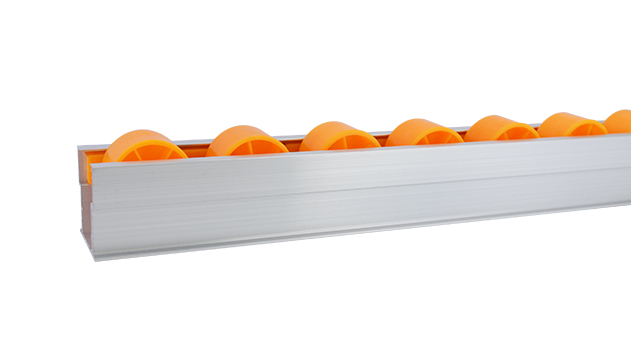
Durable and smooth-running modular roller rails. The system is fully assembled. The roller rail profile contains plastic rollers mounted on steel axles. Aluminum frame with plastic wheel make it anti corrosion,and material convey more smooth.
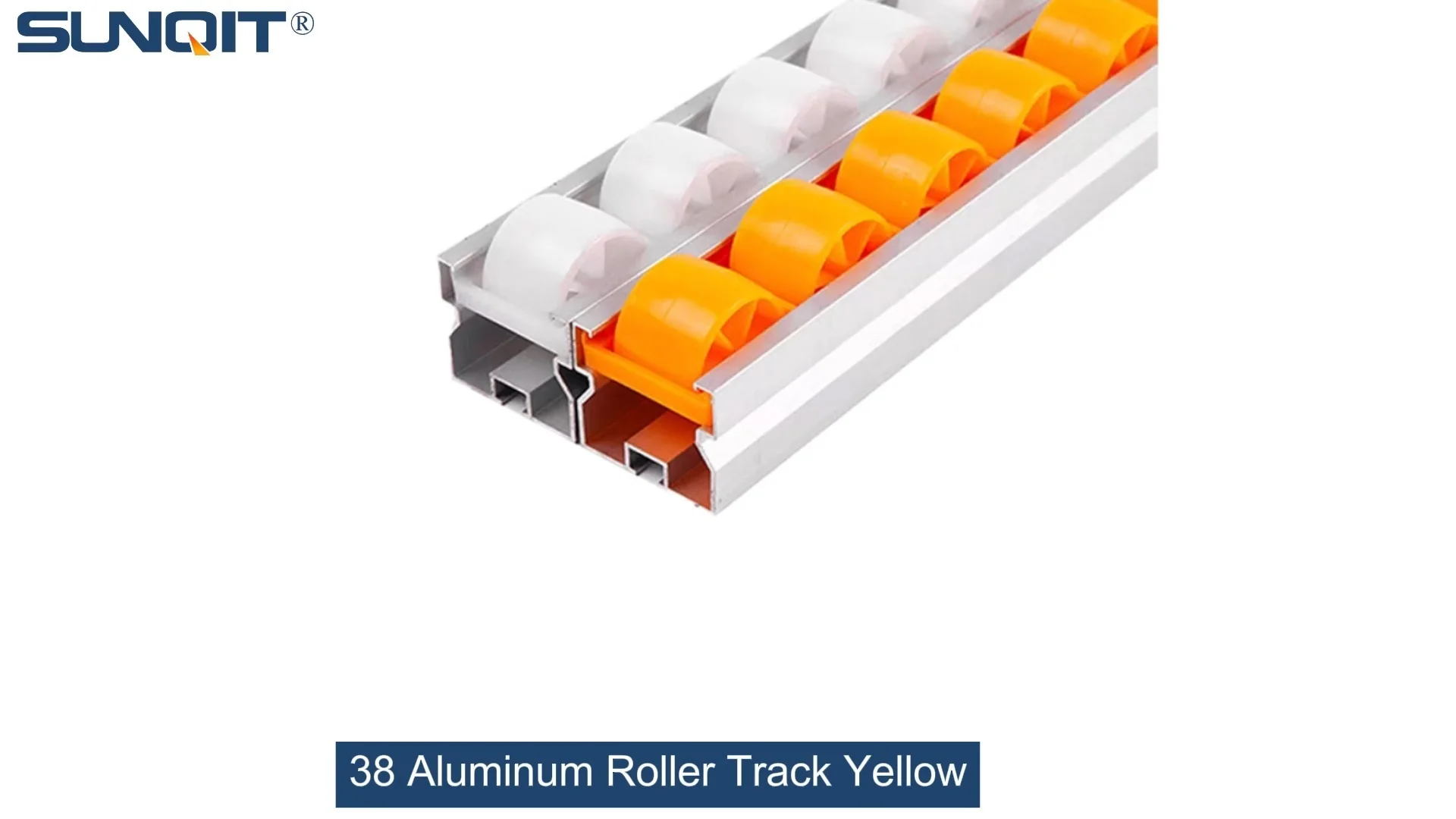
Roller tracks are the unsung heroes of efficient material handling in manufacturing and logistics. Among the most versatile options is the 38 Aluminum Roller Track Yellow, a staple in flow racks, conveyors, and lean pipe systems. Its bright yellow coating not only enhances visibility but also adds a layer of protection against wear and tear. However, like any piece of equipment, it can encounter issues that disrupt workflow. In this comprehensive guide, we'll dive into the most common problems with the 38 Aluminum Roller Track Yellow, their root causes, and step-by-step fixes to keep your operations running smoothly.
Whether you're managing a production line or a warehouse, understanding how to troubleshoot these issues can save time, reduce downtime, and extend the lifespan of your equipment. We'll also touch on preventive maintenance tips and when to seek help from a lean solution provider for more complex challenges.
Common Issues & Troubleshooting
1. Rollers Not Rotating Smoothly
Symptoms: Items move sluggishly along the track, or some rollers stop spinning entirely. This can slow down material flow and lead to bottlenecks in your process, especially in high-volume environments where every second counts.
Causes: The most common reasons for this issue include:
- Accumulation of dirt, dust, or debris in the roller bearings or around the roller shafts, which creates friction and hinders movement.
- Worn-out or damaged bearings due to prolonged use without lubrication, leading to increased resistance.
- Misalignment of rollers, causing uneven pressure and friction as items pass over them.
- Corrosion on the roller shafts, especially in humid environments where moisture can seep into the bearings.
Fixes:
- **Clean the Rollers and Bearings**: Start by disconnecting the track from the frame using appropriate tools to avoid damaging aluminum profile accessories. Use a soft brush or compressed air to remove loose debris from the rollers and bearings. For stubborn grime, mix a mild detergent (like dish soap) with warm water and gently scrub the affected areas with a sponge. Rinse thoroughly and dry with a clean towel to prevent water spots or corrosion.
- **Lubricate the Bearings**: Apply a light, non-corrosive lubricant such as WD-40 Specialist Silicone Lubricant, which is ideal for metal parts and doesn't attract dust. Apply a small drop to each bearing, then rotate the roller manually several times to ensure the lubricant penetrates deep into the bearing. Avoid over-lubricating as this can lead to oil buildup that traps dirt and debris over time.
- **Inspect and replace Worn Bearings**: If cleaning and lubrication don't resolve the issue, check the bearings for signs of wear such as cracks, rust, or excessive play. To test for play, hold the roller firmly and wiggle it side to side—if there's significant movement, the bearing needs replacement. replace any damaged bearings with compatible parts that match the specifications of the 38mm roller track to ensure proper fit and function.
- **Adjust Roller Alignment**: Check if the rollers are properly aligned along the track using a straightedge. If some rollers are tilted or out of position, adjust the mounting brackets (part of the aluminum profile accessories) by loosening the bolts, repositioning the roller to be parallel with the track, and tightening the bolts back to the recommended torque. Ensure all rollers are at the same height to prevent items from veering off course.
2. Track Misalignment Leading to Material Jams
Symptoms: Items get stuck halfway along the track, or they veer off course, falling onto the floor. This is a common issue in flow racks where materials are supposed to glide smoothly from one end to the other, and it can cause significant delays in production or order fulfillment.
Causes:
- Loose connections between the roller track and the supporting frame, often due to vibrations from constant use loosening bolts and nuts on aluminum profile accessories.
- Uneven flooring causing the track to tilt to one side, which disrupts the natural flow of materials.
- Improper installation where the track sections are not joined correctly, leaving gaps or overlaps that catch items.
- Wear and tear on the mounting brackets, leading to shifting over time as the brackets lose their structural integrity.
Fixes:
- **Tighten All Connections**: Inspect every bolt, nut, and clip that attaches the track to the frame. Use a torque wrench to tighten them to the manufacturer's recommended specifications—this ensures they are secure without being over-tightened, which can damage the aluminum profile accessories. Pay special attention to the connectors that join track sections together, as these are often the first to loosen.
- **Level the Supporting Structure**: Place a spirit level on the frame holding the track to identify any uneven areas. If the frame is tilted, adjust the leveling feet (if available) by turning them clockwise or counterclockwise to raise or lower the frame. If leveling feet aren't present, add shims under the frame to create a stable, flat surface. Recheck the level after adjustments to ensure accuracy.
- **Rejoin Track Sections**: If the track is made of multiple sections, ensure they are aligned perfectly using a straightedge. If there's a gap or overlap between sections, loosen the connectors, reposition the sections so they are flush, and retighten the connectors. For added stability, apply a small amount of thread locker to the bolts to prevent them from loosening again due to vibrations.
- **replace Worn Mounting Brackets**: If the brackets are bent or cracked, replace them with new aluminum profile accessories. Choose brackets that are designed for the 38mm roller track to ensure compatibility. When installing new brackets, align them carefully to avoid future misalignment issues.
3. Yellow Coating Peeling or Chipping
Symptoms: The bright yellow coating on the rollers or track frame starts to peel off, exposing the aluminum underneath. This not only affects the aesthetic appeal of the track but also makes the metal more susceptible to corrosion, which can lead to further damage over time.
Causes:
- Abrasion from heavy or sharp-edged materials sliding over the track, which wears away the coating.
- Chemical exposure from cleaning agents or industrial fluids that react with the coating, causing it to peel.
- Poor handling during installation or maintenance, leading to scratches and dents that compromise the coating.
- Low-quality coating application during manufacturing, where the coating doesn't adhere properly to the aluminum surface.
Fixes:
- **Touch Up Peeling Areas**: For small areas of peeling, start by sanding the exposed aluminum lightly with fine-grit sandpaper (220 grit) to create a rough surface for the paint to adhere to. Wipe away any dust with a clean cloth, then apply a matching yellow paint specifically designed for metal surfaces. Use a small brush to apply the paint in thin, even coats, allowing each coat to dry completely before applying the next. This will ensure a smooth, durable finish.
- **Use Protective Covers**: To prevent further damage, consider using protective sleeves or mats on the track when handling sharp or heavy items. For example, rubber mats can reduce abrasion from metal parts, while plastic sleeves can protect the coating from chemical spills. Ensure the covers are compatible with the 38mm track size and don't interfere with material flow.
- **Avoid Harsh Chemicals**: When cleaning the track, use mild, non-abrasive cleaning agents like dish soap or a specialized metal cleaner. Avoid strong solvents such as acetone or bleach, which can damage the coating. Always test a small, inconspicuous area before applying any new cleaner to ensure it doesn't affect the yellow coating.
- **replace Damaged Rollers**: If the coating on the rollers is severely peeling or chipped, it's better to replace them. This ensures smooth operation and prevents corrosion from spreading to other parts of the track. Choose rollers with a high-quality, durable coating to extend their lifespan.

4. Excessive Noise During Operation
Symptoms: The roller track makes loud squeaking, grinding, or rattling noises when materials are moving. This can be distracting for workers, reduce productivity, and indicate underlying mechanical issues that need attention.
Causes:
- Dry or worn bearings, which create friction as the rollers rotate.
- Loose parts like bolts, nuts, or roller shafts that vibrate during operation.
- Damaged or bent rollers that rub against the track frame, causing grinding noises.
- Materials that are not properly loaded, causing uneven pressure on the rollers and leading to rattling.
Fixes:
- **Lubricate Bearings**: As mentioned earlier, lubrication is key to reducing friction and noise. Apply a suitable lubricant like silicone-based oil to all bearings, then rotate the rollers manually to distribute the lubricant evenly. For high-use tracks, lubricate the bearings every two weeks instead of monthly to maintain optimal performance.
- **Tighten Loose Parts**: Inspect all fasteners, including bolts, nuts, and clips, and tighten them if necessary. Pay special attention to the connections between the track and the frame, as well as the roller shafts. Use a torque wrench to ensure the fasteners are tightened to the recommended specifications, which prevents over-tightening and damage.
- **replace Damaged Rollers**: If a roller is bent or cracked, it will rub against the frame, causing noise. To check for damage, rotate the roller and listen for grinding sounds or look for visible cracks. replace any damaged rollers immediately to prevent further damage to the track and ensure smooth operation.
- **Ensure Proper Loading**: Train workers to load materials correctly by placing them centrally on the track and distributing weight evenly. Avoid placing heavy items on one side of the track, as this can cause uneven pressure and rattling. For irregularly shaped items, use containers or trays to ensure they sit flat on the track.

5. Reduced Load Capacity and Bending
Symptoms: The track bends under the weight of materials, or it can no longer support the intended load. This is a serious issue that can lead to equipment damage, product loss, and safety hazards for workers.
Causes:
- Overloading the track beyond its specified capacity, which strains the aluminum structure.
- Weak supporting frame that can't handle the weight of the materials, often due to using low-quality aluminum profile accessories or insufficient supports.
- Wear and tear on the track's aluminum structure, reducing its strength over time.
- Improper distribution of weight, with heavy items concentrated in one area, causing localized bending.
Fixes:
- **Check Load Capacity**: Refer to the manufacturer's specifications to confirm the maximum load the 38 Aluminum Roller Track Yellow can handle. For example, many 38mm tracks have a load capacity of 50kg per meter. Ensure that materials being placed on the track do not exceed this limit. If you need to handle heavier loads, consider upgrading to a thicker track or adding additional supports.
- **Reinforce the Supporting Frame**: If the frame is weak, add additional supports using lean pipe and aluminum profile accessories. This could include extra crossbars every 50cm along the frame, vertical posts at key intervals, or diagonal braces to distribute weight more evenly. Consult a lean solution provider for advice on the best reinforcement options for your specific needs.
- **replace Worn Track Sections**: If the track itself is bent or damaged, replace the affected sections immediately. Bent tracks can cause materials to jam or fall off, leading to safety hazards. Choose replacement sections that match the original track's specifications to ensure compatibility and maintain the track's structural integrity.
- **Distribute Weight Evenly**: Encourage workers to spread heavy items across the track rather than placing them all in one spot. For example, if you're moving boxes of parts, place them at regular intervals along the track instead of stacking them in one area. This reduces stress on individual parts of the track and prevents bending.
Troubleshooting Quick Reference Table
| Common Issue | Key Symptoms | Primary Causes | Quick Fixes |
|---|---|---|---|
| Rollers Not Rotating Smoothly | Sluggish movement, stuck rollers, increased friction | Dirt/debris buildup, worn bearings, misalignment, corrosion | Clean thoroughly, lubricate bearings, replace worn parts, adjust alignment |
| Track Misalignment & Jams | Items getting stuck, veering off course, falling off track | Loose connections, uneven flooring, improper installation, worn brackets | Tighten fasteners, level frame, rejoin sections, replace brackets |
| Yellow Coating Peeling | Exposed aluminum, aesthetic damage, increased corrosion risk | Abrasion, chemical exposure, poor handling, low-quality coating | Touch up paint, use protective covers, avoid harsh cleaners, replace rollers |
| Excessive Noise | Squeaking, grinding, rattling during operation | Dry bearings, loose parts, damaged rollers, uneven loading | Lubricate bearings, tighten parts, replace rollers, ensure proper loading |
| Reduced Load Capacity | Bending track, inability to support weight, safety hazards | Overloading, weak frame, wear and tear, uneven weight distribution | Check capacity limits, reinforce frame, replace worn sections, distribute weight evenly |
Preventive Maintenance Tips
Preventive maintenance is the best way to avoid most issues with the 38 Aluminum Roller Track Yellow. Here are some detailed tips to keep your track in top condition:
- **Regular Cleaning**: Schedule weekly cleaning sessions to remove dust, debris, and spills from the track and rollers. Use a soft bristle brush to remove loose debris, then wipe the track with a damp cloth. For stubborn stains, use a mild detergent like dish soap diluted in water, then dry with a clean towel to prevent water spots or corrosion. In high-dust environments, clean the track twice a week.
- **Lubrication Schedule**: Lubricate the bearings every month (or every two weeks in high-use areas) using a silicone-based lubricant. Apply a small drop to each bearing, then rotate the roller to distribute the lubricant. Keep a log of lubrication dates to ensure consistency.
- **Monthly Inspections**: Conduct a thorough inspection each month to check for loose parts, worn bearings, peeling coating, and alignment issues. Use a checklist to ensure all areas are covered, and address any problems immediately. For example, if you notice loose bolts during an inspection, tighten them right away to prevent further issues.
- **Proper Training**: Ensure all workers know how to load materials correctly and handle the track with care. Provide training sessions on proper loading techniques, such as placing items centrally and distributing weight evenly. This reduces the risk of damage from improper use.
- **Use Quality Accessories**: When replacing parts, use genuine aluminum profile accessories and compatible components from reputable suppliers. This ensures the track maintains its structural integrity and performance. Avoid using cheap, low-quality parts that can fail quickly and cause more problems.
When to Seek Professional Help
While many issues can be fixed with basic troubleshooting, some problems require expert assistance. Consider reaching out to a lean solution provider if:
- The track is severely bent or damaged beyond repair, such as a large kink in the aluminum structure.
- You're experiencing recurring issues despite following the fixes outlined here, indicating a deeper problem with the system.
- You need to upgrade your system to handle higher loads or more complex material handling needs, such as integrating the track into a larger lean pipe system.
- You require custom modifications to the track or supporting frame, such as adding specialized brackets or adjusting the track's angle.
- You need to replace multiple parts or the entire track, and you want to ensure professional installation for optimal performance.
A reputable lean solution provider can offer tailored advice, high-quality replacement parts, and professional installation services to ensure your roller track operates efficiently for years to come. They can also help integrate the track into a larger lean pipe system, optimizing your entire material handling process to increase productivity and reduce waste.
Conclusion
The 38 Aluminum Roller Track Yellow is a versatile and essential component in flow racks, conveyors, and lean pipe systems. By understanding common issues and their fixes, you can minimize downtime, reduce maintenance costs, and keep your operations running smoothly. Whether you're dealing with stuck rollers, misalignment, peeling coating, excessive noise, or reduced load capacity, the troubleshooting steps outlined in this guide will help you resolve the problem quickly and effectively.
Remember to follow preventive maintenance practices such as regular cleaning, lubrication, and inspections to avoid most issues in the first place. Use quality aluminum profile accessories and compatible parts when replacing components to ensure the track maintains its structural integrity. If you encounter persistent problems or need expert advice, don't hesitate to contact a lean solution provider for professional help.
With the right care and attention, your 38 Aluminum Roller Track Yellow will continue to support efficient material handling in your manufacturing or logistics facility, helping you achieve your lean management goals and improve overall productivity.