- Company Articles
- Products and Technology
- Product knowledge
- 38 Aluminum Roller Track Yellow vs. Stainless Steel: Cost & Performance

38 Aluminum Roller Track Yellow vs. Stainless Steel: Cost & Performance
Related Product
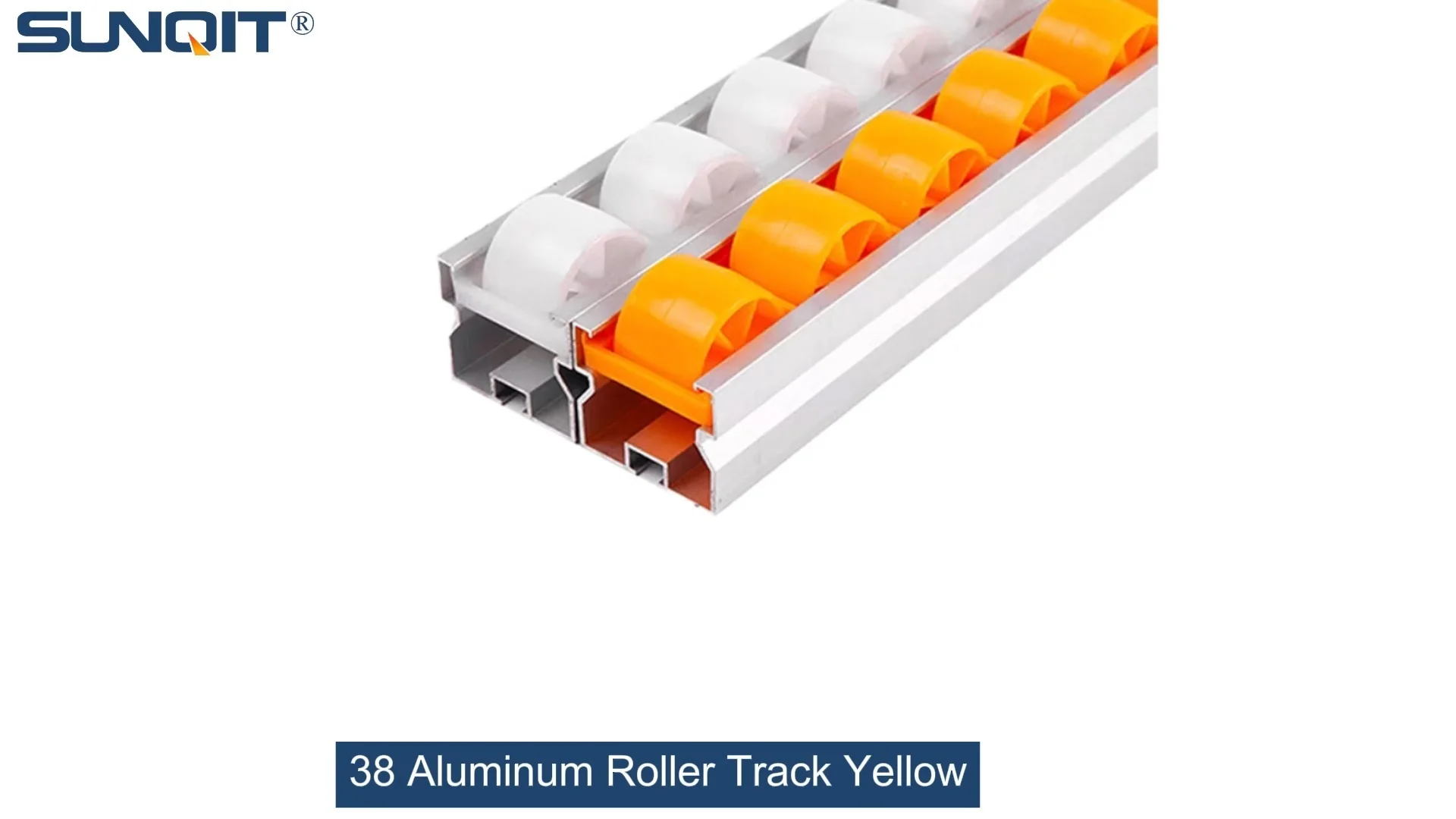
38 Aluminum Roller Track Yellow
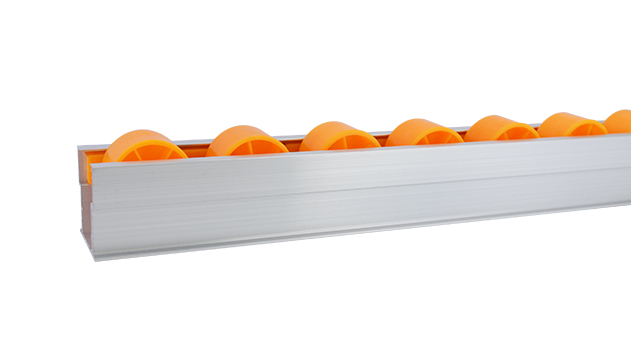
Durable and smooth-running modular roller rails. The system is fully assembled. The roller rail profile contains plastic rollers mounted on steel axles. Aluminum frame with plastic wheel make it anti corrosion,and material convey more smooth.
In the fast-paced world of manufacturing, every component plays a vital role in keeping operations smooth and efficient. Roller tracks are no exception—they're the unsung heroes that move parts, products, and materials across assembly lines, warehouses, and distribution centers. When it comes to choosing the right roller track for your lean system, two options often stand out: the 38 Aluminum Roller Track Yellow and stainless steel roller track. Both have their strengths, but which one aligns better with your budget, performance needs, and long-term lean goals? Let's dive deep into their cost and performance to help you make an informed decision.
What Are 38 Aluminum Roller Track Yellow and Stainless Steel Roller Track?
38 Aluminum Roller Track Yellow
The 38 Aluminum Roller Track Yellow is a popular choice for many manufacturers, especially those embracing lean principles. Made from high-quality aluminum alloy, this roller track features a bright yellow coating that not only adds a pop of color but also enhances visibility in busy factory floors. It's designed to be lightweight yet sturdy, making it easy to install and reconfigure as your production needs change—perfect for flow racks and conveyors in lean solutions. Whether you're setting up a new assembly line for 3C products or optimizing an existing warehouse, this aluminum roller track integrates seamlessly with other lean pipe accessories to create flexible, efficient workspaces.
Stainless Steel Roller Track
Stainless steel roller tracks are the workhorses of industries that demand durability and resistance to harsh conditions. Crafted from grades like 304 or 316 stainless steel, these tracks are built to withstand heavy loads, corrosive chemicals, and constant moisture. Unlike aluminum, stainless steel roller tracks don't require a coating to resist rust, making them ideal for food processing plants, medical device manufacturing facilities, and any environment where hygiene and longevity are top priorities. Their robust construction ensures they can handle the toughest tasks, from moving heavy automotive parts to transporting sterile medical supplies.
Cost Comparison: Initial & Long-Term Investment
When it comes to cost, the decision between aluminum and stainless steel roller tracks isn't just about the initial price tag—it's about the total cost of ownership over time. Let's break it down:
| Cost Aspect | 38 Aluminum Roller Track Yellow | Stainless Steel Roller Track |
|---|---|---|
| Initial Purchase Cost | 38 Aluminum Roller Track Yellow"> Lower (approx. $15-$25 per meter) | Roller Track"> Higher (approx. $30-$50 per meter) |
| Maintenance Cost | 38 Aluminum Roller Track Yellow"> Moderate (occasional cleaning, lubrication) | Roller Track"> Low (minimal maintenance needed) |
| Average Lifespan | 38 Aluminum Roller Track Yellow"> 5-8 years | Roller Track"> 10-15 years |
| Total Cost of Ownership (10 Years) | 38 Aluminum Roller Track Yellow"> ~$3.33-$4.17 per meter/year | Roller Track"> ~$3.00-$5.00 per meter/year |
The initial cost difference is significant, with aluminum being more budget-friendly upfront. However, stainless steel's longer lifespan and lower maintenance costs balance out the total ownership cost over time. For short-term projects or facilities with frequent layout changes, aluminum is the more cost-effective choice. For long-term, stable operations, stainless steel offers better value.
Performance Showdown: Which Delivers Better Results?
| Performance Metric | 38 Aluminum Roller Track Yellow | Stainless Steel Roller Track |
|---|---|---|
| Load Capacity (per meter) | 38 Aluminum Roller Track Yellow"> 150-250 kg | Roller Track"> 300-500 kg |
| Corrosion Resistance | 38 Aluminum Roller Track Yellow"> Good (resists mild moisture, general factory environments) | Roller Track"> Excellent (resists chemicals, saltwater, high humidity) |
| Weight (per meter) | 38 Aluminum Roller Track Yellow"> ~2 kg | Roller Track"> ~4 kg |
| Flexibility & Reconfigurability | 38 Aluminum Roller Track Yellow"> High (easy to cut, assemble, adjust for lean systems) | Roller Track"> Moderate (stiffer, harder to modify) |
| Safety & Visibility | 38 Aluminum Roller Track Yellow"> High (bright yellow enhances visibility, reduces accidents) | Roller Track"> Moderate (silver finish less visible) |
| Compatibility with Lean Solutions | 38 Aluminum Roller Track Yellow"> Excellent (fits flexible production needs) | Roller Track"> Good (best for stable, heavy-duty setups) |
Durability & Load Capacity
Stainless steel takes the lead in durability and load capacity. It can handle heavier loads without bending or warping, making it ideal for automotive manufacturing and heavy machinery assembly. Aluminum, while sturdy, is better suited for light to medium loads—perfect for 3C assembly lines and general warehousing.
Corrosion Resistance
Both materials resist corrosion, but stainless steel excels in harsh environments. Aluminum works well in dry, general factory settings, but stainless steel is the go-to for food processing, medical facilities, and chemical plants where exposure to moisture or chemicals is constant.
Flexibility for Lean Systems
Lean manufacturing thrives on flexibility and continuous improvement. Aluminum's lightweight design makes it easy to reconfigure flow racks and conveyors as production needs change. Stainless steel, while durable, is less adaptable—better for fixed, long-term setups rather than dynamic lean environments.

Application Scenarios: Which Roller Track Fits Your Needs?
Choose 38 Aluminum Roller Track Yellow If:
- You need light to medium load support (up to 250 kg per meter)
- Your facility uses lean systems with frequent layout changes
- Budget is a primary concern
- Visibility and safety are top priorities in your workspace
- You're in general manufacturing, 3C assembly, or production
Choose Stainless Steel Roller Track If:
- You need heavy load support (over 300 kg per meter)
- Your facility operates in harsh environments (chemicals, moisture)
- You prioritize long-term durability over initial cost
- You're in food processing, medical device manufacturing, or pharmaceutical industries
- Your setup is stable and requires minimal reconfiguration

Conclusion: Making the Right Choice
Both the 38 Aluminum Roller Track Yellow and stainless steel roller track are high-quality options that can enhance your manufacturing operations. The key is to align your choice with your specific needs:
If you value flexibility, cost-effectiveness, and visibility—core principles of lean solutions—then the aluminum roller track is the perfect fit. It integrates seamlessly with flow racks, conveyors, and lean pipe workbenches to create dynamic, efficient workspaces.
If durability, corrosion resistance, and heavy load capacity are your top priorities, stainless steel is worth the investment. It's built to last in the toughest environments, reducing maintenance costs over time.
By understanding their cost and performance, you can select the roller track that best supports your production goals and helps you achieve greater efficiency in your workflow.